
Potty training is a major milestone in a toddler’s development, marking a transition toward independence and self-awareness. In Singapore’s warm, tropical climate, heavy disposable diapers can often feel bulky and uncomfortable for active toddlers, sometimes leading to heat rashes or skin irritation. Switching to reusable cloth potty training pants offers a breathable, sustainable, and sensory-rich alternative that helps toddlers connect the physical sensation of wetness with the need to use the toilet.
For eco-conscious parents, navigating the transition from diapers to training pants involves balancing fabric sustainability, absorbency levels, ease of washing in local high-humidity conditions, and the child’s developmental readiness. By understanding what features to look for and how to verify product claims, you can select a durable, effective stash of reusable training pants that supports your child’s learning journey while minimizing your household’s environmental footprint.
Why Transition to Reusable Potty Training Diapers?
Single-use training pants contribute significantly to municipal waste streams. In land-scarce Singapore, where domestic waste is incinerated and the ash is sent to the Semakau Landfill, reducing disposable waste is a tangible way for families to lower their environmental impact. A single toddler can go through hundreds of disposable pull-ups during the potty training phase, which can last anywhere from a few months to over a year. Reusable training pants can be washed and reused hundreds of times, and they can even be passed down to younger siblings, drastically reducing the volume of plastic-lined waste sent to incineration plants.
Products mentioned in this guide
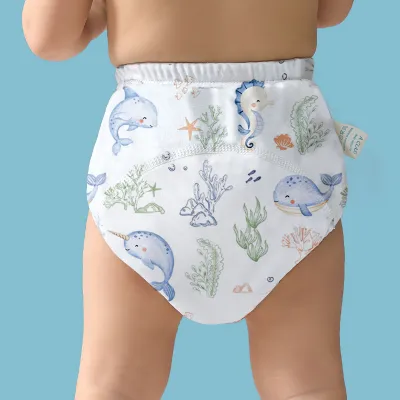
![[4 at $10.90] Baby Toilet Training Pants 6 Layers Reusable Cloth Diaper Waterproof Underwear Nappy Potty Highly Absorbent](https://img.lazcdn.com/g/p/197076b91cd3cd72b6ad2647e18e82e9.png_400x400q80.png_.webp)
![[SG Local Stock] 6 Layers Baby Toilet Training Pants Breathable Waterproof Baby Diaper Pants Kids Potty Training Rewashable Diapers Panties Underwear Children Day Gifts](https://img.lazcdn.com/g/p/3c008923aebea28cff8035fa6d41ddb6.jpg_400x400q80.jpg_.webp)
![[SG Ready Stock] 6-Layer Toilet Training Pants / Reusable Diaper / Toilet Potty Training Pants](https://img.lazcdn.com/g/ff/kf/S837c946e91f74330af3b460add1bae8cG.jpg_400x400q80.jpg_.webp)
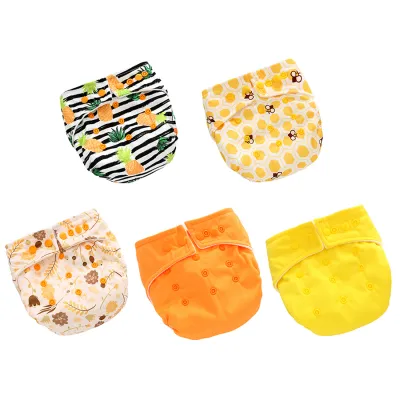
![SG REady Stock BLO007 Baby Toddler Boys Girls Potty Training Pants Underwear [Little Gems] Polyester](https://img.lazcdn.com/g/p/6efbc52f3a2114672ce86edc1ccdbd0f.jpg_400x400q80.jpg_.webp)
Prices are valid at publication and may change. Please refer to the product page for the latest price.
From a financial perspective, while the upfront cost of a cloth potty training diaper stash is higher than a single pack of disposables, the long-term savings are substantial. A toddler typically requires multiple changes a day during the early stages of training. The cumulative cost of purchasing single-use disposable pants month after month adds up quickly. Investing in a high-quality set of reusable pants eliminates this recurring expense, allowing families to allocate those resources elsewhere.
Perhaps the most significant practical benefit of cloth training pants is the natural sensory feedback they provide. Disposable diapers are engineered with super-absorbent polymers that lock away moisture instantly, keeping the skin dry even after a full void. While this dry-feel technology is excellent for preventing diaper rash in infants, it actually hinders potty training because the toddler cannot feel when they have had an accident. Cloth training pants allow the child to feel the wetness immediately, providing natural biofeedback that helps them recognize the physical signals of urination and encourages them to use the potty next time.
Essential Features of Eco-Friendly Cloth Training Pants
When evaluating eco-friendly options, the material composition of the inner lining is a primary consideration. Look for natural, biodegradable fabric options such as organic cotton, bamboo terry, or hemp. These materials are gentle on sensitive toddler skin and do not contain the synthetic fragrances or chemicals often found in disposable alternatives. Bamboo is highly absorbent and naturally soft, while organic cotton offers excellent breathability, which is crucial in Singapore’s humid weather to prevent heat buildup and skin irritation.

An effective potty training pant must strike a delicate balance between absorbency and wetness feedback. Unlike standard cloth diapers, which are designed to hold multiple voids, training pants are designed with fewer absorbent layers. The goal is to catch small accidents and dribbles, giving you enough time to reach the bathroom without soaking through to the floor, while still letting the child feel wet. Too much absorbency defeats the purpose of sensory feedback, while too little leads to messy cleanups and ruined clothing.
To prevent leaks from reaching outer clothing, look for pants with a reliable, breathable waterproof outer shell. Polyurethane laminate (PUL) is the most common and durable option, offering a reliable barrier that withstands frequent washing. For parents seeking a completely natural alternative, wool covers can be used over cotton training pants, though they require specialized care like lanolising. Ensure that any waterproof layer used is breathable to maintain airflow and keep your toddler comfortable throughout the day.
Matching the Design to Your Toddler's Potty Training Stage
Pull-up styles are ideal for toddlers who are showing signs of independence, such as wanting to dress and undress themselves. These pants feature a highly elastic, stretchy waistband that closely resembles standard adult underwear. This design allows the toddler to easily pull the pants down when they feel the urge to go and pull them back up afterward, reinforcing self-help skills and building confidence. Many local preschools and childcare centers prefer this style once a child begins potty training, as it encourages independent bathroom habits.
For the early stages of training or for children who still have frequent heavy accidents, side-snap or hook-and-loop designs are highly practical. If a toddler has a bowel accident, pulling a standard pull-up down their legs can create a significant mess. Side snaps allow you to lay the child down and remove the training pant just like a diaper, making cleanup much cleaner and faster. This style is also highly adjustable, allowing you to customize the fit around the waist and thighs as your child grows.
Parents must also choose between all-in-one (AIO) designs and pocket designs. All-in-one training pants have the absorbent layers sewn directly into the shell, making them incredibly easy to use but slower to dry. Pocket training pants allow you to customize the absorbency by inserting boosters into a pocket opening. This design dries much faster after washing because the layers can be separated, which is a major advantage during Singapore’s rainy monsoon seasons when indoor drying is common.
Building Your Shortlist: Verification Steps Before Purchasing
Do not rely solely on vague marketing terms like “eco-friendly” or “organic.” Check the manufacturer’s product specifications for recognized textile certifications, such as the Global Organic Textile Standard (GOTS) or OEKO-TEX Standard 100. These certifications verify that the fabrics have been tested for harmful substances and are safe for close contact with your child’s skin. Reliable brands will readily display these certifications on their websites or product packaging.
Sizing varies significantly between brands, and a poor fit is the leading cause of leaks and discomfort. Always measure your toddler’s waist and thighs, and compare these measurements against the manufacturer’s specific sizing chart rather than relying on age or weight estimates. A snug but comfortable fit around the legs is essential to prevent leaks, while a gentle waist elastic ensures the pants do not leave red marks on your child’s skin.
Because fit is highly individual, it is wise to buy a single test pair before purchasing a full set. Verify the return or exchange policies of the online marketplace or local retailer. Many stores do not accept returns on washed or tried-on personal hygiene items, so checking the policy beforehand prevents wasted expenditure. If the test pair fits well and performs as expected, you can then confidently invest in a full rotation.
Review the manufacturer’s care label to ensure the pants fit your household routine. Some brands require delicate wash cycles or line drying only, which may not align with your laundry habits. In Singapore’s high humidity, choosing fabrics that can tolerate low-heat tumble drying or dry quickly on an indoor rack is highly practical. Ensure that the washing instructions do not require complex steps that would make daily maintenance a chore.
Washing and Caring for Cloth Training Diapers
For solid waste, shake or rinse the solids into the toilet immediately. A diaper sprayer attached to your bathroom toilet is an excellent tool for this. Store the soiled pants in a dry pail with good ventilation to prevent mold and ammonia buildup before wash day. Avoid soaking the pants in water beforehand, as standing water can become a breeding ground for bacteria and weaken the fabric fibers over time.
Wash the training pants using a thorough cycle with a cloth-safe detergent. In Singapore, tap water is generally soft, which means you need less detergent to achieve a clean wash and avoid buildup. Avoid fabric softeners, optical brighteners, and chlorine bleach, as these additives coat the fabric fibers and drastically reduce their absorbency over time. Ensure the detergent is fully rinsed out to protect your toddler’s sensitive skin from irritation.
Line drying in the sun is the most eco-friendly method and helps naturally sanitize the fabrics. However, if you must use a dryer due to wet weather or limited outdoor space in high-rise apartments, use a low-heat setting. High heat can damage the waterproof PUL layer and degrade the elastic bands over time, leading to premature wear and leaks. Always follow the manufacturer’s specific drying guidelines to extend the lifespan of your training pants.
Frequently Asked Questions (FAQ)
How many pairs of reusable potty training diapers do I need?
The ideal number depends on your laundry frequency and where your child is in their training journey. For a family washing laundry every other day, a starter stash of 6 to 10 pairs is usually sufficient. If your toddler is in the early stages with frequent accidents, you may need 12 to 15 pairs to ensure you do not run out while waiting for clean pairs to dry. Having a few extra pairs is also helpful if your child attends a childcare center that requires multiple changes daily.
Can cloth training pants be used overnight?
Standard cloth training pants are not designed for overnight use because they lack the heavy absorbency required for long sleep stretches. Using them overnight will likely result in wet bedding and disrupted sleep. For nighttime, it is best to use a dedicated night-time cloth diaper with extra inserts, or wait until your child is consistently dry during their naps and night sleep before transitioning them to training pants at night.
What should I do if the waterproof layer starts leaking?
If you notice leaks, first check if the fabric is fully saturated, which indicates your child needs more frequent potty breaks or a more absorbent pant. If the fabric is not saturated but liquid passes straight through, there may be a buildup of detergent or fabric softener. You can wash them on a hot cycle without detergent to strip the buildup. If the inner laminate layer is peeling, cracked, or sticky, the waterproof barrier is permanently damaged, and the pants should be replaced.

Community discussion
Share your experience or ask a question. Comments are reviewed before publication.