
Designing a nursery in Singapore involves balancing limited floor space with a desire for a warm, inviting aesthetic. While a cute storage bag can instantly elevate the visual appeal of your baby’s room, selecting the right one requires looking beyond charming animal faces or pastel hues. The ideal nursery storage solution must seamlessly combine safety, structural integrity, and climate-appropriate materials to protect your baby’s belongings.
In Singapore’s tropical climate, high humidity levels and compact living spaces mean that storage choices directly impact both hygiene and organization. A poorly chosen bag can trap moisture, collapse under light loads, or present subtle safety hazards to an active infant. By focusing on functional design, material durability, and zone-specific utility, caregivers can create a beautifully organized space that remains safe and practical as their child grows.
What to Look for When Buying Cute Nursery Storage Bags
A storage bag should maintain its shape even when empty. Soft-sided bags that collapse easily can frustrate caregivers trying to tidy up with one hand while holding a baby. More importantly, floppy bags can pose a mild tipping hazard if a crawling baby attempts to pull themselves up using the rim. Look for bags with reinforced bases, integrated wire rims, or thick double-layered fabrics that stand upright independently.
Products mentioned in this guide
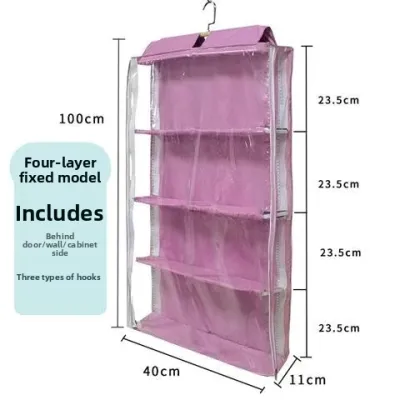
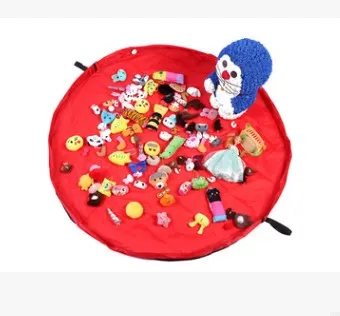
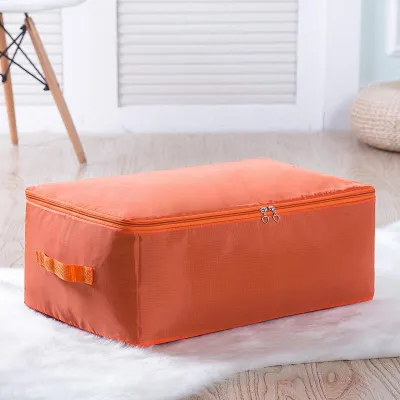
Prices are valid at publication and may change. Please refer to the product page for the latest price.
Inspect every decorative element and closure mechanism with a critical eye. Avoid bags with small, poorly attached buttons, sequins, or plastic eyes that a curious baby could chew off and swallow. Zippers should be sturdy, smooth, and ideally covered by a fabric placket to prevent scratches on delicate skin. If the bag features drawstrings or long decorative ribbons, ensure they can be secured out of reach to eliminate any entanglement risks.
Caregivers frequently move storage units from the changing table to the play mat or closet. Handles must be securely stitched, preferably with reinforced cross-stitching (often visible as an “X” pattern inside a square) to distribute weight evenly. Check that the handles are positioned comfortably for a secure grip, allowing you to lift the bag without straining the fabric or risking a sudden tear that could drop items onto the floor.
Singapore’s year-round humidity demands careful consideration of airflow. Storage bags kept in closed closets or tight corners can easily trap stagnant air, leading to musty smells on baby clothes and linens. Selecting materials that allow natural ventilation, or choosing bags with water-resistant interior coatings, helps safeguard stored items from dampness. Ensure the bag’s placement allows for adequate air circulation around all sides.
Comparing Materials and Styles for Aesthetic Nursery Storage
Cotton canvas and linen are highly popular for nurseries due to their soft, organic texture and classic look. These fabrics are naturally breathable, making them excellent for storing everyday clothing, swaddles, and muslin blankets. However, untreated natural fibers absorb moisture easily and are highly susceptible to staining from diaper creams, milk spills, or damp fingers. Caregivers should check if the fabric has been pre-shrunk or if it features a wipeable interior lining to simplify spot cleaning.

Woven baskets and bags bring a beautiful, rustic texture to a modern nursery. While they offer excellent structural rigidity and stand up well on shelves, natural woven fibers can sometimes have sharp, protruding ends or rough surfaces. These rough edges can snag delicate knitted baby clothes, scratch sensitive skin, or shed small fibers over time. If you opt for woven styles, look for tightly woven designs or those lined with a removable, washable fabric insert to protect both the contents and your baby.
Felt and plush storage bags offer a cozy, warm aesthetic and are exceptionally soft to the touch, making them completely safe for babies to bump into. They are lightweight and often come in adorable animal shapes or embroidered designs. The primary drawback of felt is its tendency to attract dust, lint, and pet hair, which can be a concern for babies with sensitive airways or allergies. Additionally, felt can be difficult to wash thoroughly without causing the material to shrink or pill, so verifying the manufacturer’s cleaning guidelines is essential before buying.
| Material Type | Visual Style | Wipeability | Structural Rigidity | Best Suited For |
|---|---|---|---|---|
| Cotton Canvas | Classic, soft, versatile | Low (unless lined) | Moderate (needs reinforcement) | Daily clothing, soft toys, blankets |
| Woven Seagrass | Rustic, natural, textured | Low (vacuum or dry wipe) | High (self-standing) | Heavy books, wooden toys, shelf display |
| Felt / Plush | Cozy, modern, playful | Very Low (spot clean only) | Moderate to Low | Lightweight plush toys, socks, pacifiers |
| Laminated Polyester | Bright, modern, printed | High (easy to wipe clean) | Moderate (often collapsible) | Diapering supplies, bath items, art supplies |
How to Match Storage Bags to Different Nursery Zones
For active play areas, open-top or wide-mouth storage bags are highly recommended. These designs allow babies and toddlers to see their toys easily, promoting independent play and making cleanup a quick, stress-free routine. Avoid heavy lids or complex latches that could pinch small fingers. A low-profile, wide-mouth canvas bag allows your child to safely reach inside and choose their favorite toy without tipping the entire container over.
Items that are not used daily, such as seasonal winter wear for family travel, extra bedding, or next-size-up clothing, require protection from dust and humidity. For these zones, opt for structured storage bags equipped with secure lids, zippered closures, or tight drawstrings. Storing these bags on higher closet shelves keeps them out of the daily rotation while ensuring the fabrics inside remain clean, dry, and free from dust mites.
The changing table zone requires rapid, one-handed access to diapers, wipes, creams, and grooming tools. Compact, multi-compartment caddies or small wipeable pouches are ideal for this high-traffic area. Because diaper creams and lotions can easily leak, prioritize bags made with water-resistant, laminated, or highly wipeable interior linings. This ensures that any accidental spills can be cleaned instantly with a baby wipe, preventing permanent stains and odors.
Before purchasing any cute storage bag, take precise measurements of your nursery’s shelves, cubbies, and closet floor space. A bag that is even slightly too large can overhang shelves, creating an unstable setup that could easily be knocked down. Ensure there is a clearance of at least two to three centimeters on all sides of the bag to allow for easy sliding in and out without scraping the furniture or straining the bag’s handles.
Safety Checks and Maintenance for Baby Storage Bags
Always read the manufacturer’s product labels and packaging carefully before placing a new storage bag in the nursery. Look for indications of material composition, verifying that the fabrics are free from harmful chemicals, heavy metals, or flame retardants. Check for any age-appropriate warnings, especially if the bag features decorative elements, long straps, or structural wires that require adult supervision or are restricted to specific developmental stages.
Nursery items inevitably encounter spills, dust, and drool, making regular cleaning essential. Follow the manufacturer’s care tags strictly; some canvas bags can be machine-washed on a gentle cycle, while others are strictly spot-clean only. After washing or wiping down any storage bag, ensure it dries completely in a well-ventilated area—ideally in indirect sunlight—before putting it back in the nursery. Even a small amount of residual moisture can quickly lead to mold or mildew growth in Singapore’s warm climate.
Regularly inspect your nursery storage bags for signs of wear and tear that could compromise safety. Stop using a bag immediately if you notice fraying seams, loose threads that could wrap around tiny fingers, or cracked plastic components. Broken handles or failing zippers also indicate that the bag is no longer safe for active use. If a bag develops a persistent musty odor or visible mold spots that do not disappear after a thorough wash, discard it promptly to protect your baby’s respiratory health.
If you encounter conflicting care instructions—such as a label that advises machine washing but a fabric that appears too delicate to survive a spin cycle—err on the side of caution. Contact the manufacturer directly for clarification, or consult a professional cleaning service experienced in handling baby gear. Never attempt to repair structural failures, such as broken internal wire frames, with temporary fixes like tape or glue, as these can create new hazards for your child.
Frequently Asked Questions (FAQ)
Are canvas storage bags safe for storing baby clothes?
Yes, canvas storage bags are generally safe and highly suitable for storing baby clothes due to the natural breathability of cotton fibers. This breathability allows air to circulate, preventing the buildup of stale odors and moisture that can damage delicate fabrics. However, caregivers must verify that any dyes, prints, or finishes used on the canvas are non-toxic and certified baby-safe by the manufacturer. It is also highly recommended to wash new canvas bags before their first use to remove any chemical residues from the manufacturing and shipping process.
How do I prevent mold in woven storage baskets and bags?
Preventing mold in natural woven materials like seagrass, rattan, or water hyacinth requires active humidity management. Keep these storage units away from direct sources of moisture, such as humidifiers, open windows during rainstorms, or adjacent bathrooms. Ensure there is adequate air circulation around the baskets by not packing them too tightly against walls or inside unventilated closets. Inspect the baskets regularly; if you detect a musty smell or spot small white or grey patches, isolate the basket immediately, clean it according to manufacturer instructions, and ensure it is completely dry before reuse.
Can I use decorative storage bags for heavy items like books?
Decorative storage bags are primarily designed for lightweight items like soft toys, blankets, and clothing, prioritizing visual appeal over heavy-duty structural support. Placing heavy items like board books or wooden toys in a soft decorative bag can cause it to sag, lose its shape, or tear at the seams and handles. Always check the manufacturer’s stated weight limits before loading any storage unit. If you need to store heavy items, opt for reinforced storage bins with solid wood or heavy-duty plastic cores, or use dedicated bookshelves secured to the wall.

Community discussion
Share your experience or ask a question. Comments are reviewed before publication.