
To ensure your child’s safety on Singapore’s roads, choosing a portable car seat requires verifying specific international safety certifications recognized by local authorities. While many brands claim to offer lightweight and travel-friendly solutions, only those carrying approved certification labels—such as the United Nations (UN) standards—are legally compliant and safety-verified for use in Singapore. Navigating these options involves understanding local traffic laws, identifying genuine safety labels, and evaluating how a seat balances compact design with robust structural protection.
Selecting the right gear is not just about convenience; it is a critical decision that directly impacts your child’s physical protection during transit. Portable car seats have become increasingly popular among families who rely on taxis, ride-hailing services, or car-sharing platforms. However, the market is flooded with various models, making it essential to know how to distinguish a legally compliant, high-quality seat from an unverified or counterfeit alternative.
By focusing on verified safety standards and structural integrity, you can confidently select a portable car seat that fits your lifestyle without compromising on security. This guide outlines the essential legal requirements in Singapore, explains how to read safety labels, and provides a practical framework for evaluating brands and physical products before making a purchase.
Products mentioned in this guide
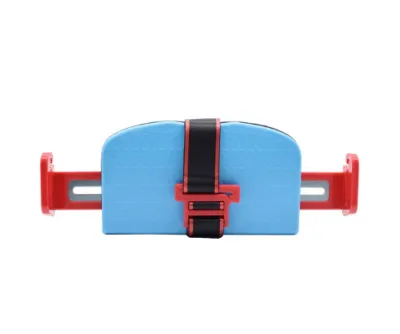
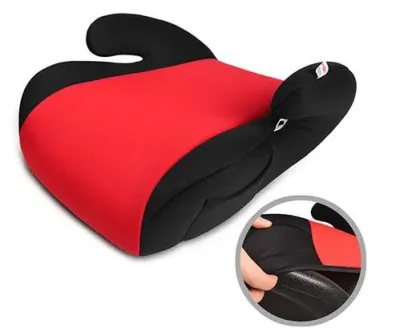
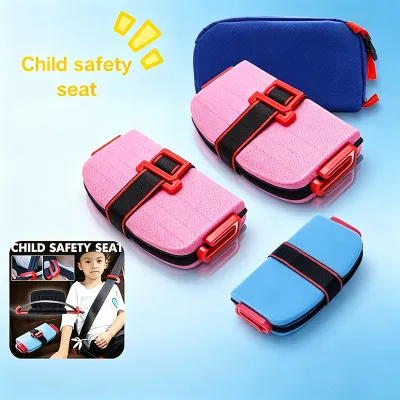
![[SG] Foldable Child Safety Car Booster Seat Compact Travel Portable Baby Seat Blue Pink For 3-13 yrs](https://img.lazcdn.com/g/p/e4b0a56c751e7aef08c3a5f6c2dbb9e1.jpg_400x400q80.jpg_.webp)
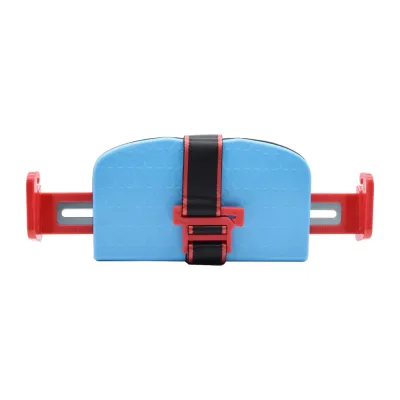
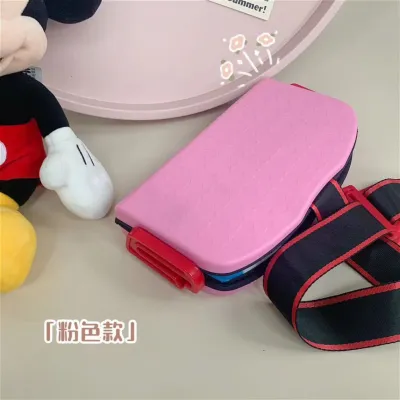
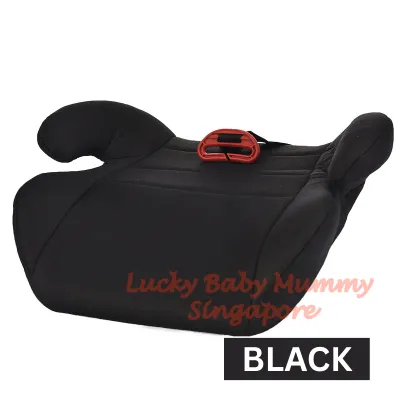
![Easyhome.sg [Child SAFETY] Baby Booster Car Seat Chair – Toddler Safety Travel Carrier for Children](https://img.lazcdn.com/g/p/9a1e79f7193f323d784f040bd84fc2a9.png_400x400q80.png_.webp)
Prices are valid at publication and may change. Please refer to the product page for the latest price.
Understanding Singapore's Child Restraint Laws
Under the Road Traffic Act in Singapore, safety regulations mandate that any passenger under the height of 1.35 metres must be secured with an approved child restraint appropriate for their height and weight. Alternatively, they must use a booster seat accompanied by a body-conforming seatbelt when travelling in a private vehicle. This law is strictly enforced based on height rather than age, as height determines how a standard vehicle seatbelt fits across a child’s body. A seatbelt that rests against a child’s neck or stomach instead of the shoulder and pelvis can cause severe injuries in a collision.
The rules regarding passenger placement within the vehicle are equally precise. If a child is placed in the front passenger seat, using an approved child restraint is a strict legal requirement, regardless of the vehicle type. However, safety experts and local authorities strongly advise placing children in the rear seats whenever possible. The rapid deployment of front passenger airbags poses a significant risk of impact injury to young children, particularly those in rear-facing seats. If a rear-facing portable seat must be installed in the front, the front passenger airbag must be deactivated beforehand.
Using unverified, non-compliant, or counterfeit car seats in Singapore is illegal and carries penalties, including fines and demerit points for the driver. The Singapore Traffic Police recognize specific international standards, meaning any seat used must carry a valid certification mark from recognized global bodies. These recognized standards include those from the European Union, the United States, Japan, Australia, and Great Britain. Relying on unlabelled seats purchased from unverified online sources exposes your child to extreme risk, as these products have not undergone standardized crash testing.
Recognizing Valid Safety Certifications
To confirm a portable car seat is legally compliant, parents must look for specific physical labels permanently affixed to the seat shell. The most common standard seen in Singapore is the European Union’s ECE R44/04 or the newer UN R129 (often referred to as i-Size) certification. These are typically represented by an orange label containing an “E” mark (such as E1, E2, or E4, indicating the country of testing) followed by a unique approval number.

Understanding the shift from older to newer standards helps in making an informed choice. The older ECE R44/04 standard categorizes car seats based on the child’s weight groups. In contrast, the newer UN R129 (i-Size) standard uses the child’s height to determine suitability, which reduces the risk of premature transitions to larger seats. Additionally, i-Size certification mandates side-impact testing, whereas the older R44 standard only required testing for frontal and rear collisions.
When shopping, parents must remain vigilant against counterfeit or expired certification markers. Genuine labels are made of durable, tear-resistant material and are securely glued or stitched to the seat. If a label is faded, peeling, or contains spelling errors, the product should be avoided. Furthermore, car seats have a lifespan—typically five to ten years from the date of manufacture—due to the degradation of plastic components over time, especially under Singapore’s humid and warm climate.
Evaluating Portable Car Seat Brands for Reliability
When assessing portable car seat brands, verifying the supply chain is a critical step. Purchasing from authorized local distributors or official brand stores ensures that the product is genuine and designed for the local market. Grey-market imports, while sometimes cheaper, may not comply with the exact specifications required locally or may lack essential safety documentation.
Beyond basic legal compliance, parents can look to independent European crash test ratings for additional peace of mind. Organizations such as the German Automobile Club (ADAC) and the Austrian Automobile Club (ÖAMTC) conduct rigorous testing that exceeds standard legal requirements, evaluating seats on safety, ergonomics, handling, and pollutant content. A brand that consistently performs well in these independent assessments offers a higher level of verified protection.
Local support is another vital factor. Buying through official channels ensures access to local warranty services, replacement parts, and direct notifications in the event of a manufacturer recall. If a component like a chest clip or buckle becomes damaged, an authorized distributor can provide genuine replacements, whereas grey-market buyers may find themselves unable to source safe parts.
Balancing Portability With Safety Features
Portable car seats are designed to be lightweight and easy to transfer between vehicles, but this convenience often involves trade-offs. Ultra-compact, folding mechanisms are highly convenient for travel, yet they must be evaluated carefully. Parents should check if the folding joints lock securely into place and whether the seat maintains structural rigidity when installed. Some highly portable models may offer minimal side-impact protection compared to bulkier, traditional seats, which is a critical consideration if the seat is used for daily commuting.
The harness system is another key safety element. A 5-point harness is widely considered the gold standard for younger children, securing them at the shoulders, hips, and crotch to distribute crash forces evenly. Some portable models or booster seats use impact shields or rely entirely on the vehicle’s 3-point seatbelt system. While seatbelt-positioning boosters are suitable for older, taller children, younger toddlers require the secure containment of an integrated harness.
Installation methods also impact both safety and convenience. ISOFIX systems offer a rigid, mechanical connection to the vehicle’s chassis, significantly reducing installation errors. However, ISOFIX connectors add weight and bulk to a portable seat. Seatbelt-routed installation is more universal, allowing the seat to fit into older car models or taxis, but it requires precise routing to ensure a tight, secure fit. Parents must weigh how often they will move the seat against the ease of achieving a correct installation every time.
Your Pre-Purchase Verification Checklist
Before finalizing a purchase, parents should perform a thorough physical inspection of the specific car seat. Start by locating the manufacturing and expiration dates, which are usually stamped directly into the plastic shell or printed on a dedicated label. Ensure the model number matches the manufacturer’s official documentation and that the seat has not been subject to any active recalls.
Next, test the mechanical components in-store. Adjust the harness straps to ensure they glide smoothly and lock securely. Press the buckle release button to verify it requires a firm, deliberate press—preventing a child from undoing it easily—while still being manageable for an adult in an emergency. Check that all folding mechanisms and locking joints click firmly into their active positions.
Finally, confirm vehicle compatibility. Many manufacturers publish an “approved vehicle list” online, detailing which car models are compatible with their seats. If possible, request to test the physical seat in your family vehicle before buying. Ensure the vehicle’s seatbelts are long enough to route correctly around the portable seat, and verify that the seat sits flat against the vehicle’s seatback without excessive movement.
Frequently Asked Questions (FAQ)
Can I use a portable car seat in a taxi or ride-hailing vehicle in Singapore?
In Singapore, taxis are legally exempt from the child restraint requirement, allowing children to travel in the rear seat using the vehicle’s standard seatbelt. However, private-hire vehicles (such as those booked via ride-hailing apps) are not exempt; children under 1.35 metres must use an approved child restraint. Regardless of legal exemptions, using a portable car seat in both taxis and ride-hailing vehicles is highly recommended to ensure your child’s safety in the event of an accident.
Are second-hand portable car seats safe if they have a valid certification label?
Purchasing a second-hand car seat carries significant hidden risks, even if the certification label is intact. Plastic degrades over time, especially when exposed to heat and sunlight, which can compromise the seat’s structural integrity. More importantly, a used seat may have micro-fractures from a previous collision that are invisible to the naked eye. Without a complete, verifiable history of the seat and its original instruction manual, using a second-hand unit is not recommended.
How long can a child safely sit in a portable car seat during long trips?
Pediatric and safety experts generally recommend that infants and young children should not remain in a car seat for more than two hours at a time. Prolonged sitting in a semi-reclined position can put strain on a developing spine and potentially restrict airflow. For longer journeys, plan regular stops to take the child out of the seat, allowing them to stretch, move around, and change positions before resuming travel.

Community discussion
Share your experience or ask a question. Comments are reviewed before publication.