
Selecting the right baby cotton ball for sensitive skin in Singapore requires looking beyond basic packaging designs to evaluate material purity, structural integrity, and manufacturing standards. Newborn skin is significantly thinner and more permeable than adult skin, making it highly susceptible to irritation from synthetic fibers, chemical residues, and friction. In Singapore’s warm, humid climate, sweat and moisture can exacerbate skin sensitivity, meaning any material used for daily cleansing must be exceptionally gentle and free from harsh processing agents. By focusing on 100% pure, low-lint cotton and verifying key safety labels, parents can ensure their daily grooming routine supports their baby’s skin health.
Key Material and Structural Features for Sensitive Skin
The primary consideration when choosing a baby cotton ball is its raw material composition. Pure, 100% natural cotton is inherently hypoallergenic, highly absorbent, and exceptionally soft, making it the ideal choice for sensitive infant skin. In contrast, many standard cotton balls or budget alternatives contain synthetic blends, polyester, or rayon mixtures. These synthetic fibers do not absorb water as effectively and can have rougher microscopic structures that cause friction and micro-abrasions on a baby’s delicate skin barrier during wiping.
The chemical processing of the cotton is another critical factor that directly impacts skin sensitivity. Standard commercial cotton is frequently bleached using chlorine, a process that can leave behind trace amounts of dioxins and other chemical residues. For babies with highly sensitive skin or conditions like eczema, these residues can trigger contact dermatitis or persistent redness. Parents should look for cotton balls that are either completely unbleached—identifiable by their natural off-white color and tiny, harmless dark flecks of cotton seed—or bleached using hydrogen peroxide, which is a much safer, oxygen-based purification method.
Products mentioned in this guide
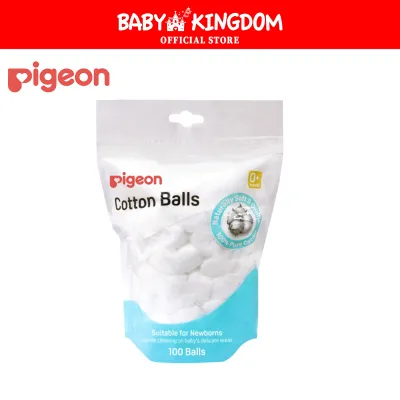
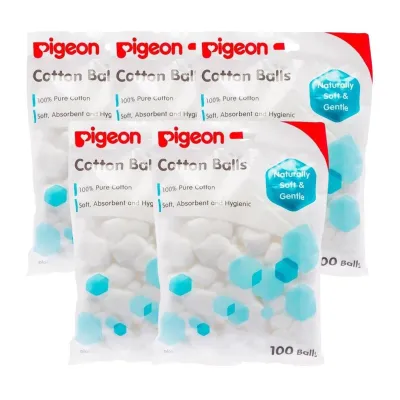
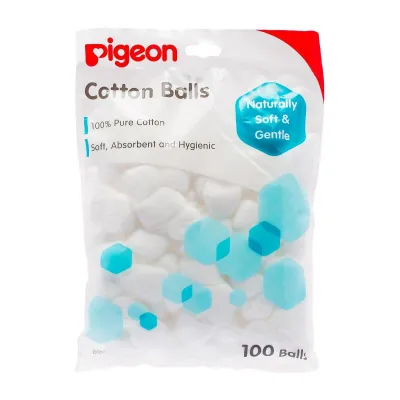
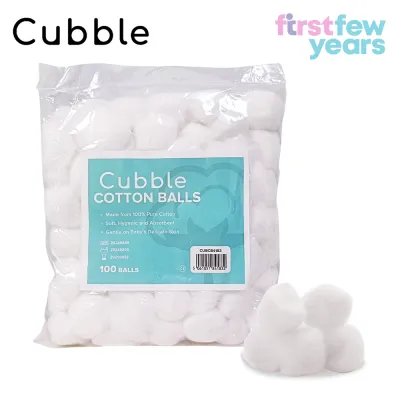
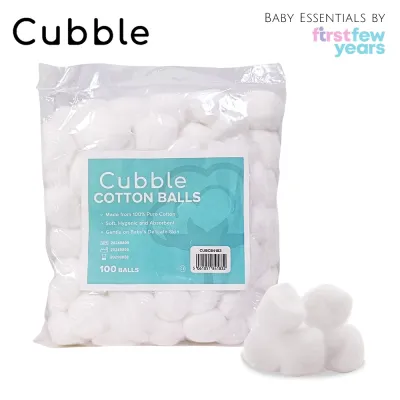
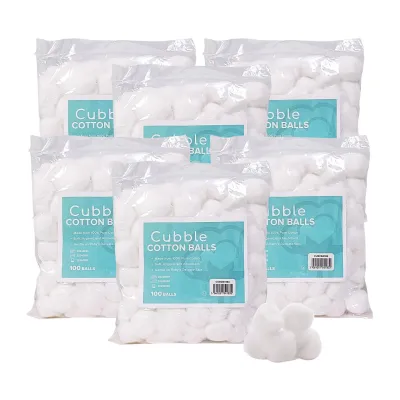
![[Ready Stock] Baebear Cotton Balls (100pcs/Bag) | Pigeon | Cubble | Disposable degreasing and cleaning baby cotton ball](https://img.lazcdn.com/g/p/f4bb2a72a4ca1032f0fa83e727ae3209.jpg_400x400q80.jpg_.webp)
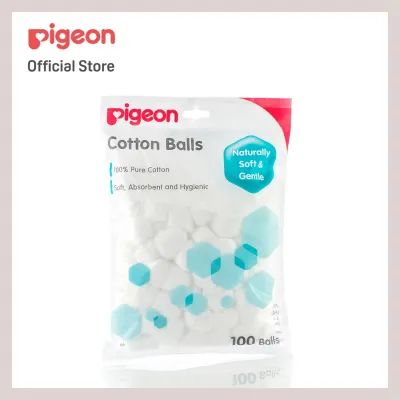
Prices are valid at publication and may change. Please refer to the product page for the latest price.
Structural integrity and linting properties are essential for preventing localized skin irritation and physical discomfort. Low-quality cotton balls often shed loose fibers, leaving behind a fine layer of lint on the baby’s skin after wiping. This lint can accumulate in sensitive areas, such as the corners of the eyes, inside the nostrils, or around a healing umbilical cord stump, trapping moisture and bacteria. Choosing a low-lint or lint-free cotton ball ensures that the cleansing process remains clean and does not leave behind irritating debris.
The density and wet strength of the cotton ball determine how well it performs when saturated with liquid. A high-quality baby cotton ball should retain its shape, springiness, and softness even when fully wet. If a cotton ball disintegrates, flattens completely, or turns mushy upon contact with water, it loses its cushioning effect. This forces the caregiver to apply more direct finger pressure during wiping, which significantly increases friction and the risk of irritating the baby’s skin.
Size and absorbency rates also play a practical role in minimizing skin contact and friction. Larger, jumbo-sized cotton balls are highly recommended for infant care because they can hold a substantial amount of water or cleansing solution. This high capacity allows parents to clean a larger surface area with a single, gentle swipe rather than repeatedly rubbing the same spot. Rapid absorbency ensures that the cotton quickly draws in liquid without requiring excessive squeezing, keeping the fibers plump and soft for immediate use.
Packaging Labels and Certifications to Verify
Reading the ingredient and material list on the packaging is a fundamental step in verifying a product’s safety for sensitive skin. Parents should look for clear, explicit statements confirming that the product is made from “100% pure cotton” and is entirely free from added fragrances, colorants, optical brighteners, or chemical binders. These additives are purely cosmetic and serve no functional purpose in infant care, yet they are among the most common triggers for allergic reactions and skin sensitization in newborns.

It is important to understand what common marketing terms actually mean when evaluating baby products. Labels such as “dermatologist-tested,” “pediatrician-approved,” or “hypoallergenic” indicate that the manufacturer has conducted basic patch testing to minimize the likelihood of allergic reactions. However, these terms are not strictly regulated standardizations, meaning they do not offer an absolute guarantee against skin irritation. Parents should treat these claims as helpful indicators but still perform a thorough check of the physical ingredients and material processing.
Organic certifications, such as the Global Organic Textile Standard (GOTS), provide an extra layer of assurance regarding chemical purity. GOTS certification guarantees that the cotton was grown without synthetic pesticides or fertilizers and processed without toxic chemicals or heavy metals. While organic cotton is highly beneficial for minimizing potential chemical exposure on sensitive skin, it also represents a commitment to environmentally sustainable farming practices, making it a preferred choice for eco-conscious parents.
Sterilization status is another crucial label to verify, particularly when caring for newborns or cleaning open skin areas. Some baby cotton balls undergo specialized sterilization processes, such as gamma irradiation or high-temperature steam treatment, to ensure they are completely free of bacteria, mold, and other microorganisms. Checking the packaging for a sterilization mark or a clear “sterile” label is highly recommended if you plan to use the cotton balls for umbilical cord care or eye cleaning during the first few weeks of life.
Finally, parents should inspect the packaging for clear manufacturing dates, expiration periods, and batch numbers. Because cotton is a natural, organic fiber, it can degrade, collect dust, or absorb ambient moisture over time if stored in non-airtight warehouse conditions. Choosing products with clearly printed manufacturing dates helps ensure that you are purchasing fresh, clean stock that has not been sitting in storage for an extended period, thereby reducing the risk of contamination.
Safe Handling and Hygiene Practices for Infant Care
Implementing strict hygiene practices during daily grooming is just as important as choosing the right product. The most critical rule of infant care with cotton balls is the single-use policy to prevent cross-contamination. A single cotton ball should never be used to clean more than one area of the baby’s body, nor should it be flipped over to wipe another spot. For example, when cleaning a baby’s eyes, always use a fresh, separate cotton ball for each eye, wiping gently from the inner corner outward to avoid spreading potential infections.
Gentle wiping techniques are essential for protecting the delicate skin barrier from mechanical damage. Caregivers should avoid rubbing, scrubbing, or dragging the cotton ball across the skin. Instead, saturate the cotton ball with cooled, boiled water or a prescribed sterile solution, and gently pat or swipe the area with minimal pressure. This soft approach is particularly important when cleaning highly sensitive zones, such as the healing umbilical cord stump, behind the ears, and within the deep skin folds of the neck and thighs where moisture and sweat tend to accumulate.
Parents must remain vigilant and closely monitor their baby’s skin for any signs of irritation or allergic reactions. If you notice localized redness, dry patches, tiny raised bumps, or if the baby shows signs of discomfort during or after cleansing, stop using the current batch of cotton balls immediately. These symptoms can indicate a sensitivity to the cotton fibers, a reaction to trace chemical residues, or irritation from physical friction. If the redness or rash persists or worsens, consult a qualified pediatrician for professional guidance.
Maintaining hygiene during the preparation of grooming materials is vital to prevent introducing bacteria to the cotton. Before starting a diaper change or bath, wash your hands thoroughly with soap and water. Extract the exact number of cotton balls you will need for the task and place them on a clean, dry surface. Avoid reaching back into the main packaging with wet, damp, or soiled hands during the cleaning process, as this can introduce moisture and bacteria into the remaining supply, compromising the sterility of the entire pack.
Proper disposal of used cotton balls is a simple yet crucial step in maintaining a safe and hygienic home environment. Once a cotton ball has been used, discard it immediately into a closed diaper pail or waste bin that is completely out of reach of infants and toddlers. Used cotton balls can harbor bacteria and, if left lying around, pose a significant choking hazard to curious babies who may put them in their mouths. Keeping the grooming area tidy ensures both hygiene and physical safety.
Sourcing Authentic Baby Care Products in Singapore
Sourcing authentic, high-quality baby cotton balls in Singapore requires choosing reliable retail channels. Purchasing these products from established pharmacies, dedicated mother-and-baby specialty stores, or official brand stores ensures that you are getting genuine items that have been handled through proper supply chains. These retailers are subject to local quality standards and are more likely to store products in temperature-controlled environments, preserving the integrity of the cotton.
While general e-commerce platforms and online marketplaces offer convenience and competitive pricing, buying baby care products from unauthorized third-party sellers carries inherent risks. These products may be counterfeit, expired, or stored in hot, humid warehouses that compromise their sterility and quality. For babies with highly sensitive skin, using a counterfeit or improperly stored product can lead to severe skin irritation or infections, making it safer to stick to authorized and reputable sellers.
Before purchasing or opening a new pack of baby cotton balls, always perform a physical inspection of the packaging. Check that the outer plastic seal is completely intact, with no punctures, tears, or signs of water damage. A compromised seal exposes the cotton to dust, humidity, and airborne contaminants during transit and storage, rendering the product unsuitable for use on sensitive infant skin. If the packaging appears damaged or resealed, it is best to return or exchange the item.
Managing your inventory wisely is particularly important in Singapore’s tropical climate. While buying cotton balls in large bulk packages can be highly cost-effective, open packages are prone to absorbing moisture from the air over time. For sensitive skin care, it is often safer to purchase smaller, individually sealed packs that can be used up quickly. Alternatively, if you do purchase in bulk, immediately transfer a small portion to a daily-use container and keep the rest sealed in a cool, dry storage area.
Proper home storage is the final step in ensuring the ongoing safety and hygiene of your baby cotton balls. Store your supply in a cool, dry cupboard outside of the bathroom, as the high humidity from showers can easily penetrate standard plastic packaging and create an environment ripe for mold and bacterial growth. Keeping the cotton in a dedicated, dry storage space ensures that every cotton ball remains clean, dry, and safe for your baby’s daily skincare routine.
Frequently Asked Questions (FAQ)
Can I use regular adult cotton balls for my baby?
Regular adult cotton balls are generally not recommended for use on sensitive infant skin due to differences in manufacturing standards and material processing. Adult cotton products are more likely to undergo chlorine bleaching and may contain synthetic binders or chemical residues that can easily irritate a newborn’s thin skin barrier. Additionally, adult cotton balls often have a rougher texture and a higher tendency to shed lint, which can leave irritating fibers in delicate areas like the eyes, nose, or healing umbilical cord stump. Baby-specific cotton balls are specifically designed to be exceptionally soft, low-lint, and processed without harsh chemicals to minimize the risk of contact dermatitis.
Are cotton pads a safer alternative to cotton balls?
Neither format is universally safer; rather, they serve different purposes in daily infant care, and the choice depends on the specific task at hand. Cotton pads typically feature a larger, flatter surface area and compressed edges, which makes them highly effective for broad cleaning tasks, such as wiping the diaper area or cleaning the face, with minimal lint shedding. Cotton balls, on the other hand, are highly absorbent and conform easily to irregular shapes, making them the ideal choice for targeted, gentle cleaning around the umbilical cord stump, behind the ears, or within deep skin folds. Having both formats on hand allows parents to choose the most appropriate tool for each grooming task.
How do I prevent mold on cotton balls in a humid climate?
Singapore’s high humidity makes cotton products highly susceptible to moisture absorption, which can quickly lead to mold, mildew, or bacterial growth. To prevent this, store your baby cotton balls in a dedicated, airtight plastic or glass container equipped with a secure silicone seal, and keep this container in a cool, dry cupboard away from humid areas like the bathroom. Always perform a quick visual and sensory check of the cotton balls before each use; if you notice any musty odors, grey or black spots, or a damp texture, discard the entire batch immediately to protect your baby’s skin from potential fungal or bacterial infections.

Community discussion
Share your experience or ask a question. Comments are reviewed before publication.