
Choosing the right baby snacks involves matching the food’s texture, shape, and size to your baby’s physical developmental milestones rather than relying strictly on their chronological age. From the first melt-in-the-mouth puffs at 6 months to firmer, bite-sized finger foods at 18 months, selecting appropriate snacks supports oral motor development, encourages self-feeding, and ensures safety. By observing your child’s physical readiness cues—such as head control, grasp types, and chewing abilities—you can confidently introduce snacks that nourish and challenge them safely.
Snacking during infancy and toddlerhood is not merely about filling nutritional gaps between meals; it serves as a vital training ground for oral motor coordination. As babies transition from a liquid-only diet of breast milk or formula, their mouths must learn to process complex textures, move food laterally with the tongue, and coordinate swallowing with breathing. Introducing snacks at the right developmental window helps reinforce these skills, turning snack time into an engaging, educational experience that builds confidence for future family meals.
However, navigating the baby food aisle can feel overwhelming with the sheer volume of options available. Many commercial packages display prominent age recommendations, but these are general guidelines rather than absolute rules. Every child develops at their own pace, meaning a baby’s physical readiness and motor skills should always take precedence over the number of months on a birth certificate. Understanding what to look for in terms of physical milestones and food characteristics allows you to make informed, safe choices for your growing child.
Products mentioned in this guide
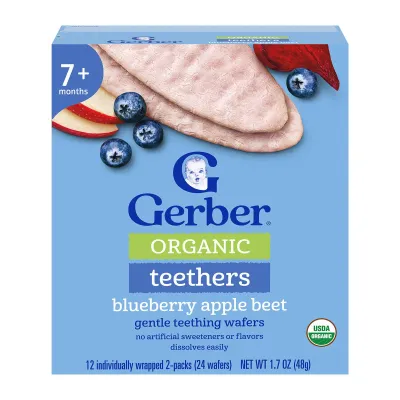
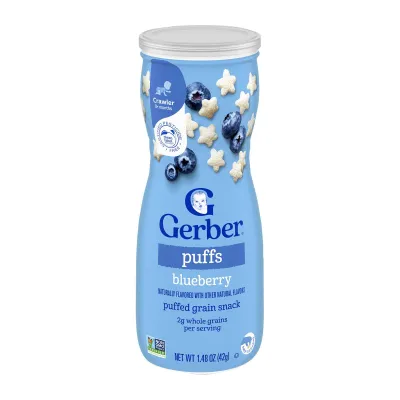
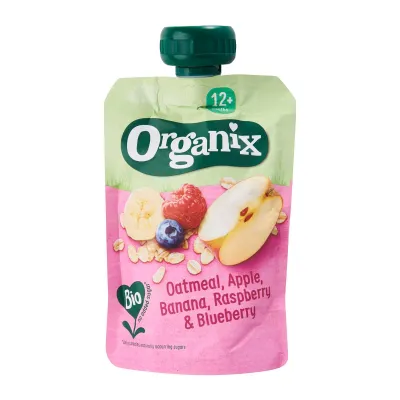
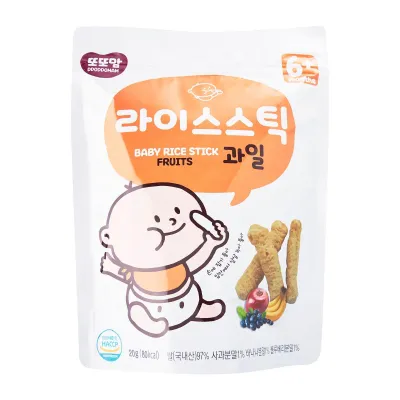
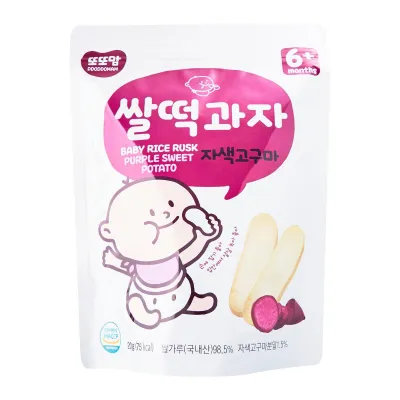
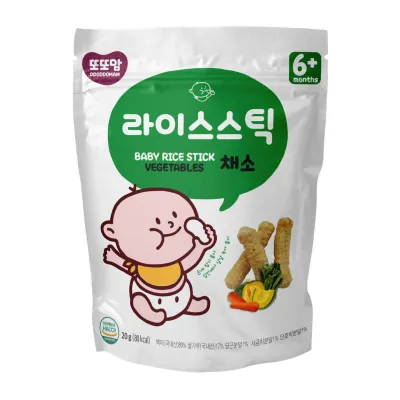
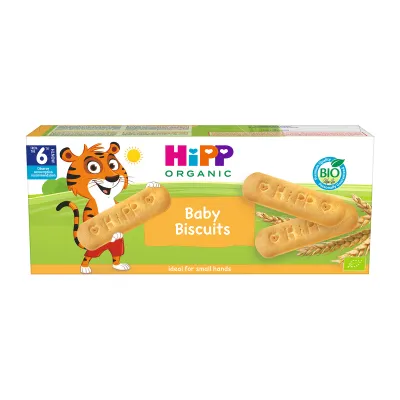
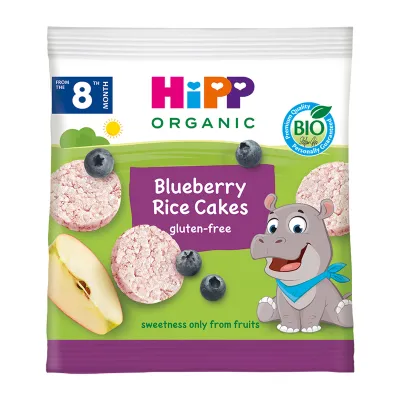
Prices are valid at publication and may change. Please refer to the product page for the latest price.
How to Tell If Your Baby Is Ready for Snacks
Before introducing any solid snacks, caregivers must look for specific physical milestones that indicate a baby’s digestive system and motor skills are mature enough to handle solids. The most critical physical milestone is the ability to sit upright with minimal support, either in a high chair or on a stable surface. This upright posture is essential for safe swallowing, as it allows gravity to assist in moving food down the esophagus and significantly reduces the risk of choking.
Another vital physical indicator is excellent head and neck control. A baby must be able to hold their head steady and turn it away when full, which is a key safety mechanism and a sign of neurological readiness. Additionally, the natural tongue-thrust reflex—which causes infants to automatically push solid objects out of their mouths with their tongues—must have largely disappeared. If a baby still pushes food out of their mouth when it is placed on their tongue, they are not yet ready for solid snacks.
Behavioral cues also play a major role in determining readiness. You may notice your baby watching you intently while you eat, reaching out for your plate, or making chewing motions with their mouth. When you offer a spoon or a small piece of food, a ready baby will actively open their mouth and lean forward rather than showing indifference or turning away. These behaviors demonstrate a cognitive interest in eating that matches their physical capability.
While these signs provide an excellent general framework, it is highly recommended to consult a pediatrician or a qualified healthcare professional before introducing snacks. This step is particularly crucial for babies who were born prematurely, as their developmental timeline may align more closely with their adjusted age rather than their chronological age. A professional evaluation ensures that any underlying health conditions or developmental delays are fully considered before expanding your baby’s diet.
6 to 8 Months: First Tastes and Gumming Textures
At the start of the solid food journey, typically between 6 and 8 months, a baby’s oral motor skills are limited to basic sucking and early gumming. During this stage, snacks must be exceptionally soft and easily dissolvable, requiring nothing more than saliva and gentle pressure from the gums to break down. Suitable options include smooth purees, very soft mashed fruits or vegetables, and specially formulated commercial melts or teething wafers that dissolve almost instantly upon contact with moisture.

The physical grasp of a baby at this age is known as the palmar grasp, where they use their entire fist to clutch objects. Because they cannot yet isolate their fingers to pick up small items, snacks must be shaped to accommodate this whole-hand grip. Long, thick strips or large sticks of food—such as a steamed carrot spear or a thick slice of avocado—are ideal because the baby can hold the bottom half in their fist while gnawing on the portion that protrudes from the top.
Safety is the absolute priority during this initial phase of snacking. Caregivers must strictly avoid foods that are hard, round, sticky, or crumbly, as these can easily block a baby’s small airway or cause them to inhale small particles into their lungs. Even when offering highly dissolvable or perfectly shaped foods, continuous and direct adult supervision is mandatory during every feeding session to ensure the baby remains safe and supported.
9 to 12 Months: Pincer Grasp and Meltable Snacks
As babies approach the 9 to 12-month mark, they undergo a significant fine motor transition characterized by the emergence of the pincer grasp. This milestone involves the ability to coordinate the thumb and forefinger to pick up small, individual objects. To support this developing skill, caregivers can transition from long strips of food to small, bite-sized pieces or specifically shaped commercial snacks, such as puffed grains or small O-shapes, that encourage precise finger coordination.
The textures offered during this stage should still prioritize safety while offering slightly more resistance to encourage early chewing motions. Look for snacks that melt easily in the mouth or soften rapidly when mixed with saliva, ensuring that if a baby swallows a piece whole, it will quickly dissolve rather than creating an obstruction. Soft-cooked vegetable pieces, ripe banana slices, or puffed baby snacks are excellent choices that balance developmental practice with safety.
This period is an ideal time to foster self-feeding habits, as babies are highly motivated to feed themselves using their newly acquired motor skills. While encouraging this independence is beneficial for their confidence and coordination, strict adult supervision must be maintained at all times. Caregivers should also carefully cross-reference product labels to ensure the snack’s texture and size match the baby’s current chewing capabilities rather than relying solely on the age printed on the front of the box.
13 to 18 Months: Chewing Practice and Self-Feeding
Between 13 and 18 months, toddlers begin to develop more advanced oral motor skills, including lateral tongue movements and the emergence of early molars. This physical progression allows them to move food from side to side in their mouths and practice actual chewing rather than simply mashing food against their gums. To support this stage, you can introduce slightly firmer textures and varied shapes that require active jaw movement, which helps build jaw strength and coordination.
Snacks for toddlers in this age bracket should promote independence while remaining easy to pick up, hold, and bite. Suitable options include soft-baked oat bars, small cubes of mild cheese, steamed broccoli florets, or thin slices of soft fruits like pears or peaches. These foods provide enough structural integrity for the toddler to practice biting off manageable pieces, which is a crucial step in learning how to pace their eating.
Despite their increased competence, toddlers are still at a high risk for choking because their airways remain narrow and they are easily distracted. Caregivers must continue to strictly avoid high-risk choking hazards, including whole nuts, whole grapes, popcorn, hard raw vegetables like raw carrots, and sticky candies. Additionally, when introducing new ingredients or complex snack blends, monitor closely for any signs of allergic reactions, and establish a clear rule to stop the feeding session immediately if the child shows signs of distress, fatigue, or an adverse physical reaction.
What to Look for on Baby Snack Labels and Packaging
Whether you are spending S$5 on a box of organic puffs or preparing homemade alternatives, reading and analyzing the ingredient list is one of the most important steps a caregiver can take. Many products marketed for babies contain hidden added sugars, excessive sodium, or artificial additives that are inappropriate for a young child’s developing organs and palate. It is essential to prioritize whole-food ingredients and avoid any products containing honey if your baby is under 12 months of age, as honey carries a risk of infant botulism.
Caregivers should also verify that the manufacturer’s age recommendations and texture descriptions align with their baby’s actual developmental milestones. A package might be labeled “for 8 months plus,” but if your 9-month-old is still struggling with the pincer grasp or has a sensitive gag reflex, that specific snack may not be appropriate yet. Always treat the age label as a secondary reference point and your baby’s physical abilities as the primary guide.
Finally, pay close attention to the packaging’s integrity and the manufacturer’s storage instructions. Check for clear allergen warnings, especially if your family has a history of food sensitivities, and establish a strict rule to discard any products with compromised packaging, broken seals, or missing safety indicators. Once a package of puffed snacks or wafers is opened, exposure to air can cause them to lose their crispness and become stale or chewy, which significantly increases the risk of choking; storing them in airtight containers is vital for maintaining safety.
Frequently Asked Questions (FAQ)
Can I give my baby the same snacks as the rest of the family?
While it may be tempting to share your own snacks with your baby, adult snacks are generally unsuitable due to their high levels of sodium, added sugars, and artificial preservatives. A baby’s kidneys are still maturing and cannot efficiently process large amounts of sodium, and early exposure to highly sweetened foods can negatively shape their taste preferences. Furthermore, the physical textures of adult snacks—such as hard pretzels, crunchy potato chips, or chewy granola bars—pose severe choking hazards for young children. If you want to share family foods, ensure they are prepared separately without added salt or sugar, and modify the texture to be soft and appropriately sized for your baby’s developmental stage.
What should I do if my baby gags on a new snack texture?
It is crucial to understand the difference between gagging and choking, as gagging is a normal, protective reflex that helps prevent choking by moving food forward in the mouth. When a baby gags, they will typically make coughing or sputtering noises, and their face may turn slightly red; in this scenario, the best approach is to remain calm, allow them to clear the food themselves, and avoid sticking your finger in their mouth, which could accidentally push the food further back. Conversely, choking is silent and dangerous, characterized by an inability to breathe, cry, or make sound, and the baby’s lips or skin may begin to turn blue. If your baby is gagging frequently or showing signs of distress, stop the feeding session immediately, adjust the food’s texture to be softer or smaller, and always seek emergency medical assistance if you suspect their airway is compromised.

Community discussion
Share your experience or ask a question. Comments are reviewed before publication.