
When selecting a waterproof mattress pad for your baby’s changing table, you must prioritize three core elements: an exact dimensional fit, a reliable and breathable waterproof barrier, and robust safety features that anchor the pad securely to your furniture. Diaper changes are a frequent, daily occurrence, and a well-chosen pad protects your furniture from moisture damage while keeping your nursery clean and hygienic. Because changing tables and dresser tops vary widely in design, finding a pad that matches your specific setup is essential for both convenience and safety.
In warm or humid climates, the choice of materials becomes even more critical. A pad that traps heat can cause your baby to sweat and become fussy during changes, turning a routine task into a challenge. By focusing on verifiable material specifications, precise physical measurements, and practical cleaning requirements, you can select a changing pad that integrates seamlessly into your daily routine and provides a stable, comfortable surface for your baby.
Measuring Your Changing Table for a Safe, Secure Fit
Before browsing online marketplaces or visiting local baby boutiques, you must obtain the exact physical dimensions of your changing table’s surface. Do not rely on generic terms like “standard size” or “universal fit,” as manufacturing standards vary across brands and regions. A pad that is too large will buckle, creating an uneven and unstable surface, while a pad that is too small will slide around, leaving dangerous gaps where a baby’s limbs could get pinched or trapped.
Products mentioned in this guide
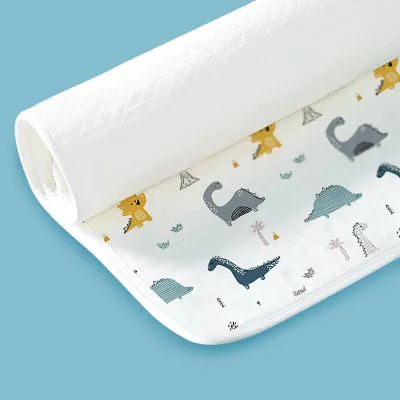
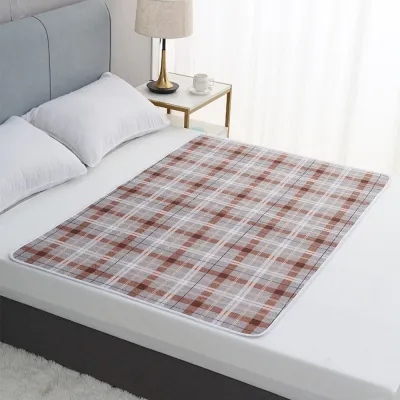
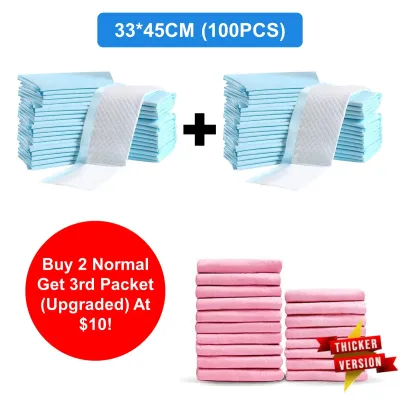
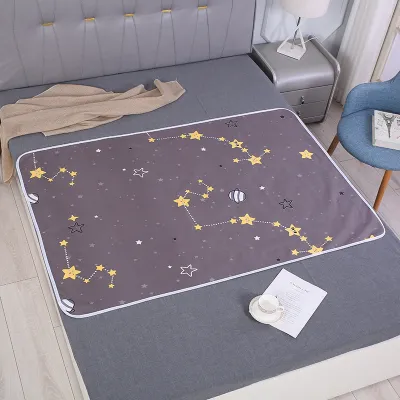
Prices are valid at publication and may change. Please refer to the product page for the latest price.
To get accurate measurements, use a metal measuring tape rather than a flexible cloth tape, which can stretch and give inaccurate readings. Measure the interior length and width of the changing table’s recessed area or the flat top of the changing dresser. If your changing table features a wooden frame or safety barrier, measure the depth of this barrier as well. The height of your changing pad should not exceed the height of the protective wooden barrier, as this would compromise the roll-prevention benefits of the table’s raised sides.
Consult your changing table’s original instruction manual or the manufacturer’s official website to check for recommended pad specifications. Manufacturers often design their tables to accommodate a specific thickness or weight limit to maintain structural stability. If you are placing a changing pad on top of a standard chest of drawers, ensure the dresser’s depth can fully support the pad without any front or rear overhang. Any overhang creates a tipping hazard when weight is applied to the edge of the pad.
In compact living spaces where multi-functional furniture is common, you might use a cot-top changer or a folding changing station. These specialized setups require even stricter adherence to dimensional limits. A pad that extends beyond the supported frame of a cot-top changer can cause the entire unit to tilt. Always verify that the pad’s base sits entirely flat on the solid support structure of your changing surface, with zero suspension over open air.
Comparing Waterproof Core Materials and Breathability
The waterproof core is the functional heart of the changing pad, responsible for blocking liquids from reaching the underlying foam and furniture. When evaluating different pads, look closely at the product labels to identify the specific waterproofing technology used. Common materials include Thermoplastic Polyurethane (TPU), Polyethylene Vinyl Acetate (PEVA), and traditional Polyvinyl Chloride (PVC). Understanding the physical properties of these materials helps you choose a pad that balances durability with comfort.

TPU is a popular choice because it is heat-bonded to the fabric layer rather than chemically glued, resulting in a flexible, quiet barrier that does not make loud crinkling noises when the baby moves. PEVA is another common vinyl alternative that offers excellent water resistance and is easy to wipe clean, though it tends to be slightly stiffer than TPU. Traditional PVC is highly durable and completely waterproof, but it is often stiffer and less breathable, which can lead to heat retention.
Breathability is a key factor in keeping your baby comfortable, especially during longer changing sessions or in warm, tropical environments. When a waterproof barrier completely seals off airflow, body heat becomes trapped between the baby and the pad, leading to sweating and skin irritation. Look for advanced laminate barriers that feature microscopic pores; these pores are small enough to block liquid water molecules but large enough to allow water vapor and air to pass through, helping to regulate the temperature of the changing surface.
To ensure the materials used in the core meet strict safety guidelines, look for independent, third-party certifications rather than relying on vague marketing claims like “eco-friendly” or “chemical-free.” Certifications such as GREENGUARD Gold or OEKO-TEX Standard 100 indicate that the product has been tested for emissions of volatile organic compounds (VOCs) and harmful substances. You can verify these certifications by searching the manufacturer’s name or the product’s unique certification number directly on the official registry databases of these certifying bodies.
Choosing the Right Top Cover for Comfort and Quick Cleanup
While the waterproof core protects the furniture, the top cover is the surface that directly contacts your baby’s sensitive skin. The ideal cover must balance tactile softness with practical maintenance. If the surface is too rough, it can cause friction rash on a baby’s delicate skin; if it is too difficult to clean, it will add unnecessary stress to your daily laundry routine.
Common top cover materials include organic cotton terry, bamboo-derived rayon, polyester minky, and direct-wipe polyurethane surfaces. Cotton and bamboo-derived fabrics offer excellent natural softness and absorbency, which helps catch minor spills before they run off the pad. However, these fabric surfaces require regular machine washing. Polyester minky is incredibly soft and plush, making it highly comfortable for the baby, but it tends to hold onto heat and stains more than natural fibers. Direct-wipe surfaces, such as smooth TPU or vinyl, allow you to sanitize the pad instantly with a baby wipe, but they can feel cold or sticky against bare skin.
To get the best of both worlds, many parents choose a contoured foam pad with a permanently sealed, wipeable cover, and then place a removable, machine-washable fabric cover over it. If you opt for a removable cover, inspect the washing instructions carefully. Ensure the cover can withstand frequent, high-temperature machine washes and tumble drying without shrinking, as a shrunken cover will compress the foam pad and cause it to warp or slide.
When evaluating removable covers, pay close attention to the construction quality. Look for reinforced, double-stitched seams that can handle the tension of being pulled on and off the pad repeatedly. Check the closures as well; high-quality zippers should be recessed or covered by a fabric flap to prevent the metal or plastic teeth from scratching your baby’s skin or snagging on the changing table frame. If the cover uses elastic edges instead of a zipper, ensure the elastic is thick and tight enough to wrap completely under the pad without slipping.
Evaluating Safety Features: Contours, Straps, and Non-Slip Backing
A changing pad must remain completely stationary while in use, even when a baby is wiggling or rolling. Physical design elements are your primary defense against accidental slips and falls. The first design choice is between a flat pad and a contoured pad. Contoured pads typically feature raised longitudinal sides (two-sided contour) or raised edges on all four sides (four-sided contour), creating a shallow cradle that naturally encourages the baby to remain in the center of the pad.
If you choose a contoured pad, verify that the slope of the contour matches the shape of your changing table. A deep contour on a narrow table can cause the pad to pinch upward at the bottom, reducing the flat surface area available for the baby to lie on. Conversely, a flat pad is highly versatile and fits almost any flat surface, but it offers no physical barrier to prevent rolling, making it suitable only if your changing table already has high, built-in wooden safety rails.
To keep the pad anchored to the furniture, look for robust securing mechanisms. Many high-quality pads feature anchor straps attached to the underside of the pad. These straps are designed to be screwed directly into the back of your wooden changing table or dresser, preventing the pad from sliding forward or tipping. If you prefer not to screw into your furniture, look for pads equipped with heavy-duty non-slip backing materials, such as textured silicone grip dots or high-friction rubberized bases that cling to polished wood or painted MDF surfaces.
In addition to furniture-anchoring straps, most changing pads include an adjustable safety strap with a buckle that wraps around the baby’s torso. Inspect the buckle mechanism to ensure it is easy to secure and release with one hand, as your other hand should always remain on your baby. Remember that these safety straps are designed to assist you, not to replace active adult supervision. Never leave your baby unattended on a changing table, even for a second, regardless of how many straps and safety features the pad possesses.
Building Your Shortlist: What to Verify Before Checkout
Once you have narrowed down your options based on dimensions, materials, and safety features, it is time to finalize your decision. Create a checklist to verify the specifications of your top candidates before making a purchase. This systematic approach ensures you do not overlook minor details that could affect the pad’s daily usability or safety.
First, double-check the exact measurements of your selected pad against your changing table measurements. Confirm that the pad’s length and width are within a five-millimeter tolerance of your table’s interior dimensions. Next, verify the cleaning instructions on the manufacturer’s official product page. If you do not have easy access to a washing machine or prefer a low-maintenance routine, prioritize pads that can be fully sanitized with a simple wipe-down rather than those requiring complex laundering steps.
Before purchasing from an online marketplace or local retailer, review their return and exchange policies. Even with careful measurement, you may find that the physical stiffness of the pad or the placement of the anchor straps does not align perfectly with your specific furniture model. A flexible, hassle-free return policy allows you to test the fit at home without financial risk.
Finally, read recent user reviews, specifically filtering for feedback from parents who have used the pad for several months. Look for comments regarding how well the waterproof layer holds up after repeated washings, whether the seams show signs of fraying, and if the non-slip backing remains effective over time. Paying attention to these real-world observations will help you choose a durable, reliable waterproof mattress pad that keeps your baby comfortable and your nursery clean.
Frequently Asked Questions (FAQ)
Can I use a standard crib mattress pad on a changing table?
You should not use a standard crib mattress pad on a changing table. Crib mattress pads are significantly larger than changing tables, typically measuring around 130 centimeters by 70 centimeters, whereas standard changing table surfaces are much smaller. Attempting to fold or bunch a large crib pad to fit a changing table creates an uneven, unstable surface with dangerous folds and lumps. These folds can trap air, create suffocation hazards, or cause your baby to roll unexpectedly. Additionally, an oversized pad will overhang the edges of the table, making it easy to pull off accidentally and compromising the safety of the entire changing station.
How often should I replace the waterproof changing pad?
You should replace your waterproof changing pad as soon as you observe any signs of physical wear or structural degradation. Inspect the pad regularly for cracking, peeling, or tearing in the waterproof laminate layer, as these openings allow liquids to seep into the inner foam, creating an environment where mold and bacteria can grow. Other indicators for replacement include broken safety buckles, frayed anchor straps, or persistent odors that remain even after thorough cleaning. If the inner foam loses its resiliency and no longer springs back, or if the pad develops a permanent indentation, it can no longer provide a flat, supportive surface and should be replaced immediately.
Are wipeable covers better than machine-washable fabric covers?
Neither cover type is universally better; the right choice depends on your daily routine, laundry capacity, and your baby’s skin sensitivity. Wipeable covers, typically made of smooth polyurethane or vinyl, offer unmatched convenience because you can sanitize them instantly with a baby wipe, making them ideal for quick cleanups during messy diaper changes. However, they can feel cold and sticky against a baby’s bare skin. Machine-washable fabric covers, such as cotton terry or bamboo, provide a much softer, warmer, and more comfortable surface for your baby, but they require regular laundering and can stain easily. Many parents find the most practical solution is to use a wipeable pad as the base and place a soft, easily removable fabric cover on top, keeping a few spare covers on hand for quick swaps.

Community discussion
Share your experience or ask a question. Comments are reviewed before publication.