
Selecting the right waterproof mat for a baby changing table in Singapore involves balancing safety, comfort, and practical maintenance. With diaper changes occurring multiple times a day, caregivers need a reliable, hygienic surface that can withstand frequent spills while keeping the infant secure. In Singapore’s warm and humid climate, material choice becomes even more critical, as moisture retention can quickly lead to mold or mildew if the mat is not properly ventilated or cleaned.
Rather than searching for a single universal option, parents should focus on finding a mat that matches the exact dimensions of their changing furniture, features a robust waterproof barrier, and aligns with their daily cleaning preferences. A high-quality changing mat serves as the primary interface between your baby and the changing table, providing a stable, non-slip foundation that prevents sudden movements from shifting the pad.
By understanding the key differences in materials, sizing, and safety features, you can make an informed decision that ensures a safe, comfortable, and highly functional diapering station in your home. This guide outlines the essential factors to verify before purchasing, helping you navigate the options available in local stores and online marketplaces.
Products mentioned in this guide
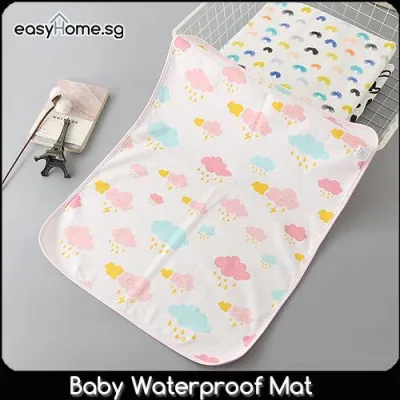
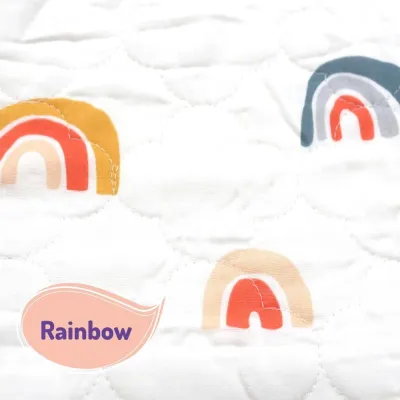
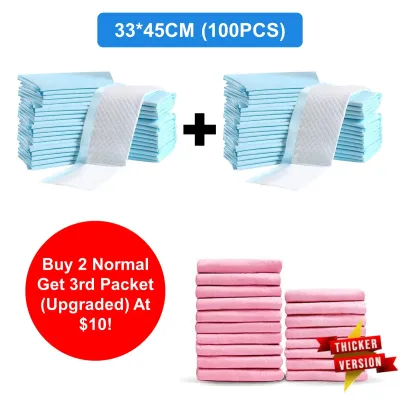
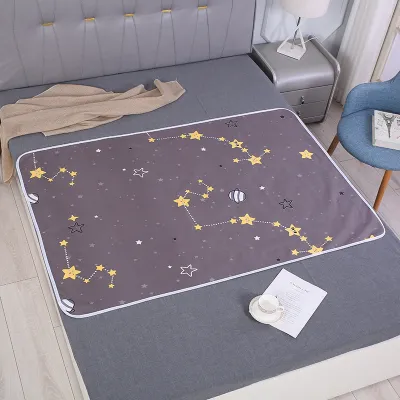
Prices are valid at publication and may change. Please refer to the product page for the latest price.
Key Features to Look for in a Changing Table Mat
When evaluating different waterproof mats, the surface material is one of the most important factors to consider. Wipeable materials such as polyurethane (PU) or ethylene-vinyl acetate (EVA) are highly popular because they allow you to clean up messes instantly with a simple wipe. These materials do not absorb liquids, making them exceptionally hygienic for quick cleanups during busy days.
However, in air-conditioned nurseries, these synthetic surfaces can sometimes feel cold or sticky against a baby’s bare skin. To counter this, some parents opt for fabric covers with integrated waterproof linings. While these covers offer a softer, warmer texture for the baby, they require regular machine washing, meaning you will need to purchase multiple covers to ensure you always have a clean one available during laundry cycles.
Safety features should always take precedence over aesthetics when choosing a changing mat. Look for mats that feature a non-slip base, often constructed with rubberized grips, textured patterns, or high-friction materials on the underside. This prevents the mat from sliding across the smooth wooden or laminate surface of the changing table when the baby wiggles or rolls.
Additionally, many mats come equipped with integrated safety straps featuring adjustable buckles. These straps are designed to wrap gently around the baby’s torso to provide an extra layer of security during diaper changes. Always consult the manufacturer’s instructions to understand how to properly adjust and secure these straps, keeping in mind that they are meant to assist, not replace, active caregiver supervision.
The balance between firm support and comfortable cushioning is another critical design element. While it might be tempting to choose the softest, most plush mat available, pediatric safety guidelines generally recommend a firm surface for infants. A high-density foam core provides the necessary structural support to keep the baby’s body properly aligned and prevents them from sinking too deeply into the pad.
Sizing and Fit for Standard Changing Tables
Before purchasing any waterproof changing mat, it is essential to take precise measurements of your changing table’s top surface. Many dedicated changing tables and dresser-top changers feature raised wooden borders, safety rails, or contoured lips designed to keep the changing pad securely enclosed. Measure the interior length, width, and depth of this enclosed area rather than the exterior dimensions of the furniture.

The changing mat must fit snugly within these boundaries; a mat that is too large will bunch up at the edges, creating an uneven and unstable surface. Conversely, a mat that is too small may slide around, leaving dangerous gaps where a baby’s limbs could get pinched. Aim for a precise fit that leaves minimal clearance between the mat and the surrounding rails.
Understanding the structural differences between contoured pads and flat pads will help you choose the right fit for your furniture. Contoured changing pads typically feature raised sides—either two-sided or three-sided designs—that create a shallow, secure valley to help keep the baby centered on the mat. These are highly compatible with standard changing tables that have open sides or lower safety rails.
Flat pads, on the other hand, offer a uniform surface and are often more versatile, making them easier to transition to floor use, travel, or placement on wider dresser tops. When choosing between these styles, ensure that the height of the contoured edges or the flat pad does not exceed the height of your changing table’s wooden safety barriers, as maintaining a proper barrier height is crucial for preventing falls.
Another critical aspect of fit is the placement of security straps and anchor points. Many high-quality changing mats include long fabric straps attached to the underside or back of the pad. These straps are designed to be screwed or fastened directly to the back of the changing table or dresser to anchor the mat firmly in place. Before buying, inspect your changing table to locate the designated anchor points or verify if the furniture’s design allows for secure strap attachment.
Material Safety and Daily Maintenance
Because your baby’s skin will come into direct contact with the changing mat multiple times a day, verifying material safety is a top priority. Carefully review product labels, packaging, and manufacturer documentation for detailed material disclosures. Look for products that are certified to be free from harmful substances such as phthalates, lead, heavy metals, and chemical flame retardants.
Since safety standards and certifications can vary globally, take the time to verify these claims on the manufacturer’s official website or look for recognized independent textile certifications, such as OEKO-TEX Standard 100, which indicate that the product has been tested for harmful substances. Never assume a product is safe based solely on its brand name or marketing claims.
Establishing a consistent and safe cleaning routine is vital for maintaining the hygienic integrity of your waterproof mat. For wipeable surfaces like PU or EVA, a daily wipe-down with a soft cloth dampened with warm water and a mild, baby-safe soap is usually sufficient to remove surface residue. If you use fabric covers, wash them regularly according to the manufacturer’s care label, using a gentle, fragrance-free detergent.
In Singapore’s humid climate, it is incredibly important to allow both the mat and the wooden surface of the changing table to dry completely before putting them back together. Trapping moisture between a waterproof backing and a wooden table creates an ideal breeding ground for mold and mildew, which can damage your furniture and pose health risks to your infant.
To preserve the waterproof coating and extend the lifespan of your mat, avoid using harsh household chemical cleaners, bleach, or alcohol-based sanitizing wipes unless they are explicitly recommended by the manufacturer. These strong chemicals can break down the protective polyurethane or vinyl layers over time, leading to cracking, peeling, and a loss of waterproof capability. Once the waterproof barrier is compromised, moisture can seep into the inner foam core, which is extremely difficult to dry and can lead to internal mold growth.
Building Your Shortlist: What to Check Before Buying
When compiling a shortlist of potential waterproof mats from online marketplaces, local baby boutiques, or department stores, it is highly beneficial to look beyond promotional descriptions and analyze real user reviews. Search for feedback from parents who have used the mat for several months. Pay close attention to recurring complaints regarding structural durability, such as safety straps snapping, seams splitting open after minimal use, or the waterproof outer layer cracking and peeling.
Given the precise sizing requirements of changing tables, always verify the retailer’s return and exchange policies before making a purchase. Even with careful measurements, you may find that a mat does not sit perfectly flat or secure on your specific furniture piece once delivered. Ensure that the retailer allows returns or exchanges for unused items in their original packaging so you can swap it for a better-fitting model if necessary.
Additionally, check the manufacturer’s warranty terms; a reputable brand will often provide a warranty covering manufacturing defects, seam failures, or premature material degradation, giving you peace of mind regarding your investment. Depending on the brand and features, you can expect to budget anywhere from S$30 to S$80 for a high-quality, durable changing mat.
Finally, consider the long-term usability and versatility of the changing mat. While its primary role is to serve as a secure diapering surface on your changing table, some mats are designed with portability and multi-purpose use in mind. Lightweight, flat waterproof mats can easily transition to the living room floor for tummy time, serve as a clean surface for baby massage, or be packed into a diaper bag for travel and outdoor outings once your child outgrows the changing table.
Frequently Asked Questions (FAQ)
Can I use a standard waterproof mattress protector on a changing table?
Using a standard crib or single-bed waterproof mattress protector on an elevated changing table is not recommended and can pose significant safety risks. Mattress protectors are designed for flat, stationary sleeping surfaces and lack the structured, high-density foam support, non-slip backing, and integrated safety straps required to keep a baby secure on an elevated changing table. A loose-fitting protector can easily slide, bunch up, or shift during a diaper change, potentially causing the baby to lose balance. Always follow the manufacturer’s guidelines for your changing table and use a dedicated, properly sized changing mat that is designed specifically for elevated use and can be securely anchored to the furniture.
How often should I replace the waterproof changing mat?
There is no set calendar timeline for replacing a waterproof changing mat; instead, its lifespan depends on the frequency of use, the quality of the materials, and how well care instructions are followed. You should inspect the mat regularly for visible signs of wear and tear. Replace the mat immediately if you notice deep cracks in the waterproof outer layer, peeling or fraying seams where moisture can penetrate, or any damage to the safety straps and buckles. In Singapore’s humid climate, you must also watch closely for any signs of mold or mildew growth that cannot be completely cleaned, as a compromised mat can harbor bacteria and compromise your baby’s hygiene.
Are contoured changing mats safer than flat ones?
Contoured changing mats with raised sides are designed to help keep your baby centered on the pad, but they do not prevent a baby from rolling over completely and must never be viewed as a substitute for active caregiver supervision. A baby should never be left unattended on any changing surface, regardless of its shape. The safety of a changing mat depends primarily on using the integrated safety straps correctly, ensuring the mat is securely anchored to the changing table frame, and maintaining physical contact with your baby at all times. Choose a mat shape that matches the specific design parameters and safety rail height of your changing table to ensure a secure and stable setup.

Community discussion
Share your experience or ask a question. Comments are reviewed before publication.