
A reliable waterproof changing pad is a cornerstone of a functional nursery, protecting your furniture while keeping your baby comfortable during diaper changes. In Singapore’s warm and humid climate, frequent diaper changes and clothing adjustments are a daily reality. Finding a pad that balances hygiene, safety, and ease of cleaning is essential for a smooth routine. The ideal choice depends on your specific home setup—whether you have a dedicated wooden changing table, a chest of drawers converted into a changing station, or require a highly portable solution for outings around the city. By focusing on certified non-toxic materials, secure safety features, and robust waterproof barriers, you can build a practical shortlist that fits your nursery setup and lifestyle.
Key Features to Look for in a Waterproof Changing Pad
To select the right changing pad, parents must evaluate several core features that directly impact daily usability, infant safety, and long-term durability. Diaper changes occur multiple times a day, making the physical design and material composition of the pad highly influential in your daily routine.
Material Safety and Comfort
The primary surface of the changing pad comes into direct contact with your newborn’s delicate skin. Parents generally choose between two main surface types: wipeable synthetic surfaces and removable, washable fabric covers. Wipeable synthetic surfaces, such as polyurethane (PU) or vinyl, offer excellent waterproof performance and can be sanitized instantly with a gentle wipe. However, it is crucial to verify that these materials are free from harmful chemicals, phthalates, and heavy metals. Look for manufacturer certifications or product labels indicating chemical safety. On the other hand, removable fabric covers, often made of organic cotton or bamboo terry with an underlying waterproof laminate, provide a softer, warmer surface for the baby. While comfortable, they require regular laundering, meaning you will need to purchase multiple covers to manage inevitable leaks and spills.
Products mentioned in this guide
![[3 for $9.90] Waterproof Reusable Baby Diaper Changing Mats 50x70cm Pads For Nappy Change Sleep Travel Friendly](https://img.lazcdn.com/g/p/ba28990d9633c658b020b357371c8a1e.png_400x400q80.png_.webp)
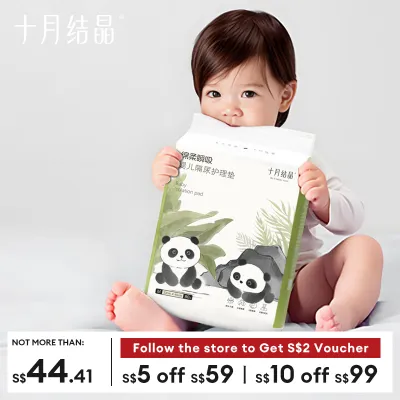
![[SG Seller]Disposable Sheet/baby changing pad/Underpads/maternity pad/diaper changing pad/Pet pad/diaper changing pad](https://img.lazcdn.com/g/p/98b6308018da96ec0e340934b88f4b41.png_400x400q80.png_.webp)
Prices are valid at publication and may change. Please refer to the product page for the latest price.
Security Features
Safety is paramount when elevating a baby on a changing table or dresser. High-quality changing pads incorporate specific design elements to minimize the risk of falls. Contoured edges, typically featuring raised sides, help keep the baby centered on the pad and discourage rolling. Additionally, look for integrated safety straps with durable buckles that secure the infant gently across the torso. The base of the pad should also feature non-slip materials or grip strips to prevent the entire pad from sliding across the furniture surface. Some models include physical anchor straps or screws designed to secure the pad directly to the back of the changing table or dresser, providing an extra layer of stability.
Practicality and Maintenance
A practical changing pad must withstand frequent exposure to moisture, stains, and cleaning agents without degrading. Evaluate the ease of cleaning by checking the manufacturer’s instructions. Seamless designs or pads with heat-sealed seams are highly effective at preventing liquids from seeping into the inner foam core, which can lead to mold and bacterial growth. Stain resistance is another critical factor; some synthetic surfaces are treated to resist discoloration from diaper creams and waste. Finally, consider the physical dimensions of the pad to ensure it fits flush within your nursery furniture, leaving no dangerous gaps where a baby’s limbs could become trapped.
Types of Waterproof Changing Pads for Different Needs
Different lifestyles and nursery configurations require distinct styles of changing pads. Understanding the primary categories allows you to select a product that integrates seamlessly into your home environment and daily schedule.

Contoured Stationary Pads for Dressers
Contoured stationary pads are designed for permanent placement on top of a dedicated changing table or a standard chest of drawers. These pads typically feature a thick, supportive foam core with raised curved edges on two or three sides, creating a secure cradle for your newborn.
The primary advantage of a contoured stationary pad is its structural stability. The raised edges provide a physical barrier that helps keep a squirming baby centered, which is particularly helpful as your infant grows and becomes more active. The thick foam cushioning offers excellent support for the baby’s head and spine during changes on hard wooden furniture.
When choosing a stationary pad, precise measurement is critical. You must measure the top surface of your dresser or changing table and compare it with the pad’s dimensions. The pad must sit completely flat and flush within the safety rails of your changing station, without any overhang or sliding room. This setup is ideal for parents who have a dedicated nursery room and prefer a centralized, highly organized station where all diapering supplies are kept within arm’s reach.
Portable and Foldable Pads for Travel
For families on the move or those living in compact apartments where space is at a premium, portable and foldable changing pads offer a flexible alternative to bulky stationary models. These lightweight pads are designed to fold down into a size that fits easily into a diaper bag or stroller basket.
Portable pads often feature integrated folding mechanisms, such as hook-and-loop fasteners or snap buttons, to keep them securely closed when not in use. Many designs include built-in storage pockets or mesh compartments to hold a small supply of diapers, travel wipes, and diaper cream, transforming the pad into a self-contained changing kit.
When evaluating portable options, pay close attention to the thickness and quality of the inner cushioning. Because these pads are frequently used on varied and potentially hard surfaces—such as public changing tables, park benches, or vehicle seats—they must provide sufficient padding to protect your baby’s head and back. Look for water-resistant, wipeable fabrics on both the inner and outer surfaces to ensure quick cleanup and hygienic storage after use.
Washable and Disposable Liners for Extra Protection
Waterproof liners are versatile accessories that can be used independently or layered on top of a primary changing pad to simplify the cleanup process and protect your investment.
Reusable, machine-washable waterproof mats are typically constructed with a soft fabric top layer, an absorbent middle layer, and a waterproof backing. These liners are highly eco-friendly and can be tossed directly into the washing machine after a messy change. By placing a washable liner on top of your main contoured pad, you can catch minor leaks and spills instantly, reducing the frequency with which you need to wipe down or wash the main pad cover.
Disposable absorbent pads offer maximum convenience, particularly during high-mess situations, illness, or travel. These single-use liners feature a soft top sheet, an absorbent pulp core, and a waterproof plastic backing. They can be spread over any surface—including beds, sofas, or carpets—to create an instant, hygienic changing area, and simply discarded after use. Layering these liners effectively minimizes deep cleaning tasks, helping to extend the lifespan of your primary changing equipment.
How to Build Your Shortlist: What to Check Before Buying
Creating a shortlist of potential changing pads requires systematic verification of product specifications, safety standards, and practical details. Taking the time to verify these factors ensures you select a safe, high-quality product that fits your budget and lifestyle.
First, verify the manufacturer’s specifications directly on the product label or official brand listing. Check the recommended age and weight limits to ensure the pad is suitable for a newborn and will accommodate your baby’s growth over the coming months. Carefully review the material composition and care instructions; look for clear guidelines on how to clean the waterproof layer and whether any removable covers are machine-washable.
Second, inspect the physical security features of the pad. If you are shopping in a physical baby boutique in Singapore, test the durability of the safety straps, the strength of the buckles, and the security of the anchor points. If purchasing online, examine high-resolution product images and user manuals to confirm how the pad secures to furniture. Ensure the non-slip backing is robust and effective on smooth wooden or laminate surfaces.
Third, compare prices across authorized baby retailers and reputable e-commerce platforms operating in Singapore. Keep in mind that lower initial prices on online marketplaces may be offset by high international delivery fees or restrictive return policies. Factor in the cost of necessary accessories, such as additional fitted covers or waterproof liners, to determine the true total cost of ownership.
Finally, read verified user reviews with a specific focus on long-term durability. Look for feedback regarding how well the waterproof surface holds up after months of daily wiping, whether the seams remain intact or begin to split, and if the material retains odors or stains over time. Real-world parent experiences are invaluable for identifying potential quality issues that may not be apparent from official product descriptions.
Safe Use and Maintenance Tips for Changing Pads
Even the highest-quality changing pad requires proper usage and regular maintenance to ensure your baby’s safety and maintain a hygienic environment. Adhering to established safety practices and care routines prevents accidents and extends the life of your gear.
The most critical safety rule of diaper changing is to never leave your baby unattended on an elevated surface, even for a split second. Newborns can move unexpectedly, and as they grow, they develop the ability to roll over suddenly. Always keep at least one hand securely on your infant during the entire changing process, regardless of whether you have fastened the safety straps. Prepare all necessary supplies—such as clean diapers, wipes, creams, and a change of clothes—and place them within your reach before laying your baby down on the pad.
Proper cleaning is essential to prevent the buildup of bacteria, mold, and unpleasant odors. Always follow the specific manufacturer care labels for cleaning instructions. For wipeable synthetic pads, a simple routine of wiping down the surface with mild soap and warm water after each use is generally sufficient. Avoid using harsh chemical disinfectants, bleach, or abrasive scrubbing brushes, as these can degrade the waterproof coating, cause the material to crack, or leave chemical residues that could irritate your baby’s skin. Allow the pad to air dry completely in a well-ventilated area before placing any covers or liners back on top.
Regularly inspect your changing pad for signs of wear and tear. Over time, frequent cleaning and exposure to moisture can cause waterproof layers to crack, seams to peel or fray, and safety straps to lose their elasticity or grip. If you notice any compromised areas where moisture could penetrate the inner foam core, or if the safety buckles no longer latch securely, it is time to replace the changing pad immediately to maintain safety and hygiene.
Frequently Asked Questions (FAQ)
Do I really need a contoured changing pad, or is a flat one safe?
While flat changing pads can be used safely, contoured changing pads are highly recommended for elevated surfaces like changing tables or dressers. The raised, curved edges of a contoured pad provide a physical barrier that helps prevent your baby from rolling off the sides. If you choose to use a flat pad, you must exercise extreme caution: ensure the pad is placed on a secure, low surface like the floor or a wide bed, always use the safety straps, and strictly adhere to the rule of keeping one hand on your baby at all times during the change.
How do I clean a waterproof changing pad without damaging the material?
To clean your waterproof changing pad safely, always refer to the manufacturer’s specific care label. For most wipeable pads, the best method is to use a soft cloth dampened with warm water and a mild, baby-safe soap. Gently wipe down the surface to remove any residue, then wipe again with a clean, damp cloth to remove any soap film. Avoid harsh household cleaners, alcohol-based wipes, bleach, and abrasive sponges, as these can strip the waterproof laminate, cause synthetic materials to crack, and potentially irritate your newborn’s sensitive skin.
Can I use a regular waterproof mattress protector as a changing pad?
While a regular waterproof mattress protector or bed pad can prevent liquids from reaching your furniture, it is not a suitable substitute for a dedicated changing pad. Mattress protectors lack the essential safety features of a purpose-built changing pad, such as contoured safety edges, secure safety straps with buckles, and non-slip backings to prevent sliding. Additionally, mattress protectors do not provide the thick, supportive foam cushioning necessary to keep your newborn comfortable and safe on hard furniture surfaces during diaper changes.

Community discussion
Share your experience or ask a question. Comments are reviewed before publication.