
Transitioning your toddler from diapers to standing potty training is a major developmental milestone that requires patience, encouragement, and the right tools. A dedicated urinal for kids can make this process significantly smoother, encouraging independence while helping your child transition to standard bathroom fixtures. When choosing the right model, you need to balance your child’s physical comfort with practical household considerations like bathroom space, ease of cleaning, and material safety. Focusing on key features such as mounting stability, splash protection, and removable components will help you find a durable solution that fits your home seamlessly.
By understanding the structural differences between various models, you can select a product that matches your child’s developmental stage and your bathroom’s layout. Taking the time to evaluate these features beforehand prevents common frustrations, such as unstable mounts, messy spills, or difficult cleaning routines, ensuring a positive and hygienic training experience for both you and your toddler.
Essential Design Features for Stability and Comfort
When selecting a urinal for kids, stability is the most critical factor to consider. A wobbling or tipping urinal can startle a toddler, potentially setting back their potty training progress. The two primary designs available are wall-mounted models and freestanding models, each offering distinct advantages depending on your bathroom setup. Wall-mounted models typically use suction cups or adhesive hooks to attach directly to the wall or the side of a standard toilet. These are highly space-efficient, making them ideal for compact bathrooms where floor space is at a premium. However, their stability depends entirely on the surface quality of your tiles and the strength of the mounting mechanism.
Products mentioned in this guide
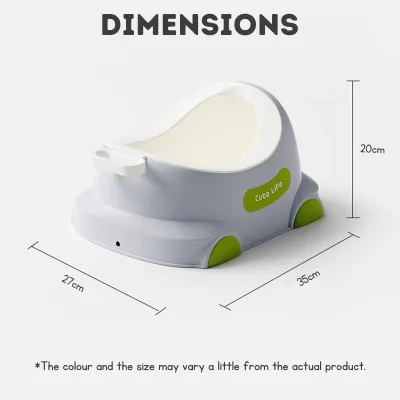
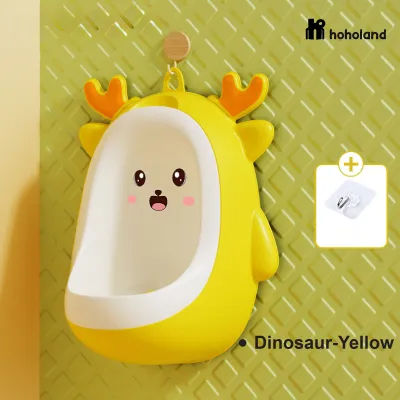

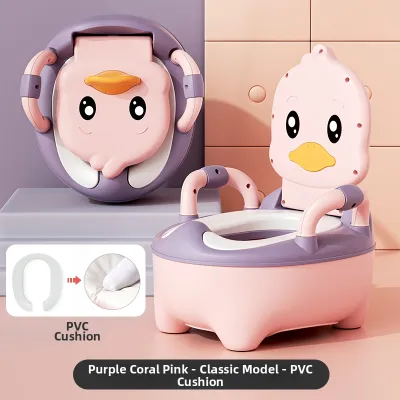
Prices are valid at publication and may change. Please refer to the product page for the latest price.
Freestanding models, on the other hand, sit directly on the bathroom floor. They require a wider footprint to remain stable but offer the flexibility of being moved easily between different bathrooms or rooms. When evaluating freestanding units, look closely at the base design. A wide, flared base lowers the center of gravity, making the unit less likely to tip over if your toddler accidentally bumps into it. Anti-slip rubber pads or weighted bases are essential features to check, as they prevent the urinal from sliding across wet bathroom floors during use.
Height adjustability is another critical factor for long-term comfort. Children grow rapidly, and a urinal that is the perfect height today might cause uncomfortable bending or reaching in just a few months. Wall-mounted models naturally offer excellent height flexibility because you can reposition the suction cups or adhesive mounts higher up the wall as your child grows. For freestanding models, look for designs that feature adjustable legs, modular riser blocks, or multiple mounting slots on the back that allow the unit to transition from a floor-standing model to a wall-hung unit.
The physical footprint of the urinal should match your specific bathroom layout. In smaller bathrooms, a bulky freestanding unit can obstruct walkways or interfere with access to the main toilet. Measure the floor area carefully, keeping in mind that your child needs enough clearance space to stand comfortably in front of the unit without feeling cramped against walls or cabinets. Ensuring a comfortable, unhurried stance is key to helping your child relax and use the urinal successfully.
Splash Guards and Hygiene Management
Potty training is inherently messy, but the right design features can significantly reduce daily cleanup time. The splash guard is your first line of defense against spills and drips. When comparing models, look for a front guard that is sufficiently high and wide, with a subtle inward-curving lip. This shape helps redirect liquid back into the basin rather than allowing it to splash outward onto the floor, walls, or your child’s clothing. A poorly designed splash guard can lead to frequent cleanups, which can frustrate parents and discourage toddlers.

The mechanism for emptying the urinal is equally important for maintaining a hygienic bathroom environment. Avoid models that require you to unmount or lift the entire unit to empty it, as this drastically increases the risk of accidental spills. Instead, prioritize designs with a completely removable inner bowl or basin. This allows you to lift out only the collection container, carry it to the main toilet for disposal, and rinse it out quickly in the sink without disturbing the main mounting structure.
Examine the interior surfaces of the basin before making a decision. The plastic should be completely smooth, with no sharp corners, deep crevices, or decorative indentations where residue can collect. Seamless designs prevent urine from pooling in hard-to-reach spots, which is the primary cause of lingering odors and bacterial growth over time. A smooth surface also makes wiping down the unit much faster and more effective.
Consider the drainage design if you are looking at more advanced models. Some toddler urinals feature a small drain hole at the bottom that connects to a flexible tube, allowing waste to drain directly into a floor trap or the main toilet. While this eliminates the need to empty a basin manually, it requires a compatible bathroom layout and regular flushing of the tube to prevent blockages and odor buildup. For most households, a simple, high-quality removable basin remains the most straightforward, reliable, and hygienic option.
Material Safety and Durability Checks
Because your child’s skin will come into direct contact with the urinal, verifying material safety is a top priority. Always inspect the product packaging, labels, or manufacturer specifications to ensure the plastic is free from harmful chemicals. Look for clear indicators that the product is BPA-free, PVC-free, and phthalate-free. High-quality polypropylene (PP) is a standard, safe plastic widely used in children’s products due to its chemical resistance, durability, and ease of cleaning.
Durability is crucial because potty training equipment undergoes heavy daily use and occasional rough handling. Toddlers may lean on the urinal, pull on it, or accidentally knock it over. Check the thickness and rigidity of the plastic components. If the plastic feels thin, flexible, or brittle when you apply light pressure, it is more likely to crack or shatter under stress, creating sharp edges that could pose a safety hazard. A sturdy, rigid frame ensures the product remains safe to use even after multiple accidental drops.
The material must also be resilient enough to withstand frequent cleaning. You will need to sanitize the urinal regularly to maintain hygiene, so the plastic should be compatible with standard, mild household bathroom cleaners. Avoid materials that degrade, discolor, or become cloudy when exposed to soap and water. Checking the manufacturer’s guidelines will help you confirm that the plastic can handle routine washing without losing its structural integrity or smooth finish.
Additionally, inspect any secondary components like suction cups, adhesive strips, or mounting brackets. Suction cups should be made of thick, flexible silicone or rubber that retains its shape and suction power over time, even in humid bathroom environments. Flimsy suction cups can dry out, crack, or lose grip, causing the urinal to fall and potentially spill its contents. Ensuring these small parts are of high quality is just as important as checking the main plastic body.
Building Your Shortlist: Matching Features to Your Space and Child
To narrow down your options, start by assessing your physical bathroom environment. If you have a compact bathroom with limited floor space, a wall-mounted model is often the most practical choice. Measure the available wall clearance, ensuring there is a flat, smooth tiled surface at the appropriate height for your child. If your bathroom has textured tiles, wallpaper, or painted walls, a freestanding model with a stable, non-slip base is a safer and more reliable option that won’t damage your wall surfaces.
Next, consider your child’s current physical development and preferences. A child’s height and motor skills will dictate how easily they can use the urinal independently. For younger toddlers who are just beginning their training journey, engagement features can be highly beneficial. Many kid-friendly urinals include a small, built-in spinning target or windmill inside the basin. This simple feature encourages coordination, helps your child focus their aim, and makes the process feel like an interactive game rather than a chore.
Ensure any interactive parts are securely attached and easy to clean. Removable targets are ideal because they can be taken out for thorough sanitizing or removed entirely once your child no longer needs the visual cue. Avoid complex mechanical parts that can trap dirt or break easily, as simplicity is always preferred when it comes to hygiene products.
Before making your final purchase, compile a verification checklist. Confirm the exact dimensions of the unit to ensure it fits comfortably in your designated space. Check the manufacturer’s recommended age and weight limits to ensure it is appropriate for your child’s size. Finally, read verified user feedback on online marketplaces, paying close attention to comments regarding the strength of the suction cups, the ease of removing the basin, and how well the splash guard performs in real-world scenarios. This practical step ensures you invest in a reliable tool that supports a positive potty training experience.
Frequently Asked Questions (FAQ)
At what age or developmental stage should I introduce a urinal for kids?
Most children begin showing readiness for standing potty training between the ages of two and three, though every child develops at their own pace. Key physical and cognitive readiness markers include the ability to stand steadily without assistance, showing interest in bathroom routines, and being able to follow simple, multi-step instructions. It is also helpful if your child can communicate their physical needs, either verbally or through gestures. Rather than focusing strictly on age, observe your child’s individual developmental milestones and consult your pediatrician or a trusted child development professional for personalized guidance on when to introduce new potty training tools.
How do I clean and maintain the urinal safely?
To maintain hygiene and prevent odors, empty and rinse the removable basin immediately after every use. For daily cleaning, wash the basin with warm water and a mild, child-safe soap. On a weekly basis, perform a deeper clean by sanitizing the entire unit with a mild bathroom disinfectant, ensuring you rinse it thoroughly with clean water afterward to remove any chemical residue. Always consult the manufacturer’s care instructions before using harsh chemical cleaners, bleach, abrasive scrubbers, or boiling water, as these can warp, scratch, or degrade the plastic surfaces, compromising both hygiene and durability.
Can a wall-mounted urinal with suction cups damage my bathroom tiles?
Suction cups are generally safe for bathroom tiles and will not cause structural damage, provided they are used correctly. They require a smooth, flat, and non-porous surface—such as glazed ceramic tiles, glass, or smooth acrylic—to create a secure vacuum seal. To prevent the unit from slipping, clean both the tile surface and the suction cups thoroughly before mounting. Avoid placing suction cups on painted walls, wallpaper, or highly textured tiles, as they will not hold securely and could peel away paint or wall coverings when removed. If you are unsure, test the suction cup on a small, inconspicuous area of your wall first.

Community discussion
Share your experience or ask a question. Comments are reviewed before publication.