
Postpartum recovery is a deeply personal and physical journey, and for many mothers in Singapore, finding the right postpartum recovery belt is a top priority. In a market filled with endless options, identifying a trusted brand requires looking beyond social media trends and aesthetic promises. The ideal recovery belt must offer structural support, accommodate the body’s rapid physiological changes, and remain comfortable in Singapore’s hot and humid climate. By focusing on material quality, ergonomic design, and safety standards, you can select a brand that genuinely aids your recovery.
Choosing a recovery belt is not merely about finding a garment that compresses the abdomen. It is about supporting your core muscles, stabilizing your pelvis, and protecting your lower back as your body heals from pregnancy and childbirth. Because every mother’s recovery path is unique, understanding how to evaluate different brands and styles ensures you make an investment that supports your health safely and effectively.
Key Criteria for Evaluating Postpartum Recovery Belt Brands
When evaluating postpartum recovery belt brands, the first factor to consider is the brand’s heritage and specialization. Trusted brands typically have a background in medical-grade textiles, orthopedic support, or dedicated maternal wellness. These companies design their products in consultation with physiotherapists, obstetricians, and ergonomic specialists. This specialized focus distinguishes them from general fitness brands that produce waist trainers, which are often too rigid and can apply dangerous downward pressure on the pelvic floor.
Products mentioned in this guide
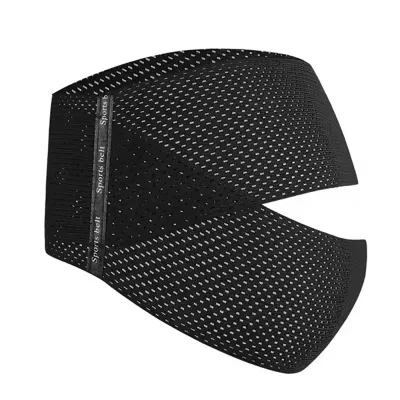
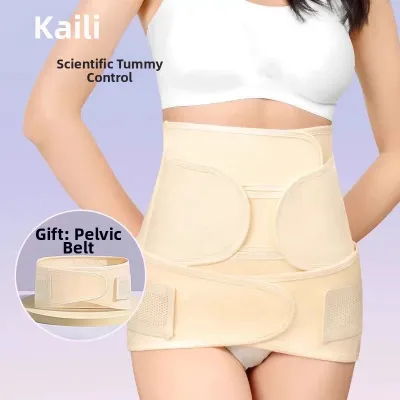
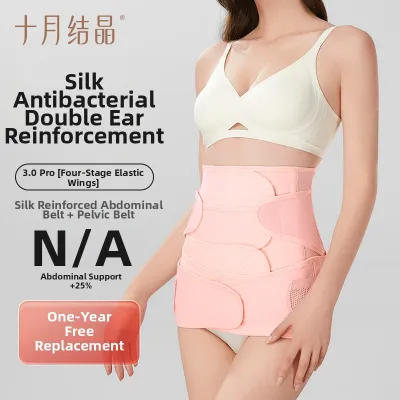
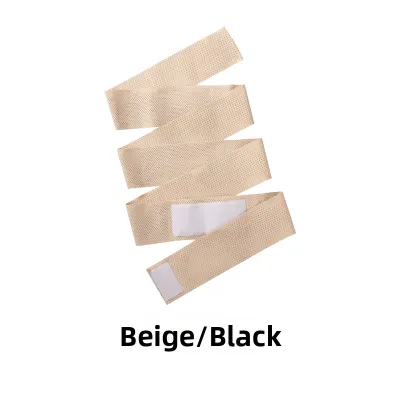
Prices are valid at publication and may change. Please refer to the product page for the latest price.
Material safety and breathability are critical criteria, especially given Singapore’s tropical climate. A recovery belt is worn close to the skin for extended periods, making sweat accumulation, heat rash, and contact dermatitis common risks. Reputable brands prioritize hypoallergenic, moisture-wicking, and highly breathable fabrics. Look for brands that utilize open-weave mesh, perforated structures, or natural fibers like bamboo charcoal. Additionally, check if the brand’s materials carry independent textile certifications, which verify that the fabric is free from harmful chemicals and safe for direct skin contact.
Ergonomic design and adjustable compression features are essential for a successful recovery. A well-designed belt does not apply uniform, constricting pressure across the entire midsection. Instead, it offers targeted support that mimics the natural alignment of your abdominal and pelvic muscles. Trusted brands design belts with multiple panels or dual-tension straps. This allows you to customize the level of compression across different areas, such as providing firmer support around the pelvis while maintaining a gentler hold over the upper abdomen.
Transparency in manufacturing and customer support is another hallmark of a reliable brand. A trustworthy manufacturer provides clear, detailed sizing charts that account for postpartum body changes rather than relying on pre-pregnancy measurements. They also offer comprehensive instructions on how to wear the belt correctly, including visual guides or video tutorials. Responsive customer support is invaluable, particularly when you need assistance verifying your size or understanding the correct application method for your specific recovery stage.
Matching Belt Types to Your Recovery Stage and Body
Postpartum recovery belts come in several distinct styles, each designed to serve different functional needs as your body heals. Understanding these differences allows you to match the belt type to your specific recovery stage and physical requirements.

Wrap-around belts, often designed with multiple panels or three-stage compression systems, offer the highest level of adjustability. These belts allow you to tighten or loosen individual sections independently. This feature is particularly beneficial during the first six weeks postpartum, when uterine involution is occurring rapidly, and your abdominal volume is changing daily. The multi-strap design allows you to adjust the support to match your shrinking silhouette without needing to purchase a new size immediately.
Pull-on bands or seamless support tubes offer a milder, more flexible level of compression. These are typically made from soft, highly elastic fabrics that conform smoothly to your body shape. While they provide less structural support for severe back pain or pelvic instability, they are highly discreet under clothing and exceptionally comfortable for daily wear. Many mothers transition to pull-on bands during the later stages of recovery, around six to twelve weeks postpartum, when they require light support for daily activities rather than intense compression.
Corset-style binders feature structured panels, often reinforced with flexible medical-grade boning, and secure with hook-and-eye closures or zippers. These garments provide exceptional posture correction and lower back support, making them popular among mothers experiencing significant postpartum back strain. However, they offer less adjustability than wrap-around models and require highly precise sizing. If a corset-style binder is too tight, it can restrict deep diaphragmatic breathing and place excessive pressure on your pelvic floor, so careful evaluation of the brand’s sizing guide is essential.
Accurately measuring your postpartum body is crucial for ensuring both comfort and safety. To find your correct size, measure the widest part of your hips and the circumference of your abdomen around the belly button. Do not rely on your pre-pregnancy clothing size, as bone structure and fluid retention vary significantly after birth. Most trusted brands recommend taking these measurements during the late third trimester (around week 36) or immediately after delivery, and then comparing them to their specific product sizing charts to find the optimal fit.
Safety Boundaries and When to Stop Using a Recovery Belt
While a recovery belt is an excellent supportive tool, it must be used within safe boundaries to prevent injury, restricted circulation, or delayed muscle healing. A recovery belt is designed to assist your muscles, not replace their function. Relying on a belt too heavily can lead to muscle laziness, where your deep core muscles depend on the external support rather than rebuilding their own strength.
To prevent muscle dependency and skin irritation, limit your daily wear time. Most healthcare professionals recommend wearing a recovery belt for no more than four to eight hours a day, broken up into shorter intervals. It is highly recommended to take regular breaks throughout the day to allow your muscles to engage naturally. Never wear a recovery belt while sleeping, as prolonged compression during rest can restrict blood flow, impede deep breathing, and interfere with your body’s natural nighttime healing processes.
Your delivery method significantly influences your recovery timeline and how you should use a belt. For a vaginal delivery, you can generally begin wearing a light, supportive belt within the first few days postpartum, provided you feel comfortable and have no complications. For a Cesarean delivery, the primary focus is protecting your surgical incision. You must avoid placing direct, high-pressure compression over the wound, which can cause friction, restrict localized blood flow, or trap moisture and lead to infection. Always wait for explicit clearance from your obstetrician before applying any supportive garment over a C-section incision.
Monitoring your body for warning signs is essential whenever you are using a recovery belt. Stop using the belt immediately if you experience any of the following symptoms:
- Difficulty taking deep, comfortable breaths
- Digestive discomfort, such as severe acid reflux, indigestion, or nausea
- A feeling of heaviness, pressure, or pain in your pelvic floor region
- Numbness, tingling, or restricted circulation in your legs or hips
- Skin redness, itching, hives, or signs of localized infection near a surgical wound
If you experience persistent pelvic floor dysfunction, severe diastasis recti, or ongoing pain, consult a qualified women’s health physiotherapist or your obstetrician. They can provide personalized guidance and recommend specific core-rehabilitation exercises to accompany your recovery belt usage.
Navigating Authentic Purchases and Brand Verification in Singapore
Ensuring you purchase an authentic, high-quality recovery belt is vital for your safety and recovery. The popularity of maternal support garments has led to an influx of counterfeit products and low-quality imitations on online marketplaces. These imitation belts often use substandard elastics that lose their tension quickly, or synthetic dyes and materials that can cause severe skin irritation.
To guarantee authenticity, purchase directly from official brand stores on major e-commerce platforms or authorized physical retailers. In Singapore, many trusted maternal brands partner with established physical maternity boutiques, department stores, and specialized mother-and-baby retailers. Visiting a physical store allows you to feel the fabric, assess its breathability, and sometimes try on different sizes under the guidance of trained retail staff.
Additionally, many hospital retail pharmacies and gift shops in Singapore stock medical-grade recovery belts. Purchasing from a hospital-associated retailer provides peace of mind, as these products are curated to meet clinical standards for postpartum care. When purchasing online, look for local distributor labels, official holographic seals, or warranty registration cards included in the packaging, which verify that the product is genuine and covered by local consumer protection policies.
Budgeting for a postpartum recovery belt involves understanding what justifies the price difference between premium and standard options. In Singapore, high-quality recovery belts typically range from S$50 to over S$150. While budget-friendly options are available, premium brands justify their price through the use of durable, medical-grade materials that maintain their elasticity after multiple washes. They also feature advanced ergonomic designs that protect the pelvic floor and superior moisture-wicking fabrics suitable for the local climate. Investing in a well-constructed, breathable belt from a trusted brand ensures a safer, more comfortable, and highly effective recovery experience.
Frequently Asked Questions (FAQ)
Can I wear a recovery belt immediately after a C-section?
You should not wear a recovery belt immediately after a C-section without explicit medical clearance from your obstetrician. A Cesarean delivery is a major abdominal surgery, and the incision site requires time to heal without interference. Applying compression too early can restrict blood circulation to the wound, cause painful friction, or trap moisture, increasing the risk of infection. Once your doctor confirms that your incision has closed and healed sufficiently—typically around four to six weeks postpartum—you may begin using a specialized C-section support belt that features soft, non-abrasive materials designed to protect the sensitive scar area.
How tight should a postpartum recovery belt be?
A postpartum recovery belt should always be snug but comfortable, never painfully tight. The purpose of the belt is to provide gentle, stabilizing support to your abdomen and pelvis, not to forcibly waist-train your body. You should be able to breathe deeply from your diaphragm, sit down comfortably, and speak without feeling restricted. If you feel a downward pressure on your pelvic floor, experience shortness of breath, or notice red marks on your skin after removing the belt, it is too tight. Always adjust the tension to a level that supports your posture while allowing your body to move and breathe naturally.

Community discussion
Share your experience or ask a question. Comments are reviewed before publication.