
Choosing a trusted diaper table brand in Singapore involves looking past aesthetic appeal to evaluate structural stability, material safety, and reliable local support. With numerous international and local brands available in the Singapore market, parents must focus on verifiable safety standards and physical build quality. A reliable changing station should not only secure your baby during diaper changes but also withstand daily use without compromising on safety. By understanding what makes a brand trustworthy, you can make an informed investment that protects your child and supports your physical well-being.
When preparing your nursery, the diaper changing station becomes one of the most frequently used areas in your home. During the first year of life, a baby requires thousands of diaper changes, making the durability and safety of this furniture piece paramount. A poorly constructed table can pose significant physical risks, while a well-designed one streamlines your daily routine. Therefore, evaluating brands based on objective safety metrics, material sourcing, and local retail reliability is the most effective path to finding a product that fits your family’s needs.
Key Criteria for Evaluating Diaper Table Brands
Structural integrity is the absolute foundation of any reliable diaper table. A sturdy frame, typically constructed from solid hardwood or reinforced metal, prevents the unit from wobbling or shifting when your baby moves. Look for brands that design their tables with a wide, stable base and include dedicated anti-tip hardware. This hardware is essential for anchoring the unit securely to your wall, especially as your child grows more active and begins to pull themselves up against the furniture.
Products mentioned in this guide
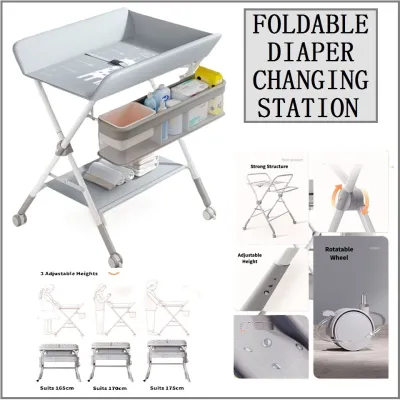
![【SG Happy Baby】 [diaper changing table]Baby Diapers Changing Table Foldable Newborn Multifunctional 0-3 Years Old Care Diaper Nursing Table LAPN 3445208002](https://img.lazcdn.com/g/p/cb8e257cb4999e10de1572619c195db0.jpg_webp_400x400q80.jpg_.webp)
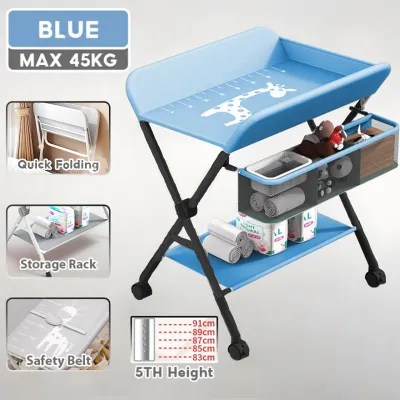
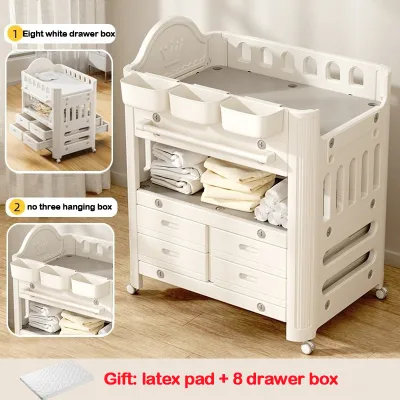
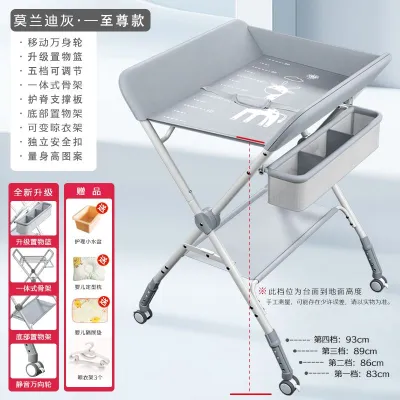
Prices are valid at publication and may change. Please refer to the product page for the latest price.
Material safety is another critical pillar that defines a trustworthy brand. Since your baby’s sensitive skin will be in close proximity to the table daily, the materials used must be free from harmful chemicals. Trusted brands prioritize sustainably sourced wood and apply non-toxic, water-based finishes. They should also provide clear documentation regarding low volatile organic compound (VOC) emissions, ensuring the indoor air quality of your nursery remains safe and free from off-gassing.
Local support and warranty coverage are highly practical considerations for parents in Singapore. Purchasing from a brand that offers a robust local warranty ensures you can easily access replacement parts, such as extra screws, drawer runners, or matching changing pads. Accessible after-sales support means that if any structural issues arise, you have a direct, local channel to resolve them quickly without waiting for international shipping. This local presence also indicates a brand’s commitment to the Singapore market and its consumers.
Safety Standards and Certifications to Verify
When evaluating diaper table brands, look for compliance with recognized international safety standards. For instance, European standards (such as EN 12221) and American standards (such as ASTM F2388) outline strict requirements for changing units intended for domestic use. These standards govern aspects like barrier heights, structural strength, and the prevention of finger entrapment. Always verify these certifications on the manufacturer’s official website or product packaging rather than relying solely on retail listings.

Chemical safety certifications are equally vital to check before making a purchase. Look for brands that explicitly state compliance with standards restricting formaldehyde, lead, and other heavy metals in their paints and finishes. Certifications such as Greenguard Gold indicate that the product has been tested for thousands of chemicals and VOCs, meeting rigorous emissions standards. As a caregiver, verifying these independent test results provides peace of mind that the furniture is safe for your home environment.
Always check the manufacturer’s specified weight limits and developmental warnings. Most standard diaper tables are designed to support babies up to a certain weight, often around 11 to 15 kilograms, but this varies significantly by model. Furthermore, developmental milestones are critical stopping conditions. Once your baby begins to roll over, sit up, or attempt to pull themselves up, the risk of falls increases dramatically, and you must transition to floor-level changing setups regardless of the weight limit.
Navigating Local Retailers and Official Channels
To ensure you are purchasing an authentic product with full warranty coverage, buy directly from brand flagship stores or authorized mother-and-baby retailers in Singapore. Established local distributors maintain direct relationships with manufacturers, ensuring that the products they sell comply with local safety expectations and have not been subject to international recalls. Buying through these official channels also guarantees that you receive genuine accessories and compatible changing pads.
When shopping on major e-commerce platforms or online marketplaces, exercise caution to avoid unauthorized third-party sellers. Look for “official mall” badges or verified brand storefronts. Unauthorized sellers may offer lower prices, but their products often lack official warranties, may be counterfeit, or might not include essential safety components like assembly instructions and anti-tip kits. Verifying the seller’s identity before checking out protects your investment and your child’s safety.
Whenever possible, visit physical showrooms in Singapore to test the diaper tables in person. A hands-on inspection allows you to physically shake the frame to test its stability, slide the drawers to check for smooth operation, and assess the overall quality of the wood or metal. Testing the height of the table in person also helps you determine if it aligns comfortably with your posture, reducing the risk of back strain during frequent daily changes.
Design Features That Indicate Brand Quality
Ergonomic design is a hallmark of high-quality diaper table brands. The table should stand at a comfortable height—typically between 90 and 105 centimeters—allowing you to change your baby without excessively bending your back. Additionally, well-designed tables feature accessible storage layouts, such as open shelves or smooth-gliding drawers, keeping diapers, wipes, and changes of clothes within arm’s reach so you never have to leave your baby unattended.
Durability of materials and hardware determines how well the table performs over time. High-quality brands use waterproof, wipe-clean surfaces on the changing area or include a durable, non-porous changing pad that resists moisture and staining. The hardware, including metal drawer slides and heavy-duty hinges, should operate quietly and smoothly, ensuring that frequent opening and closing does not loosen the structural joints or wake a sleeping baby.
Convertible designs offer excellent long-term value, allowing the changing table to transition as your child grows. Many premium brands design their tables with removable changing toppers. Once your child outgrows the diaper-changing stage, the unit can be easily converted into a standard chest of drawers, a toy storage cabinet, or a study shelf, extending its usefulness in your home for years and justifying the initial investment.
Red Flags and When to Walk Away
A major red flag when evaluating diaper table brands is the absence of clear manufacturer contact information or local customer service channels. If a brand does not provide a physical address, a dedicated support email, or clear, step-by-step assembly instructions, it is best to avoid them. Proper assembly is crucial for structural safety, and a lack of clear guidance increases the risk of incorrect setup.
Never purchase a diaper table that does not include an anti-tip wall anchoring kit or fails to provide explicit guidelines on how to secure the unit to the wall. Heavy furniture poses a serious tip-over hazard to young children who may attempt to climb the drawers. Brands that neglect to provide these safety kits or downplay their importance do not prioritize child safety and should be avoided entirely.
Physical indicators of poor quality should prompt you to walk away immediately. Avoid tables with wobbly frames, flimsy backing boards, or drawers that lack safety stops to prevent them from being pulled completely out. If the wood feels light and hollow, or if the joints are held together by weak plastic connectors rather than sturdy metal-on-metal hardware, the table is unlikely to withstand the daily physical demands of caregiving.
Frequently Asked Questions (FAQ)
Do I really need a dedicated diaper table?
While some parents opt to use a changing pad placed on top of an existing sturdy chest of drawers or even change their baby on a bed, a dedicated diaper table offers distinct advantages. The primary benefit is ergonomic; these tables are specifically designed at a height that minimizes back strain for caregivers during the thousands of changes required in a baby’s first year. Furthermore, dedicated tables centralize all essential supplies—diapers, wipes, creams, and clean clothes—into one organized, secure station, ensuring you never have to step away from your baby to grab a forgotten item.
However, if space or budget is limited, a high-quality, contoured changing pad secured to a low, wide, and stable dresser can serve as a safe alternative. The key is ensuring the dresser is at a comfortable height and is securely anchored to the wall to prevent tip-overs. Whichever setup you choose, the priority must always be the stability of the surface and your ability to maintain constant physical contact with your baby during the change.
How long can my baby safely use a standard diaper table?
A baby can safely use a standard diaper table until they reach either the manufacturer’s specified weight limit or a key developmental milestone, whichever comes first. Most tables have a weight limit ranging from 11 to 15 kilograms. However, developmental milestones are often the more critical safety boundary. As soon as your baby begins to roll over actively, sit up independently, or pull themselves up, the risk of falling from an elevated surface increases significantly. At this stage, you should stop using the elevated changing table and transition to changing your baby on a secure pad placed directly on the floor.
Transitioning to floor-level changes does not mean your diaper table becomes useless. If you purchased a convertible model, this is the perfect time to remove the changing topper and begin using the unit as a standard dresser or storage cabinet. This transition ensures that you continue to get value from your furniture investment while maintaining the highest level of safety for your growing, active child.

Community discussion
Share your experience or ask a question. Comments are reviewed before publication.