
To find a trusted baby helmet for fall protection in Singapore, parents must look beyond brand names and focus on verifiable safety standards, breathable materials suited for a tropical climate, and a secure, adjustable fit. While many products are marketed as protective headgear, a reliable choice requires checking the manufacturer’s documentation for impact-absorption specifications and age-appropriate design. Because there are no universally certified “best” brands without independent clinical testing, the most reliable helmet is one that fits your child’s specific head measurements, features high-density shock-absorbing foam, and is purchased through authorized retail channels.
Assessing the Need for a Baby Fall Protection Helmet
Before purchasing a baby helmet, it is essential to understand its specific purpose and distinguish it from medical devices. Many parents confuse soft protective play helmets with medical cranial orthoses. A cranial orthosis is a rigid, custom-molded helmet prescribed by a pediatrician or pediatric specialist to treat conditions like plagiocephaly (flat head syndrome) or craniosynostosis. These medical devices are worn under strict clinical supervision, often for up to 23 hours a day, to gently reshape a baby’s developing skull.
In contrast, a soft protective baby helmet is a consumer product designed solely to cushion minor impacts during active play. These helmets are typically considered when a baby reaches key developmental milestones, such as pulling up on furniture, cruising along the edges of tables, and taking their first independent steps. During these stages, a baby’s center of gravity is relatively high due to their head size, and their balance is still developing, leading to frequent wobbles and minor falls.
Products mentioned in this guide
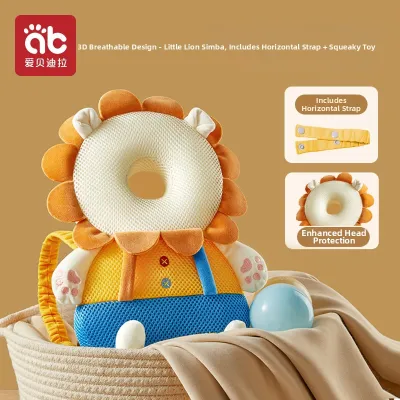
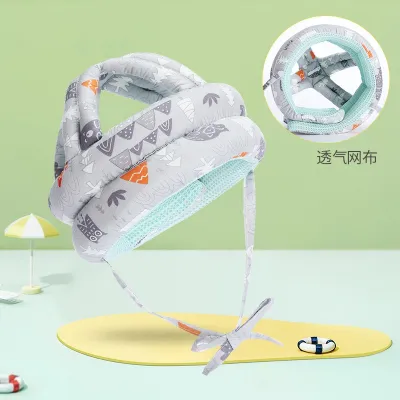
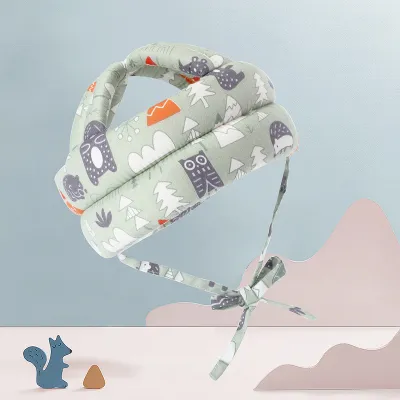
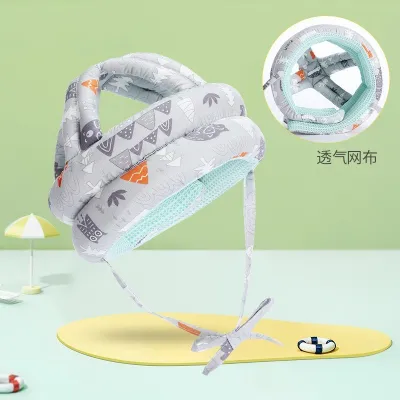
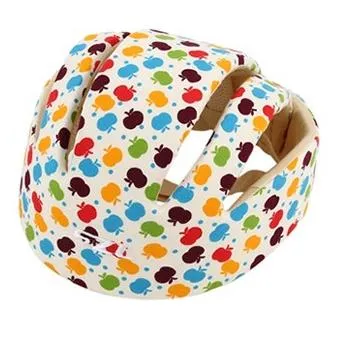
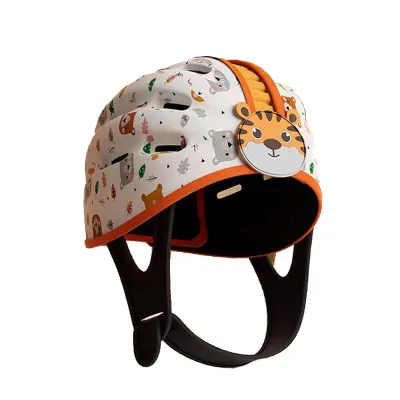
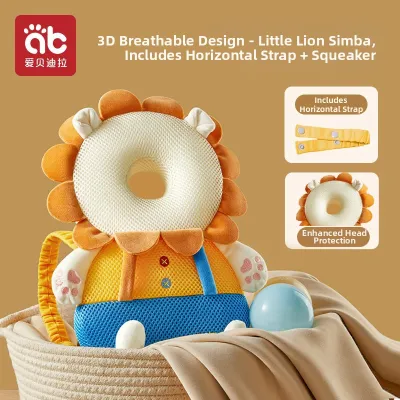
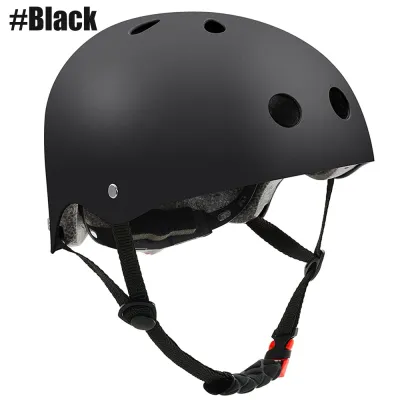
Prices are valid at publication and may change. Please refer to the product page for the latest price.
However, parents must recognize that soft helmets do not prevent all injuries. They are designed to cushion minor bumps against flat surfaces, but they do not protect against high-impact trauma, such as falls from heights like beds, sofas, changing tables, or stairs. A protective helmet must never be used as a substitute for active adult supervision or comprehensive home baby-proofing. Securing sharp furniture corners, installing safety gates, and keeping play areas clear of hazards remain the most effective ways to protect your child.
Essential Safety and Comfort Features to Evaluate
When comparing different baby helmet options, you should carefully evaluate the physical and material attributes of each product rather than relying on unverified marketing claims. The primary function of a helmet is impact mitigation, which depends heavily on the quality of its shock-absorbing materials. Look for helmets constructed with high-density, closed-cell foam, such as expanded polyethylene (EPE) or specialized polyurethane (PU) padding. Check the manufacturer’s product documentation to verify if the materials have been tested for impact absorption and are free from toxic chemicals.

Given Singapore’s hot and humid tropical climate, breathability is a critical comfort and health factor. A helmet that traps heat will quickly cause your baby to overheat, leading to fussiness, discomfort, and skin issues. Evaluate the helmet’s design for adequate ventilation, looking for multiple open air vents or an open-top structure that allows heat to escape. Additionally, check if the inner lining is made of breathable, moisture-wicking, and hypoallergenic fabrics, such as cotton or specialized mesh, which help keep the baby’s scalp dry.
The weight of the helmet is another crucial consideration for a baby’s physical development. A baby’s neck muscles are still growing and strengthening. Placing a heavy object on their head can cause significant neck strain, alter their natural posture, and disrupt their balance, which may actually increase the frequency of falls. A trusted baby helmet should be exceptionally lightweight—ideally weighing under 100 grams—to ensure it does not hinder natural movement or cause physical fatigue during play.
Finally, always look for recognized safety standard marks on the product packaging or tags. While there is no single global standard dedicated exclusively to baby learning-to-walk helmets, reputable manufacturers often test their products against established toy safety standards, such as the European EN 71 standard or the American ASTM F963. Avoid products that make vague, sweeping safety guarantees without referencing specific, verifiable testing standards or certifications in their official documentation.
Measuring and Fitting the Helmet Correctly
To ensure a baby helmet provides effective protection without restricting your child’s natural growth or causing discomfort, you must measure their head circumference accurately and achieve a proper fit. To measure your baby’s head, use a soft, flexible sewing measuring tape. Wrap the tape horizontally around the widest part of their head, which is typically about 1 to 2 centimeters above the eyebrows, passing just above the ears, and around the most prominent part of the back of the skull. Take this measurement two or three times to ensure consistency.
Once you have an accurate measurement in centimeters, compare it directly against the specific manufacturer’s sizing chart. Sizing dimensions vary significantly between different brands; a “Small” in one brand may correspond to a “Medium” in another. Avoid “one-size-fits-all” products that do not provide specific centimeter ranges, as a helmet that is too large will slip and fail to protect, while one that is too small will cause painful pressure points.
When fitting the helmet on your baby, perform several standard clearance checks. The helmet should sit level on the head, with the front edge positioned about two finger-widths above the eyebrows so it does not block their peripheral vision. The baby’s ears should fit comfortably in the designated side cutouts without being folded or pressed. Secure the chin strap and check its tightness using the “two-finger” rule: you should be able to slide two fingers flat between the strap and your baby’s chin. This ensures the helmet remains secure during a fall without posing a choking hazard or pinching the skin.
Regularly monitor how the helmet fits as your baby grows. If the helmet leaves red marks or indentations on their forehead, cheeks, or chin, it is too tight and must be adjusted or replaced. Conversely, if the helmet shifts easily when your baby shakes their head, or if it slides forward over their eyes, it is too loose and does not provide adequate protection. Because babies grow rapidly, a fit check should be performed every few weeks.
Secure Purchasing and Authenticity Checks in Singapore
To protect your child from substandard or counterfeit products that lack proper safety testing, it is crucial to purchase baby helmets through secure, authorized channels. Prioritize physical maternity and baby specialty stores, official brand websites, or verified flagship stores on major e-commerce platforms. Purchasing from these reputable sources ensures that you are receiving genuine products that comply with safety regulations and material standards.
Be vigilant for red flags that indicate counterfeit, unbranded, or low-quality helmets, which are common on open online marketplaces. These warning signs include missing safety tags or labels, poor or uneven stitching, loose threads, and a strong chemical or plastic odor, which often indicates the use of non-certified materials or toxic adhesives. Additionally, be skeptical of unusually low prices; if a helmet is priced at just a few S$ while established, tested brands cost significantly more, it is highly likely to be a substandard product that does not offer real impact protection.
Before finalizing your purchase, always check the retailer’s return and exchange policy. Because a proper fit is essential for both safety and comfort, you may need to return or exchange the helmet if it does not fit your baby’s specific head shape during an initial trial at home. Reputable retailers will offer a clear, fair return window for unused products in their original packaging, giving you peace of mind during the purchasing process.
Daily Care, Hygiene, and Skin Monitoring
Maintaining proper hygiene and monitoring your baby’s skin health are essential parts of daily helmet usage, especially in Singapore’s humid environment. Sweat, sebum, and dead skin cells can quickly accumulate on the helmet’s inner lining, creating a breeding ground for bacteria and fungi. Clean the outer shell regularly by wiping it with a damp cloth and mild, baby-safe soap. If the helmet features a removable fabric liner, hand-wash it in warm water using a gentle, fragrance-free, hypoallergenic detergent, and allow it to air dry completely before the next use.
Perform daily skin checks on your baby’s scalp, forehead, temples, and behind the ears. Look closely for any signs of redness, chafing, irritation, or heat rash (miliaria). If you notice any skin issues, temporarily discontinue using the helmet to allow the skin to breathe and heal completely. Applying a light, baby-safe barrier cream or consulting a pediatrician may be helpful if the irritation persists.
There are several strict conditions under which you must immediately discontinue using the helmet. Stop use if your baby shows persistent signs of distress, fussiness, or behavioral changes while wearing it, as this indicates physical discomfort or pain. Additionally, immediately discard and replace the helmet if you notice any visible damage to its structural foam, such as cracks, tears, or compressed areas, as a damaged helmet can no longer provide reliable shock absorption.
Frequently Asked Questions (FAQ)
Can a baby sleep while wearing a protective fall helmet?
No, a baby must never sleep while wearing a protective helmet. Wearing any form of headgear in a crib, bassinet, or during naptime poses severe safety risks, including suffocation, airway restriction if the chin strap shifts, and dangerous overheating. The general safety consensus among pediatricians and safety organizations is that protective helmets must be removed during all sleep times and unsupervised periods.
How long should a baby wear the helmet each day?
There is no set daily duration, but helmet wear should be kept to a minimum and limited only to active play sessions. Introduce the helmet gradually, following the manufacturer’s recommended break-in schedule to allow your baby to adjust to the sensation. Ensure there are frequent, regular helmet-free periods throughout the day to allow the scalp to breathe, dry, and prevent moisture-related skin irritation.
Will wearing a helmet delay a baby's motor development?
A properly fitted, ultra-lightweight helmet will not delay your baby’s natural motor development. However, it is vital to choose a design that does not cause neck strain or disrupt their balance. Helmets should only be worn during active, supervised waking hours when the baby is actively practicing mobility, and they must never restrict natural movement, crawling, rolling, or tummy time.

Community discussion
Share your experience or ask a question. Comments are reviewed before publication.