
When searching for the best baby helmet to protect your infant from falls during their early developmental milestones, the most reliable approach is not to rely on brand names alone, but to evaluate specific material standards, fit adjustability, and ventilation features. In Singapore, where the tropical climate can quickly lead to overheating, choosing a lightweight, highly breathable anti-fall bumper is essential for your baby’s comfort and safety. While many commercial brands are available on the local market, their protective value depends entirely on proper usage, correct sizing, and understanding their physical limitations. Parents must verify the manufacturer’s specifications, age recommendations, and safety labels directly on the product packaging before purchasing.
When to Use a Baby Helmet and Its Safety Limitations
Before purchasing a baby helmet, it is essential to understand what these products can and cannot do. Parents must first differentiate between medical cranial orthosis helmets and commercial anti-fall bumpers. Medical cranial helmets are custom-molded devices prescribed by pediatricians or specialized cranial orthotists to treat skull deformities, such as plagiocephaly or brachycephaly, in infants. In contrast, commercial anti-fall helmets—often referred to as safety bumper caps—are soft, cushioned headwear designed solely to cushion minor bumps and scrapes during everyday play. Using a commercial bumper to treat a medical skull condition, or vice versa, is highly inappropriate and potentially harmful.
Commercial anti-fall bumpers are typically introduced during specific mobility stages when an infant is actively learning to navigate their environment. These stages include learning to sit independently, crawling, pulling themselves up to stand, cruising along furniture, and taking their first unassisted steps. During these transitions, infants have a high center of gravity and developing motor skills, making temporary loss of balance very common. A soft bumper can provide a layer of cushioning when a baby bumps their head against flat floors, low tables, or playpen rails during these normal exploratory movements.
Products mentioned in this guide
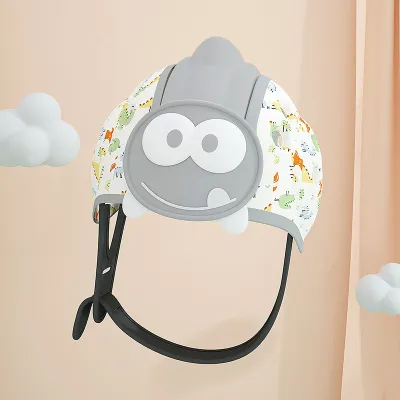
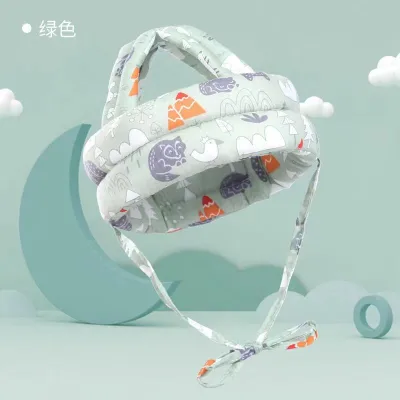
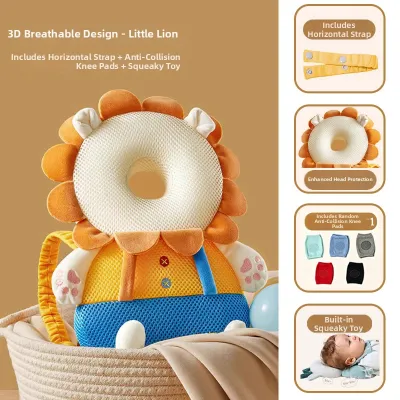
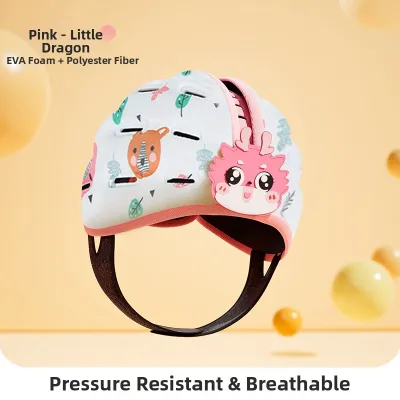
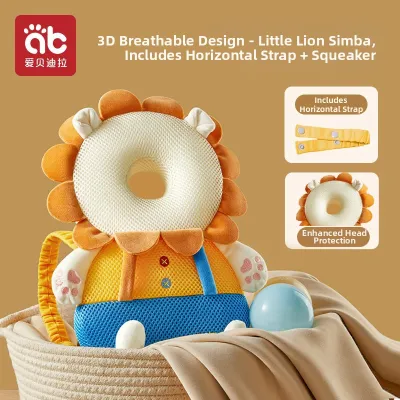
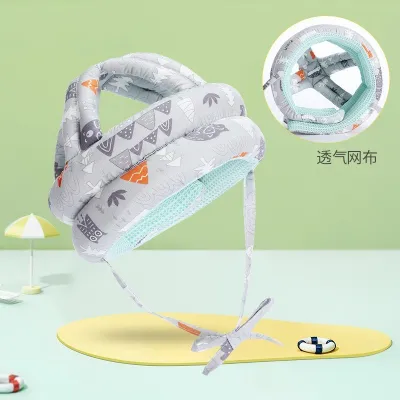

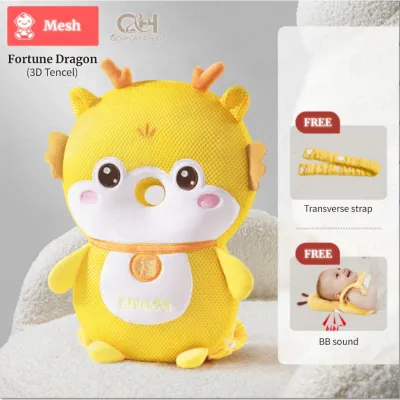
Prices are valid at publication and may change. Please refer to the product page for the latest price.
However, parents must recognize that these soft helmets do not replace active adult supervision and are not designed to prevent severe injuries. They are only intended to soften low-impact bumps on flat surfaces at ground level. They offer no reliable protection against high-impact falls, such as falling from a bed, sofa, changing table, high chair, or down a flight of stairs. If your baby experiences a significant fall from an elevated surface, you must seek immediate medical evaluation from a qualified healthcare professional rather than relying on the helmet’s cushioning.
Furthermore, commercial play helmets are not certified for vehicular impact and must never be used as a substitute for approved safety gear. They do not meet the rigorous safety standards required for bicycle helmets, multi-sport helmets, or child car seats. When traveling in a vehicle, stroller, or on a bicycle, always secure your child in an approved, certified car seat or stroller harness, and ensure any soft play helmets are completely removed to prevent dangerous head positioning or airway restriction.
Essential Design and Material Features to Evaluate
When evaluating different baby helmets on the market, the primary protective component to assess is the shock-absorbing material. High-quality bumpers typically utilize high-density foam, such as expanded polyethylene (EPE), specialized polyurethane foam, or multi-layered impact-resistant padding. Parents should check the manufacturer’s specifications to verify the foam’s thickness and coverage area. The padding should cover critical impact zones, including the forehead, the sides of the head (temporal regions), and the prominent back of the head (occipital region), while remaining flexible enough to contour to the baby’s head shape.

Singapore’s warm and humid climate makes breathability and weight critical factors for both safety and comfort. A heavy or poorly ventilated helmet will trap body heat rapidly, leading to excessive sweating, discomfort, and skin conditions such as heat rash or eczema. Look for designs that feature multiple ventilation holes, open-top structures, or mesh panels that facilitate continuous airflow. The outer and inner linings should ideally be made of breathable, moisture-wicking fabrics like 100% cotton or specialized performance mesh. Additionally, the total weight of the helmet should be minimal—ideally under 100 grams—to prevent placing unnecessary strain on your baby’s developing neck muscles and spine.
Because there is no single universal safety standard specifically for soft play bumpers, parents must carefully inspect the product packaging and labels for recognized international safety testing certifications. Look for indications that the materials have been tested for chemical safety, ensuring they are free from harmful substances such as BPA, phthalates, lead, and flame retardants. Compliance with standards like the European CE mark or the US Consumer Product Safety Improvement Act (CPSIA) indicates that the product has undergone basic safety evaluations. If a product lacks clear manufacturer details, material listings, or safety labels, it is best to avoid it.
A protective helmet is only effective if it stays securely and comfortably in place during active play. Evaluate the adjustability of the helmet’s circumference, which is typically managed via adjustable Velcro panels, elastic bands, or rear hook-and-loop fasteners that allow the helmet to expand as your baby’s head grows. The strap mechanism must be secure yet gentle on sensitive skin. Look for soft, padded chin straps with adjustable buckles or secure Velcro closures that prevent the helmet from slipping forward over the eyes or sliding off backward during a fall, while ensuring the strap itself does not present a choking or pinching hazard.
How to Measure and Fit the Helmet Correctly
To ensure a baby helmet provides the intended level of protection, you must obtain an accurate measurement of your baby’s head circumference. Age recommendations provided by manufacturers are only general guidelines, as infant head sizes vary widely. To measure, use a soft, flexible measuring tape and wrap it horizontally around the widest part of your baby’s head, positioning it approximately one finger-width above the eyebrows and ears. Note the measurement in centimeters and compare it directly with the manufacturer’s sizing specifications before purchasing. If your baby is highly active or squirming, try measuring while they are calm, feeding, or distracted by a toy.
Once you have the helmet, place it on your baby’s head to perform a thorough fit check. The helmet must sit level on the head, rather than tilting too far forward or backward. The front edge of the bumper should rest approximately one to two centimeters above the eyebrows, protecting the forehead without obstructing the baby’s field of vision. The sides and back of the helmet should cover the temples and the lower back of the skull. Gently try to wiggle the helmet from side to side; if it slips easily over the eyes or exposes the forehead, it is too loose or improperly adjusted.
Adjusting the chin strap correctly is vital to keep the helmet stable during a fall. Fasten the strap so that it is snug against the underside of the chin, but not tight enough to cause discomfort, restrict breathing, or interfere with swallowing. Apply the two-finger rule: you should be able to slide two of your fingers comfortably between the strap and your baby’s chin. Ensure that any excess strap length is secured and cannot be easily pulled loose or chewed on by the baby.
During the initial hours and days of use, closely monitor your baby’s comfort and physical response to the helmet. Introduce the helmet gradually, starting with short sessions of 10 to 15 minutes during active play so they can adapt to the sensation. Regularly remove the helmet to check their scalp and face for any signs of skin irritation, deep red marks, or excessive sweating. If you observe persistent redness, skin chafing, or if your baby shows signs of distress, neck fatigue, or resistance to wearing it, remove the helmet immediately, re-verify the fit, and consult a pediatrician if skin issues persist.
Purchasing and Verifying Anti-Fall Helmets in Singapore
Parents in Singapore have several options for sourcing baby helmets, including physical baby specialty stores, official brand websites, and established online marketplaces. Visiting a physical retail store is highly recommended when possible, as it allows you to physically inspect the material quality, assess the weight, and test the adjustability of the straps. If you choose to purchase online, prioritize official brand storefronts or authorized local distributors to ensure you receive a genuine product rather than a low-quality counterfeit that may use unsafe materials or lack structural integrity.
Before finalizing your purchase, take steps to verify the seller’s authenticity and the level of customer support they offer. Genuine products from reputable manufacturers typically come in original packaging with detailed instruction manuals, clear care guidelines, and contact information for customer service. Check if the seller provides a clear return or exchange policy, which is particularly important if you find that the helmet does not fit your baby’s head shape properly upon arrival. Reliable after-sales support ensures you can resolve any issues regarding manufacturing defects or missing components.
Always review the product labels and specifications carefully to confirm that the helmet is suitable for your baby’s specific age, weight, and head size. Some helmets are designed strictly for younger infants who are crawling, while others may accommodate older toddlers. Never ignore the manufacturer’s weight limits or age warnings, as using a helmet outside its specified parameters can compromise its protective capabilities and safety.
In Singapore, prices for baby helmets can range from under S$15 to over S$50. It is important to understand that these price variations often reflect differences in fabric quality, aesthetic designs, and brand positioning rather than a guaranteed difference in safety performance. A higher price tag does not automatically mean superior protection; instead of focusing on the price, prioritize verifiable material specifications, breathability, and a secure, adjustable fit that matches your baby’s head measurements.
Frequently Asked Questions (FAQ)
Can a baby wear an anti-fall helmet while sleeping or in a car seat?
No, a baby must never wear an anti-fall helmet while sleeping or while seated in a car seat or stroller. During sleep, a helmet poses significant risks of suffocation, strangulation from the straps, and severe overheating, as babies regulate their body temperature largely through their heads. In a car seat or stroller, the added bulk of a helmet can force the baby’s head forward into an unnatural position, potentially restricting their airway and compromising the safety performance of the vehicle’s certified restraint system. Always remove the helmet before putting your baby down to rest or placing them in any transport seat.
How should I clean and maintain the baby helmet?
Proper maintenance is essential to prevent the buildup of sweat, dirt, and bacteria, which can cause skin irritation or infections on your baby’s sensitive scalp. Refer to the manufacturer’s care label to determine if the helmet is machine washable or requires hand washing. For most soft helmets, hand washing in cool water with a mild, baby-safe detergent is recommended to preserve the integrity of the foam padding and Velcro straps. After washing, squeeze out excess water gently without wringing, and allow the helmet to air dry completely in a well-ventilated area away from direct sunlight. Regularly inspect the straps, buckles, and stitching for any signs of wear or fraying, and replace the helmet immediately if any structural damage is found.
Community discussion
Share your experience or ask a question. Comments are reviewed before publication.