
Potty training is a major milestone for toddlers, but maintaining a consistent routine when you are away from home can be challenging. In Singapore, where family outings often involve navigating bustling shopping malls, crowded public transit, or humid outdoor parks, having a reliable travel toilet seat can make a significant difference. The right portable solution helps your child feel secure and comfortable, reducing the anxiety that often comes with unfamiliar public restrooms. Choosing the ideal option requires balancing your family’s specific outing habits, transport preferences, and storage constraints.
Assessing Your Family's Typical Outing Patterns
To find the most suitable travel toilet seat, start by analyzing your family’s typical weekend and daily routines. Families who spend most of their time in large, modern shopping complexes along Orchard Road or in regional hubs will face different restroom conditions than those who frequent outdoor nature reserves like Bukit Timah or East Coast Park. Modern malls often feature dedicated family restrooms equipped with child-sized toilets, but these are not always available or vacant when your toddler has an urgent need.
Your primary mode of transportation plays a critical role in determining the size and weight of the potty seat you can comfortably carry. If you rely on public transit like the MRT or buses, every square centimeter of space in your diaper bag is valuable. A bulky standalone potty is highly impractical when boarding a crowded train, making an ultra-compact, folding seat reducer the preferred choice. Conversely, if you travel primarily by private car or taxi, you have the luxury of storing a larger, standalone portable potty in the boot, ready for roadside emergencies or park visits.
Products mentioned in this guide
![[Ann&Ann] Foldable Portable Travel Potty Seat: Lightweight Support for Baby and Kids Ideal for Toilet Training. Comfortable Cushion Booster for Children.](https://img.lazcdn.com/g/p/85fc672e1f7d1ec2db67a727f4399f3b.jpg_400x400q80.jpg_.webp)
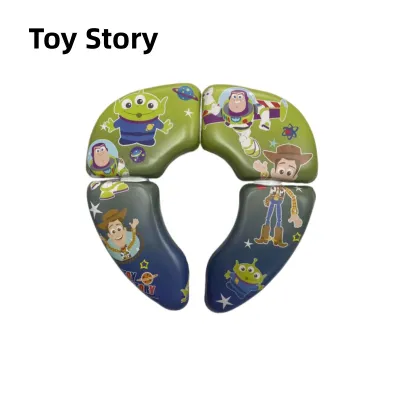
![[SG Stock] Baby Foldable Travel Potty Seat Kids Fodling Toilet Training Seat 12M+](https://img.lazcdn.com/g/p/54298d0cd77fc65e57e532664f2d523b.jpg_400x400q80.jpg_.webp)
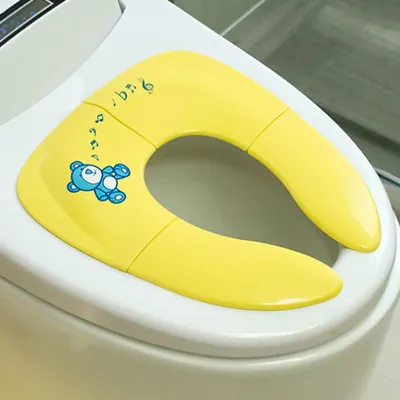
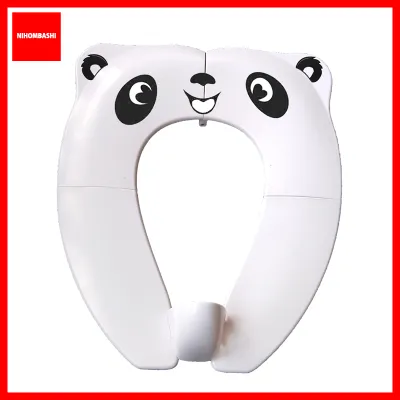
![[SG] Kids Travel Foldable Toilet Seat/ Baby Foldable Travel Potty Seat/ Kids Folding Toilet Training Seat Cover](https://img.lazcdn.com/g/p/d0f64ba2678c26156c57f25b7d66c912.jpg_400x400q80.jpg_.webp)
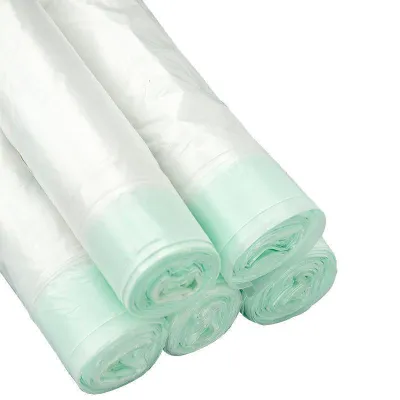
Prices are valid at publication and may change. Please refer to the product page for the latest price.
It is also important to consider the general availability and hygiene standards of public restrooms in your frequent destinations. While Singapore is known for clean public facilities, high-traffic areas can experience rapid changes in cleanliness throughout the day. A travel toilet seat not only provides physical support for a small child but also acts as a hygienic barrier between your toddler and a public toilet seat. Understanding where you are most likely to use the seat will help you decide whether you need a simple folding ring or a fully self-contained standalone unit.
Essential Features to Evaluate Before Buying
When comparing different travel toilet seats, several technical specifications and design elements require close inspection to ensure safety and usability. The first consideration is the physical dimensions and compatibility of the seat. Public toilets come in a variety of shapes, including round, oval, and elongated designs. A high-quality travel seat reducer should feature adjustable brackets or a universal contour that allows it to sit flat on these various shapes without wobbling or sliding when your child shifts weight.

The folding mechanism is another critical feature that directly impacts both portability and safety. Many travel seats fold into halves or quarters to minimize their footprint, allowing them to slip easily into a standard diaper bag or backpack. However, you must examine the hinge design carefully. Look for pinch-free hinges that lock securely into place when fully opened, preventing the seat from collapsing or pinching your toddler’s delicate skin during use. Additionally, check if the product includes a durable, waterproof carry bag to keep the folded seat isolated from other items in your bag.
Stability and grip are paramount for building your toddler’s confidence on an adult-sized toilet. Look for seats equipped with robust non-slip silicone pads or suction cups on the underside. These grips prevent the reducer from sliding on smooth porcelain surfaces. A built-in splash guard is another essential feature, particularly for young boys, as it helps direct urine into the bowl and prevents messy cleanups. The splash guard should be high enough to be effective but flexible enough not to interfere with the folding mechanism.
Finally, evaluate the material composition and overall weight of the seat. The ideal travel toilet seat is constructed from lightweight, high-density, BPA-free plastic that can withstand regular cleaning and accidental drops without cracking. While a heavier seat might feel slightly sturdier, it can quickly become a burden to carry during long day trips. Look for a balanced design that offers structural integrity without adding unnecessary weight to your daily gear.
Comparing Common Types of Portable Potty Solutions
Portable potty solutions generally fall into three main categories, each offering distinct advantages and trade-offs depending on your lifestyle. Foldable seat reducers are the most popular choice for parents who prioritize compact storage and frequently visit locations with established public restrooms. These seats are placed directly on top of the existing adult toilet seat, instantly creating a child-sized opening. They are incredibly lightweight and fold down to the size of a small book, making them highly convenient for transit-reliant families. However, they are entirely dependent on the presence of a clean, accessible public restroom.
Standalone portable potties offer a completely independent toilet solution, making them ideal for outdoor adventures, road trips, or situations where public restrooms are unavailable or unhygienic. These units sit directly on the ground and utilize disposable plastic liners with absorbent pads to collect waste. Once your child is finished, you simply tie up the liner bag and dispose of it in a trash bin. While standalone potties provide unmatched flexibility and eliminate the fear of loud public toilet flushes, they are significantly bulkier to carry and require you to manage waste disposal on the go.
Disposable or reusable toilet seat covers serve as a supplementary hygiene layer rather than a structural support system. These thin paper or plastic sheets drape over the adult toilet seat to prevent direct skin contact with public surfaces. While they are extremely compact and can easily fit into a pocket, they do not reduce the size of the toilet opening. Consequently, they are only suitable for older toddlers who have already mastered balancing on an adult-sized seat but still require protection from germs.
To help you visualize the differences between these options, consider the following comparison of storage, use cases, and cleaning requirements:
| Potty Type | Storage Requirements | Best Use Case | Cleaning Effort |
|---|---|---|---|
| Foldable Seat Reducer | Minimal (fits easily in standard diaper bags) | Shopping malls, restaurants, public transit trips | Low (requires a quick wipe down after use) |
| Standalone Portable Potty | Moderate to high (requires car boot or large backpack) | Parks, outdoor areas, road trips, emergency car use | Moderate (requires disposal of liner bags and occasional washing) |
| Toilet Seat Cover | Extremely low (pocket-sized packaging) | Supplementary hygiene for older, balanced toddlers | None (disposable after a single use) |
Safety, Hygiene, and On-the-Go Maintenance
Maintaining your travel toilet seat in a safe and hygienic condition is essential for your child’s health and the longevity of the product. Before each use, perform a quick visual and physical inspection of the seat. Check that the hinges are fully locked, the non-slip pads are clean and intact, and there are no visible cracks in the plastic. A compromised hinge or a cracked seat can pinch your child’s skin or collapse under their weight, which can cause physical injury and severely set back their potty training progress by creating a fear of using the toilet.
Cleaning the seat while out requires a practical approach that does not damage the materials. Carrying a pack of mild, baby-safe disinfecting wipes is the most convenient way to sanitize the seat immediately after use. Wipe down all surfaces, paying close attention to the underside and the hinges where moisture can collect. Avoid using harsh chemical sprays, bleach, or abrasive cleaning pads, as these can degrade the plastic over time, weaken the structural joints, or strip away the non-slip silicone grips. Always refer to the manufacturer’s care instructions for approved cleaning agents.
For families using standalone portable potties, safe waste handling is a top priority. Ensure that the disposable liner bag is properly fitted and secured around the potty rim before your child sits down. After use, tie the bag securely to prevent leaks and odors, and dispose of it in a designated waste bin. Never attempt to flush disposable liners down public toilets, as they can cause severe plumbing blockages. If the standalone frame becomes soiled, wipe it down immediately and wash it thoroughly with warm, soapy water once you return home.
Knowing when to retire a travel toilet seat is crucial for safety. If you observe any deep scratches, hairline cracks, loose hinge pins, or if the non-slip pads no longer adhere securely to toilet bowls, discontinue use immediately. Do not attempt to repair a cracked plastic seat with tape or glue, as these temporary fixes cannot guarantee structural safety under a child’s weight. Consult the manufacturer’s customer service or product documentation to see if replacement parts are available, or replace the unit entirely to ensure your child’s safety.
Final Pre-Purchase Checklist for Parents
Before finalizing your purchase of a travel toilet seat, take a few moments to verify that the product aligns perfectly with your child’s developmental stage and your family’s daily logistics. First, check the manufacturer’s official documentation for the recommended age, weight, and size limits. Never assume a seat is suitable based solely on its appearance or marketing terms; physical safety depends on adhering to these structural limits, and children should always be supervised by a caregiver during use.
Next, cross-reference the folded dimensions of the seat with the actual measurements of your primary diaper bag, stroller storage basket, or car glove compartment. A travel seat is only useful if it is convenient enough to bring along on every outing, so ensuring a perfect fit with your existing gear is essential. Additionally, read through user feedback on online marketplaces or parenting forums to see how the seat performs on various public toilet designs, paying attention to any mentions of sliding or difficulty in folding.
Finally, confirm the retailer’s return and exchange policies before making your purchase. Because public toilet designs can vary and children’s comfort levels are highly individual, you may find that a specific seat does not fit your local restroom bowls or that your toddler feels insecure using it. Having a flexible return policy allows you to exchange the item for a different style without unnecessary expense, ensuring you find the perfect match for your potty training journey.
Frequently Asked Questions (FAQ)
Will a travel toilet seat fit every public restroom toilet?
While most travel toilet seats are designed to be highly compatible with standard round and elongated public toilet bowls, they may not fit every single restroom fixture. Exceptionally large, square, or highly contoured modern toilet seats can prevent a travel reducer from sitting flat or locking securely. Always test the stability of the seat with your hands before placing your toddler on it to ensure it does not wobble or slide.
What is the best way to clean a portable potty seat while out?
The most practical way to clean a portable potty seat while on the go is to wipe it down thoroughly with mild, baby-safe disinfecting wipes immediately after use. Let the seat air dry briefly before folding it back into its storage bag. Once you return home, wash the seat with warm, soapy water and allow it to dry completely. Always refer to the manufacturer’s care instructions, as some materials may be sensitive to specific alcohol-based sanitizers.

Community discussion
Share your experience or ask a question. Comments are reviewed before publication.