
To choose the right toilet step stool for potty training, parents must prioritize height compatibility, robust non-slip surfaces, wide-base stability, and age-appropriate physical supports like safety handles. A well-designed step stool does more than help your child reach the toilet seat; it provides the physical security and ergonomic alignment necessary for successful bowel movements. By focusing on adjustable heights, secure grip mechanisms, and sturdy construction, you can ease your toddler’s transition from a floor potty to the adult toilet while ensuring their safety.
Potty training is a major developmental milestone that requires patience, consistency, and the right tools. While a standalone floor potty is a common starting point, transitioning to the family toilet is the ultimate goal. A dedicated step stool bridges this gap, allowing your child to use the standard toilet comfortably. Understanding how these features impact your child’s physical and psychological readiness will help you select the most effective model for your bathroom.
Why a Proper Toilet Step Stool Matters
Transitioning from a standalone floor potty to an adult toilet can feel like a massive leap for a toddler. While floor potties are highly accessible, they require frequent emptying and cleaning, and they do not prepare your child for using toilets outside the home. A toilet step stool allows your child to use the standard home toilet, mimicking adult behavior and fostering a sense of grown-up independence. This transition helps build long-term confidence and simplifies the potty training routine for caregivers.
Products mentioned in this guide
![[SG STOCK] New Children Ladder Step Toilet Foldable Adjustable Soft Cushion Potty Training Seat With Step Stool Ladder](https://img.lazcdn.com/g/p/095673e6ac293081c5db1fb97ac84516.jpg_400x400q80.jpg_.webp)
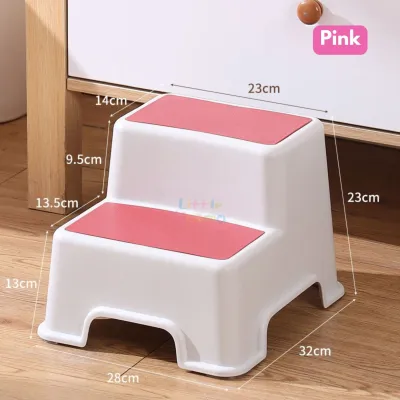
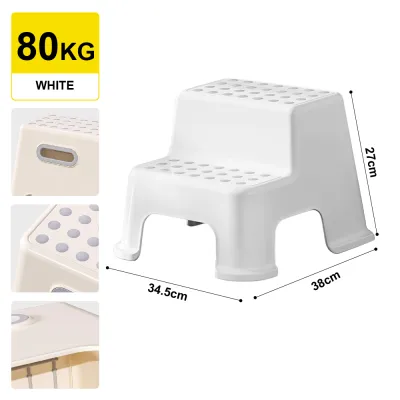
Prices are valid at publication and may change. Please refer to the product page for the latest price.
From a physiological standpoint, proper foot support is essential for comfortable and effective bowel movements. The human body is naturally designed to eliminate in a squatting posture. When a toddler sits on an adult toilet without a step stool, their legs dangle. This dangling position causes the puborectalis muscle to remain tight, constricting the rectum and requiring more effort to pass stool. Elevating the feet on a step stool raises the knees above the hips, which relaxes the pelvic floor muscles, straightens the anorectal angle, and allows for strain-free elimination.
There is also a significant psychological benefit to providing a secure, grounded base. To a small child, the opening of an adult toilet bowl can look intimidatingly large and deep. The fear of slipping or falling into the water is a common source of anxiety that can lead to potty training resistance or regression. Having a solid, stable platform under their feet gives toddlers a physical sense of security. When they feel grounded, their anxiety decreases, allowing them to relax their muscles and focus on the task at hand.
Essential Features to Evaluate Before Buying
When shopping for potty training gear on online marketplaces or at local baby boutiques in Singapore, it is easy to get distracted by bright colors or popular cartoon characters. However, the structural integrity and ergonomic design of the stool are far more important for your child’s safety and comfort. Parents should carefully evaluate several critical specifications on product labels and manufacturer descriptions before making a purchase.

Height Adjustability and Footrest Support
For a toilet step stool to be effective, your child’s feet must rest flat and firmly on the platform. Dangling feet or resting only the tiptoes on a step does not provide the leverage needed for core stability. Without a solid foundation, children often tense up their abdominal and pelvic muscles, making elimination difficult. A flat footrest allows them to shift their weight forward naturally, supporting the optimal squatting posture.
Because toddlers grow rapidly and toilet dimensions vary, height adjustability is a highly valuable feature. Look for step stools that offer adjustable height settings, modular stacking blocks, or interchangeable step levels. An adjustable model ensures that the stool can grow alongside your child, maintaining the correct ergonomic alignment over several years. It also makes the stool versatile enough to be used by siblings of different ages and heights.
Before purchasing, take the time to measure your bathroom setup. Measure the distance from your bathroom floor to the top of your toilet seat. Compare this measurement against the manufacturer’s stated step heights. To find the ideal step height for your child, have them sit on a low chair or the edge of a step and measure the distance from the back of their knee to the floor when their feet are flat. The step stool should bridge the gap between the toilet seat and your child’s comfortable foot placement.
Non-Slip Surfaces and Base Stability
Bathrooms are high-moisture environments where wet floors and condensation are common. To prevent slips and falls, the step stool must feature high-quality grip mechanisms. Look for stools with heavily textured footrest surfaces, such as raised rubber patterns or molded plastic ridges, which prevent wet feet or socks from sliding. The bottom of the stool should be equipped with rubberized base pads, non-skid feet, or high-friction thermoplastic elastomer (TPE) borders that anchor the stool firmly to tiled floors.
Base stability is directly linked to the stool’s footprint. Stools with a narrow base are prone to tipping over if a child steps too close to the outer edge or shifts their weight suddenly. A wider, flared base distributes weight more evenly across the floor, providing superior resistance to tipping. Look for designs that feature a wide, trapezoidal shape or a low center of gravity to ensure the stool remains upright during active use.
Always verify the manufacturer’s product descriptions for specific anti-slip properties and safety claims. When your chosen step stool is delivered, perform a visual and physical inspection before letting your child use it. Press down on the edges of the stool on your bathroom floor to check for any wobbling, sliding, or flexing. Ensure the rubber grip pads are securely attached to the base and do not peel or slide off under pressure.
Safety Handles and Weight Limits
Climbing onto an adult toilet requires coordination, balance, and strength that toddlers are still developing. Sturdy, easy-to-grip safety handles or handrails provide essential upper body support. They give your child a secure point of contact to hold onto while climbing up, turning around, and lowering themselves onto the toilet seat. Handles also help children maintain their balance while sitting, especially if they need to lean forward.
Never assume a step stool is universally suitable for all toddlers based on product photos alone. Parents must verify the manufacturer’s stated maximum weight capacity and recommended age range on the packaging or instruction manual. Using a stool that is not rated for your child’s weight can result in plastic fatigue, cracking, or sudden structural failure. Keep in mind that some stools are designed solely for light toddler use, while others can support adult weight.
When evaluating stools with integrated handles or side rails, check the attachment points carefully. Look for reinforced joints, heavy-duty screws, or seamless molding where the handles meet the base. Avoid models with flimsy plastic joints or sharp, exposed seams that could pinch small fingers or break under sudden stress. Seamlessly molded plastic or solid wood designs generally offer the highest level of durability and safety.
Common Types of Toilet Step Stools
Selecting the right design depends heavily on your bathroom’s layout, the available floor space, and whether the bathroom is shared with adult family members or guests. Different styles offer distinct advantages and trade-offs.
Foldable and Space-Saving Designs
Foldable step stools are designed specifically for compact bathrooms where permanent floor space is limited, which is a common layout in many Singaporean apartments. These models can fold flat, collapse inward, or feature integrated hooks that allow them to hang neatly over the toilet tank or on the back of the bathroom door when not in use. This makes it easy for adults to clear the floor space when using the shared toilet.
While foldable designs offer excellent convenience, they require extra care during setup. Parents must ensure that all locking pins, hinges, and safety latches are fully engaged and locked into place before allowing a child to step onto the platform. A folding stool that is only partially opened can collapse unexpectedly under a child’s weight, leading to injury.
- Pros: Highly compact, easy to store, keeps shared bathrooms clutter-free.
- Cons: Often features a narrower base, may have fewer height adjustments, and hinges present potential finger-pinch points if handled carelessly.
Adjustable and Multi-Stage Models
Adjustable and multi-stage step stools are versatile systems that adapt to your child’s changing developmental needs. These models often feature removable top steps, modular stacking layers, or convertible frames. During the early stages of potty training, you can use the full height of the stool. As your child grows taller, you can remove the top tier to lower the stepping surface, eventually transitioning the unit into a standard single-step stool.
These multi-stage designs offer excellent long-term value because they transition easily to other household tasks. Once potty training is complete, the stool can be moved to the vanity sink to help your child wash their hands, brush their teeth, or assist with kitchen activities. This versatility extends the lifespan of the product well past the toddler years.
- Pros: Grows with your child, provides excellent ergonomic customization, transitions to sink use, and offers high durability.
- Cons: Typically bulkier and heavier, occupies a permanent footprint on the bathroom floor, and can be cumbersome to move in shared bathrooms.
Safety Checks and Setup Tips for Your Bathroom
To ensure your toilet step stool performs safely, you must integrate it correctly into your specific bathroom environment. Even the highest-quality stool can become a hazard if it is poorly positioned or improperly maintained.
- Verify Toilet Shape Compatibility: Standard toilet bowls generally come in round or elongated shapes. Ensure the front cutout of the step stool matches the curve of your toilet base. The stool should rest flush against the toilet structure without any gaps. If the stool does not fit snugly, it may wobble or slide backward when your child attempts to climb up.
- Maintain a Dry Bathroom Floor: Water on bathroom tiles is the primary enemy of non-slip rubber pads. Make it a habit to dry the floor around the toilet regularly. While a bath mat can be placed outside the immediate stepping zone to catch drips, the step stool itself should always sit directly on a clean, dry, hard tile surface to maximize the friction of its grip pads.
- Enforce Caregiver Supervision: Adult supervision is mandatory during the entire potty training process. Never leave a young child unattended in the bathroom. When the stool is not in active use, store it securely or fold it away if your child is prone to unsupervised climbing. This prevents them from using the stool to access high countertops, medicine cabinets, or household cleaning supplies.
- Establish a Routine Inspection Checklist: Perform a quick safety check of the stool once a week to ensure it remains in safe working condition.
Weekly Inspection Checklist:
- Check for physical damage: Inspect the plastic or wood for hairline cracks, stress marks, or splintering.
- Examine the rubber feet: Verify that all non-slip pads are clean, intact, and securely attached to the base.
- Tighten loose hardware: If your stool features metal screws or plastic locking pins, ensure they are tightened and secure.
- Confirm locking mechanisms: For folding models, test the hinges to ensure they snap into the locked position smoothly.
If you discover any cracked plastic, missing rubber feet, or loose joints that cannot be tightened, stop using the stool immediately. Consult the manufacturer’s documentation for replacement parts or replace the stool entirely to prevent accidents.
Frequently Asked Questions (FAQ)
At what age should a toddler start using a toilet step stool?
Readiness to transition to an adult toilet with a step stool depends on your child’s physical coordination, balance, and developmental milestones rather than a strict chronological age. Most toddlers begin showing interest and readiness between 18 months and 3 years of age. Key physical indicators include the ability to climb standard stairs confidently, steady balance when standing, and the ability to follow simple instructions. Always consult your pediatrician or a qualified healthcare professional if you have concerns about your child’s physical development, motor skills, or overall readiness for potty training.
Can a regular step stool be used for potty training?
While a standard household step stool can help a child reach a higher surface, it is generally not recommended for the initial phases of potty training. Standard household stools lack the contoured cutouts designed to fit flush against a toilet bowl, which can leave dangerous gaps where a child might slip. Furthermore, they rarely feature safety handrails, splash guards, or the specific footrest angles required to support a toddler’s legs while seated. Using a generic stool can result in poor posture, dangling feet, and an increased risk of tipping. A purpose-built toilet step stool is highly recommended to ensure safety and proper ergonomics.
How do I clean and maintain the non-slip pads?
To preserve the effectiveness of the non-slip pads, clean them regularly with a damp cloth and mild, non-abrasive dish soap. Avoid using harsh chemical disinfectants, bleach, or alcohol-based cleaners, as these substances can degrade natural and synthetic rubber, causing the pads to dry out, crack, or lose their high-friction grip. After cleaning, ensure all surfaces—especially the bottom grip pads—are completely dry before placing the stool back on the bathroom floor. If the non-slip texture becomes smooth, worn down, or begins to detach from the base, replace the stool immediately to maintain a safe environment.

Community discussion
Share your experience or ask a question. Comments are reviewed before publication.