
Transitioning your child from a small potty chair to an adult-sized toilet is a major milestone in their development. However, standard household toilets are designed for adult bodies, leaving toddlers with dangling legs and unstable posture. A high-quality toilet foot stool bridges this developmental gap, providing the physical stability and anatomical alignment your child needs to use the toilet comfortably and confidently. By choosing a stool with the right combination of safety, ergonomics, and durability, you can support your child’s independence and make the potty training process much smoother.
When searching for the ideal toilet foot stool, it is easy to get overwhelmed by the variety of designs available on the market. Focusing on key features such as height adjustability, robust non-slip surfaces, and structural stability will help you select a product that fits both your bathroom layout and your child’s physical needs. This guide outlines why proper foot support is essential, what specific features to prioritize, and how to maintain the stool to ensure long-term safety and hygiene.
Why Proper Foot Support Matters During Potty Training
Proper foot support is not just a matter of convenience; it plays a critical physiological role in how easily a child can eliminate. When a child sits on an adult toilet with their feet dangling, their pelvic floor muscles remain tense. Anatomically, the puborectalis muscle loops around the rectum, acting as a sling that maintains continence by keeping the rectum bent. When a child’s feet are supported on a stool, allowing their knees to rise slightly above their hips, this muscle relaxes, straightening the rectal pathway and allowing for effortless bowel movements. Without this support, children often strain, which can lead to discomfort, anxiety, and eventual potty training regression.
Products mentioned in this guide
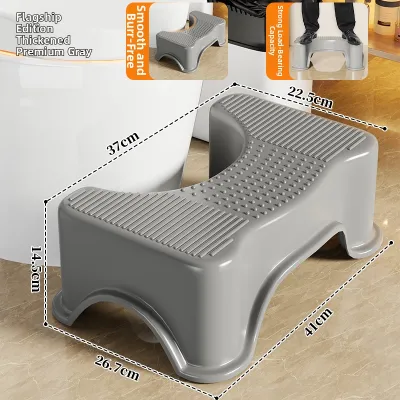
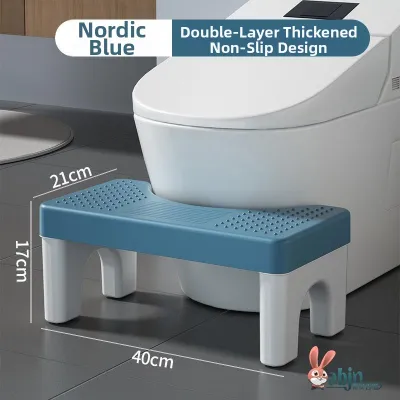
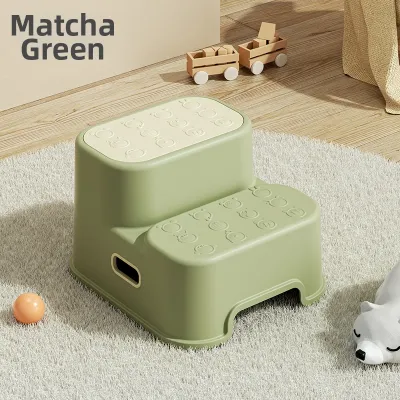
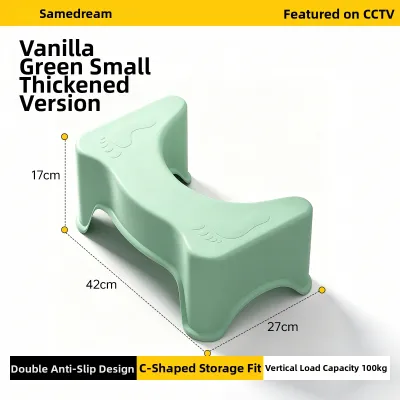
Prices are valid at publication and may change. Please refer to the product page for the latest price.
Beyond the physiological benefits, a sturdy footrest provides invaluable psychological reassurance. To a small child, the wide opening of an adult toilet bowl can feel intimidating, and the sensation of floating without a solid surface beneath their feet can trigger a fear of falling in. A toilet foot stool grounds your child, giving them a sense of security and control over their body. This physical stability allows them to focus on the task at hand rather than worrying about maintaining their balance on a slippery seat.
Furthermore, having a dedicated stool encourages your child to develop independence. When they can safely climb onto the toilet on their own, they build self-confidence and take ownership of their bathroom routine. While a foot stool is an excellent tool to foster this autonomy, remember that active adult supervision and a patient, encouraging attitude remain essential throughout their potty training journey. Every child develops at their own pace, and providing the right physical environment is just one part of a successful transition.
Essential Features to Look for in a Toilet Foot Stool
Evaluating the specific features of a toilet foot stool ensures that you select a product that is safe, functional, and well-suited to your home. Here are the primary elements to consider before making a purchase.

Height and Ergonomics
The height of the stool is the most critical factor in achieving the correct anatomical posture. Ideally, when your child is seated on the toilet with their feet flat on the stool, their knees should be positioned slightly higher than their hips, creating an approximate 35-degree angle. Because toilet bowl heights and children’s leg lengths vary significantly, you should measure your toilet from the floor to the rim before shopping.
- Fixed-Height Stools: These are typically simple, one-piece designs ranging from 15 to 20 cm in height. They are highly durable and stable but may only provide the correct ergonomic angle for a short window of your child's growth.
- Adjustable-Height Stools: These models feature removable steps or adjustable risers, allowing you to customize the height as your child grows. While they offer excellent long-term value, you must regularly verify that the adjustment mechanisms are securely locked in place before use.
Non-Slip Surfaces
Bathrooms are inherently wet and humid environments, making slip resistance a paramount safety consideration. A high-quality stool must feature slip-resistant elements on both the top stepping surface and the bottom base.
- Stepping Surface: Look for stools with molded textured patterns, raised rubberized treads, or non-slip silicone pads on the top. This prevents your child's feet from sliding, even if they are wearing socks or have wet feet after a bath.
- Base Grips: The bottom of the stool should be equipped with continuous rubberized trim or thick rubber pads. These grips prevent the stool from sliding across smooth ceramic or homogeneous bathroom tiles when your child steps onto it.
Stability and Weight Capacity
A stable stool must resist tipping, even when your child steps on the very edge of the platform. Look for designs with a wide, flared base that is broader than the top stepping surface, as this lowers the center of gravity and minimizes the risk of accidental tipping.
Always check the manufacturer’s specified weight limit and age recommendations on the product packaging. Some lightweight plastic stools are designed strictly for toddlers up to 25 kg, while heavier wooden or reinforced plastic models can support adult weight. Choosing a stool with a higher weight capacity ensures structural integrity and prevents the material from flexing or cracking under pressure.
Material and Durability
The material of the stool affects its weight, ease of cleaning, and longevity. The two most common materials are plastic and wood, each offering distinct advantages.
- BPA-Free Plastics: Polypropylene and other high-grade plastics are lightweight, highly resistant to moisture, and incredibly easy to sanitize. They are ideal for wet bathrooms, though you should ensure the plastic is thick and free of sharp edges or rough seams.
- Treated Wood: Wooden stools offer a classic aesthetic and a heavier weight, which naturally increases stability. However, if you choose wood, verify that it has been treated with a non-toxic, water-resistant sealant to prevent warping, splintering, and mold growth in humid environments.
Portability and Storage
If your child uses multiple bathrooms, or if the stool needs to be moved out of the way for adult family members, portability is key. A lightweight design allows your toddler to slide the stool into place independently, reinforcing their sense of capability. However, the stool must remain heavy enough to stay firmly planted on the floor during use. Look for integrated carry handles or side cutouts that make it easy for small hands to grip and carry the stool safely.
Recommended Toilet Foot Stool Types for Different Needs
Different bathroom layouts and family dynamics require different stool designs. Understanding the pros and cons of each type will help you choose the best fit for your household.
U-Shaped and Wrap-Around Stools
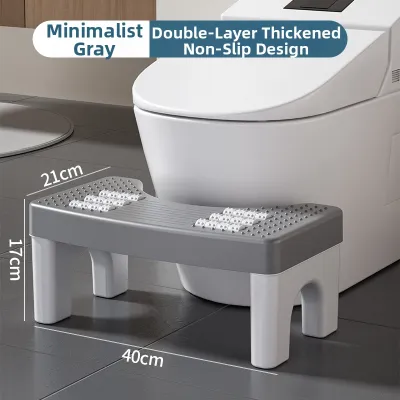
U-shaped stools are specifically contoured to curve around the pedestal of a standard toilet bowl. This design allows the stool to be pushed flush against the toilet when not in use, keeping the floor space clear for adult users.
- Ideal Use Case: Great for households with standard floor-mounted toilets where the stool will remain in one bathroom permanently.
- Benefits: They provide a wide, continuous stepping area that gives toddlers plenty of room to turn around and position themselves. Because they tuck neatly under the bowl, they present less of a tripping hazard for adults.
- Limitations: These stools can be bulky and may not fit properly around modern wall-hung toilets, elongated bowls, or smart toilets with wide, square bases. Always measure the width of your toilet's base before purchasing a contoured model.
Standard Single-Step Stools
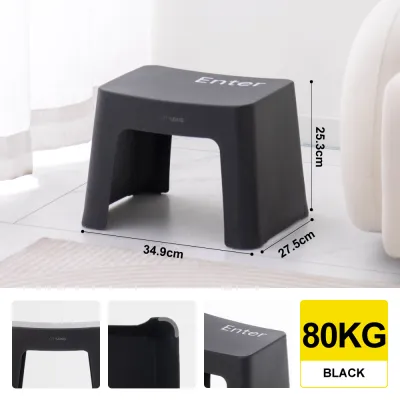
Standard single-step stools are traditional, rectangular or oval steps that offer a flat, elevated platform. They are simple, highly versatile, and widely available in various heights and materials.
- Ideal Use Case: Perfect for multi-purpose bathrooms or families looking for a budget-friendly, multi-functional step.
- Benefits: Because they are not contoured to the toilet, these stools can easily be carried to the bathroom sink to help your child wash their hands or brush their teeth. They generally have a compact footprint and are easy to store.
- Limitations: The narrower stepping surface requires more coordination and balance from your child. Additionally, they must be manually moved away from the toilet base whenever an adult needs to use the toilet comfortably.
Foldable and Travel-Friendly Stools
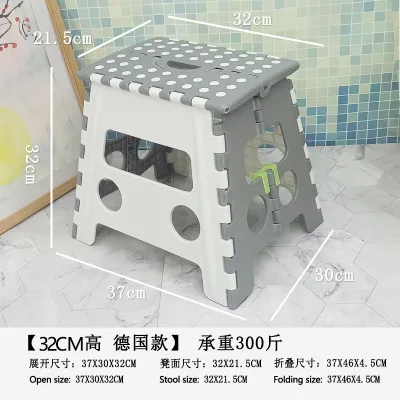
Foldable stools feature hinges that allow the sides to collapse inward, reducing the stool to a flat, compact shape that can be tucked away or packed in a bag.
- Ideal Use Case: Highly recommended for small apartments, shared family bathrooms, or families who travel frequently.
- Benefits: These stools save valuable floor space and can be stored in narrow gaps beside the vanity or toilet when not in use.
- Limitations: Foldable designs have moving parts, meaning you must perform a critical safety check to ensure the locking mechanism is fully engaged before every single use. They also tend to have lower weight capacities and may feel slightly less rigid than solid, single-piece molded stools.
Stools with Support Handles
These stools feature integrated side rails, handles, or built-in ladders that attach directly to a toddler toilet seat insert. They provide a complete climb-up system for the child.
- Ideal Use Case: Best for younger toddlers (around 18 to 24 months) who are just beginning their potty training journey and require extra physical support.
- Benefits: The sturdy side handles offer physical leverage, allowing children to pull themselves up and steady themselves as they turn around to sit. This design significantly reduces the fear of falling.
- Limitations: These units are quite bulky and can be difficult to store. They require assembly and must be lifted on and off the adult toilet bowl frequently, which can be inconvenient in a shared bathroom.
Safety Checks and Maintenance for Bathroom Stools
To ensure your toilet foot stool remains a safe and hygienic tool for your child, establish a regular routine of inspections and cleaning.
- Perform Routine Inspections: At least once a month, inspect the physical condition of the stool. Check that the rubber non-slip pads on the bottom are intact and have not peeled off or worn smooth. If you notice any hairline cracks in plastic stools, splintering in wooden models, or loose joints in folding stools, stop using the product immediately and replace it.
- Clean Regularly in Humid Climates: In warm, humid environments, moisture can quickly accumulate in the crevices, hinges, and hollow undersides of bathroom stools, leading to mold and mildew growth. Clean the stool weekly using warm water and a mild, child-safe detergent. Pay close attention to the textured non-slip treads on top and the rubber feet underneath. Ensure the stool is dried completely in a well-ventilated area before returning it to the bathroom floor.
- Adhere to Usage Boundaries: Always follow the manufacturer's guidelines regarding weight limits and age recommendations. Never allow older children or adults to stand on a lightweight toddler stool unless the manufacturer explicitly states it is rated for adult weight.
- Maintain Active Supervision: No matter how stable or advanced a toilet stool is, it is not entirely fall-proof. Always supervise your toddler closely as they climb onto, sit on, and descend from the toilet to prevent slips and falls.
Frequently Asked Questions (FAQ)
At what age should my child start using a toilet foot stool?
Physical size and developmental readiness are far more important indicators than chronological age. Most children transition to using an adult toilet with a foot stool between 18 months and 3 years of age. Before introducing a stool, ensure your child can walk and climb stairs steadily, show an interest in using the toilet, and can follow simple instructions. If their feet do not comfortably reach the stool flat when seated, they may need a taller step or should continue using a standalone potty chair until they grow.
Can a regular household step stool be used for potty training?
While a standard household step stool can work in a pinch, it often lacks the specific safety and ergonomic features designed for potty training. Generic stools may be too tall or too short, preventing your child from achieving the proper knee-to-hip alignment. Furthermore, they often lack the extensive non-slip rubber bases required to prevent sliding on wet, tiled bathroom floors. If you choose to use a household stool, carefully verify its stability, slip resistance, and height compatibility before allowing your child to use it.
How do I clean and maintain the non-slip grips?
To maintain the traction of the rubberized or silicone grips, wipe them down regularly with a damp cloth and mild dish soap to remove dust, lint, and soapy residue that can make them slick. Avoid using harsh chemical cleaners, bleach, or abrasive scrubbing pads, as these can degrade the rubber over time, causing it to become brittle, sticky, or smooth. Always allow the stool to air dry completely in a well-ventilated space to prevent moisture from degrading the adhesive holding the grips in place.

Community discussion
Share your experience or ask a question. Comments are reviewed before publication.