
When choosing a toddler cutlery set, you must look for ergonomic handles that match your child’s current grip style, safe and shallow utensil heads that fit their mouth capacity, and durable, food-grade materials that are easy to clean. Selecting the right set depends on matching these physical features to your child’s developmental stage, ensuring they can transition from finger foods to independent feeding with confidence.
In busy households, weaning and self-feeding are major milestones. Finding the right tools helps minimize mealtime frustration and supports fine motor development. By focusing on your child’s physical readiness and the design of the utensils, you can make an informed choice that keeps mealtimes safe and encouraging.
Assess Your Toddler's Feeding Skills and Grip
Observe how your child naturally interacts with objects during playtime and meals. Toddlers starting their self-feeding journey typically begin with a full fist grip, wrapping their entire hand around an object. As their fine motor skills progress, they transition to a palmar grasp, using their fingers and palm to control the utensil, before eventually developing the pincer grasp needed for more precise movements.
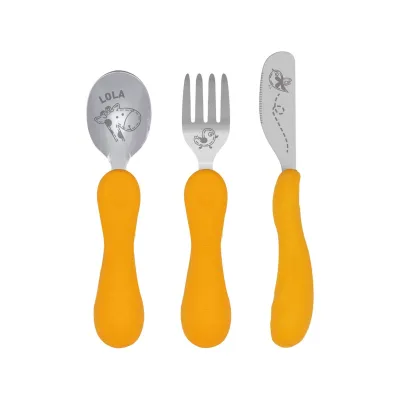
Products mentioned in this guide
![[SG Stock] Marcus & Marcus Toddler Mealtime Set Palm Grasp Spoon & Fork Set Baby Suction Bowl Learning Chopsticks 18 Month+](https://img.lazcdn.com/g/p/d31da2248624559abe7969f87c443b39.jpg_400x400q80.jpg_.webp)
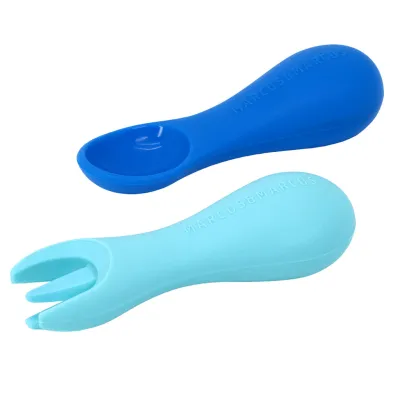
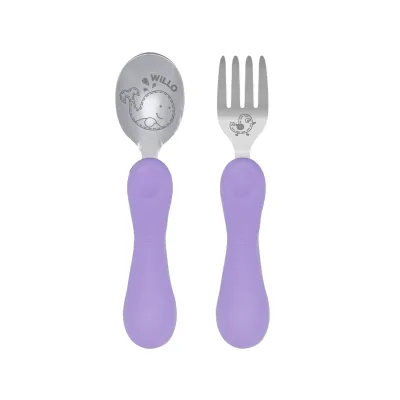
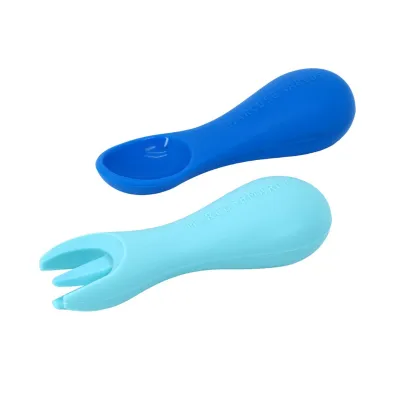
Prices are valid at publication and may change. Please refer to the product page for the latest price.
Watch how your child handles food on their tray. If they are actively trying to scoop purees or soft grains with their hands or a toy, they are showing interest in the mechanics of feeding. A child who can successfully guide a loaded spoon to their mouth—even with some spills—is demonstrating the hand-eye coordination required for dedicated toddler utensils.
Recognizing the signs of readiness to transition from soft infant spoons to structured toddler cutlery is key. Look for behavioral cues, such as your child reaching for your fork during family meals or showing frustration when soft silicone spoons bend too much against solid foods. When they begin attempting to pierce soft foods with their fingers or toy tools, it is a clear signal to introduce more structured cutlery.
Evaluate Handle and Utensil Head Designs
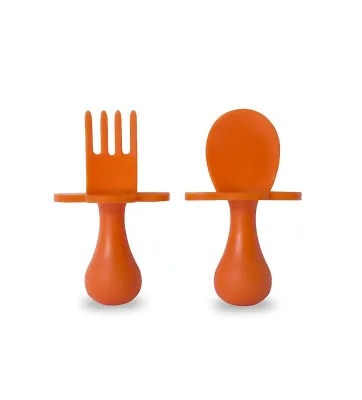
The physical design of a toddler cutlery set directly impacts how easily your child can master self-feeding. Ergonomic handles are the foundation of a successful transition. Look for short, chunky, or bulbous handles that fit comfortably inside a small palm, as long handles can be unwieldy and cause the utensil to wobble. Contoured grips with textured surfaces or built-in collars are also highly beneficial, as they prevent tiny, slippery hands from sliding down onto the food-contact area.

Next, examine the design of the utensil heads. A toddler spoon should feature a shallow bowl, which allows your child to clear food easily with their upper lip rather than having to tilt the spoon at an extreme angle. For forks, look for blunt, rounded tines. These tines must be sharp enough to pierce soft foods like steamed carrots or pasta, yet rounded enough to prevent any accidental scratching of sensitive gums or skin.
Weight and balance play a subtle but crucial role in how a toddler manages their cutlery. The utensils must be lightweight enough that your child does not tire of lifting them during a meal. However, a completely weightless plastic utensil can be difficult for a child to track spatially. Opt for sets with a slight, balanced weight in the handle, which helps stabilize hand movements and keeps the utensil from tipping over easily when resting on the plate.
Verify Materials and Safety Construction
Safety and hygiene are paramount when selecting items that go directly into your child’s mouth. Always read the manufacturer’s packaging and product labels carefully to verify material compliance. Look for clear declarations stating that the cutlery is made from food-grade materials, such as high-quality silicone, stainless steel, or BPA-free plastics. Avoid products that lack clear material disclosures or age-grade recommendations.
Examine the physical construction of the cutlery set, paying close attention to how the different parts are joined. Seamless construction is highly desirable because any gaps, deep crevices, or joints between the handle and the utensil head can trap food particles and moisture. Over time, these hard-to-clean areas can become breeding grounds for bacteria, compromising your child’s health.
Consider how the cutlery will fit into your daily kitchen routine, particularly regarding cleaning and sterilization. Check the product specifications for heat resistance indicators. If you plan to use a steam sterilizer, UV sterilizer, or high-temperature dishwasher cycle, ensure the materials are rated to withstand these processes without warping, degrading, or releasing chemical residues.
If you encounter a product with missing, vague, or contradictory safety labels, age-grade warnings, or care instructions, do not guess its suitability. Stop using or purchasing the item and consult the manufacturer directly, or seek advice from a pediatric feeding specialist. It is always safer to choose products with fully transparent and verifiable safety documentation.
Finalize Your Cutlery Set Selection
To make your final decision, cross-reference your child’s current fine motor stage with the physical features of your shortlisted cutlery sets. If your toddler is still using a full fist grip, prioritize short, spherical, or chunky handles that fit naturally in their palm. For toddlers who are starting to refine their grasp, slightly longer, contoured handles with non-slip grips will support their evolving hand control.
Next, verify that the size of the utensil heads matches your child’s mouth capacity and the foods they typically eat. A spoon that is too wide or deep will cause frustration and spills, while a fork with tines that are too thick will struggle to pierce the soft-cooked vegetables common in early weaning. Ensure the set you choose matches their current developmental diet.
Finally, confirm that the materials and construction of the cutlery set align with your household’s daily routines. If you rely heavily on dishwasher cleaning or UV sterilization, select durable stainless steel or high-grade silicone sets certified for those methods. By matching the cutlery’s design to both your child’s physical readiness and your daily lifestyle, you can ensure a smooth, successful transition to independent eating.
Frequently Asked Questions (FAQ)
When should I introduce a fork to my toddler?
You can introduce a toddler-safe fork when your child demonstrates the physical ability to stab soft foods and shows consistent hand-eye coordination with a spoon. Watch for signs of interest, such as your toddler trying to use their fingers to pierce food or attempting to mimic how you use a fork during family meals. Start with soft, easily pierceable foods like cooked sweet potato or banana slices to help them build confidence without frustration.
How do I clean and maintain toddler cutlery safely?
Always follow the manufacturer’s specific washing, drying, and sterilization instructions to maintain the integrity of the materials. Regularly inspect each utensil for signs of wear, such as deep scratches, discoloration, peeling coatings, or rough edges that could harbor bacteria or scratch your child’s mouth. If you notice any structural damage or degradation, discard the item immediately and replace it to ensure ongoing safety during mealtimes.

Community discussion
Share your experience or ask a question. Comments are reviewed before publication.