
Selecting the right potty training equipment for a toddler boy involves more than simply picking a favorite color or a fun character design. Because of anatomical differences and early physical habits, young boys require specific structural features to ensure their potty training experience is comfortable, hygienic, and successful. A well-designed potty helps prevent messy spills, encourages proper posture, and builds the confidence your child needs to transition away from diapers. By focusing on key physical attributes like splash guard height, bowl depth, and overall stability, you can select a tool that aligns perfectly with your toddler’s developmental stage and your home’s layout.
When evaluating options, the primary goal is to find a design that naturally accommodates a boy’s physical needs while sitting or standing. The right choice minimizes the physical frustration of accidental sprays and makes the cleaning process straightforward for caregivers. Whether you are preparing for early-stage training in a compact bathroom or setting up a transition system for an adult toilet, understanding these design elements will help you make an informed, practical purchase.
Key Design Features for a Boy's Anatomy and Habits
An effective splash guard is the most critical feature to look for when choosing a potty for a toddler boy. Urination while seated requires a physical barrier at the front of the bowl to redirect upward spray downward into the basin. When evaluating splash guards, look for a design that is sufficiently high and wide to block spray, but contoured so that it does not interfere with your child’s ability to sit down or stand up independently. Integrated splash guards—those molded directly into the potty seat itself—are highly recommended over removable clip-on versions, as removable guards can easily pinch sensitive skin, become loose, or be pulled off by a curious toddler.
Products mentioned in this guide
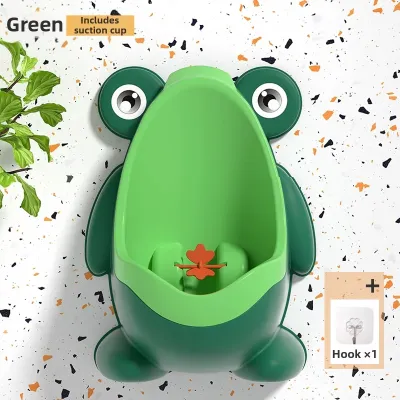

Prices are valid at publication and may change. Please refer to the product page for the latest price.
The shape and depth of the inner bowl also play a significant role in maintaining hygiene and comfort. A bowl that is too shallow or narrow increases the likelihood of splashing, which can make the training process discouraging for both the child and the caregiver. Look for a potty with a deep, generously rounded bowl that slopes downward toward the back. This contoured shape naturally directs the flow of urine away from the seating surface, minimizing pooling and keeping your child’s skin dry during use.
Proper seating height and posture are essential for successful elimination. To relax the pelvic floor muscles completely, a toddler needs to sit with his feet resting flat on a solid surface, with his knees positioned slightly higher than his hips. If a potty is too tall, your child’s legs will dangle, causing muscle tension in the lower abdomen that makes it difficult to empty the bladder fully. When choosing a potty, measure the seat height against your child’s current leg length, or select a system that incorporates a adjustable step stool to support his feet.
Comparing Common Potty Types for Toddler Boys
Freestanding floor potties are often the most practical choice for the initial stages of potty training. Because these units sit directly on the floor, they naturally provide the low seating height required for an optimal squatting posture. Their compact footprint allows you to place them in any room of the house, ensuring that a potty is always within reach when your toddler first learns to recognize the sudden urge to go. When evaluating freestanding models, prioritize options with a wide, heavy base that resists tipping when your child sits down quickly or shifts his weight.

Potty seats with step stools, also known as toilet seat reducers, are designed to fit directly over your existing adult toilet seat. This type of equipment is excellent for space-saving in smaller bathrooms and helps familiarize your child with the standard family toilet from the beginning. The accompanying step stool allows your toddler to climb up independently and provides a stable platform to rest his feet while seated. When shopping for a seat reducer, verify that the mounting mechanism is highly secure and does not wobble, as any instability can cause fear and resistance in a learning toddler.
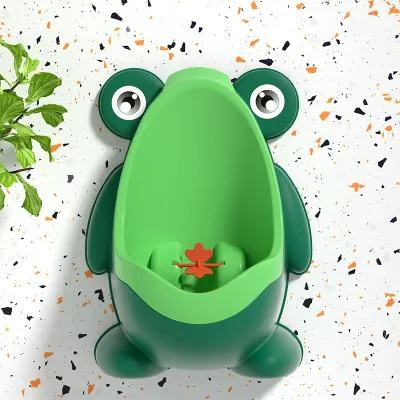
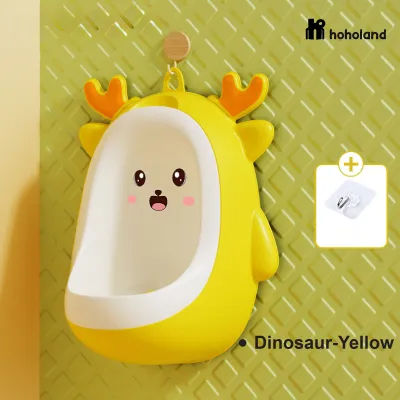
Wall-mounted training urinals offer a dedicated space for boys to practice standing up while urinating. These miniature urinals typically attach to bathroom wall tiles using suction cups or adhesive mounts, allowing you to adjust the height easily as your child grows. While they can make the transition to standing urination fun and engaging, it is important to check the reliability of the mounting system. In humid bathroom climates, moisture can cause standard suction cups to lose grip, so look for models that include secure adhesive brackets or alternative mounting options to prevent accidental falls.
Stability, Materials, and Daily Cleaning Checks
Stability is a paramount safety consideration for any potty training equipment. Toddlers are often restless and may stand up suddenly or lean over to look inside the bowl. To prevent slips and spills, look for a potty with a wide, low-profile base equipped with non-slip rubberized pads along the bottom edge. These grips are especially important on smooth bathroom tiles, where a lightweight plastic potty can easily slide out from under a child as they attempt to sit down.
When it comes to daily maintenance, the choice between a removable inner bowl and a one-piece design involves a trade-off between convenience and hygiene. Removable inner bowls allow you to lift out the small basin, empty the contents directly into the adult toilet, and rinse it in the sink without moving the entire potty structure. However, you must carefully inspect the seams where the removable bowl meets the main frame, as these joints can trap moisture and urine over time. One-piece designs eliminate these seams entirely, making them incredibly easy to wipe clean, though they require you to carry the entire unit to the toilet for emptying.
The surface finish of the potty should be completely smooth and non-porous to prevent the absorption of odors and bacteria. High-grade, matte-finish polypropylene is an excellent material choice because it is durable, easy to sanitize, and resistant to cracking. Avoid potties with intricate decorative grooves, fabric cushions, or complex hinge mechanisms, as these features quickly accumulate grime and are difficult to clean thoroughly during daily sanitizing routines.
Building Your Final Potty Shopping Checklist
Before making a final purchase, take a moment to assess your specific household needs and your child’s physical development. If you live in a home with compact bathrooms, a multi-functional potty that transitions from a freestanding unit to a toilet seat reducer and a step stool can save valuable floor space. Ensure that any model you consider fits the specific shape of your home toilet, whether it is round or elongated, to guarantee a secure fit for seat inserts.
It is highly beneficial to filter out unnecessary gimmicks when browsing online marketplaces or local retailers. While potties featuring built-in toy bars, flashing lights, or electronic flushing sounds might seem like they would motivate a child, they often serve as major distractions that draw attention away from the physical sensations of potty training. Additionally, these electronic components cannot be submerged in water, making deep cleaning and sanitizing highly inconvenient and potentially damaging to the device.
Finally, always verify the manufacturer’s specifications before completing your purchase. Check the maximum weight limit and recommended age range to ensure the potty is structurally appropriate for your toddler’s current size. It is also wise to look for brands that offer easily accessible replacement parts, such as extra splash guards or replacement non-slip rubber feet, ensuring that your potty training equipment remains safe and functional throughout your child’s learning journey.
Frequently Asked Questions (FAQ)
When is the right time to introduce a potty to a toddler boy?
Instead of relying on a strict age milestone, look for physical and behavioral readiness signs in your toddler. These signs include showing a natural interest in bathroom routines, mimicking the behavior of parents or older siblings, and staying dry for two or more hours at a time. Your child should also be physically capable of walking to the potty, sitting down independently, and following simple, two-step instructions before you begin the training process.
Should I teach my son to pee sitting down or standing up first?
It is generally recommended to start potty training sitting down. Sitting allows your son to learn how to relax his pelvic floor muscles for both urination and bowel movements simultaneously, which helps establish a consistent routine and reduces confusion. Once he has mastered seated control and can reliably recognize the urge to go, you can gradually introduce standing urination using targets in the toilet or a wall-mounted training urinal.

Community discussion
Share your experience or ask a question. Comments are reviewed before publication.