
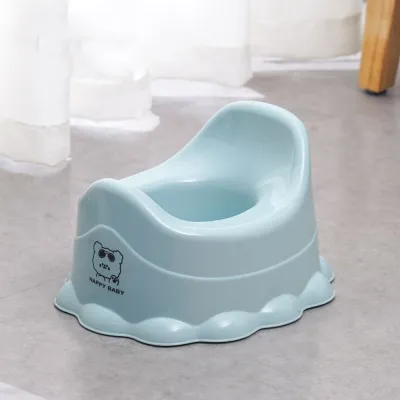
Potty training a toddler boy requires a thoughtful approach to equipment selection. To minimize messes and support your child’s developmental milestones, the ideal toddler boy pee pot must feature a high, integrated splash guard, a deep and elongated bowl, an ergonomic seat that encourages sitting back, and a wide, non-slip base. These physical attributes directly address the anatomical and behavioral tendencies of young boys, transforming what could be a messy transition into a manageable, hygienic routine.
Selecting the right training tool involves looking past bright colors or cartoon characters. While visual appeal can spark initial interest, the structural design of the potty determines its daily usability. A poorly designed model can lead to frequent spills, wet clothes, and unnecessary frustration, which might set back your training progress. By focusing on specific physical features, you can create a supportive environment that builds your toddler’s confidence and simplifies your cleaning routine.
Why Potty Design Matters Specifically for Boys
Anatomical differences play a significant role in how toddler boys interact with training potties. Unlike girls, who generally direct urine downward, boys have a more variable and forward-projecting stream. This physical reality means that standard, shallow, or round potty designs often fail to contain the spray, leading to frequent spills onto the bathroom floor or the child’s clothing. Understanding this flow pattern is the first step in selecting a potty that keeps the surrounding area dry.
Products mentioned in this guide
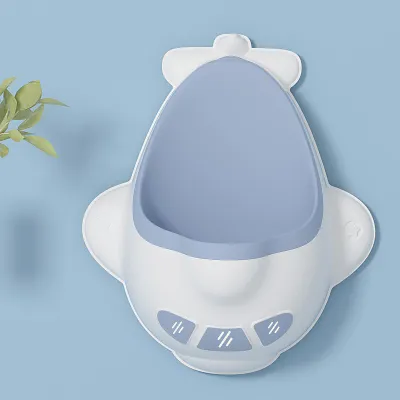
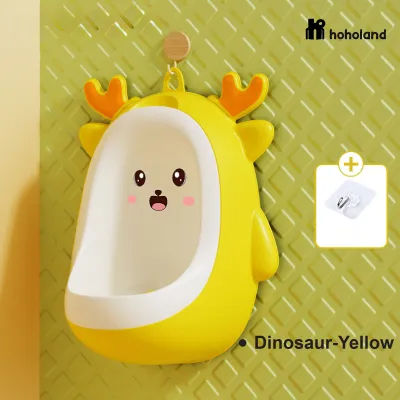
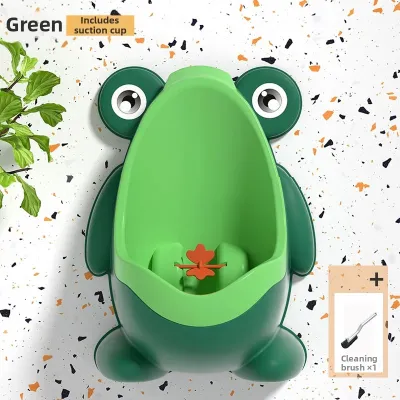
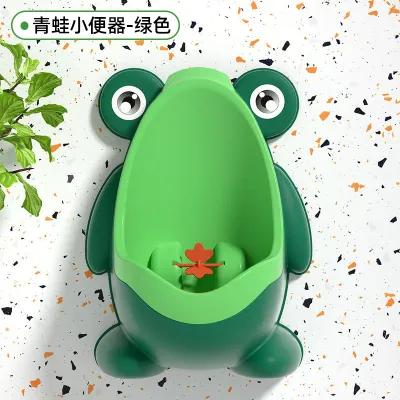
![[GIFT BOUTIQUE] Toilet Training Children Potty Pee Urine Home Bathroom//Childrens Toilet Boy Baby Wall-Mounted Urinal Urinal Boy](https://img.lazcdn.com/g/ff/kf/S16a891bed704415fad94a1efcae08936e.jpg_400x400q80.jpg_.webp)

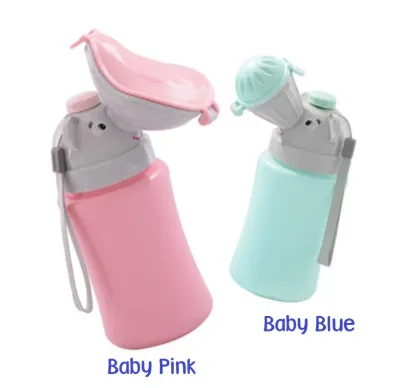
Prices are valid at publication and may change. Please refer to the product page for the latest price.
Behavioral habits also influence how boys sit on a potty. Toddlers are naturally active and often struggle to sit still, frequently leaning forward, shifting their weight, or perching right on the front edge of the seat. For a young boy, this forward-leaning posture can alter the angle of urination, directing the stream upward or outward rather than straight down into the basin. A potty designed specifically with these physical movements in mind helps guide the child into a more secure, centered position.
Furthermore, young boys often lack the muscle control and coordination required to manually direct their stream downward during the early stages of training. Expecting a toddler to manage both the physical release and the physical aiming simultaneously can be overwhelming. A well-designed potty takes the pressure off the child by using physical barriers to manage the stream, allowing your toddler to focus entirely on learning to recognize and respond to their bodily cues.
By choosing a potty that accommodates these physical and behavioral tendencies, caregivers can significantly reduce daily cleanup time. Constant spills can turn potty training into a stressful chore for both parent and child, sometimes causing the toddler to develop anxiety around using the bathroom. A well-designed potty minimizes these accidents, fostering a positive, stress-free learning experience where your child feels secure and successful.
Must-Have Design Features for a Toddler Boy Pee Pot
When evaluating different models on the market, caregivers should focus on three core structural categories: splash containment, seating ergonomics, and base stability. Each of these elements addresses a specific challenge associated with training a toddler boy. Balancing these features ensures the potty is both highly functional for containment and comfortable enough for daily use.

Splash Guards and Bowl Depth
The front splash guard is arguably the most critical feature of any toddler boy pee pot. A high, integrated guard acts as a physical barrier, blocking upward and outward streams and directing them safely down into the basin. When inspecting potential models, look for a guard that is tall enough to provide coverage even when your child leans forward, but not so high that it makes mounting or dismounting the potty difficult or uncomfortable for small legs.
It is generally recommended to choose a potty with an integrated, molded splash guard rather than a clip-on version. Clip-on guards often have small gaps where liquid can seep, creating hard-to-clean areas that can harbor bacteria and odors over time. Furthermore, removable guards can easily be dislodged by an active toddler, creating a potential pinching hazard or falling off entirely during use. A seamless, single-piece design eliminates these risks and simplifies daily sanitizing.
Bowl shape and depth are equally important for containing splashes. Elongated, deep bowls offer significantly more physical space, accommodating a boy’s anatomy more comfortably than shallow, circular designs. A deeper basin ensures that even if the stream is directed at an angle, the liquid remains contained within the unit, reducing the risk of splashing back onto the child’s skin or clothes. This extra volume also provides peace of mind during longer sitting sessions.
Caregivers must also examine the physical construction of the splash guard area. Ensure there are smooth, seamless transitions between the guard and the seat itself, with no sharp edges or tight crevices. Seamless designs prevent painful pinching when your toddler sits down or shifts position. Additionally, avoiding deep seams in this high-contact zone makes daily wiping and sanitizing much easier, preventing urine from becoming trapped in hard-to-reach areas.
Seat Shape and Ergonomics
A comfortable toddler is a cooperative toddler, making seat ergonomics a vital consideration. Look for contoured seats that naturally slope downward toward the back, encouraging your child to sit fully back in the bowl rather than perching on the front edge. This physical positioning naturally aligns their anatomy with the deepest part of the basin and the splash guard, maximizing containment and reducing the likelihood of forward-directed spills.
A supportive backrest plays a key role in maintaining this optimal seating position. High backrests provide essential lumbar support, helping your toddler feel secure and relaxed while waiting. When a child feels physically supported, they are less likely to fidget, lean excessively, or try to stand up prematurely. This stability is particularly helpful during the early stages of training when sitting sessions may last several minutes.
Proper seat height also affects your child’s posture and comfort. If the potty is too low, your toddler’s knees will be pushed too high, which can cause discomfort and make them lean back too far. If the potty is too high, their feet will dangle, reducing their stability and confidence. A well-designed potty balances seat height with a contoured shape to keep the child in a natural, relaxed squatting position, which is anatomically optimal for elimination.
Finally, consider the overall width and opening size of the seat. The opening must be large enough to accommodate your growing toddler comfortably without feeling restrictive, yet small enough that they do not feel like they are falling through. A seat that is too narrow can cause discomfort and discourage use, while an overly wide opening can cause the child to sink too deep, leading to anxiety and poor posture.
Stability and Non-Slip Bases
Toddlers are constantly in motion, and a potty that slides or tips can quickly shatter a child’s confidence. A wide, flared base is essential for maintaining stability when your boy climbs onto the seat, shifts his weight, or leans forward to inspect his progress. Models with a low center of gravity are inherently more stable, resisting the tipping forces that occur during active mounting and dismounting.
The weight of the potty itself also contributes to its overall stability. A slightly heavier outer shell made of thick, durable plastic is less likely to shift when a toddler bumps into it or tries to sit down quickly. While lightweight models may seem convenient for travel, they often slide easily under the weight of an active toddler, which can startle them and make them hesitant to use the potty again.
To ensure the potty remains firmly in place, evaluate the bottom of the unit for non-slip rubber grips or feet. Bathrooms often feature smooth, tiled floors that can become slippery when wet or dusty. High-quality rubberized borders or multi-point rubber pads on the base prevent the potty from sliding across the floor when your child sits down. This secure grip is crucial for building trust, as a stable potty allows your child to focus on the task at hand.
Caregivers should avoid overly lightweight, hollow plastic models that lack a weighted base or rubberized grip. Investing in a sturdy, well-weighted unit for your primary bathroom ensures a consistent, secure experience that supports your child’s independence as they learn to manage the process on their own. Always supervise your child during use to ensure they are using the potty safely and correctly.
Standalone Potties vs. Toilet Seat Reducers
One of the first decisions caregivers face is choosing between a standalone floor potty and a toilet seat reducer that fits over an adult toilet. Both options have distinct advantages and drawbacks, particularly when training a toddler boy, and understanding these differences can help you determine the most suitable option for your home.
Standalone floor potties are highly recommended for the initial stages of training. Because they sit directly on the floor, they allow your toddler to plant their feet firmly on the ground, providing the necessary leverage for comfortable bowel movements. These models typically feature highly effective, built-in splash guards and deep bowls designed specifically for small bodies. The main drawbacks are their physical footprint in your bathroom and the requirement for manual emptying and cleaning after every use.
Toilet seat reducers, which place a smaller ring over your existing toilet seat, offer a direct transition to adult toilet habits. They save valuable floor space and eliminate the need to manually empty a basin, as waste goes directly into the plumbing. However, they require your child to use a step stool to reach the seat, and they may lack the high, integrated splash guards found on standalone models. Additionally, some reducers can leave a small gap between the insert and the adult seat, which can lead to leaks if the stream is directed sideways.
For many families, a combination approach works best. You might start with a standalone floor potty in the main living area or bathroom to build confidence and master basic aiming. Once your boy is comfortable with the routine and has developed better physical control, you can transition to a toilet seat reducer paired with a sturdy step stool. This progression supports his growing independence while keeping cleanup manageable at each stage.
Some manufacturers offer versatile multi-stage potties that convert from a standalone unit to a toilet seat reducer and a step stool. While these can offer excellent long-term value, caregivers must still verify that each configuration maintains the necessary stability and splash protection for a boy. Always check the manufacturer’s documentation for weight limits and age recommendations for each configuration before use.
Maintenance and Cleaning Features for Caregivers
While your child’s comfort is paramount, the ease of maintenance is a critical factor for the caregiver who will be cleaning the potty multiple times a day. Look for models that feature a removable inner bowl. This design allows you to lift the basin out of the main frame, carry it directly to the toilet for emptying, and rinse it in the sink without having to transport or submerge the entire potty unit.
The material composition of the potty directly impacts how easy it is to sanitize. Choose high-quality, smooth plastics that are free from BPA and phthalates. The surface should be non-porous and free of unnecessary decorative crevices, textured patterns, or deep joints where moisture and bacteria can accumulate. Smooth surfaces resist staining and odor absorption, ensuring the potty remains hygienic and fresh over months of continuous use.
In Singapore’s warm and humid climate, keeping the potty clean and dry is especially important to prevent mold or bacterial growth in the bathroom. Choosing a potty made from high-density, non-porous plastic helps prevent odors from absorbing into the material. Avoid models with complex mechanisms, buttons, or battery compartments in the splash zone, as these can be difficult to clean and sanitize thoroughly without damaging the product.
Ergonomic handles or molded grips on the removable bowl and the outer frame are small details that make a significant difference. These features allow you to lift, carry, and empty the basin securely without coming into contact with the waste. A secure grip reduces the risk of accidental spills during transport, making the daily cleaning routine much more hygienic and less stressful for busy parents.
Building Your Shortlist: A Pre-Purchase Checklist
To help you navigate the wide variety of options available on ecommerce platforms, use this structured checklist to evaluate and compare different models before making a purchase.
- Splash Guard Height: Is the front guard integrated, molded, and tall enough to block forward streams?
- Bowl Shape and Depth: Is the basin elongated and deep enough to accommodate male anatomy comfortably?
- Base Stability: Does the potty have a wide, flared base with non-slip rubber grips on the bottom?
- Seat Ergonomics: Is the seat contoured to encourage sitting back, and does it feature a supportive backrest?
- Cleaning Ease: Does it have a removable inner bowl with smooth, crevice-free surfaces and secure handles?
- Safety and Warnings: Have you verified the manufacturer's weight limits, age recommendations, and safety warnings?
When browsing online marketplaces, read product descriptions carefully to verify these physical dimensions. Look closely at product images to assess the height of the splash guard and the presence of rubber grips on the base. While user reviews can offer helpful insights into real-world durability, focus on objective design features rather than subjective opinions to make your decision.
Before finalizing your purchase, measure the available floor space in your bathroom to ensure the potty will fit comfortably without blocking walkways or cabinet doors. If you live in a multi-story home, you may want to consider purchasing more than one potty to ensure your toddler can reach it quickly when the urge arises. Additionally, check the retailer’s return policy, as many sellers do not accept returns on opened personal hygiene items.
Always verify that the product has not been subject to any recent safety recalls and meets current safety standards. If your child has any physical or developmental conditions that might affect their ability to use a standard potty, consult a pediatrician or a qualified healthcare professional for personalized guidance before starting the training process.
Frequently Asked Questions (FAQ)
When should I introduce a pee pot to my toddler boy?
Introducing a potty should be based on your child’s developmental and behavioral readiness rather than a strict age milestone. Look for physical signs such as staying dry for several hours at a time, waking up dry from naps, or showing the physical coordination to pull pants up and down. Behavioral cues are equally important; your toddler may show interest in watching family members use the bathroom, communicate when they are about to go, or seek out a private space when having a bowel movement. It is common for boys to show these readiness signs slightly later than girls, so maintaining a patient, pressure-free approach is essential for a successful transition. If you have concerns about your child’s developmental progress, consult a qualified professional.
Should I teach my toddler boy to pee sitting down or standing up first?
It is highly recommended to teach your toddler boy to pee sitting down first. Sitting down helps him focus on the physical sensations of bladder and bowel release without the added distraction of having to aim. This approach naturally minimizes splashes and keeps the process simple and consistent, as he will use the same posture for both urination and bowel movements. Sitting also ensures that his bladder empties completely, reducing the risk of accidents shortly after leaving the potty. Once he has mastered basic bladder control, established a consistent routine, and grown tall enough to reach the toilet comfortably, you can gradually introduce standing up and aiming under caregiver supervision.

Community discussion
Share your experience or ask a question. Comments are reviewed before publication.