
Choosing the right stainless steel cup for your child depends on matching the cup’s physical design—such as its weight, handle configuration, and lid type—to your child’s current motor skills and oral development. Rather than relying solely on age guidelines, observing how your child holds objects, swallows, and coordinates their hands will guide you to the most supportive cup. Stainless steel offers a durable, long-lasting alternative to plastic, but its weight and rigidity require careful selection to ensure a safe and frustrating-free transition.
During the weaning journey, your child transitions from the involuntary sucking reflex used for breast or bottle feeding to the complex oral motor patterns needed for cup drinking. This transition is not just about swallowing liquids; it involves a massive leap in physical coordination. In the early stages of weaning, typically around six months of age, babies are just beginning to develop their grasp. They rely on their whole hand to clutch objects and are still refining their hand-to-mouth coordination.
As your child enters the middle phase of weaning, their grip becomes more deliberate. You will notice them using their fingers more actively to hold objects, and their ability to bring a cup to their mouth without spilling improves significantly. At this stage, they are learning to control their lip seal and tongue movement, which are essential for drinking through a straw.
Products mentioned in this guide
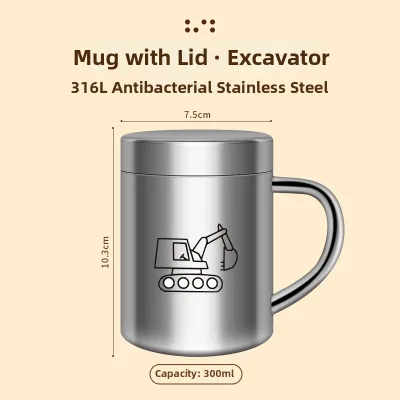
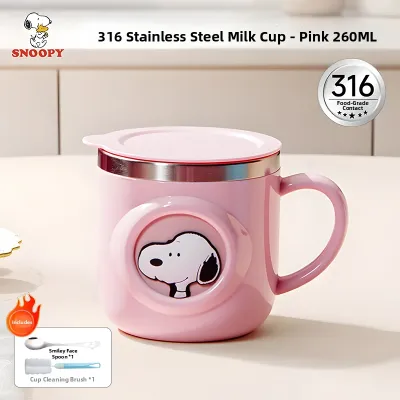
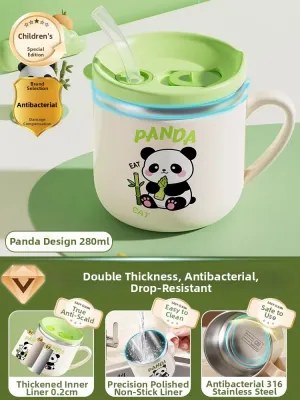
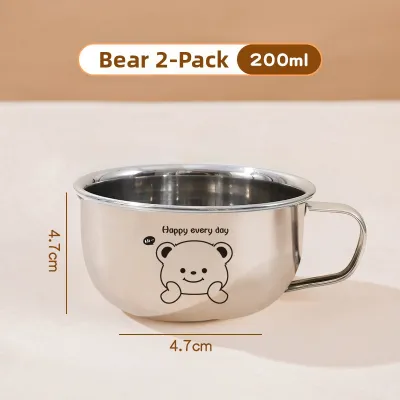
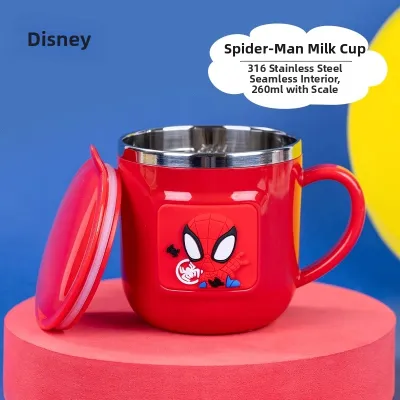
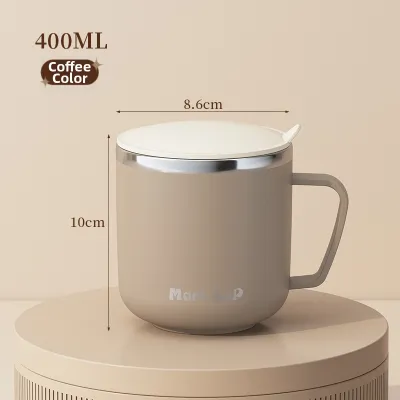
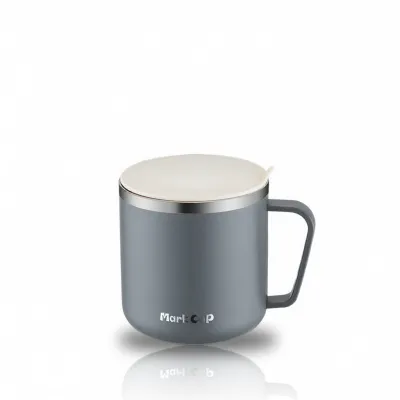
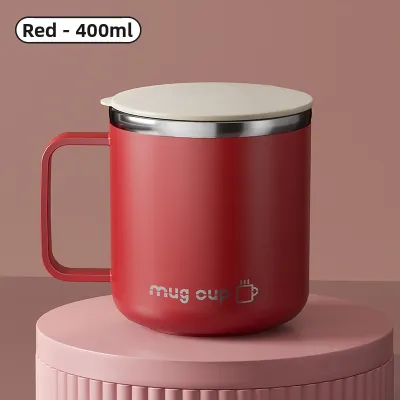
Prices are valid at publication and may change. Please refer to the product page for the latest price.
By the late weaning stage, usually during toddlerhood, children develop the mature swallowing patterns required for open cups. They can control the tilt of a cup and manage the flow of liquid using their lower lip as a stabilizer. Recognizing these physical milestones allows you to choose a cup that matches their current capabilities, preventing spills and supporting natural oral development. Because every child develops at their own pace, observing these physical signs is far more reliable than following rigid age brackets on packaging.
Evaluating Key Design Features for Small Hands and Developing Mouths
When evaluating stainless steel cups, the physical weight of the vessel is a primary consideration. Stainless steel is naturally heavier than plastic, and when filled with water or milk, the total weight can quickly become too heavy for a young baby. Look for single-wall stainless steel options if you want to minimize weight for early weaning, or double-wall insulated models if temperature retention is a priority for outdoor trips in warm climates. Always check the empty weight of the cup and consider how much liquid it holds to ensure your child can lift it comfortably.
Handle configurations play a crucial role in how easily your child can manipulate the cup. Dual handles are excellent for beginners because they allow for a symmetrical, two-handed grip, which helps stabilize shaky movements. As your child’s fine motor skills improve, you can transition to cups with a single handle or handle-free designs that feature a contoured shape or a silicone sleeve. These sleeves not only provide a non-slip surface for sweaty hands in humid weather but also protect small fingers from temperature extremes if the cup contains cold liquids.
The type of spout or rim on the cup directly impacts oral development and teeth emergence. Soft silicone spouts or straw inserts are gentle on sensitive gums and newly emerging teeth, offering a familiar texture that can ease the transition from bottle to cup. However, as your child grows, transitioning to harder rims or open cups is beneficial for dental health. Open rims encourage the tongue to retract and the lips to seal properly, which supports healthy jaw and speech development.
Spill-proof mechanisms and air vents are essential for active toddlers, but they require careful evaluation. Many cups use silicone valves to prevent leaks when the cup is tipped or dropped. While these valves are highly convenient for keeping floors clean, they require varying degrees of suction to release liquid. A valve that requires too much effort can frustrate a child or encourage improper swallowing habits. Look for adjustable valves or cups with built-in air vents that balance spill protection with an easy, natural flow rate.
Matching Cup Designs to Specific Weaning Milestones
Selecting the right cup style is a progressive journey that aligns with your child’s growing independence. Instead of viewing cup selection as a one-time purchase, think of it as a series of transitions where each cup style serves a specific developmental purpose. By matching the cup’s features to your child’s current milestone, you can foster confidence and minimize mealtime frustration.

Early Weaning (Initial Introduction)
During the initial introduction to weaning, your baby is learning that liquids can come from sources other than a breast or bottle. The ideal cup for this stage should prioritize comfort and ease of use over advanced drinking mechanics. Look for lightweight stainless steel cups equipped with soft, flexible silicone spouts or specialized training lids that mimic the familiar feel of a bottle nipple. These soft materials are gentle on tender gums, especially if your baby is teething.
At this early stage, dual handles are highly recommended. They allow your baby to use both hands to guide the cup to their mouth, reinforcing hand-eye coordination. The capacity should remain small, typically around 120 to 150 milliliters, to keep the overall weight manageable. Before purchasing, always check the manufacturer’s packaging for age and developmental recommendations to ensure the cup’s flow rate is safe for a beginner.
Mid Weaning (Building Independence)
As your child develops a stronger grip and better head control, they are ready to transition to cups that encourage active sipping. Straw cups are highly effective during this mid-weaning phase because they help strengthen the muscles in the lips, cheeks, and tongue. Weighted straw designs are particularly useful for active babies, as the weighted end follows the liquid, allowing your child to drink from almost any angle, whether they are sitting upright or slightly reclined.
Because children at this stage are highly active and prone to dropping things, robust spill-proof valves are a necessity. However, these complex valve systems can trap moisture and residue, making thorough cleaning essential. When choosing a straw cup, inspect the lid assembly to ensure it can be easily disassembled for washing. Observe your child’s suction strength when they first use the cup; if they struggle to get liquid out or if they cough from a flow that is too fast, you may need to adjust the valve or try a different straw design.
Late Weaning (Toddler Mastery)
The final stage of the weaning journey involves mastering the open cup, which is the gold standard for long-term oral health. Drinking from an open rim teaches your toddler to coordinate their breathing, swallowing, and cup-tilting movements simultaneously. Stainless steel open cups are ideal for this stage because they are virtually indestructible, easily surviving the inevitable drops onto hard kitchen floors.
When selecting an open cup, pay close attention to the rim design. A rolled or smoothed rim is gentler on your child’s lips and prevents accidental scratches. Look for cups with a wide, stable base or a non-slip silicone bottom to minimize tipping during meals. While your toddler practices this new skill, close supervision is essential to guide their movements and prevent large spills. Verify that the cup’s exterior coating is durable and free from peeling, as toddlers often test the limits of their tableware by dropping or banging it.
Verifying Safety Labels and Maintaining Cup Hygiene
Ensuring the safety and hygiene of your child’s stainless steel cup requires active verification and regular maintenance. While stainless steel is a highly durable material, not all cups are manufactured to the same standards. Always read the product labels, packaging, and user manuals to verify the specific material specifications. Look for food-grade stainless steel designations, such as 18/8 or 304 stainless steel, which indicate a high resistance to corrosion and staining. Additionally, ensure that all plastic, silicone, and rubber components are explicitly labeled as BPA-free.
Before using a new cup for the first time, and after any significant drops, perform a thorough visual and tactile inspection. Run your fingers along the rim, handles, and inner chamber to check for any sharp edges, rough spots, or manufacturing defects. If the cup has an outer painted or powder-coated finish, inspect it regularly for signs of chipping or peeling. Damaged coatings can pose an ingestion risk, so cups with peeling paint should be retired or replaced.
Hygiene is another critical factor, especially with cups that feature complex lid designs, straws, or spill-proof valves. These small crevices are prone to trapping moisture, milk fats, and juice residues, which can lead to mold growth if not cleaned promptly. Disassemble all removable parts completely after every use. Use specialized straw brushes to clean the inside of straws and valve openings, and allow all components to dry completely in a well-ventilated area before reassembling. Establish a regular inspection routine, and replace silicone valves, straws, and spouts immediately if you notice any tearing, discoloration, or persistent odors.
Frequently Asked Questions (FAQ)
Can stainless steel cups safely hold acidic drinks like fruit juice for kids?
Whether a stainless steel cup can safely hold acidic beverages like orange or apple juice depends on the specific grade of steel and any inner coatings applied by the manufacturer. While high-quality food-grade stainless steel is generally highly resistant to corrosion, prolonged exposure to highly acidic liquids can sometimes affect the material or alter the taste of the drink. To ensure safety, always consult the product manual or contact the brand directly for specific guidelines regarding acidic liquids. Do not assume all stainless steel cups are universally compatible with acidic drinks without explicit manufacturer confirmation.
How do I know when it is time to replace my child's stainless steel cup?
While the stainless steel body of a cup is incredibly durable, it is not permanent. You should replace the cup if you notice deep dents that compromise the inner wall, as this can affect insulation or create hard-to-clean crevices. Persistent odors that remain after thorough sanitizing, or any signs of rust along the seams, are also clear indicators that it is time for a replacement. Additionally, soft components like silicone straws, spouts, and sealing rings wear out much faster than the metal body; these accessories should be inspected weekly and replaced at the first sign of cracking, tearing, or material degradation.

Community discussion
Share your experience or ask a question. Comments are reviewed before publication.