
Selecting the right toy storage organizer for a compact nursery requires balancing floor space preservation with easy accessibility. In smaller homes, such as Singapore apartments, every square meter counts, making traditional bulky toy chests impractical. The ideal solution maximizes vertical space, incorporates multi-functional designs, and adapts to your child’s changing developmental stages. By focusing on modularity and safety, you can maintain an organized, clutter-free environment that supports your child’s play and growth.
To make an informed decision, you must evaluate your room’s physical dimensions, understand the specific types of toys you need to store, and prioritize certified safety features. A well-chosen organizer not only keeps clutter at bay but also encourages independent cleanup habits as your toddler grows.
Assess Your Nursery Space and Storage Needs
Before purchasing any toy storage organizer, accurate physical measurements of your nursery are essential. Use a measuring tape to determine the exact floor area you can allocate to storage without restricting movement. Remember to measure the clearance required for opening room doors, wardrobe doors, and drawers, as well as the path needed to access the crib or changing table safely. In compact layouts, even a few centimeters of overhang can block a vital walkway or create a tripping hazard.
Products mentioned in this guide
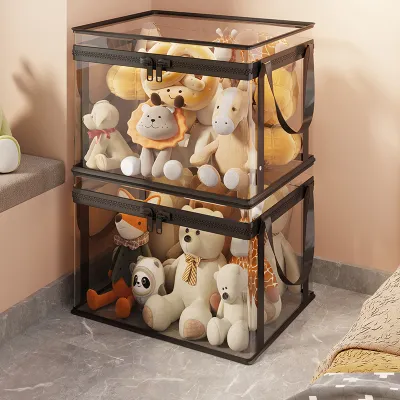
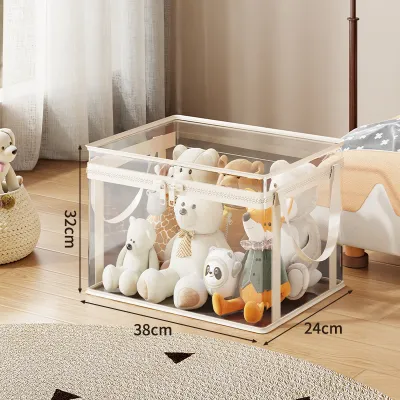
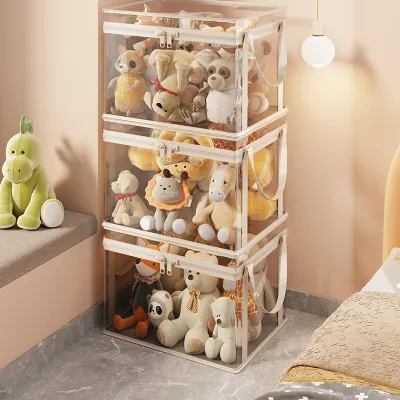
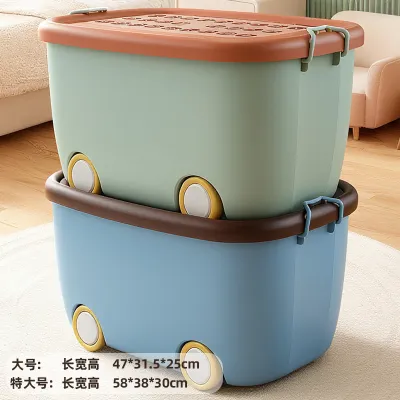
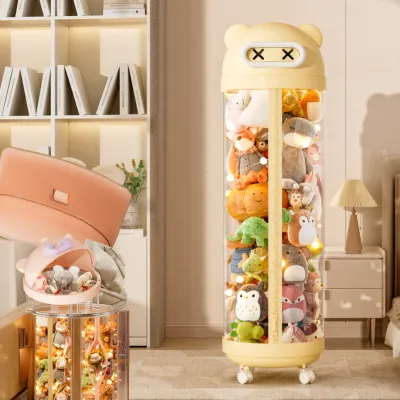
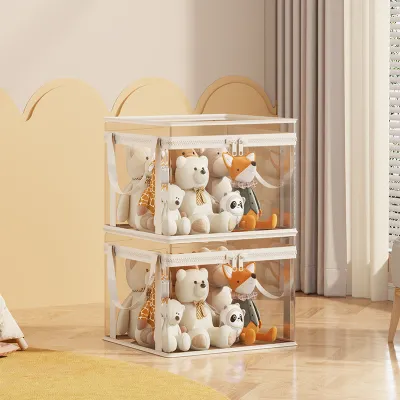
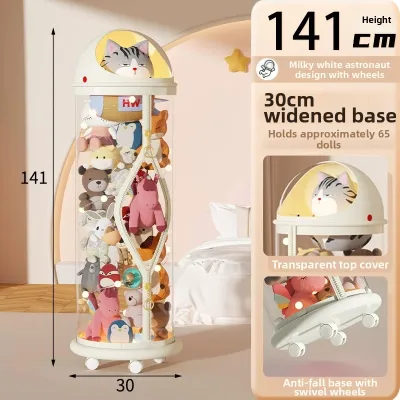
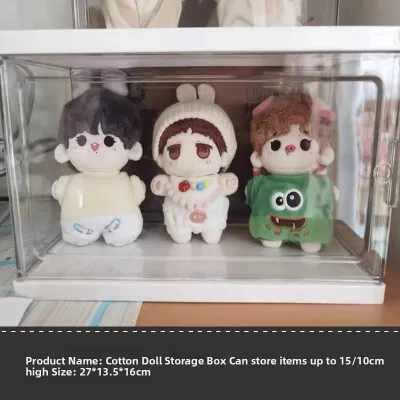
Prices are valid at publication and may change. Please refer to the product page for the latest price.
Next, look upward and measure the available vertical wall space. High walls offer excellent opportunities for shelving, but you must note the locations of electrical outlets, light switches, and air conditioning units. Knowing these boundaries prevents you from buying a tall unit that blocks a switch or sits directly in the path of cold air currents.
Once you have the physical dimensions, audit your child’s current toy collection and anticipate future acquisitions. Group the toys by size, weight, and material. Soft plush toys, light plastic rattles, and board books have very different storage requirements than heavy wooden blocks, train tracks, or activity sets. This audit helps you determine whether you need deep, wide bins for bulky items or shallow, divided compartments for smaller accessories.
Finally, identify underutilized zones in the nursery that can accommodate specialized storage. The space beneath the crib, the empty corners, and the back of the nursery door are often overlooked. Recognizing these hidden areas allows you to select organizers designed specifically for tight spots, such as low-profile under-bed rolling carts or over-the-door pocket organizers, reducing the need for a large freestanding cabinet.
Evaluate Space-Saving Toy Storage Designs
When floor space is limited, vertical toy storage organizers are highly effective. Tall, narrow shelving units utilize the room’s height rather than its width, leaving more open floor area for your baby to crawl and play. For safety and accessibility, place frequently used, lightweight toys on lower shelves where your child can reach them easily under supervision. Reserve the higher shelves for items that require adult assistance, such as board games with small pieces or art supplies.

Multi-functional furniture is another excellent strategy for compact nurseries. Look for storage benches, toy chests with flat, reinforced tops that double as seating, or footstools with hidden internal compartments. These dual-purpose pieces eliminate the need for separate seating and storage units, streamlining the room’s layout. When selecting multi-functional furniture, ensure the materials are robust enough to support sitting weight and that any lids feature safety mechanisms to prevent sudden slamming.
Modular and stackable storage systems offer the flexibility needed to adapt to a growing child’s changing needs. Modular organizers allow you to start with a small configuration and add matching units vertically or horizontally as your toy collection expands. Stackable bins with open-front designs let children access toys without needing to unstack the containers. For seasonal toys or items rotated out of use, collapsible fabric bins are highly practical because they can be folded completely flat and tucked away when empty.
Wall-mounted ledges and floating shelves are excellent for keeping books and small toys off the floor entirely. By displaying books with their covers facing outward, these shelves serve as functional wall decor while keeping the floor clear. Ensure that any wall-mounted system is installed at a height that matches its intended use—either high up for adult-only access or low enough for a toddler to reach safely, depending on the items stored.
Verify Safety and Stability Standards
Safety is the most critical factor when choosing furniture for a nursery, especially in tight spaces where play activities occur close to storage units. Any tall or top-heavy toy storage organizer poses a tip-over risk if a child attempts to climb it. Always check the manufacturer’s specifications to confirm that the unit includes a dedicated wall anchor or anti-tip kit. If a kit is not included, purchase a high-quality, compatible furniture strap separately and install it strictly according to the manufacturer’s instructions.
Examine the materials and construction details of the organizer before buying. Look for products made from non-toxic, baby-safe materials and finishes, and verify these claims by checking the product labels or manufacturer documentation. Ensure all edges are rounded and smooth to prevent cuts or bruises during active play. If the organizer features drawers, cabinet doors, or hinged lids, verify that they incorporate soft-close hinges or safety cutouts to protect delicate fingers from getting pinched.
For wall-mounted shelves and organizers, compatibility with your nursery’s wall type is vital. Singapore homes often feature concrete or brick structural walls, which require specific masonry drill bits and wall plugs for secure installation, whereas partition walls require stud-finding tools and specialized hollow-wall anchors. Never mount a heavy storage unit onto drywall without securing it to the underlying studs. Always verify the maximum weight capacity specified by the manufacturer for both the shelf and the mounting hardware, and never exceed those limits.
Plan the Layout and Installation Clearances
A well-planned layout ensures that your toy storage organizer enhances the nursery’s functionality rather than creating obstacles. Maintain a clear, unobstructed path between the nursery entrance, the crib, and the changing area. Ensure that the organizer does not block emergency exit routes or interfere with the swing of the room’s main door. If space is exceptionally tight, consider sliding doors or open-bin configurations instead of swinging cabinet doors to save valuable clearance space.
When organizing the contents of your storage unit, always place the heaviest items in the lowest bins or shelves. Storing heavy wooden blocks, books, and large toys at the bottom lowers the unit’s overall center of gravity, significantly improving its stability and reducing the risk of tipping. Lightweight items, such as plush toys and plastic balls, can safely occupy the upper levels.
Plan your storage layout with future transitions in mind. A nursery layout that works for an infant will need adjustments as the child transitions into a toddler and eventually a school-aged child. Choose modular systems that can be easily reconfigured, separated, or repurposed for clothing and school supplies later on. By planning for these developmental shifts early, you avoid the need to purchase entirely new furniture pieces every few years, saving both money and space in the long run.
Frequently Asked Questions (FAQ)
How can I keep a small toy storage unit from tipping over?
To prevent a toy storage organizer from tipping, always secure it to the wall using an anti-tip strap or bracket kit, following the manufacturer’s precise installation instructions. Ensure the anchor is screwed directly into a wall stud or secured with appropriate heavy-duty wall plugs suitable for concrete or brick walls. Additionally, always store heavy items on the bottom shelves to maintain a low center of gravity, and instruct children never to climb on the shelves or drawers.
Are fabric storage bins better than plastic ones for small nurseries?
Fabric and plastic bins each offer distinct advantages depending on your specific needs. Fabric bins are lightweight, soft, and collapsible, making them highly safe for young toddlers and easy to store flat when not in use. However, plastic bins are typically more durable, easier to wipe clean and sanitize, and offer better structural rigidity for stacking. Review the manufacturer’s care labels to decide which material fits your maintenance preferences and nursery layout.

Community discussion
Share your experience or ask a question. Comments are reviewed before publication.