
Choosing a sipper cup is a major milestone in your baby’s weaning journey, serving as the bridge between bottle or breast feeding and independent drinking. The transition to a cup helps your baby develop essential oral motor skills, hand-eye coordination, and independence. However, with dozens of options lining the shelves of baby boutiques and online marketplaces in Singapore, finding the right cup can feel overwhelming.
To make an informed decision, you must look beyond aesthetic designs and focus on how a cup matches your baby’s current developmental stage. The ideal sipper cup should feature a spout style appropriate for their oral motor skills, be constructed from safe and durable materials, and incorporate practical design elements that encourage self-feeding while minimizing leaks. Additionally, understanding your household’s cleaning routine and the availability of replacement parts will ensure the cup remains hygienic and functional for long-term use.
Match the Spout Type to Your Baby's Developmental Stage
The spout of a sipper cup is the direct interface with your baby’s mouth, making it the most critical factor in their transition from sucking to sipping. Babies do not automatically know how to drink from a cup; they must learn to coordinate their lips, tongue, and jaw in entirely new ways. Matching the spout design to your baby’s current oral motor abilities ensures a smoother transition and prevents frustration.
Products mentioned in this guide
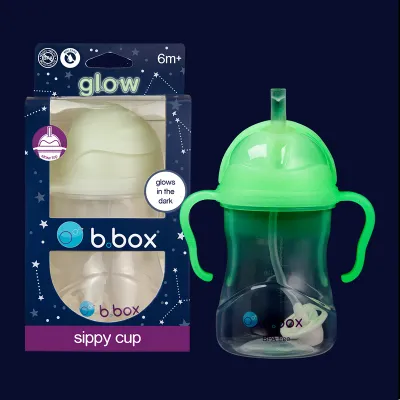
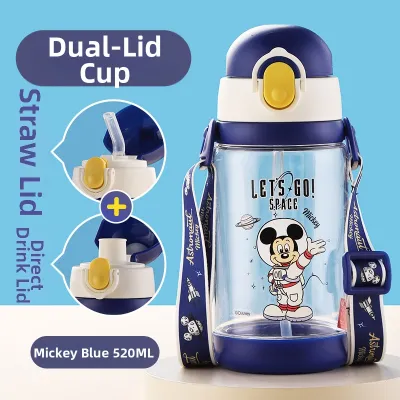
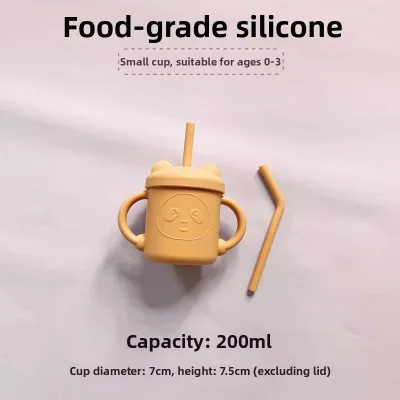
![[Made in USA] Re-Play Spill-proof Sippy Cup 10oz Kids-friendly](https://img.lazcdn.com/g/p/36bd77026948eeb41587c8e87ea4f5a4.jpg_400x400q80.jpg_.webp)
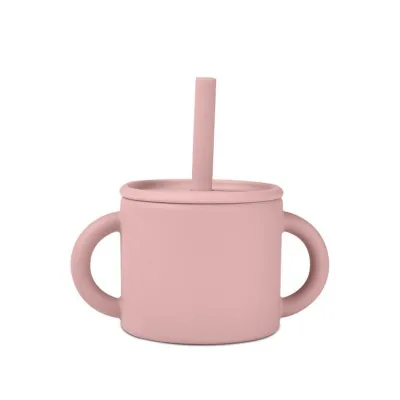
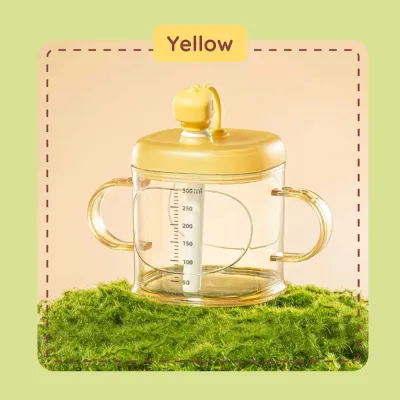
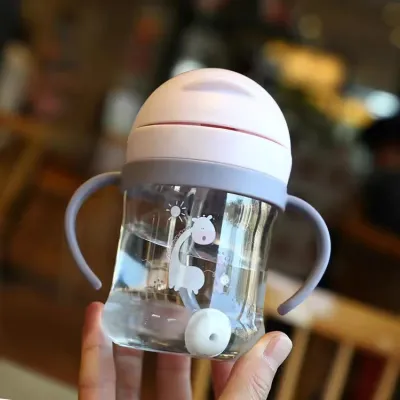
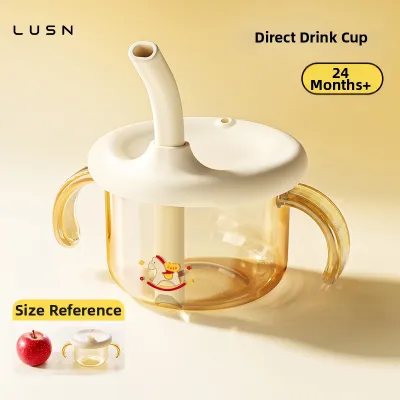
Prices are valid at publication and may change. Please refer to the product page for the latest price.
For babies just starting their weaning journey, typically around six months of age, soft silicone spouts are highly recommended. These spouts are gentle on sensitive, teething gums and mimic the familiar, pliable feel of a bottle nipple or breast. Because the material is soft, it requires less jaw pressure to initiate liquid flow, helping your baby understand the concept of tipping and drinking without overwhelming their developing swallowing reflex.
As your baby grows older, usually between nine and twelve months, they develop stronger jaw muscles and may begin to bite down on soft surfaces. At this stage, transitioning to a hard plastic spout or a spoutless (360-degree) cup is often appropriate. Hard spouts resist biting and encourage a more mature swallowing pattern, where the tongue moves backward rather than forward in a sucking motion. Spoutless cups allow babies to drink from any edge of the rim, activating the same lip muscles used when drinking from a standard open cup, while a silicone valve prevents major spills.
Straw cups represent another excellent alternative for oral motor development. Drinking through a straw requires your baby to retract their tongue and seal their lips tightly around the straw, which strengthens the muscles used for speech and swallowing. Many speech therapists and pediatricians recommend straw cups as a primary transitional tool because they promote a natural swallowing posture. When choosing a straw cup, look for models with weighted straws that follow the liquid, allowing your baby to drink from any angle, whether they are sitting upright or reclining.
It is important to remember that developmental milestones are not rigid rules. Some babies may reject straw cups initially but adapt quickly to a 360-degree cup, while others might prefer a soft spout for several months. Observe your baby’s cues: if they are constantly choking on rapid flow, struggling to latch, or showing frustration, they may need to step back to a slower-flow spout or a softer material. Always supervise your baby during drinking sessions to monitor their safety and progress.
Evaluate Materials for Safety, Durability, and Cleaning
The material of your baby’s sipper cup dictates its weight, durability, heat resistance, and ease of maintenance. Because these cups are dropped, thrown, and sterilized repeatedly, selecting a high-quality material is essential for both safety and longevity.

Plastic remains one of the most common materials due to its lightweight nature and shatterproof qualities. When evaluating plastic cups, look for polypropylene (PP) or polyphenylsulfone (PPSU). PP is highly affordable and widely available, though it can scratch over time, creating tiny crevices where bacteria can hide. PPSU is a medical-grade plastic that offers superior durability, scratch resistance, and high heat tolerance, making it ideal for frequent steam or UV sterilization. Regardless of the plastic type, always verify that the product packaging explicitly states the cup is free from Bisphenol A (BPA) and Bisphenol S (BPS).
Silicone is another popular material, prized for its soft texture, flexibility, and extreme durability. Silicone cups are virtually indestructible, making them excellent for toddlers who enjoy tossing their cups from highchairs. The material is also naturally slip-resistant, helping small hands maintain a secure grip. However, silicone is heavier than plastic and can sometimes retain food odors or soap scents if washed with heavily perfumed dish soaps. To maintain silicone components, use fragrance-free dish soap and ensure they are dried completely in a well-ventilated area.
Stainless steel is an exceptional choice for parents prioritizing durability and temperature control. In Singapore’s warm and humid climate, a double-walled, vacuum-insulated stainless steel cup can keep milk or water cool and fresh for hours during outdoor outings. Stainless steel is also highly hygienic and resistant to scratching and odor retention. The primary trade-offs are weight and cost; stainless steel cups are significantly heavier than plastic or silicone, which may tire out a younger baby’s arms, and they generally command a higher price point. When purchasing, verify that the cup uses food-grade stainless steel, such as 304 or 316 grade, to ensure safety.
When comparing these materials, consider your daily routine. If you rely heavily on a dishwasher or a high-temperature steam sterilizer, check the manufacturer’s specifications for maximum temperature limits. Some plastics and silicone parts can warp or degrade if exposed to temperatures beyond their rated capacity, while stainless steel cups should never be placed in a microwave.
Check Design Features for Independence and Leak Prevention
A well-designed sipper cup should empower your baby to drink independently while keeping messes to a minimum. Several structural features contribute to a cup’s usability and convenience for both parent and child.
Handle design plays a vital role in helping babies develop their grip strength and hand-eye coordination. Dual, ergonomically shaped handles are ideal for younger babies, as they allow for a secure, two-handed grip that stabilizes the cup as it is lifted to the mouth. For older toddlers, look for cups with removable handles or contoured bodies that fit comfortably in a single hand. This flexibility allows the cup to adapt to your child’s growing motor skills, transitioning from a trainer cup to a toddler bottle.
The mechanism used to prevent leaks is another critical design consideration. Most leak-proof sipper cups utilize a silicone valve that only opens when the baby applies suction. While these valves are highly effective at preventing spills when the cup is dropped or shaken, they require more physical effort from the baby to draw liquid. Some babies may find this frustrating and refuse the cup. Additionally, complex valve systems with multiple small parts can be incredibly difficult to clean, increasing the risk of mold growth. Valve-free cups or cups with simple, removable valves offer a faster flow and are easier to wash, but they will spill if tipped over.
Practical usability features also include clear measurement markings and wide-mouth bases. Accurate volume markings in milliliters are incredibly helpful for tracking your baby’s daily fluid intake or for mixing formula directly in the cup. A wide-mouth design not only makes filling the cup easier but also simplifies hand-washing, allowing you to reach the bottom with a standard sponge. Furthermore, a cup with a wide, weighted base is less likely to tip over when placed on a highchair tray or table, saving you from frequent cleanups.
Build Your Sipper Cup Shortlist: What to Verify Before Buying
Before finalizing your purchase online or in-store, it is essential to run through a practical verification checklist. Marketing claims on packaging can sometimes be misleading, so looking for specific technical details will help you choose a safe and reliable product.
First, verify the manufacturer’s age, weight, and developmental recommendations. These guidelines are typically printed on the back of the packaging or listed in the product description on official brand websites. Do not rely solely on generic product titles on online marketplaces, as these may not reflect the specific safety testing of the cup. Ensure the cup’s flow rate and physical size align with your baby’s current abilities; a cup that is too large or heavy can frustrate your child and delay their transition.
Second, check the cleaning and sterilization compatibility of all components. In Singapore’s humid environment, thorough cleaning is paramount to prevent bacterial and mold growth. Verify whether the cup is dishwasher-safe, microwave-safe, or compatible with steam and UV sterilizers. Keep in mind that different parts of the same cup may have different cleaning requirements; for instance, a plastic lid might be top-rack dishwasher safe, while the silicone straw must be hand-washed with a specialized brush.
Third, inspect the availability of replacement parts. Silicone spouts, straws, and valves are prone to wear and tear, especially when babies are teething. Choosing a brand that sells replacement parts separately is highly cost-effective and environmentally friendly. Instead of discarding the entire cup when a straw is damaged, you can simply replace the worn component. This also allows you to maintain a high standard of hygiene by swapping out soft parts regularly.
Frequently Asked Questions (FAQ)
When should I stop using a sipper cup and switch to a regular cup?
Most pediatricians and dental professionals recommend transitioning away from spouted sipper cups to open cups or straw cups by 12 to 18 months of age. Prolonged use of spouted cups can potentially impact dental development, leading to issues with tooth alignment or jaw structure, as they encourage a continuous sucking habit similar to a bottle. Look for signs of readiness in your toddler, such as the ability to sit upright independently, improved hand-eye coordination, and the capacity to hold an open cup with two hands. Introducing a small, open cup during mealtimes under close supervision is an excellent way to practice this transition. If you have concerns about your child’s oral development or speech, consult a pediatric dentist or pediatrician for personalized guidance.
How do I clean the valves and prevent mold inside the cup?
To prevent mold and bacterial growth, it is crucial to completely disassemble all removable parts of the sipper cup after every single use. This includes removing silicone valves, straw components, rubber seals, and lids. Wash each part thoroughly in warm, soapy water using specialized, narrow straw brushes to clean the tight crevices inside valves and straws. Check the manufacturer’s guidelines for boiling or sterilizing temperature limits, as some materials may warp if exposed to excessive heat. After washing, allow all components to air-dry completely in a well-ventilated area before reassembling the cup. In Singapore’s humid climate, storing a cup that is still damp can quickly lead to mold formation, so ensuring every part is bone-dry is essential for your baby’s health.

Community discussion
Share your experience or ask a question. Comments are reviewed before publication.