
To find an extendable baby bed brand that meets international safety standards, you must look beyond marketing buzzwords and verify that the manufacturer provides accessible, third-party test certificates for their specific model. Because extendable beds transition through multiple structural configurations, safety is not a static feature; it depends on how the frame, slats, and mattress support behave at every length. Reputable brands operating in Singapore and globally will openly share their compliance with recognized standards like European (EN), American (ASTM), or Australian/New Zealand (AS/NZS) frameworks. Always consult a pediatrician or certified pediatric sleep consultant if you have specific concerns about your child’s sleep safety or developmental readiness for a toddler bed transition.
When shopping for a baby extendable bed, parents often face a sea of options on online marketplaces. However, nursery furniture requires a higher level of scrutiny than standard household items. An extendable bed is designed to last for several years, meaning it must withstand the physical wear of a growing, active child while remaining structurally sound. By focusing on verifiable safety standards and physical design checks, you can confidently select a bed that offers both longevity and peace of mind.
Why Safety Certifications Matter for Extendable Cribs
Extendable cribs and toddler beds are brilliant space-saving solutions, particularly in Singapore where maximizing nursery layouts is essential. However, the very mechanisms that allow these beds to grow—such as sliding wooden tracks, telescoping metal rails, and modular bolt-on panels—introduce unique physical hazards that are not present in standard, fixed-size cribs. Understanding these risks is the first step in recognizing why independent safety certifications are absolutely non-negotiable. Always refer to the manufacturer’s documentation to verify the recommended age, weight, and developmental stage limits for each configuration of the bed.
Products mentioned in this guide
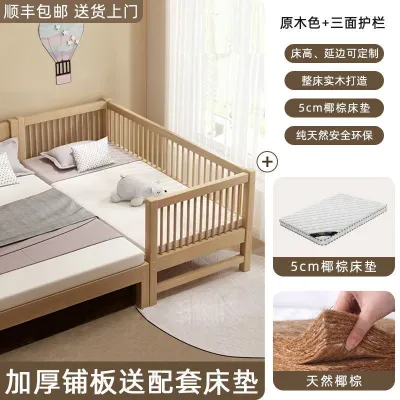
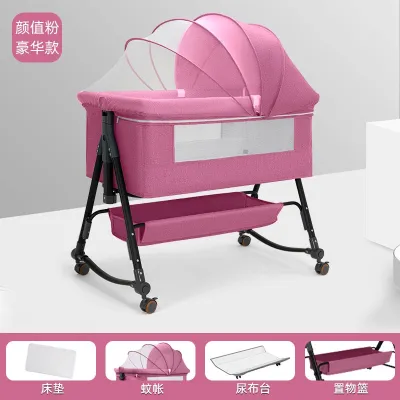
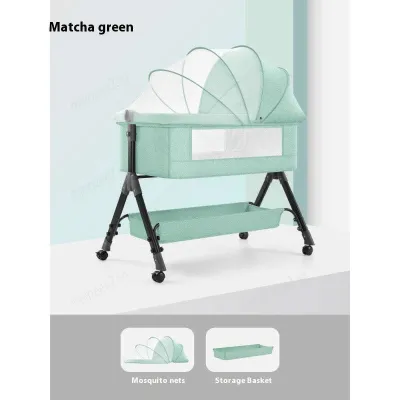
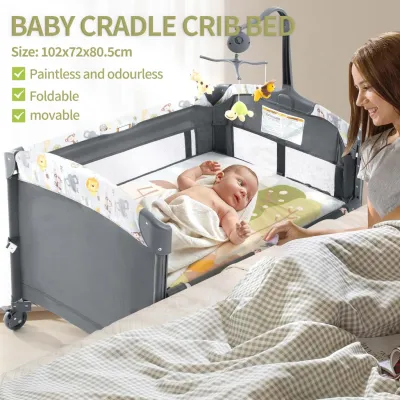
Prices are valid at publication and may change. Please refer to the product page for the latest price.
The primary hazard associated with extendable furniture is the creation of pinch points and entrapment zones. As a bed frame is adjusted, joints and sliding tracks can create small gaps. If these mechanisms are not engineered with precision, they can pinch a child’s fingers or, worse, trap their limbs. Furthermore, as the bed is extended to its longer configurations, the structural load distribution changes. A frame that is perfectly stable at its shortest length might sag, flex, or wobble when fully extended, especially when subjected to the dynamic weight of an active toddler.
Another critical concern is the mattress fit. When an extendable bed is lengthened, the mattress must also be extended, either by replacing it entirely or by adding specialized extension bolster pads. If these components do not fit together seamlessly, dangerous gaps can form between the mattress and the wooden frame. A baby or toddler can easily slip into these gaps, leading to a high risk of suffocation or limb entrapment.
Many budget-friendly brands attempt to bypass rigorous testing by using vague marketing language such as “designed with safety in mind” or “manufactured to international guidelines.” These self-declared claims carry no legal weight and offer no guarantee of safety. Independent laboratory testing, on the other hand, subjects the physical bed to mechanical stress tests, chemical analysis of paints and finishes, and strict dimensional measurements. This ensures that the product remains safe under real-world conditions over years of continuous use.
Key International Safety Standards to Look For
When evaluating an extendable baby bed, you should look for specific, recognized testing frameworks printed on the product packaging, the instruction manual, or the manufacturer’s official website. Different regions have their own regulatory bodies, but the most rigorous and widely accepted standards come from Europe, the United States, and Australia.

The European standard EN 716 (specifically EN 716-1 and EN 716-2) is one of the most comprehensive frameworks for children’s cots and folding cots. This standard evaluates everything from the height of the cot sides to the spacing of the slats. It also includes stringent tests for structural impact, ensuring the frame can withstand repeated drops and bumps without splintering or collapsing. For the toddler bed phase, the European standard EN 1725 outlines safety requirements for adult and youth beds, which many high-quality extendable beds must also meet once fully lengthened.
In the United States, the ASTM International framework governs nursery furniture. ASTM F1169 is the standard safety specification for full-size baby cribs, while ASTM F1821 covers toddler beds. These standards are incredibly strict regarding latching mechanisms, side-rail integrity, and the prevention of structural failures. They ensure that any drop-side or adjustable components cannot be accidentally released by a child.
Australia and New Zealand enforce the AS/NZS 2172 standard, which is widely regarded as one of the toughest safety protocols in the world. This standard places heavy emphasis on preventing entrapment hazards, regulating the exact dimensions of slat spacing, and ensuring that no sharp edges or snag points exist that could catch on a child’s clothing.
To verify these certifications, look for a permanent stamp, sticker, or engraved label on the underside of the bed base or on the inside of the headboard. A compliant product will clearly display the standard code (for example, “Certified to EN 716:2017”) along with the manufacturer’s details. If this information is missing, or if it is only printed on a removable paper tag, you should treat the brand’s safety claims with skepticism.
Additionally, consider voluntary premium certifications. While mandatory standards ensure basic physical safety, voluntary certifications like Greenguard Gold focus on chemical safety. This certification guarantees that the wood, glues, and finishes used in the bed have been tested for low chemical emissions, protecting your child from inhaling harmful volatile organic compounds (VOCs) in their sleep environment.
How to Verify a Brand's Safety and Compliance Claims
In the digital age, it is easy for brands to display counterfeit safety logos or make misleading claims on their product listings. As a parent, taking a few minutes to independently verify these claims before making a purchase can prevent a dangerous mistake.
The most reliable way to verify compliance is to request a copy of the official test report or Certificate of Conformity (CoC) directly from the manufacturer or the local retailer. A reputable brand will have no hesitation in sharing these documents. When reviewing the test report, check that the document is issued by an accredited, independent third-party laboratory such as SGS, TÜV Rheinland, Intertek, or Bureau Veritas. Ensure that the model name and number on the report match the exact product you are planning to buy, and check that the report is relatively recent, as safety standards are updated periodically.
Another essential step is to check government recall registries. In Singapore, Enterprise Singapore regularly publishes safety alerts and product recalls for consumer goods. Globally, you can search the United States Consumer Product Safety Commission (CPSC) database or the European Union’s Safety Gate portal. Searching these databases for the brand and model name will quickly reveal if the bed has been linked to structural failures, injuries, or design defects.
Be highly suspicious of red flags in product listings. If a brand uses phrases like “meets safety standards” but refuses to name the specific standard code or provide a test report, it is highly likely the product has not undergone independent testing. Similarly, be cautious of extremely cheap extendable beds sold on international e-commerce platforms. These products often bypass local import safety checks and may use cheap hardware, weak composite woods, or toxic lead-based paints that pose severe health risks to your baby.
Physical Safety Checks for Extendable Bed Designs
While certifications provide peace of mind, performing a physical inspection of the bed—either in a showroom or immediately upon delivery—is an excellent way to ensure the structural integrity of the specific unit you receive.
First, measure the slat spacing. The gap between individual slats must be narrow enough to prevent a baby’s head, torso, or limbs from becoming trapped. The internationally accepted safe range for slat spacing is between 50mm and 65mm. Use a ruler or tape measure to check this distance across multiple points on the bed. Pay close attention to the areas where the bed frame extends; the spacing must remain uniform and must not exceed 65mm at the joints or transition points.
Next, evaluate the structural rigidity of the frame. In Singapore’s humid climate, solid wood can expand and contract, which can affect the fit of joints and hardware over time. Opt for beds constructed from high-quality solid hardwoods, such as beech, birch, or oak, rather than cheap particleboard or medium-density fibreboard (MDF), which can strip at the screw threads. Assemble the bed fully, extend it to its maximum length, and give it a firm shake. There should be no noticeable wobbling, swaying, or creaking. The joints where the extension pieces connect must align perfectly, with no lips or uneven edges that could scrape a child’s skin.
Inspect the mattress support system thoroughly. The wooden slats or metal mesh that support the mattress must be securely bolted to the frame. When the bed is extended, the support system must extend smoothly and lock into place. Ensure there are no wide gaps between the ends of the mattress support and the headboard or footboard.
Finally, examine the locking mechanisms and hardware. Any screws, bolts, or locking pins used to adjust the bed’s length must be heavy-duty and require a tool (such as an Allen key or screwdriver) to loosen. Avoid designs that rely on simple plastic clips or hand-tightened knobs, as these can easily be loosened by an inquisitive toddler or can wear out over time, leading to a sudden collapse of the bed frame.
Building Your Shortlist: Questions to Ask Retailers and Brands
When you are ready to narrow down your options and contact retailers or brands, having a specific list of questions will help you separate high-quality manufacturers from those selling substandard products. Use this checklist during your inquiries:
- "Can you provide the specific third-party test report number and the name of the laboratory that certified this bed?" A legitimate retailer should be able to retrieve this information from their compliance department.
- "What is the maximum weight limit for each stage of the bed's extension?" Reputable brands will specify different weight limits for the infant, toddler, and youth configurations, ensuring the frame is engineered to handle the child's changing weight.
- "Is the extension kit included in the initial purchase price, or must it be bought separately?" Some brands sell the basic crib frame at a lower price but charge a premium for the extension rails and hardware later. Confirming this upfront helps you calculate the true cost of ownership.
- "Are replacement parts and matching extendable mattresses guaranteed to be available in Singapore for the next three to five years?" Because you will be using this bed for several years, you need to be certain that you can easily source replacement bolts, specialized extension slats, or a new mattress when the time comes to transition the bed.
- "What materials and finishes are used, and do they carry any low-chemical certifications?" Ensure the wood is finished with water-based, non-toxic paints or food-grade oils, especially since teething babies frequently chew on crib rails.
By asking these targeted questions, you protect yourself from unexpected costs—such as finding out a crucial S$150 extension kit has been discontinued right when your child outgrows the infant stage—while ensuring that every component of the bed meets the highest safety benchmarks.
Frequently Asked Questions (FAQ)
Can I use a standard crib mattress in an extended baby bed?
No, you cannot use a standard crib mattress once the bed frame has been extended. Standard mattresses are manufactured to fit fixed crib dimensions perfectly. If you attempt to use a standard mattress in an extended frame, you will create a dangerous gap at the head or foot of the bed. This gap is a severe entrapment and suffocation hazard for babies and toddlers. You must use either a specialized extendable mattress—which typically consists of a main mattress and matching zip-on or slot-in bolster pieces—or purchase a single, continuous mattress that matches the exact dimensions specified by the manufacturer for that specific extended stage. Always ensure that the gap between the mattress and the bed frame does not exceed 30mm on any side.
Are second-hand extendable baby beds safe to use?
While buying second-hand is an eco-friendly and budget-conscious option, it requires extreme caution when dealing with extendable baby beds. Over years of use and multiple adjustments, the structural integrity of the bed can degrade. Wood can warp due to humidity, screw holes can become stripped, and critical locking pins or proprietary hardware can go missing. If you choose to buy a used bed, you must ensure the seller has the original instruction manual and all original hardware. Never substitute missing structural bolts with generic screws from a hardware store. Additionally, you must independently verify that the specific model has not been subject to any safety recalls and that the frame shows no signs of cracking, deep splintering, or loose joints.

Community discussion
Share your experience or ask a question. Comments are reviewed before publication.