
Trimming an infant’s nails can feel like a high-stakes task for any parent. To keep your baby’s delicate fingers safe, a high-quality baby nail clipper must feature specialized blade guards, ergonomic grips, and age-appropriate sizing. These elements work together to protect soft skin while allowing you to maintain complete control. This guide breaks down the essential design features, compares manual and electric options, and provides a practical framework to help you choose the safest tool for your family.
Why Infants Require Specialized Nail Care Tools
Infant nails are fundamentally different from adult nails, requiring a completely different approach to grooming. A newborn’s nails are incredibly soft, pliable, and thin, often growing so rapidly that they require trimming multiple times a week. Because their fingers are so small, the nail bed is closely integrated with the surrounding skin, making it difficult to distinguish where the nail ends and the sensitive fingertip begins. Using standard adult clippers on these tiny, flexible nails significantly increases the risk of pinching or cutting the surrounding tissue.
The consequences of using inappropriate tools extend beyond temporary discomfort. A minor nick on an infant’s finger can cause sharp pain, bleeding, and open a pathway for localized infections. Because babies frequently put their hands in their mouths and touch various surfaces, keeping any accidental cuts clean and protected is exceptionally challenging. Specialized baby grooming tools are engineered specifically to address these anatomical vulnerabilities, reducing the likelihood of skin contact during the trimming process.
Products mentioned in this guide
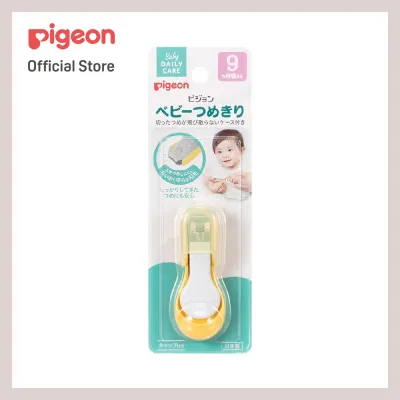
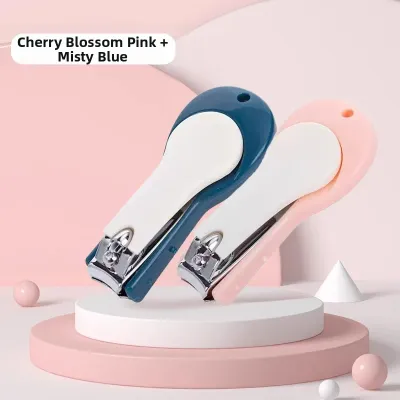
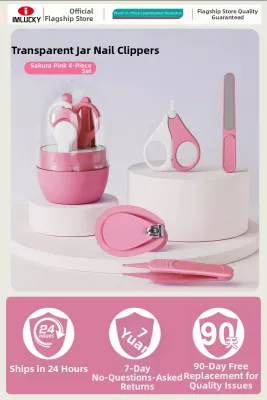

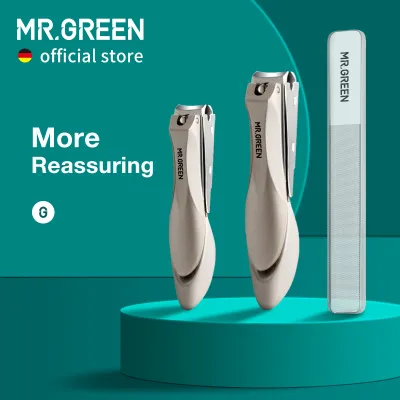
Prices are valid at publication and may change. Please refer to the product page for the latest price.
Caregiver control is another critical factor that necessitates specialized tools. Trimming a baby’s nails requires a high level of visual precision, hand stability, and physical control, especially if the infant is squirming or restless. Standard adult clippers often block your line of sight, forcing you to clip blindly. Baby-specific tools prioritize visibility and stability, ensuring that you can clearly see the cutting edge and maintain a steady grip to prevent sudden slips.
Must-Have Safety Features in Manual Baby Clippers
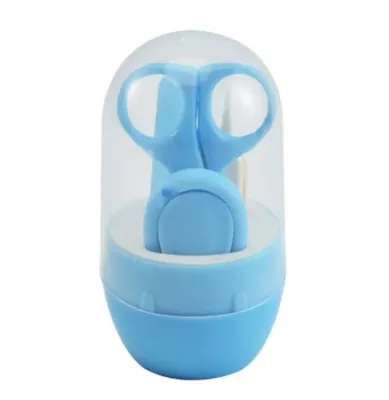
Manual baby clippers are designed to scale down the traditional clipping mechanism to fit miniature fingers while adding physical barriers to protect delicate skin. Unlike adult clippers, which feature wide, flat blades and heavy tension, manual baby clippers focus on micro-precision and gentle action.

The most effective manual clippers combine visual clarity with physical safety barriers. By integrating features that limit how much of the nail can enter the cutting zone, these tools help you make confident cuts without the fear of catching the underlying skin.
Blade Design and Safety Guards
The shape and size of the blades are critical to preventing accidental injuries. Safe manual clippers feature curved blades that mimic the natural, rounded contour of an infant’s fingernail. This curved design allows you to trim the nail in a single, smooth motion rather than making multiple straight cuts, which can leave sharp corners or jagged edges that might scratch your baby’s face.
Many high-quality manual clippers incorporate physical safety guards or spyglass holes. A spyglass hole is a small opening or viewing window built into the clipper head that allows you to see exactly how much nail is positioned between the blades before you squeeze. Other designs feature a protective guard that physically prevents the fleshy part of the fingertip from sliding into the cutting path, ensuring that only the protruding nail edge is trimmed.
When evaluating manual clippers, pay close attention to the blade materials listed on the product packaging. Look for rust-resistant stainless steel, which can be easily sanitized with rubbing alcohol without degrading or dulling over time. Dull blades are a significant hazard because they tend to crush or tear the nail rather than cutting it cleanly, which can cause painful splitting and require you to apply excessive force.
Ergonomic Handles and Grip Control
A clipper is only as safe as your ability to hold it steady. Ergonomic handles are essential for maintaining a secure, non-slip grip, particularly when you are managing a wriggling baby. Look for clippers that feature textured rubber overlays, wide finger loops, or oversized plastic handles that fit comfortably in an adult hand while allowing for precise micro-movements.
The size of the handle should allow you to leverage your entire hand for stability rather than relying solely on your fingertips. If your hands are damp from bath time or if you are applying baby lotion, a textured, non-slip surface prevents the tool from slipping mid-cut. The handle design should feel natural and balanced, reducing hand fatigue and allowing you to focus entirely on the alignment of the blades.
Additionally, high-quality manual clippers often utilize spring-loaded mechanisms. These internal springs provide a controlled, predictable resistance when squeezed, preventing the blades from snapping shut too quickly or with excessive force. This controlled pressure allows you to make slow, deliberate cuts, giving you ample time to stop if the baby makes a sudden movement.
Evaluating Electric Baby Nail Files and Trimmers
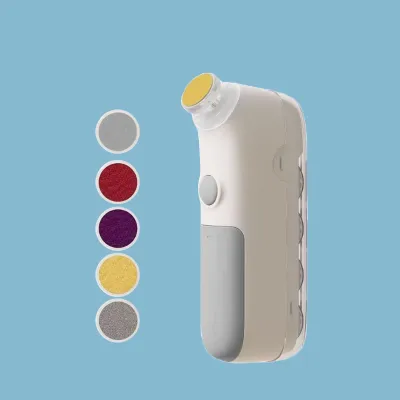
Electric baby nail files, often referred to as nail trimmers or buffers, offer an alternative to traditional manual clippers. Instead of cutting the nail with blades, these devices use a rotating, cushioned filing pad to gently wear down the nail edge.
This gradual filing method is highly beneficial for anxious caregivers who worry about accidental nicks, as well as for trimming the nails of sleeping infants. By eliminating the sudden snapping action of manual clippers, electric files provide a smoother, more controlled grooming experience.
Motor Controls and Visibility Aids
When choosing an electric nail trimmer, adjustable motor controls are a vital safety feature. Look for models that offer multiple speed settings, allowing you to start on a low, gentle speed for delicate newborn nails and progress to a higher speed as your child grows and their nails thicken. Directional rotation controls are also helpful, as they allow you to change the spin direction of the filing pad to match the hand you are trimming, preventing the file from catching or pulling against the nail bed.
Visibility is often a challenge when trimming tiny nails, especially if you prefer to do it while your baby is asleep. Many electric trimmers feature built-in LED lights or illuminated tips that cast a soft light directly onto the fingernail. This targeted illumination ensures you can see the boundary between the nail and skin clearly without needing to turn on bright overhead lights that might wake your infant.
A quiet motor is equally important to prevent startling your baby. High-quality electric files are engineered to operate with minimal vibration and low noise levels. A loud, vibrating tool can trigger a baby’s startle reflex, causing sudden hand movements that make the trimming process more difficult and less safe.
Filing Pad Textures and Age Grading
Electric nail files rely on interchangeable, cushioned filing pads that feature varying levels of grit. Because a newborn’s nails are incredibly soft and a toddler’s nails are much harder, using the wrong grit can either be ineffective or cause friction burns on the surrounding skin. Safe electric trimmers utilize color-coded or texture-graded pads designed specifically for different developmental stages.
You should always consult the manufacturer’s specifications to match the correct pad texture to your baby’s age and nail thickness. Typically, pads designed for newborns have an ultra-fine, soft texture, while pads for older infants and toddlers feature progressively coarser grits. Using an age-appropriate pad ensures that the filing action remains gentle on the skin while effectively shortening the nail.
Over time, the abrasive surface of the filing pads will wear down and lose its effectiveness. It is important to inspect the pads regularly for signs of wear, such as smoothing of the grit or peeling of the cushioned backing. Replacing worn-out pads promptly ensures that the tool continues to file efficiently without requiring you to apply excessive pressure, which can cause heat buildup and discomfort for your baby.
Manual Clippers vs. Electric Files: Comparison Matrix
To help you decide which tool type best suits your grooming style and your baby’s temperament, it is helpful to compare manual clippers and electric files across several key operational dimensions. Both tools are highly effective when used correctly, but they offer different advantages and trade-offs.
| Dimension | Manual Clippers | Electric Nail Files |
|---|---|---|
| Cutting Mechanism | Physical blades that shear the nail in a single cut | Rotating cushioned pads that file the nail down gradually |
| Risk of Skin Nicks | Moderate; requires careful alignment and steady hands | Low; cushioned pads are designed to stop if they touch skin |
| Learning Curve | Low; familiar design but requires high visual precision | Moderate; requires adjusting to the rotation and speed |
| Noise Level | Silent, except for a quiet mechanical click | Low hum from the internal motor |
| Maintenance | Minimal; simple cleaning and sanitizing of blades | Moderate; requires replacing worn pads and batteries |
Manual clippers are often preferred for quick, straightforward trims when the baby is calm and cooperative. They do not require batteries or charging, making them highly portable and always ready for use. However, they demand a high level of manual dexterity and visual focus from the caregiver to ensure the skin is kept clear of the blades.
Electric nail files are excellent for anxious parents or for grooming sleeping infants, as the gentle filing action is less likely to disturb them. The primary trade-off is their reliance on batteries or charging, which means they can run out of power unexpectedly. They also require ongoing investment in replacement filing pads to maintain their performance and safety.
Building Your Shortlist: Pre-Purchase Verification Checklist
Before purchasing a baby nail care tool from an online marketplace or local retailer, it is essential to verify the manufacturer’s claims and product specifications. Start by checking the age, weight, and developmental recommendations printed on the packaging or detailed in the product description. Never assume a tool is suitable for a newborn simply because it is labeled as a “baby” product; verify that the design is explicitly rated for your child’s current stage.
Next, examine the material safety claims. Look for official labels indicating that the plastic components are BPA-free, phthalate-free, and made from non-toxic materials. If you are purchasing an electric file, verify that the filing pads are hypoallergenic and free from harsh adhesives. These details are typically found in the product specifications or on the manufacturer’s official website.
When shopping, consider the long-term costs and availability of replacement parts. For electric files, check how easily you can purchase replacement filing pads and whether they are priced reasonably in S$. It is also wise to review the return policies and warranty terms offered by the seller, ensuring you can easily exchange the product if it arrives damaged or fails to operate correctly.
Be vigilant for red flags that may indicate a substandard or counterfeit product. Avoid listings that lack clear manufacturer contact details, have poorly translated instructions, or make unrealistic safety guarantees. A reputable brand will always provide clear, comprehensive instructions on how to use, clean, and maintain the tool safely.
Safe Usage Practices and When to Stop
Establishing a calm, consistent grooming routine is just as important as choosing the right tool. The optimal time to trim your baby’s nails is when they are relaxed, such as immediately after a bath when the nails are softest, or while they are feeding or sleeping. Ensure you are working in a well-lit area, and use a comfortable positioning technique, such as holding your baby in your lap facing away from you, so you can control their arm movements gently.
While grooming, keep a close eye on the condition of your baby’s fingers and toes. If you notice any visual signs of ingrown nails, persistent redness, swelling, or discharge around the nail bed, do not attempt to trim or treat the area yourself. These symptoms can indicate a localized irritation or infection that requires professional medical advice from a pediatrician or healthcare provider.
Always be prepared to stop the grooming session immediately if your baby becomes highly distressed, squirmy, or uncomfortable. Forcing the process increases the risk of accidental slips and injuries. Additionally, stop using any tool immediately if it shows signs of wear, such as dulling manual blades that tear the nail, or an electric motor that fluctuates in speed, vibrates excessively, or fails to cut cleanly.
Frequently Asked Questions (FAQ)
How often should I trim my baby's nails?
Fingernails grow rapidly and typically require trimming one to two times per week to prevent your baby from scratching their face or body. Toenails grow much slower and usually only need to be trimmed once or twice a month. Regularly run your finger gently along the edges of your baby’s nails to check for sharp corners or rough spots that indicate a trim is needed.
Can I use baby nail clippers on toddlers?
As your child grows, their nails will naturally become thicker and harder. You will know it is time to transition from baby clippers when the tool struggles to cut through the nail cleanly or if the clipper head is too small to fit the wider nail surface. When moving to toddler-specific tools, look for slightly larger clippers that still retain safety features like curved blades and non-slip grips.
What should I do if I accidentally nick my baby's skin?
If you accidentally nick your baby’s skin, remain calm and immediately apply gentle pressure to the area with a clean, sterile tissue or gauze pad to stop the bleeding. Clean the nick gently with mild soap and warm water, but avoid using harsh chemicals or liquid bandages that the baby might ingest. If the bleeding does not stop after a few minutes of continuous pressure, or if you notice signs of infection like increasing redness or swelling over the following days, consult a pediatrician promptly.

Community discussion
Share your experience or ask a question. Comments are reviewed before publication.