
Choosing a baby hair brush for a newborn requires focusing on three primary factors: ultra-soft bristle materials (such as natural goat hair), safe and non-toxic compositions (free from BPA and phthalates), and an ergonomic, slip-free handle designed for precise control. A newborn’s scalp is exceptionally delicate, requiring tools that protect the soft spots (fontanelles) while keeping the hair clean and the scalp stimulated. By selecting the correct brush type based on your baby’s unique hair density and scalp condition, you can transform grooming into a safe, soothing daily ritual.
Understanding Your Newborn's Delicate Scalp and Hair
A newborn’s skin is significantly thinner and more sensitive than adult skin, making it highly susceptible to irritation and environmental stressors. The scalp, in particular, features two primary soft spots known as fontanelles—the anterior fontanelle at the top of the head and the posterior fontanelle at the back—where the skull bones have not yet fully fused. These areas require the utmost gentleness during any grooming routine, as excessive pressure or harsh materials could cause discomfort or injury.
Furthermore, newborn hair is often comprised of lanugo—extremely fine, soft, and temporary hair—or sparse, delicate strands that can easily tangle or break. Using standard adult brushes or even combs designed for older children can be far too abrasive, potentially scraping the tender skin or pulling on fragile hair roots.
Products mentioned in this guide
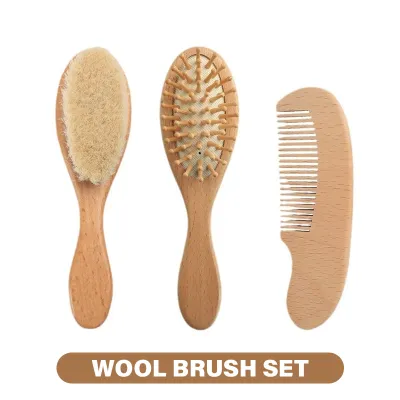
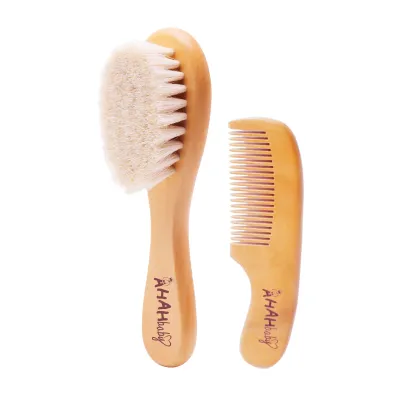
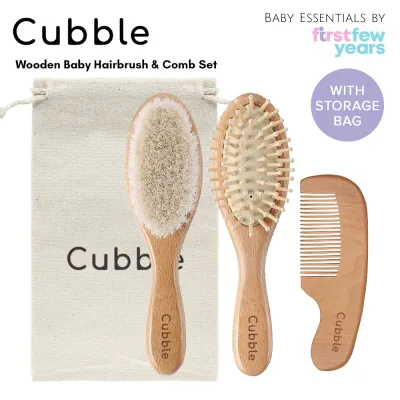
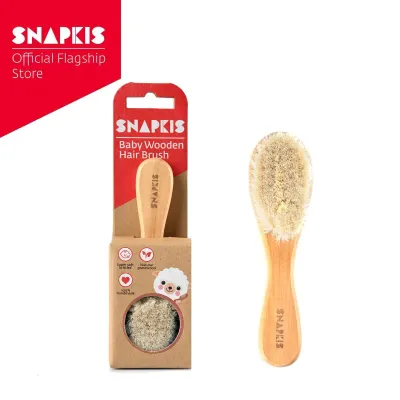
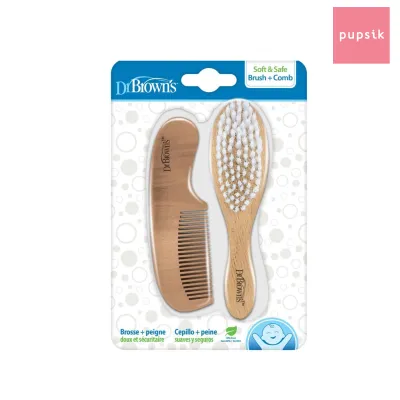
Prices are valid at publication and may change. Please refer to the product page for the latest price.
When a harsh grooming tool is used, it can cause micro-scratches on the scalp, which not only cause immediate pain but also increase the risk of localized skin infections. Understanding these physiological vulnerabilities highlights why a specialized, ultra-soft baby brush is a necessity rather than a luxury for your little one’s daily care.
Key Features to Evaluate When Buying a Baby Hair Brush
Selecting the right grooming tool involves evaluating specific design elements that prioritize safety, comfort, and ease of use. Whether you are browsing physical baby boutiques in Singapore or scrolling through online marketplaces, keeping a strict checklist of features will help you filter out unsuitable products.

Bristle Softness and Material
The material of the bristles is the most critical factor in determining how gentle a brush will be against your newborn’s scalp. Natural bristles, particularly those made from ultra-soft goat hair, are highly recommended for newborns because they are exceptionally gentle, flexible, and naturally sweep away loose skin flakes without scratching.
High-quality synthetic alternatives, such as fine nylon bristles, are also widely available; they offer excellent durability, are easy to sanitize, and maintain their shape well over time. Before using any new brush on your baby, always test the bristle softness yourself by brushing it firmly against the sensitive skin on the back of your hand or the inner wrist.
If the bristles feel scratchy, stiff, or fail to bend easily under minimal pressure, they are too harsh for a newborn’s head and should be avoided. Flexible bristles ensure that the brush contours smoothly over the natural curves of the skull, preventing any sudden pulling or tugging on fine hair.
Handle Design and Ergonomics
While bristle quality protects the baby, the handle design determines how safely and comfortably you can maneuver the brush. Newborns rarely lie perfectly still during grooming, meaning you need a brush handle that offers a secure, ergonomic grip to prevent slips.
Look for contoured handles that fit naturally into an adult’s hand, allowing you to maintain steady control with minimal hand fatigue. Handles featuring non-slip materials, such as textured silicone grips or matte finishes, are highly beneficial, especially if you plan to groom your baby right after bath time when your hands might be damp.
The size of the brush head itself should also be proportioned to a tiny head; a compact brush head allows you to navigate around the ears and forehead easily, while still being large enough to cover the scalp efficiently in a few gentle strokes.
Safety Labels and Material Verification
Because grooming tools frequently come into contact with sensitive skin and may occasionally find their way into a curious baby’s mouth, material safety is paramount. Always inspect the product packaging or online specifications to verify that the brush is constructed from non-toxic, BPA-free, and phthalate-free materials.
In Singapore, look for compliance markings or safety standards recognized internationally, such as the European CE mark or EN71 certification, which indicate the product has undergone rigorous safety testing for children’s goods. Do not rely solely on generic material names like “plastic” or “wood” without checking for official manufacturer declarations regarding chemical safety and finish non-toxicity.
If a product lacks clear labeling regarding its chemical composition or safety standards, it is best to choose an alternative that provides transparent, verified manufacturer specifications.
Which Baby Hair Brush Type Suits Your Newborn Best?
Not all newborn hair is the same, and different scalp conditions require distinct grooming approaches. Selecting the right category of brush depends on your baby’s hair density, thickness, and whether they are experiencing common scalp issues like cradle cap.
Soft-Bristle Brushes
Soft-bristle brushes, especially those utilizing natural goat hair, are the ideal choice for babies with very fine, sparse, or short hair. These brushes excel at gently smoothing down stray hairs, stimulating the scalp to promote healthy circulation, and evenly distributing the natural oils produced by the scalp. Because the bristles are incredibly soft, they provide a soothing, massage-like sensation that can help calm a fussy baby before sleep.
Silicone Massage Brushes
Silicone massage brushes feature flexible, soft silicone nubs instead of traditional bristles, making them excellent for wet use during bath time. These brushes are highly effective for gently massaging the scalp, washing away baby shampoo, and loosening stubborn cradle cap flakes without scratching the skin. The non-porous nature of silicone also makes these brushes exceptionally hygienic, as they dry quickly and resist mold growth in humid environments like Singapore bathrooms.
Wide-Tooth Combs
If your newborn is born with a surprisingly thick head of hair or beautiful curls, a soft-bristle brush may not be sufficient to manage tangles. A wide-tooth comb with rounded, smooth tips is the perfect tool for gently detangling thicker or curlier strands without pulling at the roots. The wide spacing between the teeth allows the comb to glide through the hair smoothly, minimizing friction and preventing hair breakage.
Comparison Table
To help you quickly compare your options, the table below outlines the primary uses, benefits, and limitations of each brush type.
| Brush Type | Best Suited For | Key Benefit | Primary Limitation |
|---|---|---|---|
| Soft-Bristle Brush | Fine, sparse, or short newborn hair | Ultra-gentle on the scalp; distributes natural oils | Not effective for detangling thick or curly hair |
| Silicone Massage Brush | Bath time washing; managing cradle cap | Highly hygienic; easy to clean; non-scratching | Does not smooth down fine dry hair effectively |
| Wide-Tooth Comb | Thicker, longer, or curly baby hair | Detangles knots gently without pulling roots | Does not massage the scalp or distribute oils well |
How to Safely Brush and Manage Cradle Cap
Brushing your newborn’s hair should always be a gentle, stress-free experience for both you and your baby. To ensure safety, hold the brush lightly and use short, slow strokes that follow the natural direction of your baby’s hair growth. Never apply downward pressure over the fontanelles; instead, let the weight of the brush do the work as you glide it over these sensitive areas. Pay close attention to your baby’s cues; if they flinch, cry, or if you notice any redness developing on the scalp, stop brushing immediately and check the bristles for stiffness.
Cradle cap, a common and harmless condition characterized by yellowish, oily scales on the scalp, requires specialized care to manage safely. To address cradle cap, first apply a few drops of a pediatrician-approved baby oil or mineral oil to the affected areas of the scalp to soften the crusts. Allow the oil to sit for a few minutes—according to the specific product’s label instructions—before using a soft-bristle brush or a silicone massage brush in gentle, circular motions.
This action will help loosen the softened flakes so they can be easily rinsed away with warm water and a mild baby shampoo during bath time. Never scrape, pick, or peel the scales with your fingernails, a hard comb, or any stiff tool, as aggressive scraping can break the skin, cause bleeding, and introduce harmful bacteria. If the cradle cap appears severely red, irritated, starts spreading to the face, or shows signs of infection, consult a pediatrician or a general practitioner at a local clinic for professional guidance.
Safety Red Flags: What to Avoid in Baby Brushes
When shopping for baby grooming accessories, it is easy to be swayed by cute designs or matching sets, but safety must remain your absolute priority. Knowing what design flaws to avoid will help you protect your newborn from unnecessary discomfort or physical hazards.
Avoid any brush that features stiff, hard, or wire bristles, even if the packaging claims the product is designed for sensitive skin or older infants. Stiff bristles can easily abrade a newborn’s thin skin barrier, leading to painful micro-tears and irritation.
Choking hazards are another critical concern; steer clear of brushes that feature detachable small parts, decorative elements glued to the handle, or metal pins with tiny, glued-on protective plastic balls at the tips. Over time, exposure to water and baby oils can degrade the adhesives, causing these small parts or plastic balls to fall off and present a severe choking risk if your baby handles the brush.
Additionally, inspect the overall build quality of the brush before purchasing; avoid tools with sharp plastic seams, rough wooden edges, or poorly finished handles. In Singapore’s humid tropical climate, poorly sealed wooden brushes can trap moisture and harbor mold or bacteria, while rough edges can easily scratch your baby’s delicate skin during use.
Frequently Asked Questions (FAQ)
When should I start brushing my newborn's hair?
You can begin brushing your baby’s hair as soon as they have visible strands, even if it is just a tiny patch of fine lanugo. In the first few weeks of life, brushing is less about styling and more about providing a soothing, sensory experience that fosters bonding. If your newborn is born completely bald, you can still use an ultra-soft goat hair brush or a silicone massage brush very gently during bath time to stimulate the scalp and encourage relaxation.
Can I use a regular soft toothbrush for my baby's hair?
While some parents use a clean, extra-soft baby toothbrush as a temporary household hack to manage localized cradle cap, it is not recommended as a permanent replacement for a proper baby brush. Toothbrushes have a very small surface area, making them inefficient for general hair brushing and more likely to apply uneven pressure on the scalp. Furthermore, toothbrush handles are not designed with the proper ergonomics required for parents to safely and comfortably maneuver around a moving baby’s head.
How often should I brush my newborn's hair?
For most newborns, brushing their hair once a day or a few times a week is entirely sufficient to keep their scalp clean and their hair neat. If your baby has thicker hair that is prone to tangling, a gentle daily detangling session after bath time can help prevent knots from forming. However, avoid over-brushing or vigorous grooming, as excessive friction can irritate the delicate scalp skin and cause unnecessary hair breakage.

Community discussion
Share your experience or ask a question. Comments are reviewed before publication.