
When choosing a baby comb for a newborn, you must look for ultra-soft, widely spaced teeth with rounded tips, flexible materials, and an ergonomic, non-slip handle designed for adult control. Because a newborn’s scalp is exceptionally delicate and their skull bones are still fusing, a standard adult comb can easily scratch the skin or apply unsafe pressure. Selecting a dedicated baby comb involves verifying material safety labels, inspecting the tool for manufacturing defects, and prioritizing gentle, non-abrasive designs.
Taking the time to select the right grooming tool ensures that daily care remains a soothing, bonding experience rather than a source of discomfort. By focusing on specific physical attributes and material standards, you can confidently protect your infant’s sensitive head while keeping their fine hair neat and clean.
Why Your Newborn Needs a Dedicated Comb
A newborn’s scalp is structurally different from an adult’s or even an older toddler’s. The skin is significantly thinner, making it highly susceptible to irritation, redness, and minor abrasions from rough surfaces.
Products mentioned in this guide
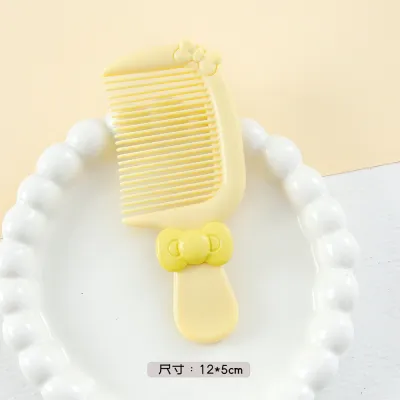
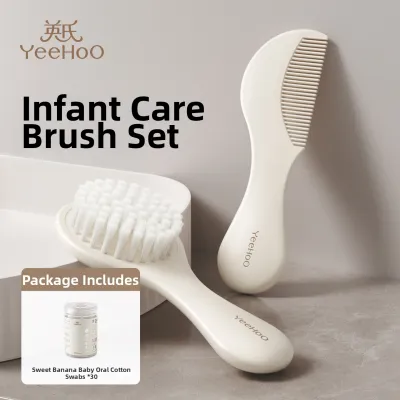
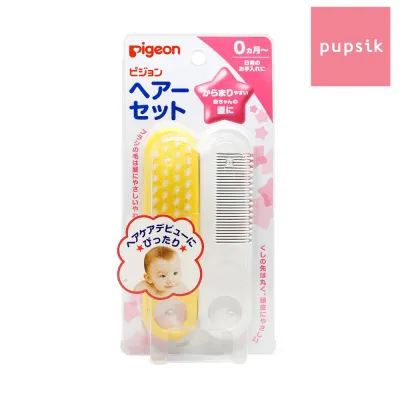
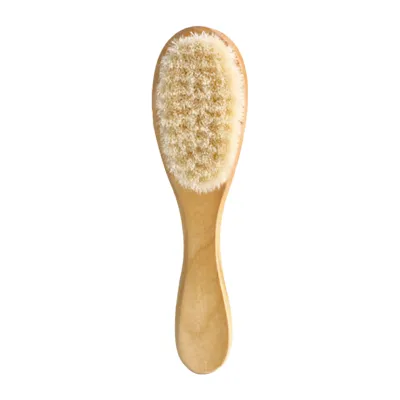
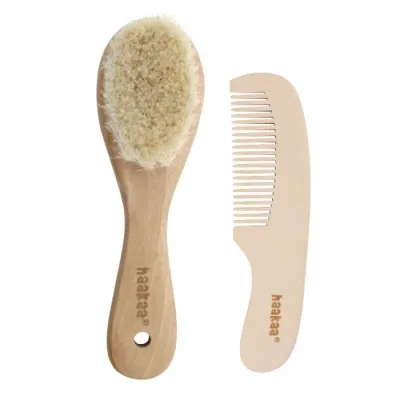
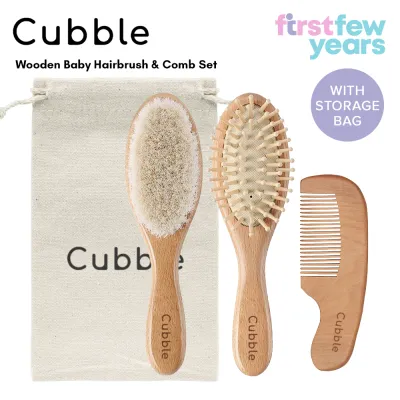
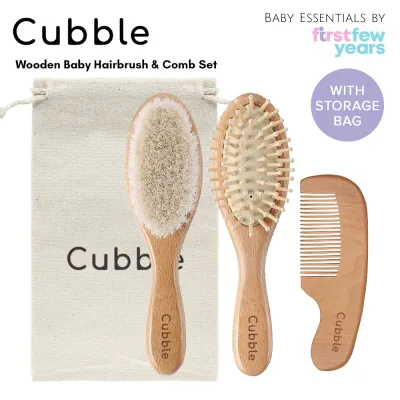
![[SG 🚚] Newborn Cradle Caps Comb Head Cleaning Comb Shape Comb Travel Hair Styling Comb for Baby Toddler Bath Head](https://img.lazcdn.com/g/p/e65c7e1d5e51d1711b82071badce2ffa.jpg_400x400q80.jpg_.webp)
Prices are valid at publication and may change. Please refer to the product page for the latest price.
Additionally, a newborn’s skull features fontanelles, commonly known as soft spots, where the skull bones have not yet fully fused. These areas require extreme care, meaning any grooming tool used must distribute pressure evenly and avoid rigid, pointed contact.
Newborn hair itself is incredibly fine, sparse, and often mixed with lanugo—the soft, downy hair that some babies are born with. This delicate hair can easily tangle or break if subjected to the high friction of standard grooming tools.
Using a standard adult comb poses immediate risks to a baby’s comfort and skin integrity. Adult combs typically feature closely spaced, sharp-tipped teeth designed to penetrate thick hair, which can scrape a newborn’s scalp and cause micro-scratches.
These tiny scratches can become entry points for bacteria, especially in warm, humid environments where sweat and moisture accumulate quickly. A dedicated baby comb is engineered specifically to bypass these hazards by prioritizing scalp protection over heavy-duty detangling.
Key Features to Check When Choosing a Baby Comb
When evaluating a baby comb, the physical design of the teeth is the most critical factor. Look for teeth that feature highly rounded, ball-tipped ends rather than flat or pointed edges, as these rounded tips glide smoothly over the scalp without digging into the skin.

The spacing of the teeth should be relatively wide. Wide spacing allows the comb to pass through fine, damp, or dry hair without snagging, pulling, or creating unnecessary tension at the hair roots.
Flexibility is another essential attribute of a safe baby comb. The material should yield slightly under gentle pressure, ensuring that if you accidentally apply too much force, the comb bends rather than pressing hard against the baby’s head.
While the comb is meant for the baby’s head, the handle must be designed for adult hands. Look for ergonomic, non-slip handles—often featuring rubberized grips or textured surfaces—that allow you to maintain absolute control even if your hands are wet after bath time.
Material safety is paramount, as babies frequently put grooming items in their mouths or touch them before rubbing their eyes. Check the product packaging to verify that the plastic or wood is non-toxic, BPA-free, and devoid of harsh chemical varnishes or paint finishes that could flake off.
If you prefer natural materials, wooden combs made from smooth, untreated hardwoods are excellent options, provided they are certified as splinter-free and finished with food-grade oils. For plastic options, look for food-grade polypropylene or silicone components that can withstand regular washing without degrading.
A basic, high-quality baby comb or grooming set is highly affordable, often costing under S$15 in local baby specialty stores, making it easy to prioritize safety without a large financial investment.
Pre-Use Safety Inspections and Red Flags
Before using any new baby comb on your newborn, perform a thorough physical inspection to ensure there are no manufacturing defects. Run your own finger firmly along the tips and sides of the teeth to check for plastic burrs, sharp molding seams, or uneven edges that could scratch the skin.
Examine the entire tool for loose parts, detachable decorative elements, or weak joints where the handle meets the head. Small plastic emblems or poorly glued pieces can easily detach during use or cleaning, presenting a severe choking hazard for an infant.
Always read the manufacturer’s packaging to verify the recommended age range and intended use instructions. Some grooming tools are designed for older infants with thicker hair and may be too rigid for a newborn’s delicate scalp.
Establish a routine of checking the comb before every use, as wear and tear can occur quickly. If you notice plastic teeth beginning to bend permanently, develop rough patches, or split, discard the comb immediately to prevent scratching.
For combination brush-and-comb sets, inspect the brush bristles for shedding. Loose bristles can easily fall onto the baby’s face, potentially entering their eyes, nose, or mouth, which can cause distress and respiratory irritation.
Gentle Grooming Techniques and Comb Care
Grooming a newborn requires a light touch and a calm environment. Always hold the comb at a shallow angle relative to the scalp, using slow, gentle strokes that follow the natural direction of hair growth.
Take extra care when navigating around the fontanelles, ensuring you do not apply downward pressure. Let the weight of the comb do the work, allowing the rounded tips to lightly skim the surface of the hair rather than pressing into the skin.
If your newborn develops cradle cap—a common condition characterized by yellowish, oily patches on the scalp—never use a comb to scrape, pick, or force the flakes off the skin. Rough scraping can cause inflammation, bleeding, and localized infections.
Instead, apply a few drops of baby oil or a pediatrician-recommended moisturizer to soften the flakes, let it sit according to the product instructions, and then use an ultra-soft baby brush or a flexible baby comb to gently sweep away the loosened flakes during or after a bath.
Keeping the comb clean is vital for preventing the buildup of oils, dead skin cells, and environmental dust. Wash the comb regularly using warm water and a small amount of mild, baby-safe soap or baby shampoo, gently agitating the teeth with your fingers to remove residue.
After washing, rinse the comb thoroughly under running water to remove all soap traces. Shake off excess water and place the comb on a clean, dry towel in a well-ventilated area to dry completely, which prevents the growth of mold, mildew, or bacteria.
Frequently Asked Questions (FAQ)
Can I use a regular soft-bristle brush instead of a baby comb?
Standard adult soft-bristle brushes are often too dense and rigid for a newborn’s delicate scalp. Baby-specific brushes and combs are engineered with much softer, highly flexible materials and widely spaced, rounded tips that prevent friction and scalp irritation.
Using a dedicated baby grooming tool is highly recommended during the first few months of life to protect the sensitive fontanelles and thin skin. Once your baby grows older and their scalp becomes less sensitive, you can gradually transition to standard tools, but early on, the specialized design of a baby comb or brush is essential to avoid micro-tears.
How often should I comb my newborn's hair?
For most newborns, combing once a day or every few days is entirely sufficient to keep their fine hair neat and distribute natural scalp oils. If your baby has very little hair, grooming is less about styling and more about a gentle, soothing scalp massage that can promote relaxation before sleep.
Monitor your baby’s scalp closely for any signs of irritation, such as persistent redness, dry flaking, or localized swelling. If you observe these signs, pause all combing immediately and consult a pediatrician or qualified healthcare professional to rule out underlying skin conditions.

Community discussion
Share your experience or ask a question. Comments are reviewed before publication.