
Selecting a diaper pad involves balancing structural compatibility, material safety, ease of maintenance, and reliable physical stability. A high-quality pad streamlines daily changing routines while protecting your furniture and keeping your infant comfortable. To find the ideal model, you must evaluate its dimensions, waterproofing system, chemical certifications, and built-in safety features.
In Singapore’s tropical climate, factors like humidity and moisture management also play a significant role in your choice. Whether you are setting up a dedicated nursery or optimizing a compact changing station, understanding these core features ensures your setup remains hygienic and secure. This guide outlines the essential specifications to look for before making your purchase.
Measure Your Changing Table and Define Your Space
Before browsing different brands, you must obtain the exact measurements of your changing table or dresser top. Use a metal measuring tape to record the interior length, width, and depth of the changing surface. Writing down these dimensions prevents the common mistake of buying a pad that is too large to sit flat or too small to remain stable.
Products mentioned in this guide
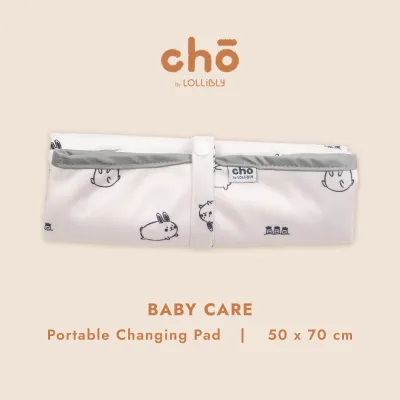
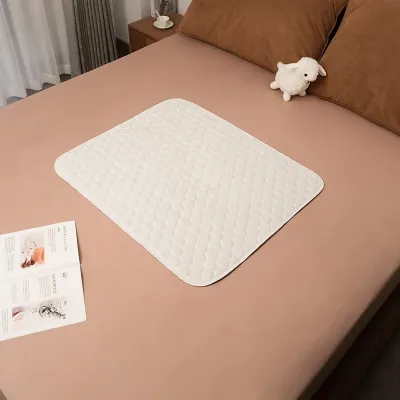
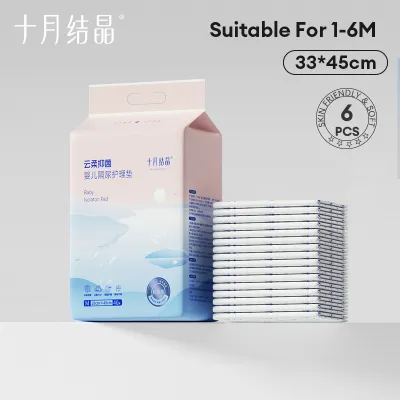
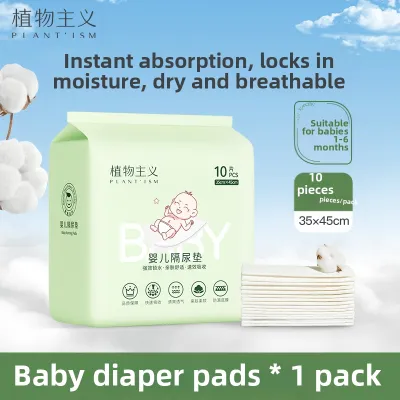
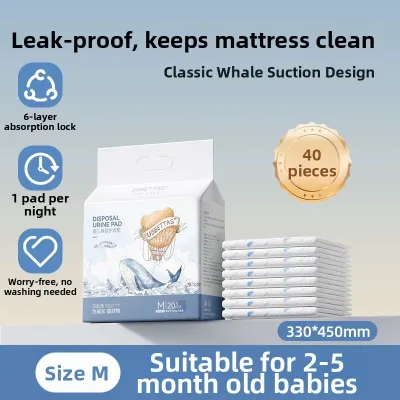
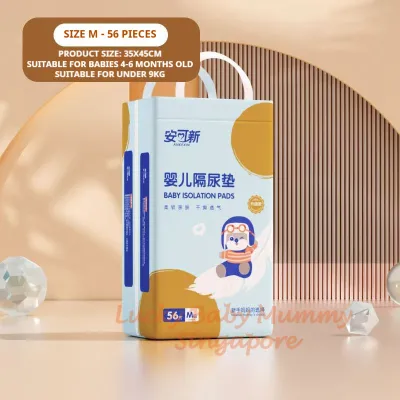
Prices are valid at publication and may change. Please refer to the product page for the latest price.
A snug fit is critical for your baby’s safety during diaper changes. If a diaper pad is too small, it can shift dynamically when your baby wiggles, creating dangerous gaps where a hand, foot, or body could slide or get pinched. Conversely, an oversized pad will bunch up or overhang the edges, compromising its structural stability and making the changing surface uneven.
When evaluating shapes, you will generally choose between standard rectangular pads and contoured pads. Rectangular pads sit completely flat and are highly versatile for various flat surfaces, but they offer less lateral support. Contoured pads, which often feature a two-sided or four-sided hourglass design, rely on raised outer edges to help keep the baby centered. These contoured models require precise table dimensions to ensure the raised edges align correctly with the table’s protective barriers.
Always consult the changing table manufacturer’s manual or product specifications for their recommended pad size. Many brands design their changing tables or removable toppers to fit specific pad dimensions. If you plan to buy a third-party diaper pad, cross-reference its exact physical dimensions with your table’s interior boundaries to ensure a seamless fit.
Evaluate Waterproofing and Leak Protection Layers
Diaper changes are inherently messy, making robust waterproofing the most practical feature of any diaper pad. Most high-quality pads utilize a multi-layer construction designed to manage liquid effectively. This typically includes a soft skin-contact top layer, a supportive and absorbent inner core, and a fully waterproof bottom backing layer.

When reading product labels, identify the specific materials used for the waterproof barrier. Common options include polyurethane laminate (PUL), thermoplastic polyurethane (TPU), or vinyl coatings. Verify whether the top surface of the pad is directly wipeable or if it relies entirely on a separate, removable waterproof cover. Directly wipeable surfaces are highly convenient for quick sanitization between uses.
Singapore’s high relative humidity, which frequently exceeds 80%, makes moisture management a priority. If a diaper pad traps moisture underneath or within its layers, it can quickly become a breeding ground for mold, mildew, and bacteria. Look for pads that offer breathable backing materials or elevated underside designs that allow air to circulate, preventing dampness from damaging your wooden changing table.
Do not rely solely on initial marketing claims of absolute liquid protection. Read verified user feedback and product specifications to determine how the waterproofing holds up after months of daily cleaning. High-quality waterproof layers should resist cracking, peeling, and yellowing, ensuring that liquids do not seep into the internal foam core over time.
Verify Material Safety and Skin Comfort
Because your baby’s skin is delicate and thin, the material composition of the diaper pad requires close inspection. Read the manufacturer’s product labels and material safety data sheets carefully. Avoid pads that emit a strong, pungent chemical odor upon unboxing, as this off-gassing often indicates the presence of volatile organic compounds (VOCs) or harsh synthetic treatments.
To ensure the pad is free from harmful substances, look for reputable, independent safety certifications. Certifications such as OEKO-TEX Standard 100 (for textiles) or CertiPUR-US (for polyurethane foam) indicate that the materials have been tested for harmful levels of toxic chemicals, heavy metals, and flame retardants. Rather than trusting unverified badges on online marketplaces, take the certification number and verify it directly on the issuing organization’s official public database.
Consider how you plan to use the pad when evaluating top-surface comfort. If you intend to place your baby directly on the pad without a cover, choose a material that feels smooth, warm, and gentle against bare skin. Some polyurethane or silicone surfaces can feel cold or sticky in air-conditioned rooms, which may startle a sleeping or fussy infant during night-time changes.
Keep in mind that no material is universally hypoallergenic, as individual skin sensitivities vary widely. When introducing a new diaper pad or cover, closely monitor your baby’s skin for any signs of redness, localized warmth, or rashes. If you observe any skin irritation, stop using the pad immediately, place a clean cotton cloth down as a temporary barrier, and consult a qualified pediatrician.
Assess Cleaning Requirements and Daily Maintenance
Your daily workflow will be heavily influenced by how easy the diaper pad is to clean. Wipe-clean waterproof pads made from polyurethane, silicone, or specialized coated fabrics can be sanitized in seconds using a damp cloth and mild soap. Machine-washable fabric pads, while soft, require frequent laundering and can leave you without a changing surface during the washing and drying cycles.
Always follow the manufacturer’s care instructions regarding approved cleaning agents and sanitizers. Using harsh household bleach, alcohol-based wipes, or abrasive scrubbers can rapidly degrade the waterproof coating, causing it to peel or crack. Check the recommended water temperatures for washable elements, as high heat in washing machines or dryers can shrink fabric covers or melt waterproof backings.
Using removable, washable pad covers is an excellent way to balance comfort and hygiene. These covers protect the primary pad from direct stains, scratches, and wear, significantly extending its lifespan. However, they also add to your weekly laundry load, and you must ensure the cover fits tightly over the pad without bunching, which could create an uneven surface.
Establish a consistent cleaning routine to maintain a hygienic nursery environment. Wipe down the pad after every diaper change using a baby-safe, non-abrasive cleaner, and perform a deeper sanitization weekly. Crucially, always allow the pad and any covers to dry completely in a well-ventilated area before laying your baby down, as lingering dampness compromises both skin health and material integrity.
Inspect Safety Features and Fall Prevention
Physical stability is the cornerstone of safe diaper changes. Look for pads equipped with a non-slip bottom surface, rubberized grip dots, or integrated fabric straps that anchor the pad directly to the changing table frame. These features are designed solely to prevent the pad from sliding across the smooth wooden or laminate surface of your furniture.
It is vital to understand that diaper pad straps and contoured walls are not restraint devices and will not prevent a baby from rolling or falling. Never leave your baby unattended on a changing table, even for a single second, regardless of how secure the pad seems. Always keep at least one hand firmly on your baby during the entire changing process to prevent sudden falls.
If you choose a contoured pad, inspect the structural integrity of the raised side walls. The foam or fill material must be firm enough to provide a clear visual and tactile boundary for your baby, helping them remain centered. Avoid pads with flimsy, easily compressed edges that flatten completely under minimal weight, as they fail to provide any structural boundary.
Regularly inspect the physical condition of your diaper pad to ensure it remains safe for daily use. Stop using the pad immediately if you notice the waterproof outer layer cracking, peeling, or exposing the foam underneath. Similarly, if the internal foam core becomes permanently compressed, lumpy, or uneven, it can compromise your baby’s stability and must be replaced.
Test and Verify the Pad After Delivery
Once your diaper pad arrives, conduct a thorough visual and tactile inspection before using it. Check the entire surface for manufacturing defects, such as loose stitching, frayed safety straps, or uneven foam density. Run your hands over the pad to ensure there are no hard lumps, sharp plastic edges, or bubbling in the waterproof laminate.
Perform a simple water test on a small, inconspicuous corner of the pad to verify its water resistance. Pour a small tablespoon of water onto the surface; the liquid should bead up immediately and slide off without soaking into the fabric or seams. Wipe the area dry to confirm that no moisture was absorbed into the inner core.
Next, place the pad onto your changing table to test its physical fit. Press down on the corners and sides to verify that it sits perfectly flush against the table surface without sliding, rocking, or curling at the edges. If the pad shifts easily, adjust the non-slip backing or tighten the anchoring straps to secure it firmly.
Finally, retain your purchase receipt, warranty documents, and the original packaging until you are completely satisfied with the pad’s performance. Most reputable retailers and online marketplaces in Singapore offer a standard return window for baby gear. If the pad does not fit your changing table perfectly or exhibits any structural defects, initiate a return or exchange promptly.
Frequently Asked Questions (FAQ)
Can I use a regular towel instead of a diaper pad?
While a folded towel can provide temporary cushioning, it is not a safe or practical long-term substitute for a dedicated diaper pad. Towels lack a waterproof barrier, meaning liquids will quickly soak through and damage your changing table or dresser. Furthermore, towels slide easily on smooth surfaces, creating a significant slipping hazard when your baby moves, whereas a dedicated pad features non-slip backing and anchoring straps to remain securely in place.
How often should I replace the diaper pad?
Most high-quality diaper pads are designed to last through infancy, but you should replace them immediately if you observe clear signs of wear. These signs include cracking or peeling of the waterproof layer, persistent mold or mildew spots, lingering odors that do not wash out, or a compressed, uneven foam core. A compromised pad cannot be properly sanitized and may fail to support your baby evenly, making a replacement necessary for hygiene and safety.
Do I need a pad cover if the pad is already waterproof?
While a waterproof pad can be used directly, using a removable fabric cover is highly recommended for added comfort and convenience. A soft cotton or bamboo cover feels much warmer and gentler against your baby’s bare skin than cold, wipeable plastic or polyurethane. Additionally, using a cover allows you to easily wash away minor messes in the laundry, protecting the primary waterproof surface of the pad from premature wear, scratches, and degradation.

Community discussion
Share your experience or ask a question. Comments are reviewed before publication.