
Baby-proofing sharp furniture edges is a critical step in creating a secure home environment as your child transitions from crawling to walking. Selecting a reliable safety rail brand requires a systematic approach: you must verify material safety certifications, evaluate adhesive quality and surface compatibility, and analyze verified user feedback. By focusing on these core indicators rather than generic marketing claims, parents can find edge guards that withstand daily impact and remain securely attached without damaging household surfaces.
As infants begin to pull themselves up on coffee tables, TV consoles, and low shelving, their unpredictable movements make sharp corners a significant hazard. A high-quality safety rail acts as a crucial buffer, absorbing the force of accidental bumps and falls. However, because these protective barriers are installed within a child’s reach—and often at eye level—choosing a brand that prioritizes non-toxic materials and robust adhesion is essential for long-term safety and peace of mind.
Understand the Core Purpose and Fit of Edge Guards
Before browsing online marketplaces or local baby boutiques, it is essential to map out your home’s specific baby-proofing needs. Toddlers explore their environment at different heights depending on their developmental stage. A crawling baby interacts primarily with low baseboards and the bottom edges of cabinets, while a cruising toddler will reach for the sharp edges of dining tables, desks, and media units. Walk through your living spaces at your child’s eye level to identify high-risk zones, paying close attention to heavy traffic areas where slips are more likely to occur.
Products mentioned in this guide
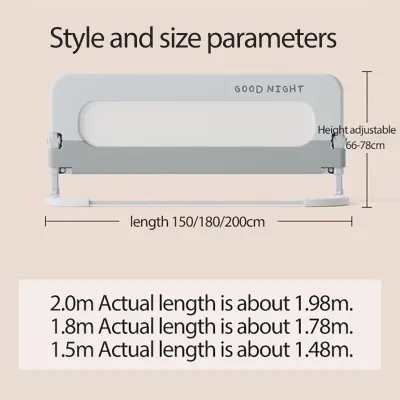
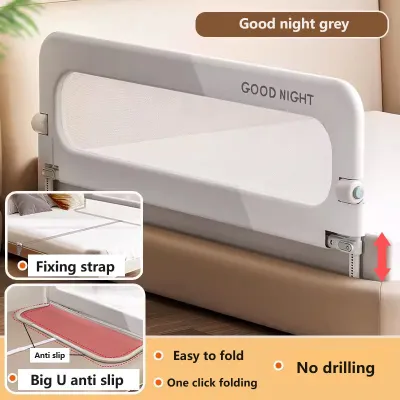
Prices are valid at publication and may change. Please refer to the product page for the latest price.
Accurate measurement is the foundation of a successful installation. Use a flexible measuring tape to determine the total linear length of the sharp edges you need to cover. Additionally, measure the thickness of the furniture edges; this step is critical because edge guards come in various profiles. An L-shaped profile is ideal for standard right-angle table edges, while a U-shaped guard wraps around thin glass shelves or metal frames. For isolated hazards, individual corner balls or pre-molded corner protectors offer targeted coverage without requiring a full-length strip.
Always check the manufacturer’s packaging for recommended age or developmental stage guidelines. Some safety rails are specifically designed for younger infants who are just beginning to sit up, while others feature denser, high-impact materials suited for active toddlers who run and climb. Matching the product’s design specifications to your child’s current physical capabilities ensures that the guard provides adequate cushioning during a high-velocity impact.
Evaluate Material Quality and Safety Standards
When selecting a safety rail brand, material composition must be your primary consideration. Because toddlers frequently explore their world using their mouths, edge guards are highly likely to be licked, chewed, or bitten. Reliable brands provide clear, explicit material declarations on their product labels or official websites. Look for materials specified as BPA-free, phthalate-free, lead-free, and heavy-metal-free. Avoid brands that rely on vague marketing terms like “eco-friendly” or “non-toxic” without providing concrete material listings such as food-grade silicone, high-density NBR (nitrile butadiene rubber), or medical-grade PVC.

Independent safety certifications offer the most reliable proof of a product’s safety. Look for compliance marks printed directly on the packaging, which indicate that the safety rail has undergone rigorous standardized testing by recognized third-party laboratories. These certifications verify that the chemical composition of the foam or plastic meets strict international toy safety standards, ensuring that no harmful substances will leach out if a child chews on the guard. If a brand does not display these certification marks or refuses to provide compliance documentation upon request, it is best to choose an alternative.
Physical durability is just as important as chemical safety. Assess the density and tear resistance of the material by reviewing the product specifications. High-density foam should feel firm to the touch and quickly spring back to its original shape when compressed. If the material is too soft or low in density, it will bottom out during an impact, failing to protect your child from the hard wood or metal underneath. Furthermore, low-quality, low-density materials are easily torn or bitten off by teething toddlers, creating a severe choking hazard that can quickly escalate into an emergency.
Assess Adhesive Strength and Surface Compatibility
The effectiveness of any safety rail is entirely dependent on the strength of its adhesive. A guard that peels away easily not only fails to protect your child but also becomes a tempting object for them to pull on and play with. When evaluating brands, verify the type of adhesive tape included in the package. Premium brands often partner with established adhesive manufacturers to provide heavy-duty acrylic or double-sided gel tapes. Additionally, check the manufacturer’s specified curing time; high-quality adhesives typically require 24 to 48 hours to bond completely with the surface before they can withstand pulling or tugging.
Surface compatibility is another critical factor that varies widely between brands. Before purchasing, cross-reference the brand’s official compatibility list against your home’s furniture finishes. Some adhesives are optimized for sealed solid wood and laminated MDF, but may fail to adhere to oiled wood, rough stone, or highly textured surfaces. Conversely, certain high-strength adhesives can strip the paint off drywall or damage delicate wood veneers upon removal. Choosing a brand that explicitly states compatibility with your specific furniture materials prevents both premature peeling and costly furniture damage.
While premium brands may cost slightly more—often ranging from S$15 to S$40 for a complete kit—this minor investment is highly cost-effective compared to the expense of repairing damaged furniture finishes or, more importantly, managing preventable injuries. A complete baby-proofing solution must also account for the eventual removal of the safety rail once your child outgrows the need for it. Look for brands that provide clear, step-by-step removal instructions on their packaging or website. Some manufacturers design their adhesives to release cleanly when heated with a standard hair dryer, while others offer specialized, furniture-safe adhesive removers.
Verify Brand Reputation and User Feedback
In the digital marketplace, user reviews provide invaluable insights into how a safety rail performs under real-world conditions. When researching brands on ecommerce platforms, prioritize reviews that include customer photos and detailed descriptions of long-term use. Look specifically for feedback regarding how well the adhesive holds up after several months of exposure to humidity, dust, and toddler interaction. Photos of installed rails can also help you assess the actual color match and aesthetic integration of the product within your home environment.
It is crucial to develop a critical eye when reading online feedback to filter out manipulated or artificial reviews. Be skeptical of brands that feature hundreds of highly repetitive, short, and overly enthusiastic five-star ratings that lack specific details about the product’s performance. Instead, focus on moderate three- and four-star reviews. These middle-tier assessments often provide the most balanced perspective, highlighting both the strengths of the safety rail and minor drawbacks, such as a difficult installation process or a slight chemical odor upon opening the package.
Finally, observe how a brand interacts with its customers, particularly in response to negative feedback. A reputable brand will actively monitor review sections and offer constructive solutions to customers who report adhesive failure or missing components. Look for manufacturers that offer replacement adhesive strips or provide clear troubleshooting advice. A brand’s willingness to stand behind its product and assist dissatisfied buyers is a strong indicator of robust quality control and reliable customer service.
Step-by-Step Selection and Installation Checklist
To ensure your chosen safety rail performs at its best, follow a systematic preparation and installation process. Begin by thoroughly cleaning the target furniture surface. Dust, oils, and household polish residues will severely compromise the adhesive bond, leading to premature peeling. Wipe the area down with rubbing alcohol and allow it to dry completely. Avoid using standard household spray cleaners, as they often leave behind a thin, slick film that prevents the tape from sticking properly.
Once the surface is clean and dry, measure and cut the safety rail to the exact length required. Apply the adhesive tape to the guard first, pressing down firmly along the entire length to eliminate air bubbles. When placing the rail onto the furniture, apply steady, heavy pressure for at least thirty seconds to activate the pressure-sensitive adhesive. It is absolutely vital to respect the manufacturer’s specified curing window—usually 24 hours—during which you must keep the area completely free from toddler interaction and avoid any manual stress testing.
After the curing period has passed, perform a gentle manual pull-test to verify that the bond is secure. However, baby-proofing is not a one-time task; it requires ongoing maintenance. Establish a routine weekly schedule to visually inspect all installed safety rails. Check for lifting corners, peeling edges, or signs of wear and tear, such as bite marks or cracks in the foam. Promptly re-securing or replacing compromised sections ensures that your home remains a consistently safe environment for your growing child.
Frequently Asked Questions (FAQ)
Can I use safety rails on glass tables or mirrored surfaces?
Yes, but you must proceed with extreme caution and carefully verify the safety rail brand’s compatibility guidelines. Glass and mirrored surfaces are non-porous, which can make some adhesives bond exceptionally well—sometimes too well. When it comes time to remove the guard, the intense pulling force required to break the adhesive bond can place localized stress on the glass, potentially causing hairline fractures or even shattering tempered glass. Always check the product label to ensure the adhesive is rated safe for glass, and consult your furniture manufacturer’s care instructions before application.
What should I do if my toddler keeps chewing on the safety rail?
If your child is using the safety rail as a teething toy, you must take immediate action to prevent a choking hazard. Inspect the guard daily for any visible bite marks, tears, or missing pieces; if you detect any damage, remove and replace that section immediately. To discourage chewing, ensure you are using a high-density, tear-resistant material that does not easily break apart, and consider offering safe, dedicated teething toys as an alternative. If the chewing behavior is persistent and your child shows a strong compulsion to bite non-food items, consult your pediatrician for professional guidance.

Community discussion
Share your experience or ask a question. Comments are reviewed before publication.