
Finding a reliable portable children’s play mat for outdoor use in Singapore requires balancing child comfort with the realities of a tropical climate. Whether you are planning a family picnic at the Singapore Botanic Gardens, setting up a play area at East Coast Park, or spending an afternoon at Marina Barrage, the outdoor environment presents unique challenges. High humidity, intense solar radiation, sudden tropical downpours, and damp grass can quickly degrade low-quality materials or make a play surface uncomfortable and unsafe for young children. To make an informed decision, parents must look beyond aesthetic designs and focus on material durability, thermal properties, ease of maintenance, and verified safety standards.
A truly reliable outdoor play mat must serve as a protective barrier against heat, moisture, and uneven ground while remaining highly portable. Because children’s skin is sensitive and their regulatory systems are still developing, the physical properties of the mat directly impact their safety and comfort. By understanding how different materials perform under local weather conditions and learning how to verify manufacturer specifications, you can select a portable play mat that supports safe, active outdoor play for years to come.
Essential Criteria for Outdoor Play Mats in a Tropical Climate
Singapore’s climate demands specific performance characteristics from any baby gear used outdoors. The first and most critical factor is weather resistance. High UV exposure can rapidly break down plastics and synthetic fabrics, causing them to become brittle, crack, or fade. When evaluating a portable play mat, check the manufacturer’s specifications for UV-resistant coatings or stabilizers that prevent solar degradation. Additionally, the mat must feature excellent water resistance to block ground moisture from seeping through from damp grass or wet sand. A quick-drying surface is equally essential, ensuring that sudden passing showers do not leave the mat waterlogged and unusable for the rest of the day.
Products mentioned in this guide
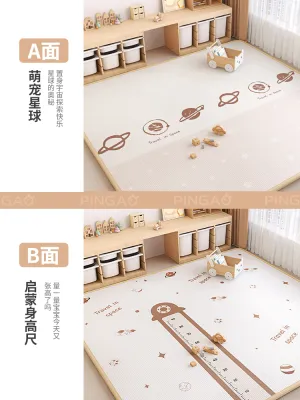
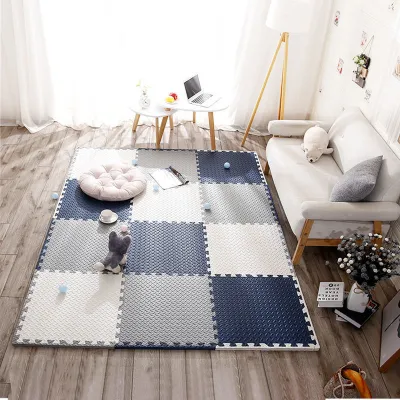
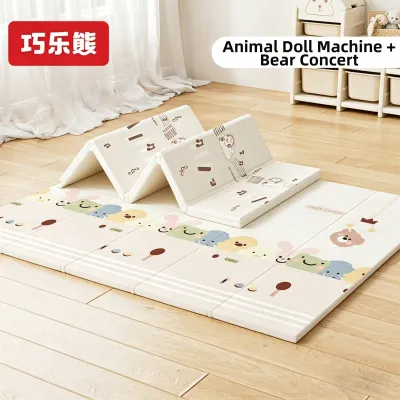
Prices are valid at publication and may change. Please refer to the product page for the latest price.
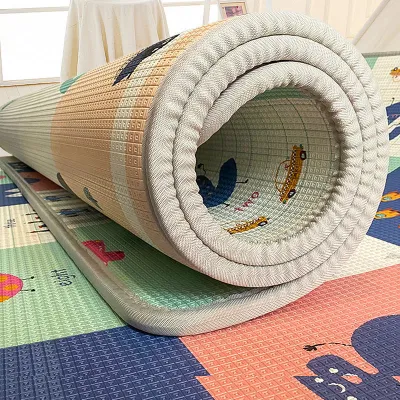
Portability and storage are the next key considerations for active families. A play mat is only useful if it is easy to transport alongside strollers, diaper bags, and other essentials. Look for lightweight designs that fold compactly rather than rolling up into a bulky cylinder. Folding mats with pre-creased lines tend to pack down more efficiently, making them easier to slide into a stroller basket, carry on public transport, or store in a car boot. Sturdy, integrated carrying straps or a dedicated travel bag made of breathable mesh will protect the mat during transit while allowing any residual moisture to escape.
Surface safety is paramount, particularly when children are crawling, rolling, or taking their first steps outdoors. Singapore’s heat and humidity mean children will sweat, and condensation can quickly form on plastic surfaces. A reliable outdoor mat must feature a non-slip, textured surface that maintains traction even when damp. Look for raised patterns, such as cross-hatching or embossed textures, which provide grip for tiny hands and feet. Avoid completely smooth, glossy plastic surfaces, as these can become dangerously slippery when exposed to sweat, sunscreen, or spilled water.
Evaluating Material Options for Durability and Comfort
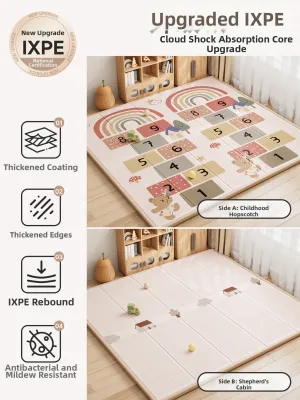
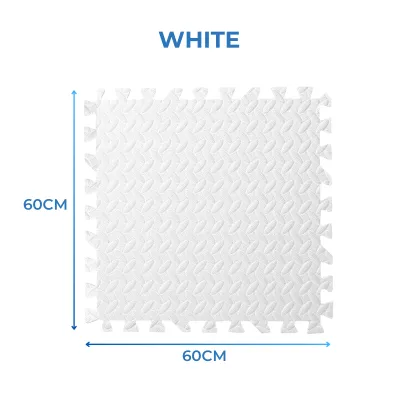
Selecting the right material involves balancing cushioning, breathability, and ease of cleaning. Foam mats, particularly those made from Cross-linked Polyethylene (XPE) or Expanded Polyethylene (EPE), are highly popular for their shock absorption. XPE foam is generally more durable and resistant to compression than EPE, making it a reliable choice for uneven outdoor terrain like gravel or root-filled grass. However, solid foam mats can trap heat against the child’s body because they lack airflow. If you choose a foam mat, ensure it has a textured surface to allow some air circulation between the child’s skin and the mat.

Fabric mats, such as those made from heavy-duty polyester or canvas, offer enhanced breathability and a softer feel against the skin. These mats are highly comfortable in hot weather because they do not stick to sweaty skin. The trade-off is that fabric mats are naturally porous; they require a specialized water-resistant backing, such as a polyurethane (PU) or thermoplastic polyurethane (TPU) coating, to prevent ground moisture from soaking through. While fabric mats are often machine-washable, they take significantly longer to dry than foam or plastic alternatives, which can be a drawback if they get wet during a morning outing.
Woven plastic mats, often made from recycled polypropylene, represent a highly durable and lightweight outdoor option. These mats are virtually impervious to water, do not absorb spills, and can be shaken out to remove sand and dirt instantly. They also tend to remain cooler underfoot than solid foam because the woven structure allows air to pass through. However, woven plastics provide very little cushioning, making them less suitable for younger infants who are still learning to sit up or crawl and require impact protection from hard ground.
Heat retention is a critical safety factor when using any synthetic material under the Singapore sun. Dark colors and dense foam materials absorb solar radiation rapidly, reaching temperatures that can cause discomfort or skin irritation. When selecting an outdoor mat, opt for lighter colors or pastel patterns that reflect sunlight rather than absorbing it. Always test the surface temperature of the mat with the back of your hand before placing your child on it, especially if it has been exposed to direct sunlight for more than a few minutes.
Cleaning requirements vary widely across these material categories. Outdoor play inevitably involves contact with mud, grass stains, spilled milk, and sunscreen. Foam and woven plastic mats offer the convenience of a simple wipe-clean surface; a damp cloth or a gentle baby wipe is usually sufficient to clean up messes on the spot. Fabric mats, while comfortable, can trap fine sand particles and food crumbs in their fibers, requiring thorough shaking, vacuuming, or a cycle in the washing machine once you return home.
How to Verify Brand Reliability and Safety Standards
With numerous brands available on online marketplaces and in local baby boutiques, parents must know how to verify safety claims independently. Do not rely solely on marketing terms like “non-toxic,” “eco-friendly,” or “100% safe,” as these terms are often unregulated. Instead, look for recognized international safety certifications printed on the product packaging or detailed on the manufacturer’s official website. Key certifications to look for include EN71 (the European standard for toy safety), ASTM F963 (the US standard), or CPSIA compliance. These standards verify that the materials have been tested for harmful substances such as heavy metals, phthalates, formamide, and flame retardants.
Reading verified user reviews is an excellent way to gauge how a brand’s play mat performs in real-world outdoor conditions over time. Look for reviews from buyers living in tropical climates who specifically mention using the mat at parks or beaches. Pay attention to comments regarding how well the seams hold up, whether the outer protective film delaminates after exposure to sun and water, and if the mat retains a musty odor after getting damp. A pattern of reviews complaining about peeling edges, rapid fading, or chemical smells upon opening indicates poor manufacturing quality.
Be alert to red flags when browsing different brands. A lack of clear material disclosures—such as simply listing “foam” or “fabric” without specifying the exact type (e.g., XPE, polyester)—is a major warning sign. Reliable brands will openly state the materials used and provide clear age guidelines and weight limits where applicable. Furthermore, check for the presence of clear manufacturer contact information, including a physical address or an official customer service email. Brands that operate anonymously through third-party sellers without a dedicated website or customer support channel are difficult to hold accountable if a product defect occurs.
Best Practices for Setup, Use, and Maintenance Outdoors
To ensure your child’s safety and extend the lifespan of your portable play mat, proper setup and maintenance are essential. Before laying down the mat, carefully inspect the site. Clear away any sharp objects such as twigs, dry leaves, stones, soda tabs, or broken glass that could puncture the mat or injure a crawling child. Avoid placing the mat directly on dark asphalt, concrete, or artificial turf, as these surfaces absorb extreme heat and can transfer that heat through the mat to your child. Whenever possible, set up your play area on natural grass under the shade of a tree or a park pavilion.
Always maintain active caregiver supervision while your child is on the mat, and inspect the product for any signs of wear, tearing, or exposed foam before each use. If you notice any material degradation, cracking, or peeling of the outer protective layer, stop using the mat immediately to prevent ingestion hazards or skin irritation.
Anchoring the mat is necessary to prevent sudden gusts of wind from lifting the corners and disrupting play. Many outdoor-specific mats come with built-in corner loops designed for ground pegs, which are highly effective on grass or sand. If your mat does not have loops, you can secure the corners using heavy, blunt objects from your diaper bag, such as water bottles or clean shoes. Avoid using sharp rocks or heavy branches as weights, as these can tear the mat’s surface or pose a tripping hazard for your child.
Post-use care is critical to preventing the growth of mold, mildew, and unpleasant odors, which thrive in Singapore’s high humidity. Never fold and store a damp play mat in its carrying bag for an extended period. If the mat gets wet from rain, dew, or sweat, wipe it down with a dry cloth before packing it away. Once you return home, unfold the mat completely in a well-ventilated indoor area or a shaded balcony to let it air dry thoroughly. For routine cleaning, use mild, baby-safe soap and water; avoid harsh chemical disinfectants or abrasive scrubbing pads, which can strip away water-resistant coatings and damage the protective outer layer.
Frequently Asked Questions (FAQ)
Can I leave a portable play mat outside overnight or in the rain?
No, you should not leave a portable play mat outside overnight or exposed to rain. Prolonged exposure to moisture, dew, and rainwater will compromise the structural integrity of the mat, leading to waterlogging, delamination of protective layers, and rapid mold or mildew growth. Even mats labeled as waterproof are designed for temporary outdoor use and must be dried and stored indoors. Leaving a mat outdoors also exposes it to nocturnal pests and dirt, which can compromise the hygiene of your child’s play surface. Always fold, pack, and store the mat in a dry, indoor environment after each use.
Are thicker play mats always better for outdoor use?
Not necessarily. While thicker mats (such as those 1.5cm to 2cm thick) provide increased impact protection and cushioning for infants who are learning to sit or crawl, they come with significant trade-offs for outdoor use. Thicker mats are heavier, bulkier, and much harder to fold and transport. Additionally, dense, thick foam can trap and retain heat more than thinner alternatives, making the surface uncomfortably warm in Singapore’s climate. For outdoor excursions, a medium thickness of 0.5cm to 1cm often strikes a practical balance, offering sufficient protection from uneven ground while remaining lightweight, highly packable, and cooler to sit on.

Community discussion
Share your experience or ask a question. Comments are reviewed before publication.