
Welcoming a new baby brings a wave of joy, along with a long list of essential decisions, including how to feed your infant. For many mothers in Singapore, a reliable breast pump is an indispensable tool that supports their breastfeeding journey, whether they are returning to the workplace, sharing feeding duties with a partner, or exclusively pumping. However, walking into a baby store or browsing online marketplaces can quickly become overwhelming due to the sheer volume of brands, models, and technical specifications available.
There is no single breast pump brand that serves as a universal winner for every mother. The most recommended option depends entirely on your unique pumping goals, daily schedule, physical comfort, and budget. To find the right fit, you must evaluate how often you plan to pump, where you will be using the device, and how much support you require from local distributors. This guide establishes a practical decision-making framework to help you compare pump categories, assess technical features, and purchase a reliable device with confidence.
Assessing Your Pumping Routine and Lifestyle Needs
Before comparing specific brands, you must define your primary pumping objective, as this dictates the motor durability and battery capacity you will need. Mothers who plan to pump exclusively or need to build a substantial milk supply require a heavy-duty motor designed for frequent daily use. These high-frequency routines demand a robust pump that can withstand multiple sessions a day without losing suction power over time. Conversely, if you only plan to pump occasionally to relieve engorgement or to leave a bottle for a caregiver, a lighter, less expensive model will likely suffice. Always check the manufacturer’s guidelines regarding the recommended daily usage limits for your specific model to prevent premature motor wear.
Products mentioned in this guide
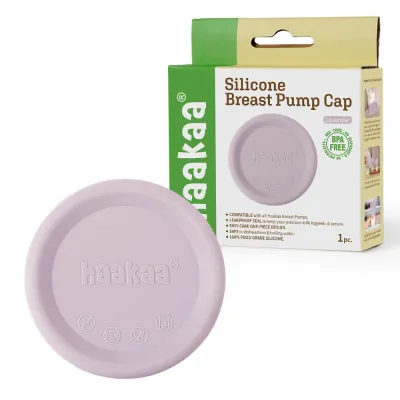
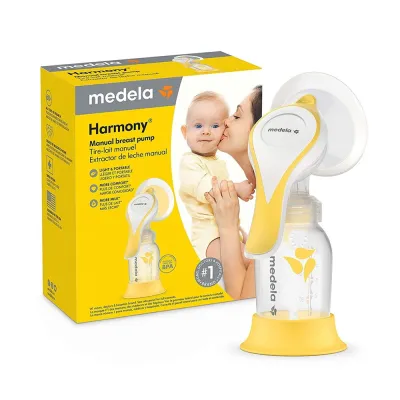
![[SG Stock]Electric Breast Pump - Pain-Free & Portable with 3 Modes 9 Levels](https://img.lazcdn.com/g/p/b688415f6604410420cf04730c3ddf1c.jpg_400x400q80.jpg_.webp)
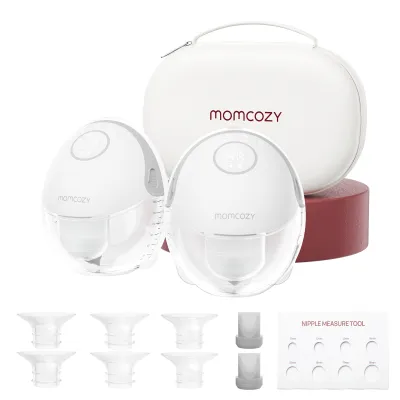
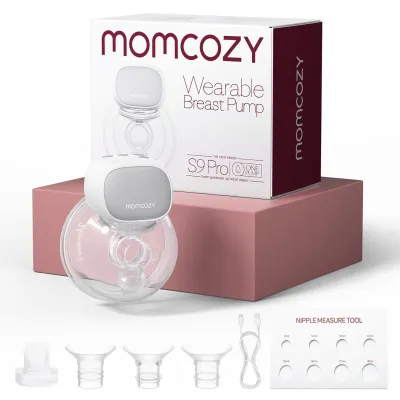
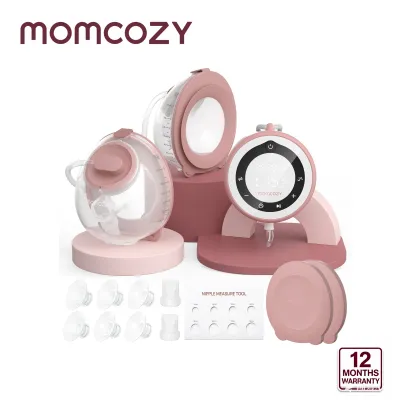
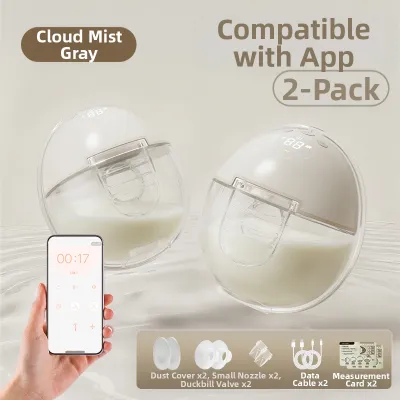
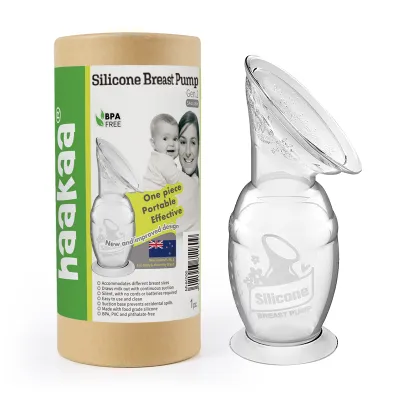
Prices are valid at publication and may change. Please refer to the product page for the latest price.
Your daily environment and commuting habits also play a major role in determining the ideal pump design. Working mothers in Singapore who commute via public transport or move between meeting rooms need to prioritize portability, weight, and battery life. A bulky pump that requires a constant wall connection can limit your mobility and make workplace pumping highly stressful. For these active routines, lightweight personal double pumps or completely wearable, tubeless models are highly practical solutions that fit easily into a standard work bag.
Noise levels and discretion are equally critical factors, especially if you plan to pump in shared office spaces, during virtual meetings, or next to a sleeping baby at night. While no electric breast pump is completely silent, some brands engineer their motors to operate with minimal vibration and low-frequency humming. When evaluating different options, look for brands that specify low-decibel operation or offer discreet wearable designs that slip directly into your nursing bra. Minimizing noise not only protects your privacy in professional settings but also helps you relax, which is essential for triggering the let-down reflex.
Core Features to Compare Across Breast Pump Brands
When comparing different breast pump brands, you should look past marketing claims and focus on a standardized checklist of technical and comfort specifications. The first and most critical feature is the adjustability of suction strength and cycle speed. A high-quality pump should offer distinct phases: a stimulation mode with fast, shallow cycles to mimic a baby’s initial latch and trigger milk flow, followed by an expression mode with slower, deeper cycles to draw out milk efficiently. Brands that allow you to adjust both suction strength and cycle speed independently provide a much more customized and comfortable experience. If you experience persistent pain, skin irritation, or difficulty expressing milk, stop using the device immediately and consult a certified lactation consultant or healthcare professional.

Flange sizing is another vital factor that directly impacts both your physical comfort and milk output. Using a flange that is too large or too small can cause friction, nipple pain, tissue damage, and incomplete breast emptying. A reliable brand should offer a wide range of standard flange sizes, typically ranging from 19mm to 30mm, or provide compatibility with aftermarket silicone inserts. Before purchasing, check the brand’s product documentation to see if they offer sizing guides and whether their design accommodates third-party comfort inserts if you fall between standard sizes.
The power source and charging versatility of the pump will determine how truly portable the device is in your daily life. Modern breast pumps often feature built-in rechargeable lithium-ion batteries that can be charged via standard USB-C cables, allowing you to power up using a laptop, power bank, or car charger. If you choose a model that only operates when plugged into an electrical outlet, you will be tethered to a specific spot, which can be highly inconvenient. Always verify the expected battery run-time per charge cycle from the manufacturer’s specifications to ensure it can cover your typical daily sessions away from home.
Finally, prioritize brands that utilize a closed-system design for maximum hygiene and safety. A closed system incorporates a physical barrier, such as a silicone diaphragm, that prevents expressed milk and moisture from entering the tubing and the pump motor. This design is crucial because open systems can allow milk particles to collect inside the motor, creating a breeding ground for mold, bacteria, and viruses that are impossible to clean. A closed-system pump is not only safer for your baby but also maintains the hygiene and longevity of the motor, preserving its resale or donation value.
Matching Pump Categories to Your Budget and Goals
Breast pump brands generally fall into distinct categories based on their design, motor strength, and price point. Understanding these categories allows you to align your budget with your practical feeding goals without overspending on unnecessary features. Hospital-grade and premium personal double electric pumps represent the highest financial investment, often ranging from S$400 to over S$800. These devices feature heavy-duty, multi-user motors designed to establish, increase, or maintain milk supply under challenging circumstances, such as premature births or exclusive pumping. While they offer exceptional suction efficiency and durability, they are typically bulkier and less convenient for daily travel.
Mid-range single electric and wearable breast pumps offer a balanced compromise between cost, performance, and portability, usually priced between S$150 and S$400. Wearable pumps have gained immense popularity among working mothers in Singapore because they eliminate external tubes and wires, allowing you to pump hands-free while multitasking. However, it is important to understand the trade-offs of wearable models: they often have smaller milk collection cups, may feature slightly lower suction efficiency compared to traditional double pumps, and consist of multiple small parts that require meticulous cleaning and assembly. If you choose a wearable pump, it is often wise to pair it with a traditional electric pump as your primary device to ensure thorough breast emptying.
For occasional pumping, travel, or as a reliable backup, manual pumps and budget-friendly single electric pumps are excellent, cost-effective options that typically cost under S$100. Manual pumps rely entirely on hand-operated levers to create suction, giving you complete control over the speed and pressure. They are incredibly lightweight, require no electricity or batteries, and operate in complete silence, making them perfect for keeping in your diaper bag or using during short outings. While they require more physical effort and are not suited for frequent daily use, they remain an essential tool for almost every breastfeeding mother’s toolkit.
Buying Safely and Verifying Support in Singapore
Investing in a high-quality breast pump is a significant financial decision, making it essential to buy safely and secure reliable local support. When shopping online, always purchase from authorized local distributors or official brand stores on reputable e-commerce platforms. Buying from unauthorized parallel importers or third-party sellers might offer a lower upfront price, but it carries substantial risks, including the potential for receiving counterfeit, refurbished, or unhygienic returned units. Authorized local sellers guarantee that the product is brand new, meets local safety standards, and is safe for your infant. Always verify the manufacturer’s safety certifications, recall history, and specific usage warnings in the product documentation before first use.
A local warranty is one of the most valuable assets you can have when purchasing an electric breast pump. Because these devices contain complex electronic motors and rechargeable batteries, they can occasionally experience technical faults or battery degradation. Before finalizing your purchase, verify the warranty terms, the location of the local service center, and the process for claiming repairs or replacements. Furthermore, ensure that consumable replacement parts, such as silicone valves, membranes, tubing, and connectors, are readily available for purchase locally, as these parts wear out every few months and must be replaced to maintain proper suction.
If you require a hospital-grade pump for a short period—such as the first few weeks postpartum to establish your milk supply—renting can be a highly practical and cost-effective alternative to purchasing. Many local hospitals, pharmacies, and specialized lactation services in Singapore offer rental programs for professional-grade pumps on a monthly basis. This allows you to access superior motor performance and medical-grade hygiene standards without the steep upfront cost of buying a machine you may only need for a limited time. If you choose to rent, you will only need to purchase a personal, brand-new double collection kit for hygiene purposes, while renting the main motor unit safely.
Frequently Asked Questions (FAQ)
Can I use a breast pump brand from overseas without a local warranty?
While importing a breast pump from overseas online stores can sometimes save you money initially, it introduces several practical risks that can disrupt your pumping routine. First, electronic devices purchased from other regions may operate on different voltages or require adapter plugs that are not optimized for Singapore’s electrical outlets, potentially damaging the motor or battery over time. Second, overseas warranties are rarely honored by local distributors, meaning that if your pump malfunctions, you will have to pay for expensive shipping back to the country of origin or purchase an entirely new device. Finally, sourcing proprietary replacement parts like valves, diaphragms, or specific flange sizes can become incredibly difficult and slow, leaving you without a functional pump for days or weeks when you need it most.
How do I know if a brand’s flanges will fit me properly?
To determine if a brand’s flanges will fit you correctly, you must measure the diameter of your nipple base in millimeters, excluding the areola, using a ruler or a printable sizing tool. It is best to take this measurement after a pumping session or when your nipples are stimulated, as they naturally expand during milk expression. A properly fitting flange should leave approximately two to three millimeters of space around your nipple, allowing it to move freely in and out of the tunnel without rubbing against the sides, while ensuring that little to no areola is drawn into the tunnel. If you experience persistent pain, friction, or notice that your breasts do not feel empty after a session, you may need to adjust your flange size or use compatible silicone inserts to achieve a secure, comfortable seal.

Community discussion
Share your experience or ask a question. Comments are reviewed before publication.