
A successful day outing with your baby relies heavily on how quickly and easily you can access your gear. When navigating busy shopping malls, public transit, or outdoor parks, a diaper bag tote serves as your mobile command center. Unlike traditional backpacks, a tote offers a wide top opening that lets you scan your entire inventory at a single glance, making it a highly popular choice for parents who value both efficiency and style. To find the perfect option, you must look beyond aesthetics and evaluate how the bag handles the physical demands of carrying baby essentials for hours at a time.
Choosing the right diaper bag tote requires balancing storage volume with physical comfort. An ideal tote distributes weight evenly across your shoulder, resists the elements, and keeps clean items strictly separated from soiled ones. In warm, humid climates, these considerations become even more critical, as sweat, spilled liquids, and humidity can quickly compromise poorly made materials. By focusing on structural integrity, smart compartment layouts, and lifestyle compatibility, you can select a tote that simplifies your outings and transitions seamlessly from baby care to personal use.
Core Features to Evaluate in a Diaper Tote
The foundation of any practical diaper bag tote lies in its material construction. Because the bag will inevitably encounter spilled milk, crushed snacks, and outdoor dirt, the exterior fabric must be exceptionally durable and easy to clean. High-density nylon, water-resistant polyester, and premium vegan leather are excellent choices because they allow you to wipe away messes with a simple damp cloth or baby wipe. Canvas can also be highly durable, but it should ideally feature a water-repellent coating to prevent liquid stains from soaking into the fibers during sudden tropical downpours or accidental bottle leaks.
Products mentioned in this guide
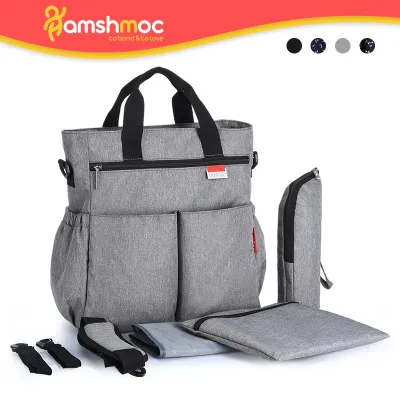
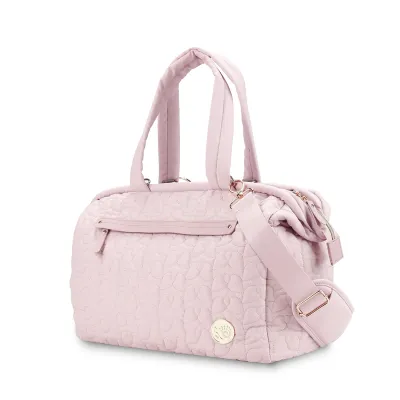
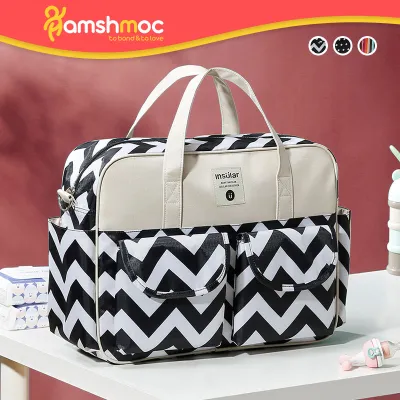
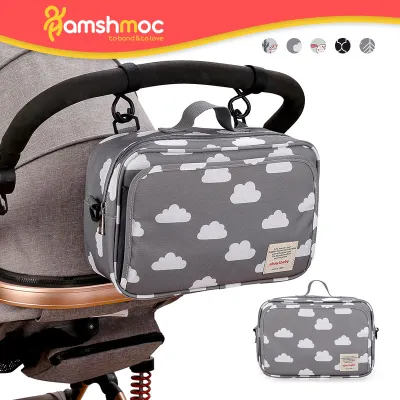
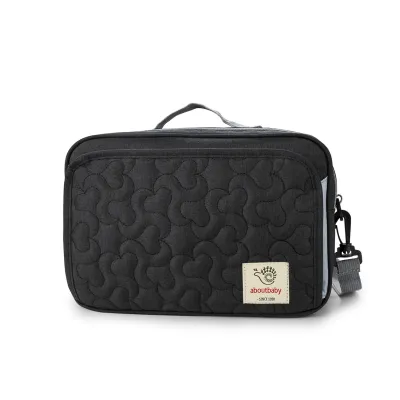
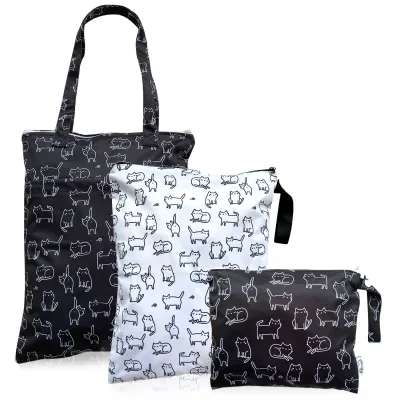
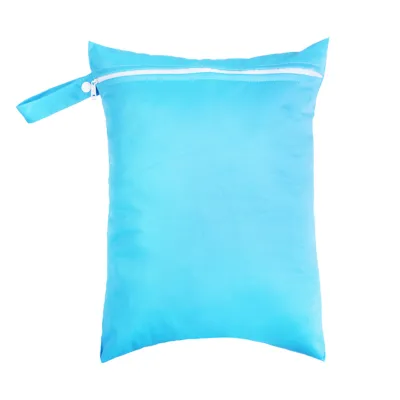
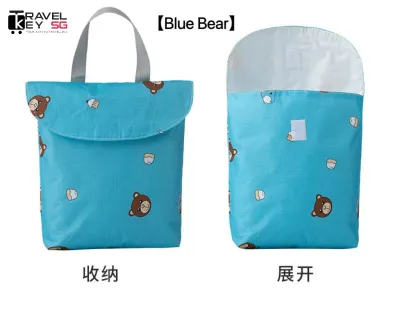
Prices are valid at publication and may change. Please refer to the product page for the latest price.
Strap design directly dictates how comfortable the bag will be during extended walks. Look for wide, flat shoulder straps that distribute the weight of diapers, wipes, bottles, and personal items across a larger surface area on your shoulder. Thin, round straps tend to dig into the skin, especially when the bag is fully loaded. Adjustable straps are highly beneficial, allowing you to customize the drop length based on your height or the thickness of your clothing. Some totes also feature a detachable, padded crossbody strap, which provides a hands-free carrying option when you need to lift your baby or navigate stairs.
The empty weight of the tote is a frequently overlooked specification that can make or break your carrying experience. A bag that feels heavy before you even pack a single diaper will quickly become exhausting to carry during a full-day outing. Lightweight materials like high-grade nylon keep the base weight minimal, leaving more room for heavy essentials like water bottles and thermos flasks. When comparing options, aim for a tote that weighs less than one kilogram when empty, ensuring that the bulk of the carrying weight comes from your actual gear rather than the bag’s structure.
Security and accessibility must be carefully balanced when evaluating closure mechanisms. A full-length top zipper offers the highest level of security, keeping your belongings safe from pickpockets in crowded areas and preventing items from spilling out if the bag tips over in your car or stroller basket. On the other hand, magnetic snaps or open-top designs offer incredibly fast, one-handed access to items when you are holding a crying baby. If you opt for an open-top tote, ensure it features at least one secure, zippered interior pocket where you can safely store high-value items like your wallet, keys, and smartphone.
Essential Compartments and Organization
A spacious main compartment is only useful if you can find what you need without emptying the entire bag. Insulated bottle pockets are a critical organizational feature, designed to keep breast milk, warm water, or prepared formula at a safe temperature for several hours. When evaluating these pockets, check their physical dimensions and elasticity; some are only large enough for standard narrow bottles, while others can comfortably accommodate wider, insulated toddler straw cups. Having at least two insulated pockets allows you to carry both a milk bottle for the baby and a refreshing cold drink for yourself.

Quick-access exterior pockets are essential for managing unexpected diaper emergencies. A dedicated wipes pocket—ideally with a magnetic flap or zippered slit on the outside of the bag—allows you to pull out a wipe instantly without unzipping the main compartment. Pair this with an adjacent, easily accessible pocket for clean diapers, and you can perform quick diaper changes in public changing rooms or on park benches with minimal fuss. These exterior compartments keep your clean diapering supplies physically isolated from the main storage area, reducing the risk of cross-contamination.
Your personal belongings deserve a dedicated, secure space away from baby gear. Look for a diaper tote that features a “parent pocket” on the exterior or high up on the interior wall. This pocket should be zippered and large enough to hold your essentials, such as your phone, keys, cards, and hand sanitiser. Keeping these items separate prevents you from having to dig past diapers and toys to find your house keys when returning home, saving you time and reducing frustration at the end of a long day.
The interior lining of the tote plays a massive role in how quickly you can locate small items like pacifiers or diaper cream. Dark linings absorb light, turning the inside of your bag into a dark cavern where small objects easily disappear. Opt for a tote with a light-colored, contrasting interior lining—such as light grey, cream, or soft pastel shades—which reflects light and makes every item highly visible. Additionally, ensure this lining is made of a smooth, wipeable material that can be easily cleaned if a tube of cream accidentally leaks or a snack container pops open.
Matching the Tote to Your Outing Style
Your daily routine and family size should dictate the overall capacity of the diaper tote you choose. If you have a newborn, you will need to pack multiple changes of clothes, numerous diapers, burp cloths, and feeding supplies, requiring a medium-to-large capacity bag. For parents of toddlers, the packing list shifts toward snacks, water bottles, toys, and spare pants for potty training, which may require a bag with more structured compartments. If you are managing multiple young children, a high-capacity tote with a wide base is indispensable for holding double the gear without bulging or losing its shape.
Stroller compatibility is another vital consideration for parents who prefer walking or visiting outdoor spaces. Many diaper totes come equipped with integrated stroller straps or detachable clips that allow you to hang the bag directly from the stroller handlebar. This keeps your shoulders free and keeps your essentials within arm’s reach. However, you must always exercise caution and check your stroller’s weight limits; hanging a heavily loaded diaper bag from the handlebar can cause the stroller to tip backward, especially when you lift your child out of the seat.
For many parents, a diaper bag needs to serve multiple purposes throughout the day. If you plan to transition directly from a playdate to a casual dinner, or if you intend to use the tote for work after your child outgrows the diaper stage, look for a streamlined, minimalist aesthetic. Neutral colors, clean lines, and hidden exterior pockets help the bag blend in as a professional work tote or a stylish weekend handbag. Choosing a versatile design ensures you get long-term value out of your investment, extending the bag’s lifespan far beyond the early parenting years.
A portable changing pad is a non-negotiable accessory for day outings, but not all diaper totes include one. Before purchasing, verify whether a matching, fold-out changing pad is included with the bag or if you need to budget for one separately. An ideal changing pad should be padded for your baby’s comfort, large enough to accommodate a growing infant, and made of a completely waterproof, wipe-clean material. Having a dedicated, slim pocket inside the tote to store this pad keeps it flat and prevents it from taking up valuable space in the main compartment.
How to Build Your Shortlist Before Buying
Before committing to a specific diaper bag tote, it is essential to build a shortlist and verify the manufacturer’s technical specifications. Check the physical dimensions of the bag to ensure it fits comfortably in your stroller’s under-seat basket or matches your body frame. Pay close attention to any stated weight limits, as overloading a bag beyond its structural capacity can strain the seams and straps. Additionally, look for brands that offer a clear warranty on hardware, such as zippers and clasps, which are the components most prone to wear and tear over time.
Verified user reviews are an invaluable resource for identifying potential long-term durability issues that may not be apparent from product photos. Search for reviews that specifically mention how the bag performs after several months of daily use. Look for recurring complaints regarding zipper failures, fraying strap seams, or peeling interior linings. Pay attention to how other parents describe the bag’s comfort when fully loaded, as this provides a realistic expectation of how the tote will feel during your own day outings.
When purchasing from online marketplaces or specialized baby boutiques, always verify the seller’s return policies and shipping conditions. Because you cannot physically test the bag’s weight, strap comfort, or pocket sizes before buying, having a flexible return window is crucial. Ensure that you can return the bag for a full refund or exchange if it does not meet your expectations upon arrival. Additionally, check if the retailer offers local customer support to handle any potential warranty claims or replacement parts efficiently.
Finally, calculate the total cost of ownership by factoring in any necessary add-on accessories. If a diaper tote does not include stroller clips, a changing pad, or insulated bottle sleeves, you may need to purchase these items separately, which can add an extra S$20 to S$50 to your total expenditure. Comparing the complete cost of a fully equipped tote against a lower-priced, basic model with separate accessories will help you make an accurate financial comparison. Investing slightly more upfront for an all-inclusive, high-quality bag often proves more economical than buying multiple separate organizers later.
Frequently Asked Questions (FAQ)
Can I use a regular tote bag instead of a specific diaper tote?
Yes, you can certainly use a regular tote bag, but you will need to make a few practical adjustments to compensate for the lack of specialized features. Standard totes typically lack insulated bottle pockets, water-resistant interior linings, and dedicated stroller attachments, which can make organizing baby gear more challenging. To make a regular tote work, you can purchase a removable diaper bag organizer insert or use color-coded packing pouches to keep diapers, wipes, and spare clothes separated. While a standard handbag is often perfectly sufficient for short, quick trips where you only need minimal gear, a dedicated diaper tote remains highly beneficial for longer day outings where organization and quick access are paramount.
How do I clean and maintain a diaper bag tote?
Proper maintenance is key to extending the lifespan of your diaper bag tote and preventing unpleasant odors or mold growth, especially in warm, humid environments. Always start by checking the manufacturer’s care label inside the bag, as cleaning instructions vary significantly depending on the materials used. For minor spills and daily wear, spot cleaning with a damp cloth and mild, baby-safe detergent is usually the safest and most effective method. If the bag features a machine-washable liner or is fully machine-washable, use a gentle cycle with cold water and place the bag inside a mesh laundry bag to protect the hardware. After cleaning, open all compartments and allow the tote to air dry completely in a well-ventilated area away from direct sunlight before packing it again.

Community discussion
Share your experience or ask a question. Comments are reviewed before publication.