
Finding the right powder dispenser in Singapore depends entirely on the specific formula brand you use, as milk powders vary significantly in density, moisture content, and fat composition. Because there is no universal standard for formula powder physical properties, a dispenser that works flawlessly with one brand may clog, clump, or dispense inaccurate amounts with another. To ensure your baby receives the correct nutrition, you must evaluate how a dispenser handles your chosen formula’s unique texture and verify its calibration against the manufacturer’s guidelines.
Understanding Formula and Dispenser Compatibility
The physical characteristics of infant formula powder play a critical role in how successfully a dispenser can portion and deliver it. Standard cow’s milk-based formulas are typically free-flowing and dry, allowing them to slide easily through mechanical hoppers. In contrast, specialized formulas—such as those designed for anti-reflux, comfort, or hypoallergenic needs—often contain added starches, hydrolyzed proteins, or higher fat contents. These ingredients make the powder more cohesive and prone to sticking, which can lead to bridging in the hopper where the powder forms an arch over the outlet and stops flowing.
Scoop sizes and shapes also vary dramatically across different formula brands sold in Singapore. Some brands package their formula with small, deep scoops designed for 30 milliliters of water, while others use wide, shallow scoops meant for 60 milliliters. Automated dispensers attempt to replicate these precise measurements using internal gears, rotating discs, or interchangeable measuring inserts. If the dispenser’s physical insert or electronic setting does not align perfectly with the volume and weight of your specific formula brand’s scoop, the resulting bottle may be dangerously concentrated or overly diluted.
Products mentioned in this guide
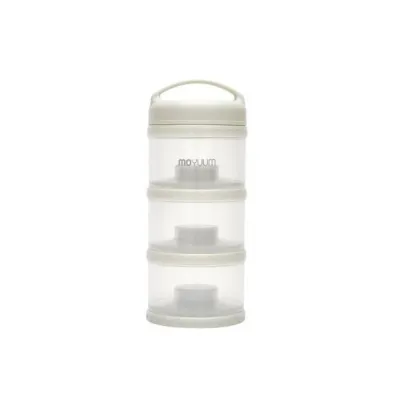
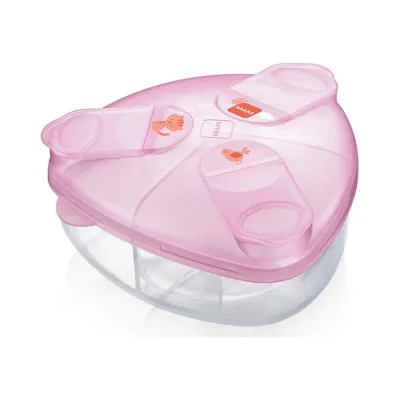
Prices are valid at publication and may change. Please refer to the product page for the latest price.
Before purchasing any dispensing system, it is essential to consult the manufacturer’s official compatibility list. Most reputable dispenser brands maintain regularly updated databases online that specify which setting or insert to use for almost every formula brand available on the market. Because formula manufacturers occasionally update their recipes or scoop sizes without changing the packaging design, you should re-verify these settings whenever you open a new tin or notice a change in the powder’s texture.
Evaluating Dispensing Accuracy and Mechanisms
When choosing between an automated electronic dispenser and a manual mechanical portioner, understanding how each maintains accuracy is vital for your baby’s safety. Automated electronic models offer unparalleled convenience by heating water and mixing in the powder at the touch of a button. However, these systems rely on precise electronic calibrations and sensors that can be sensitive to voltage fluctuations or minor blockages. Manual mechanical dispensers, such as rotating multi-compartment containers or spring-loaded triggers, offer direct physical control but require the caregiver to ensure each compartment is filled evenly without air pockets.

To verify that your dispenser is delivering the correct amount of formula, you can perform a simple calibration check at home using a digital kitchen scale. First, weigh ten individual manual scoops of your formula powder to establish an average weight per scoop. Next, dispense ten equivalent single-scoop portions from your dispenser into a dry container and weigh each one individually. Comparing these weights will reveal any variance; a consistent discrepancy of more than a few percentage points indicates that the dispenser is not portioning accurately and requires adjustment.
In Singapore’s highly humid tropical climate, residual powder buildup is a common cause of dispensing inaccuracy. When warm water is dispensed into a bottle directly beneath the powder chute, rising steam can enter the nozzle, causing the dry powder inside to clump and stick to the walls. Over several feeds, this residual buildup restricts the opening, leading to progressive under-dispensing. Caregivers must inspect the dispensing nozzle daily and wipe away any crust or residue with a dry cloth to prevent this gradual drift in accuracy.
If you observe that a dispenser consistently under-dispenses or over-dispenses despite thorough cleaning and recalibration, you should stop using it immediately. Feeding a baby formula that is consistently mixed with too much or too little water can lead to serious health complications, including dehydration, electrolyte imbalances, or poor weight gain. In such cases, revert to manual preparation using the scoop provided in the formula tin, and consult your pediatrician if you have concerns about your baby’s growth or hydration levels.
Key Features to Check Before Buying
Your daily feeding routine and household setup should dictate the specific features you look for in a powder dispenser. For families who primarily feed their baby at home, a high-capacity countertop electronic dispenser can streamline the preparation process, especially during exhausting late-night feeds. However, these units have a larger physical footprint, which is an important consideration for compact Singapore apartments where kitchen counter space is highly valued. If you frequently travel or spend weekends outdoors, a compact, portable manual dispenser that fits easily into a diaper bag is often more practical.
Hygiene and ease of maintenance are paramount when handling infant formula, as damp powder residue can quickly become a breeding ground for harmful bacteria. Look for dispensers that feature a straightforward disassembly process with minimal crevices where powder can hide. You must verify the manufacturer’s instructions regarding sterilization limits; some plastic components can withstand steam or UV sterilizers, while others may warp or degrade under high heat. Avoid using abrasive sponges or harsh chemical cleaners, as these can create micro-scratches in the plastic that harbor bacteria and make future cleaning more difficult.
Power source compatibility is another crucial factor for parents navigating Singapore’s urban environment. While plug-in countertop models are ideal for home use, portable electronic dispensers require reliable battery power. If you choose a rechargeable model, ensure it uses a standard USB interface so you can easily charge it in the car or via a portable power bank while on the go. For maximum reliability during extended outings, a simple, non-electric manual portioner remains an excellent low-maintenance alternative that eliminates the risk of battery failure.
Decision Framework: Matching the Dispenser to Your Routine
To select the ideal powder dispenser for your household, consider how your daily routine aligns with the following scenarios:
- Opt for an automated electronic dispenser if you prioritize speed, convenience, and hands-free operation during busy periods. This option is best suited for families using standard-density formulas who have dedicated counter space near a power outlet and are diligent about daily cleaning and calibration checks.
- Choose a manual or portable portioner if you travel frequently, have limited kitchen space, or prefer a highly reliable, budget-friendly option. Manual dispensers are also excellent for caregivers who use specialized, highly cohesive formulas that are prone to clogging electronic hoppers.
- Consult your pediatrician or the formula manufacturer first if your baby requires specialized, hypoallergenic, or medically prescribed formulas. These specialized powders often have unique physical properties that may not be compatible with standard dispensing mechanisms, making manual preparation the safest choice.
Frequently Asked Questions (FAQ)
Can I use a powder dispenser for specialized or anti-reflux formulas?
Specialized and anti-reflux formulas are generally more difficult to use with automated powder dispensers because they contain added thickeners like starch or carob bean gum. These ingredients make the powder highly cohesive, increasing the likelihood of clumping, bridging, and jamming inside the dispenser’s hopper. Before attempting to use these formulas, you must check both the formula packaging and the dispenser’s user manual for explicit compatibility warnings. If either manufacturer advises against automated preparation, you should stick to manual mixing to ensure your baby receives the correct nutritional concentration.
How often should I clean and sterilize the powder dispenser?
You should perform a basic cleaning of the dispensing nozzle and chute daily to remove any moisture or powder buildup that could affect accuracy. A complete disassembly and deep cleaning of all parts that come into contact with the powder should be done at least once a week, or whenever you refill the hopper. Always refer to the user manual to verify if the parts are safe for boiling, steam, or UV sterilization, as excessive heat can warp plastic components and compromise the airtight seals. Ensure every single component is completely dry before reassembling the dispenser, as even a tiny drop of moisture can cause the powder to clump and spoil.

Community discussion
Share your experience or ask a question. Comments are reviewed before publication.