
Choosing between a manual and an automatic milk powder dispenser depends on whether you prioritize portability and budget or speed and effortless nighttime preparation. Manual dispensers are highly portable, budget-friendly, and require no electricity, making them ideal for travel and simple routines. Automatic dispensers, on the other hand, streamline the bottle-making process by measuring and mixing formula at the touch of a button, offering unmatched convenience during late-night feeds.
Every family has a unique rhythm, and the right tool can significantly reduce the daily stress of infant feeding. By understanding the operational differences, maintenance demands, and long-term costs of each option, you can select the dispenser that best supports your parenting journey.
Understanding How Manual and Automatic Dispensers Work
Manual milk powder dispensers rely on a simple, mechanical design to organize your daily formula portions. Typically constructed from food-grade plastic, these devices feature multiple stacked containers or a single round container divided into three or four separate compartments. You pre-measure the formula powder using the scoop provided with your formula tin, pour it into each compartment, and seal the lid. When it is time to feed, you rotate the lid spout over the active compartment and pour the powder directly into a bottle of pre-measured water.
Products mentioned in this guide
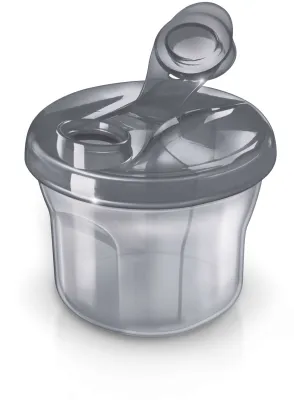
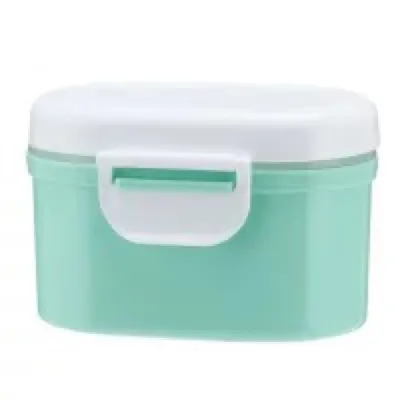
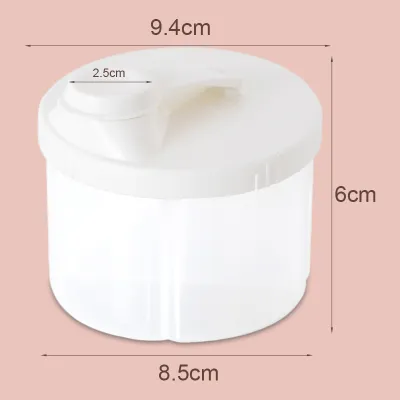
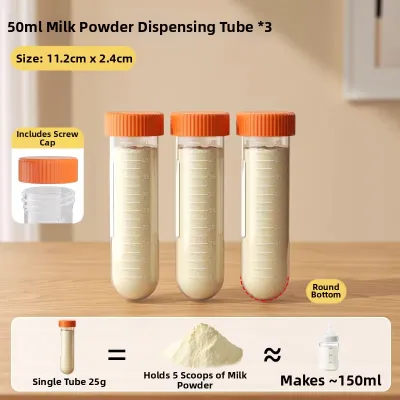
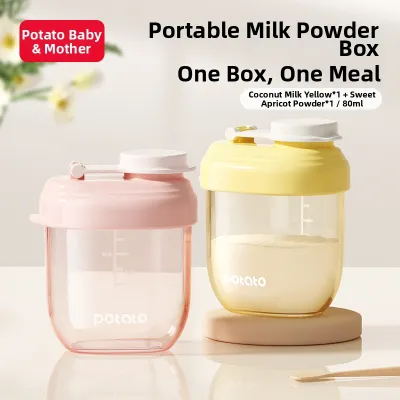
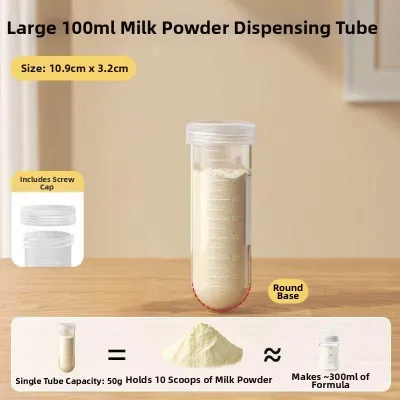
Prices are valid at publication and may change. Please refer to the product page for the latest price.
Automatic milk powder dispensers are electronic countertop appliances designed to automate the entire bottle-preparation process. These machines feature a large, sealed powder hopper on top and a water tank at the back. You fill the hopper with a large quantity of formula powder and set the machine to your desired bottle size and temperature. When you press the start button, internal motors measure the correct ratio of powder and water, dispensing a warm, fully mixed bottle in seconds.
The workflow difference between the two systems is a matter of when you invest your time. With a manual dispenser, you spend time measuring and loading powder beforehand, but the actual bottle assembly is instant when you are out. An automatic dispenser handles the measuring and mixing on demand, but requires initial setup, calibration, and regular maintenance of the electronic parts to ensure accurate ratios.
Key Dimensions for Evaluating Your Daily Feeding Routine
To determine which system integrates seamlessly into your household, you must evaluate how each type performs across several practical categories, from midnight feeds to family outings.

Preparation Speed and Nighttime Convenience
When your baby wakes up hungry in the middle of the night, every second counts. An automatic dispenser excels in these high-pressure moments, delivering a warm, mixed bottle in under a minute with a single button press. This allows for easy one-handed operation, which is incredibly helpful when you are holding a crying baby in a dark room.
Manual dispensers require you to pour the pre-measured powder into the bottle and shake it yourself. While the powder is already measured, you must still heat the water separately if your baby prefers warm milk, which adds steps to your nighttime routine. This multi-step process can feel tedious when you are sleep-deprived.
Noise is another factor to consider during nighttime use. Automatic machines have motorized parts that hum, click, or beep during operation, which might disturb a quiet household, whereas manual dispensers are completely silent. Caregivers must also learn how to calibrate automatic machines correctly, whereas manual options have virtually no learning curve.
Portability, Space, and Travel Needs
Kitchen counter space is a premium commodity in many homes. Automatic dispensers have a significant physical footprint, similar to a small espresso machine, and must remain plugged into a wall outlet. They are designed to stay stationary in your kitchen and are not suitable for quick relocations.
Manual dispensers are compact, lightweight, and easily slide into a diaper bag. They require no external power, making them the undisputed choice for day trips, flights, or visits to relatives. Their small size allows you to pack multiple units if you plan to be away from home for an extended period.
If you travel with an automatic dispenser, you face the hassle of emptying the hopper, packing a heavy appliance, and risking damage to delicate electronic sensors during transit. Manual containers simply need a quick wash and dry before being tossed back into your bag, offering unmatched mobility.
Cleaning, Hygiene, and Maintenance
Hygiene is paramount when preparing infant formula. Manual dispensers are straightforward to clean; they typically consist of a few plastic parts that can be washed in warm soapy water or placed on the top rack of a dishwasher, subject to the manufacturer’s guidelines. Because they have no hidden chambers, you can easily verify that every surface is clean.
Automatic dispensers require a more rigorous cleaning schedule. The funnel where the powder and water meet must be washed and dried frequently—often after every few bottles—to prevent powder buildup and clumping. If moisture enters the powder hopper, it can lead to mold growth or inaccurate dispensing, which poses a health risk to your baby.
Deep cleaning an automatic machine involves descaling the water system and disassembling the motorized powder wheel. Caregivers must inspect silicone seals and moving parts regularly to ensure no formula residue remains trapped in the internal pathways. If you prefer a low-maintenance routine, the daily upkeep of an electronic dispenser may feel overwhelming.
Power Dependency and Reliability
Automatic dispensers rely entirely on a stable power source, usually requiring a standard wall outlet. In the event of a power outage, these machines become unusable, meaning you must always keep a manual scoop and backup plan ready. This dependency makes them less reliable in areas prone to electrical disruptions.
Manual dispensers have zero power dependency. They do not use batteries or electricity, ensuring they work under any circumstances, whether you are camping, traveling, or experiencing a home blackout. Their simplicity is their greatest strength, as there are no electrical components that can fail.
Mechanical jamming is a risk unique to automatic models. If the formula powder absorbs ambient humidity, it can clump inside the dispensing wheel, leading to watered-down bottles that do not provide proper nutrition. Manual dispensers have no moving parts to jam, though you must still ensure the pouring spout remains dry to prevent powder from sticking during the pour.
Evaluating Costs and Long-Term Value
The financial investment varies significantly between the two categories. Manual dispensers are highly affordable, generally costing under S$15 to S$30, making them an easy addition to any baby registry. Their low cost means you can purchase multiple units to keep in different bags or locations.
Automatic dispensers represent a premium investment, with prices often ranging from S$150 to over S$350. Beyond the initial purchase, you may need to factor in the cost of replacement water filters, specialized cleaning brushes, or replacement parts over the machine’s lifespan. This makes them a significant financial commitment.
Consider how long you plan to use the device. Babies typically transition to solid foods and reduce their formula intake around their first birthday. A manual dispenser can easily transition into a snack container for toddlers, whereas an automatic machine has a fixed utility window and will eventually need to be decommissioned or stored away.
Decision Framework: Which Dispenser Fits Your Family?
To make your final decision, align the dispenser’s strengths with your lifestyle.
Choose a manual dispenser if:
- You are working with a tighter budget and want to avoid ongoing maintenance costs.
- You travel frequently, spend a lot of time outdoors, or need a reliable backup for daycare.
- You prefer a simple, low-maintenance routine with fewer parts to sterilize and calibrate.
Choose an automatic dispenser if:
- You want to minimize preparation time during exhausting nighttime feeds.
- You value one-handed operation and want a warm bottle prepared automatically while you soothe your baby.
- Your baby is fed frequently by multiple caregivers who would benefit from a standardized, push-button preparation process.
Before purchasing any dispenser, always verify formula compatibility. Some specialized formulas, such as those designed for reflux or hypoallergenic needs, have unique textures or higher fat contents that may not flow smoothly through automatic dispensing wheels. Check the manufacturer’s compatibility list and bottle neck requirements to ensure a seamless fit. If you notice any inconsistencies in bottle concentration or if your baby shows signs of feeding discomfort, stop using the dispenser immediately and consult a qualified healthcare professional.
Frequently Asked Questions (FAQ)
Can I use any brand of formula in an automatic dispenser?
Not all formula powders are compatible with automatic dispensers. Because formulas vary in density, oil content, and grain size, automatic machines require specific settings to dispense the correct ratio. Always check the manufacturer’s official compatibility chart before loading a new brand of formula. If you observe clumping, uneven powder flow, or inconsistent bottle volumes during the first few uses, stop using the machine immediately and consult the user manual or the formula manufacturer’s label.
How do I prevent moisture buildup in the dispenser compartments?
Moisture is the primary enemy of dry formula powder. To prevent clumping and spoilage, ensure every part of your manual or automatic dispenser is completely bone-dry before refilling it. Store your dispenser in a cool, dry environment away from steam-producing appliances like kettles or sterilizers. Regularly inspect the silicone seals for signs of wear or degradation, and replace any compromised parts according to the manufacturer’s instructions to maintain an airtight environment.
Community discussion
Share your experience or ask a question. Comments are reviewed before publication.