
Choosing a potty stool for your toddler requires a careful balance of safety, ergonomic support, and practical design. Commonly referred to as a poop stool or toddler step stool, this simple accessory plays a vital role in helping your child transition from diapers to the adult toilet with confidence. By providing a stable platform for their feet, the right stool not only ensures physical safety but also promotes the optimal anatomical posture required for comfortable, strain-free bowel movements.
Selecting the right model involves evaluating your child’s developmental stage, your bathroom layout, and key safety features. Since toddlers grow rapidly and have varying levels of physical coordination, understanding what makes a stool safe and effective is essential. This guide breaks down the critical features to prioritize so you can make an informed decision that supports your child’s independence.
Why the Right Poop Stool Matters for Toilet Training
Transitioning from diapers to a standard toilet is a major physical and psychological milestone for a toddler. An adult toilet is designed for fully grown bodies, leaving a young child’s legs dangling in the air. This lack of support can make a toddler feel unstable and insecure, which often leads to anxiety, resistance, and a refusal to use the toilet.
Products mentioned in this guide
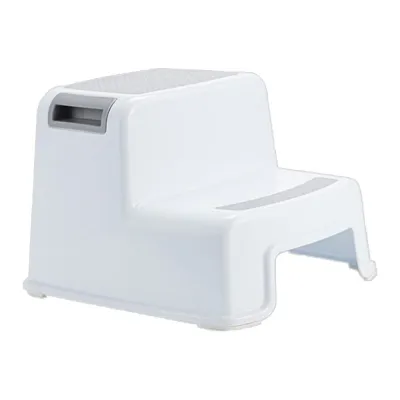
![OKLIFE.SG]Thickened non-slip Toilet stool/children /Elderly pregnant women toilet auxiliary feet step on small stools](https://img.lazcdn.com/g/p/0f0ae35cc55d1ec5936b20a2839a51bc.jpg_400x400q80.jpg_.webp)
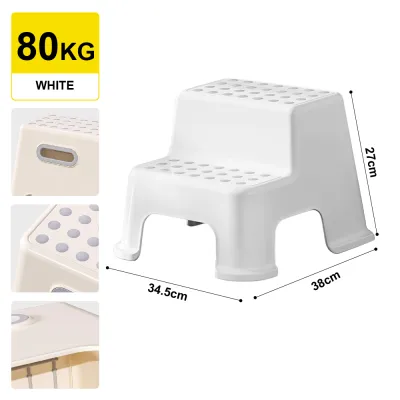
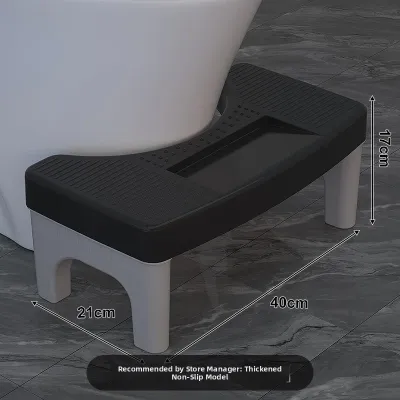
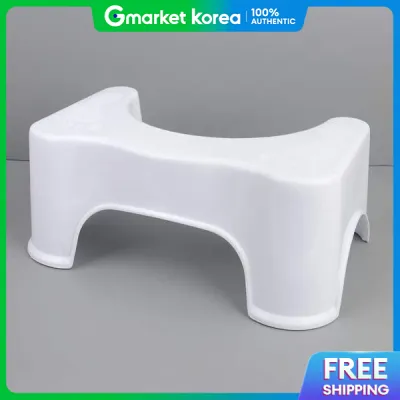
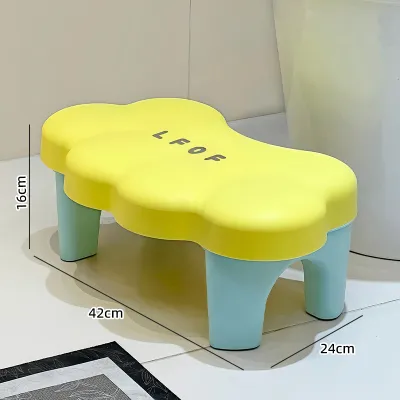
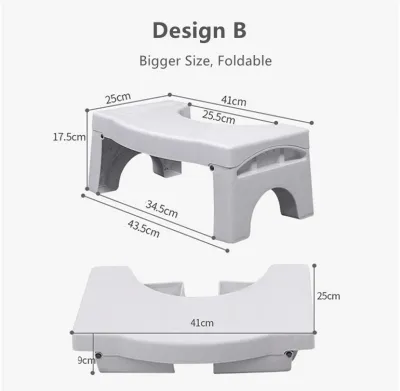
Prices are valid at publication and may change. Please refer to the product page for the latest price.
Physiologically, a dedicated poop stool does far more than simply help your child reach the toilet seat. Elevating the feet changes the pelvic angle, aligning the colon for easier, more natural elimination. When a child’s knees are raised above their hips, the puborectalis muscle relaxes, straightening the rectal path and reducing the need to strain. This anatomical alignment is highly beneficial for toddlers who are still learning to coordinate their pelvic floor muscles.
Building positive toilet habits relies heavily on physical comfort and confidence. When children can plant their feet firmly on a solid surface, they feel grounded and in control of their bodies. This sense of security allows them to relax, which is a fundamental prerequisite for successful bowel movements and consistent habit formation.
Essential Safety and Stability Features to Prioritize
Safety is the absolute priority when selecting any toilet training accessory. Because toddlers are naturally energetic and often climb onto stools in a hurry, the unit must remain firmly anchored to the bathroom floor. Slipping or tipping can cause minor injuries and severely set back a child’s confidence in using the toilet.

- Non-slip grips and rubberized pads: Look for models that feature robust rubberized grips on both the bottom feet and the top stepping surface. These grips prevent the stool from sliding on slick bathroom tiles, which are common in damp environments. Ensure the top surface has a textured pattern, rubberized grids, or raised dots to provide traction even when your child is wearing socks or has wet feet.
- Wide base and weight distribution: A stool with a wide, flared base offers significantly more stability than a narrow, upright design. The center of gravity should remain low to prevent the stool from tipping over when a toddler steps on the outer edges. Heavy-duty molded plastics or weighted bases help keep the unit grounded during enthusiastic use.
- Weight capacity and structural limits: Always consult the manufacturer's documentation to verify the maximum weight capacity before purchase. Do not rely solely on the product name or age recommendations, as children grow at vastly different rates. Ensure the structural limits accommodate your child's current weight with ample room for growth over the next few years.
- Material safety and build quality: Prioritize stools made from certified BPA-free, non-toxic plastics or smoothly finished wood. Inspect the unit for sharp edges, rough seams, or small crevices that could pinch delicate skin. If you are considering a foldable or collapsible model, verify that the hinges feature pinch-guard mechanisms to protect tiny fingers during setup and storage.
While high-quality safety features minimize risks, no product can replace active adult supervision. Always supervise your toddler during toilet training to prevent accidental slips or falls. Read the applied product’s manual thoroughly and check for any manufacturer warnings regarding placement, weight limits, and usage guidelines.
Comfort, Ergonomics, and Usability
An ergonomic design ensures that your toddler can maintain a comfortable and anatomically correct position during toilet training. Comfort directly impacts how long a child is willing to sit, which is crucial during the early, patient phases of training.
- Footrest placement and optimal posture: The primary function of a stool is to elevate the knees above the hips. Look for a stool height that allows your child's feet to rest completely flat, providing a solid platform that supports their weight and reduces leg fatigue. If the stool is too low, their legs will still dangle; if it is too high, their knees may push too close to their chest, causing discomfort.
- Integrated handles and armrests: Stools equipped with side handles or built-in armrests offer an extra layer of physical security. These features give toddlers a secure place to grip while climbing up, turning around, and lowering themselves onto the seat. Having a dedicated handhold also helps children stabilize themselves when straining or shifting their weight.
- Seat design and splash guards: If you are choosing a standalone potty or a stool with an integrated reducer seat, pay close attention to the seat's contours. A gently curved, ergonomic seat prevents pressure points on your child's thighs. For boys, a sufficiently high, integrated splash guard is essential to prevent accidental spills and keep the surrounding area clean.
- Ease of cleaning and hygiene: Bathroom accessories are constantly exposed to moisture, making hygiene a primary concern. Opt for designs with smooth, non-porous surfaces and minimal seams where dirt, moisture, and bacteria can accumulate. If using a standalone potty chair, ensure the collection bowl is easily removable, has a convenient pour spout, and can be washed without splashing.
Practicality and Space-Saving Designs for Compact Bathrooms
In many urban homes, such as HDB apartments in Singapore, bathroom floor space is at a premium. Choosing a potty stool requires balancing your child’s physical needs with the practical limitations of your household layout.
- Foldable and collapsible designs: For shared or compact bathrooms, a foldable stool is highly practical. These models can be collapsed flat and tucked away beside the toilet or hung on a wall hook when adults need to use the facility. Ensure the folding mechanism is sturdy and locks securely into place when unfolded to prevent accidental collapsing.
- Adjustable height step stools: Children grow rapidly, and a stool that is the perfect height today may be too short in a few months. Multi-step stools or models with adjustable height settings offer excellent longevity. These versatile designs can also be repurposed as step stools at the bathroom sink, helping your child wash their hands independently.
- Portability versus stability: While a heavy, solid stool offers maximum stability, it can be difficult for a young child to move. If you want to encourage independence, look for a lightweight model with integrated carry handles that your toddler can easily position themselves. However, ensure the lightweight design does not compromise the non-slip base or overall structural integrity.
- Footprint and layout integration: Before purchasing, measure the floor space around your toilet bowl. Standard toilets vary in base shape and height, and some stools are designed to curve snugly around the toilet base when not in use. Ensuring a tight, contoured fit keeps the walkway clear and prevents the stool from becoming a tripping hazard for other family members.
In humid tropical climates, bathrooms can retain moisture for long periods. Choosing materials that resist mold and mildew is essential. Smooth plastics are generally easier to sanitize and dry quickly, whereas wooden stools must be treated with water-resistant, non-toxic sealants to prevent moisture absorption and subsequent warping or mold growth.
Matching the Stool Type to Your Toddler's Stage
Selecting the right style of potty aid depends heavily on your child’s developmental readiness and comfort level. Understanding the differences between the primary types of potty training aids will help you make an informed decision.
- Standalone potty chairs: These low-to-the-ground chairs are ideal for the very early stages of toilet training or for younger, smaller toddlers. Because they sit directly on the floor, they remove the fear of heights and the loud sound of a flushing adult toilet. They allow toddlers to sit down completely independently with their feet planted firmly on the floor, promoting a natural squatting posture.
- Toilet step stools with integrated reducer seats: These systems place a smaller child-sized seat over the adult toilet, accompanied by an attached ladder or step stool. This setup is excellent for toddlers who are eager to mimic adults and transition directly to the family toilet. It eliminates the need to empty and clean a separate waste bowl, as waste goes directly into the main toilet.
- 2-in-1 convertible models: Some products function as a standalone potty chair initially, then convert into a toilet reducer seat and a separate step stool as your child grows. While these models often carry a higher initial price point, their adaptability can provide excellent long-term value and reduce the need to purchase multiple separate items.
To determine which type is right for your child, observe their physical and behavioral cues. If your toddler can climb stairs confidently and expresses interest in using the adult toilet, a step stool system is likely appropriate. If they are still developing their balance or seem hesitant about the height of the adult toilet, starting with a standalone potty chair will provide the secure foundation they need to build confidence.
Quick Evaluation Checklist for Parents
To help you compare your options and make an efficient decision, use the comparison table and checklist below to evaluate the two primary styles of potty aids.
| Dimension | Standalone Potty Chair | Toilet Step Stool |
|---|---|---|
| Space Required | Moderate floor footprint; needs dedicated floor space | Fits over or around existing toilet; can be bulky |
| Best Stage | Early training; toddlers hesitant about adult toilets | Mid-to-late training; toddlers seeking independence |
| Cleaning Effort | High; requires manual emptying and washing of bowl | Low; waste goes directly into the adult toilet |
| Expected Lifespan | Shorter; outgrown once child transitions to adult toilet | Longer; step stool can be repurposed for sink use |
Essential Must-Have Checklist
- Verified non-slip base: Ensure the rubberized feet grip your specific bathroom flooring securely.
- Appropriate height: Measure your toilet bowl height to ensure the stool allows your child's knees to sit slightly above their hips.
- Easy-to-wipe materials: Opt for smooth, non-porous plastics that resist moisture and are easy to sanitize.
- Sturdy construction: Confirm the weight limit is well above your child's current weight.
- Child-safe edges: Verify there are no sharp plastic seams or pinch points on folding models.
Frequently Asked Questions (FAQ)
At what age should I introduce a potty stool?
There is no single chronological age that fits every child, though many families introduce potty accessories between 18 months and 3 years of age. Rather than relying solely on age, look for developmental readiness cues, such as your child showing interest in the bathroom, staying dry for several hours, or communicating their need to use the toilet. Physical coordination, such as the ability to walk and climb steadily, is also a critical prerequisite for using a step stool safely.
How do I clean and maintain the potty stool to prevent odors?
Regular maintenance is essential to prevent bacterial growth and unpleasant odors, especially in warm, humid climates. Wipe the stool daily using mild soap and warm water, paying close attention to any seams or joint areas. Avoid using harsh chemical solvents, abrasive scrubbing pads, or concentrated bleach, as these can degrade plastic surfaces and dry out rubber non-slip grips. Always allow all components to dry completely in a well-ventilated area before reassembling or folding the stool for storage.
Is a step stool better than a standalone potty for toilet training?
Neither option is universally superior; the ideal choice depends on your child’s temperament and your home setup. Standalone potties are highly approachable for younger toddlers who feel intimidated by the height and loud flush of an adult toilet. Conversely, a toilet step stool is excellent for encouraging independence, saving floor space in compact bathrooms, and eliminating the chore of emptying a separate waste bowl. Assess your child’s comfort level and your bathroom layout to determine which style fits your daily routine best.

Community discussion
Share your experience or ask a question. Comments are reviewed before publication.