
Finding the right portable crawling mat for outdoor adventures and family travel means balancing protective cushioning with lightweight portability and effortless cleaning. A great outdoor mat shields your baby from damp grass, rough pavement, and hot sand while folding down into a compact package that fits easily into your stroller basket or car boot. By focusing on water-resistant materials, secure folding mechanisms, and verifiable safety standards, you can create a clean, comfortable play space for your little one wherever your travels take you.
When selecting a mat for outdoor use, the environment presents unique challenges that indoor spaces do not. Moisture from the ground, uneven terrain, and exposure to the elements mean that a standard play mat may not suffice. Understanding the key material and structural features of outdoor-ready mats will help you make an informed choice that keeps your baby comfortable and safe during family outings.
Key Features to Look for in an Outdoor Crawling Mat
The surface material of an outdoor crawling mat is your baby’s primary barrier against the ground, making water resistance and cleanability top priorities. Look for mats with durable, wipeable outer layers such as thermoplastic polyurethane (TPU) or high-density cross-linked polyethylene (XPE) foam. These materials prevent moisture from seeping through from damp grass or wet sand, keeping the play surface dry. Avoid absorbent fabrics like cotton, canvas, or open-weave polyester for outdoor use; these materials easily soak up ground moisture, spills, and dirt, leading to stains and requiring frequent machine washing.
Products mentioned in this guide
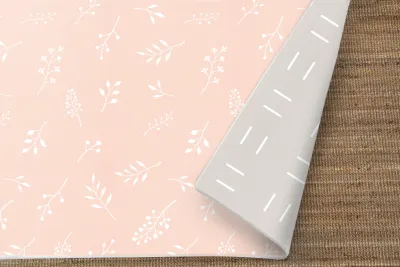
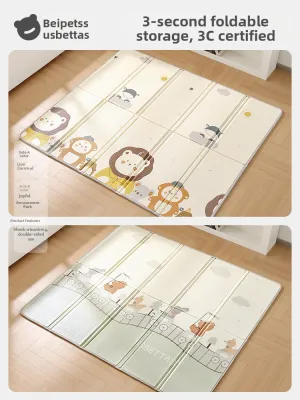
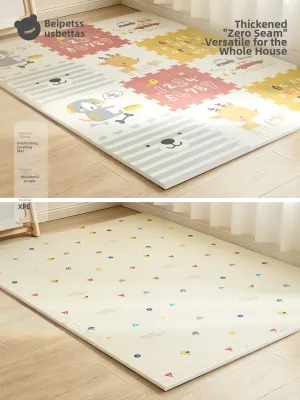
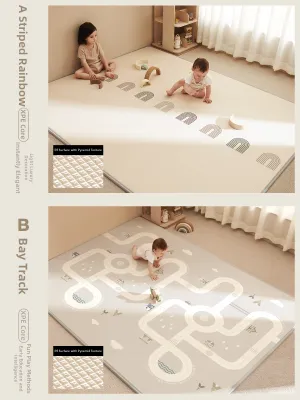
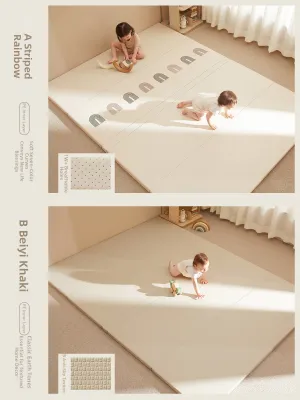
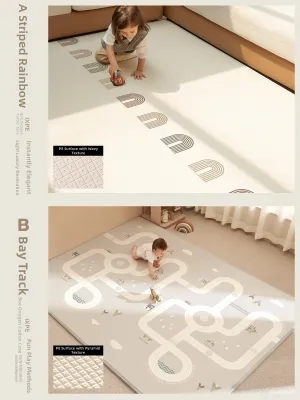
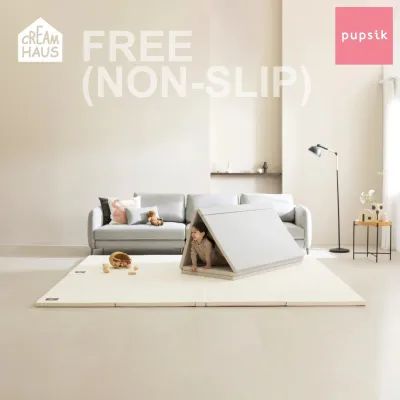
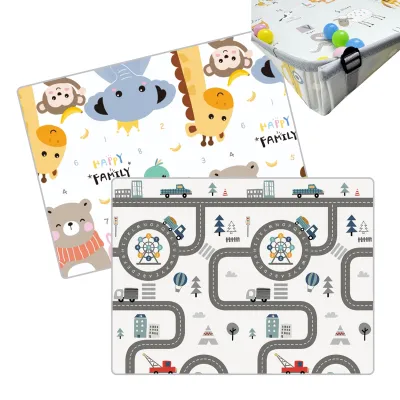
Prices are valid at publication and may change. Please refer to the product page for the latest price.
Cushioning is essential for protecting your baby’s knees, hands, and head as they learn to crawl and balance on uneven outdoor surfaces. Grass can hide sharp twigs, pebbles, or hard roots, while concrete patios and wooden decks offer no shock absorption. A mat thickness of 1 cm to 1.5 cm generally provides the ideal balance, offering sufficient impact protection without becoming too bulky to carry. Thinner mats, such as those under 0.5 cm, are highly packable but offer minimal comfort on hard ground, while mats thicker than 2 cm are often too rigid and heavy for convenient travel.
In addition to cushioning, the mat must provide thermal insulation. Outdoor ground temperatures can vary significantly, with concrete absorbing intense heat in the sun and grass remaining cold and damp in the shade. High-density foam mats act as an effective thermal barrier, preventing the ground temperature from transferring directly to your baby. This ensures a comfortable play environment whether you are spending an afternoon at a sunny park or a cool, shaded playground.
Stability is another critical safety factor when using a mat outdoors. Look for designs with a dedicated non-slip backing or a highly textured underside to prevent the mat from sliding on smooth park tiles, wooden decks, or dry grass. A sliding mat can easily cause slips and falls when your baby attempts to pull themselves up, crawl, or sit. Textured surfaces also provide better traction for your baby’s hands and feet, supporting their physical development and confidence as they explore.
Portability and Storage: Finding the Right Compact Design
A travel mat is only useful if it is easy to pack and carry alongside your other baby gear. Comparing different folding and rolling mechanisms will help you find a design that fits your travel habits, vehicle space, and carrying capacity. Foldable mats, often featuring an accordion-style crease system, are highly popular for travel because they fold flat into neat, stackable rectangles. This flat profile makes them easy to slide into a car boot, place under a stroller, or store in a closet at home. The pre-creased lines also ensure quick, hassle-free folding and unfolding.

Roll-up mats offer a completely seamless play surface without creases, which some parents prefer to prevent dirt from collecting in the folds. However, they can be more challenging to manage during travel. Roll-up designs often require external straps or a dedicated carry bag to prevent them from unrolling, and their cylindrical shape can be awkward to pack in tight spaces like stroller baskets or crowded car boots. If you choose a roll-up mat, ensure it comes with secure, durable fasteners to keep it tightly rolled when not in use.
Hands-free transport is incredibly valuable when you are managing a baby, a diaper bag, and a stroller. Look for mats that feature integrated carry handles, adjustable shoulder straps, or a dedicated travel bag. A high-quality travel bag not only makes carrying easier but also protects the clean surface of the mat from dust, dirt, and moisture during transit. Ensure the straps and handles are securely stitched to the mat or bag to withstand the wear and tear of frequent travel.
Weight is a crucial factor that directly impacts how often you will use the mat. A travel mat should ideally weigh under 2 kg to ensure it does not add an unnecessary physical load to your outings. While heavier, denser mats may offer slightly more durability, they can quickly become a burden during long walks from the car park to your picnic spot. Carefully balance the mat’s size and thickness with its weight to find a configuration that you can comfortably carry alongside your other baby essentials.
How to Evaluate Brand Reliability and Safety Standards
When choosing a crawling mat, verifying the safety and quality of the materials is paramount, as your baby’s skin will be in direct contact with the surface for extended periods. Start by carefully reading the manufacturer’s labels and product specifications. Look for clear, explicit statements regarding material safety, such as “non-toxic,” “BPA-free,” and “phthalate-free.” High-quality mats should be free from harmful plasticizers, heavy metals, and formamide, which are sometimes used in low-grade foam production.
It is important to verify that the brand provides clear, specific guidelines regarding the age, weight, and developmental stages suitable for the mat’s use. For example, some lightweight travel mats are designed specifically for supervised tummy time and crawling, while others are robust enough to support active toddler play. Avoid products that make vague, universal suitability claims without providing detailed safety instructions or age recommendations in their documentation.
Be cautious of common red flags in product descriptions and packaging. A complete lack of manufacturer contact information, physical addresses, or customer service channels is a significant warning sign. Reliable brands are transparent about their origins and provide clear ways for consumers to reach them with questions or concerns. Additionally, missing safety warnings, unclear material compositions, or a lack of care instructions suggest that the product may not have undergone rigorous quality control.
You should also check for physical safety hazards on the mat itself. Inspect the design for small parts, such as loose zipper pulls, decorative buttons, or long, unsecured straps that could pose a choking or entanglement hazard to a curious baby. Ensure that any carrying straps are completely removable or can be safely tucked away out of your baby’s reach while the mat is in use. The edges of the mat should be securely bound or heat-sealed to prevent fraying or peeling, which can create small pieces of foam that a baby might attempt to swallow.
Maintenance and Cleaning Tips for Travel Mats
Proper maintenance is essential for preserving the hygiene, water resistance, and structural integrity of your portable crawling mat. After every outdoor use, perform a quick routine clean before packing the mat away. Shake the mat thoroughly to remove loose dirt, sand, dry grass, and insects. Wipe the surface down with a damp cloth or a mild, baby-safe soapy solution to remove any sweat, drool, or outdoor grime.
Ensure the mat is completely dry before folding or rolling it for storage. Trapping moisture inside a folded mat creates an ideal environment for the growth of mold, mildew, and unpleasant odors. If you must pack up a damp mat quickly due to sudden rain, unfold it as soon as you return home and allow it to air dry completely in a well-ventilated area. Never store a damp mat in its travel bag or a closed closet, as this can permanently ruin the material and compromise hygiene.
Always follow the manufacturer’s specific care instructions for deep cleaning. Avoid using harsh chemical cleaners, bleach, or abrasive scrubbing brushes, as these can degrade the protective waterproof coatings and break down the foam structure. For stubborn stains like mud or spilled sunscreen, use a soft sponge with a gentle, pH-neutral baby detergent. Do not machine wash or tumble dry foam mats unless the manufacturer explicitly states it is safe to do so, as the heat and agitation can warp or tear the material.
Proper storage at home will prolong the lifespan of your travel mat and maintain its shape. Store the mat in a cool, dry place away from direct sunlight, damp basements, or heat sources like radiators. Prolonged exposure to UV rays and high temperatures can cause foam materials to become brittle, yellow, or lose their cushioning properties. Avoid placing heavy boxes or suitcases on top of the folded mat during storage, as constant heavy pressure can cause permanent creases, weaken the fold lines, and lead to premature tearing.
Frequently Asked Questions (FAQ)
Can I use a standard indoor crawling mat for outdoor trips?
Standard indoor crawling mats are generally not suited for outdoor use because they lack the necessary protective features. Indoor mats often do not have water-resistant backings, meaning they can absorb moisture from damp grass and become wet. Additionally, the soft, delicate foam used in many indoor mats is easily punctured or torn by twigs, gravel, and rough pavement. If you must use an indoor mat outdoors temporarily, place a durable, waterproof tarp underneath it to protect it from moisture and sharp objects, and clean it thoroughly immediately after use.
How do I prevent a portable mat from blowing away in the wind?
Lightweight travel mats can easily lift or fold over in a breeze, disrupting your baby’s play area. To secure your mat safely, place heavy baby gear, diaper bags, or travel coolers on the corners of the mat. Avoid using sharp stakes, pegs, or rocks with sharp edges directly on the mat, as these can puncture the waterproof barrier and tear the foam. If your outdoor mat features integrated corner loops designed for ground pegs, ensure the pegs are driven fully flush with the ground to prevent tripping hazards or scrapes.
Are thicker mats always better for outdoor use?
Thicker mats are not always the best choice for travel and outdoor activities. While a thick mat provides excellent cushioning on hard pavement, it also adds significant bulk and weight, making it much more difficult to pack and carry alongside other baby gear. Furthermore, an excessively thick, soft mat can create an uneven, unstable surface on soft grass, which can make it harder for a developing baby to find stable footing and balance while learning to crawl. A moderate thickness of 1 cm to 1.5 cm offers an optimal balance of protection, stability, and portability.

Community discussion
Share your experience or ask a question. Comments are reviewed before publication.