
Finding the right baby play mat for outdoor excursions—whether you are heading to the grassy lawns of the Botanic Gardens, navigating bustling transit hubs, or packing for a family holiday—requires balancing protective comfort with effortless portability. A standard, bulky living room mat is impractical when you are already managing a stroller, diaper bags, and a curious infant. Instead of searching for a single brand that claims to do everything, the most effective approach is to understand how different design features, materials, and folding mechanisms align with your specific travel habits. This guide provides a practical framework to evaluate product specifications, verify safety claims, and build a personalized shortlist of travel-friendly play mats.
Selecting a portable mat involves analyzing how its physical structure interacts with your travel environment. By focusing on weight, material durability, and ease of cleaning, you can ensure your baby has a clean, cushioned space to play, crawl, and rest wherever your journey takes you. Whether you plan to invest S$40 in a basic roll-up model or upwards of S$120 in a premium folding design, verifying these specifications against your daily routine will help you make a smart, lasting purchase.
Key Design Features for Travel-Friendly Baby Play Mats
The folding mechanism of a portable play mat directly dictates how easily it fits into your travel routine. Tri-fold and multi-fold mats collapse along pre-creased lines into neat, flat rectangles. These designs are highly structured and typically offer excellent cushioning, but they can be bulky to carry if you are relying on public transport. Roll-up mats, often made of flexible foam or fabric, roll into a compact cylinder that can easily slide into a backpack side pocket or clip onto a stroller frame. However, roll-up designs may retain a slight curl at the edges when first deployed on the ground. Puzzle-piece mats offer modular flexibility, allowing you to pack only the tiles you need, but assembling multiple interlocking pieces on a windy day outdoors can quickly become tedious.
Products mentioned in this guide
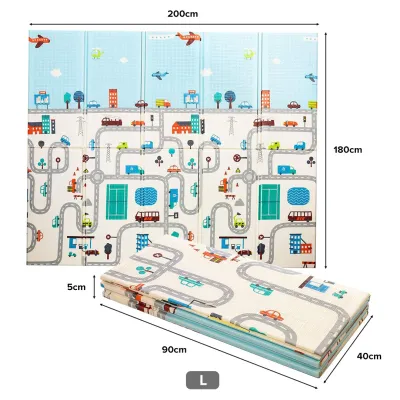
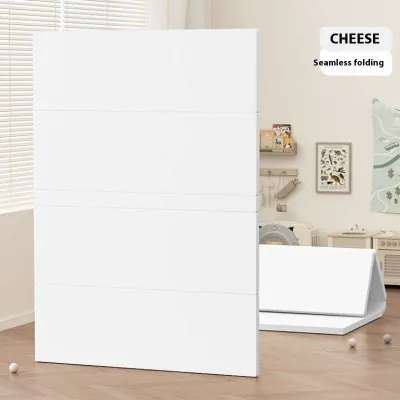
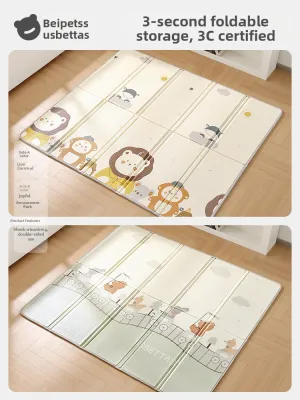
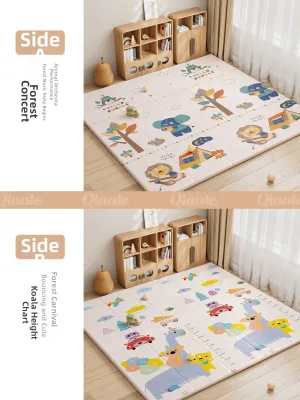
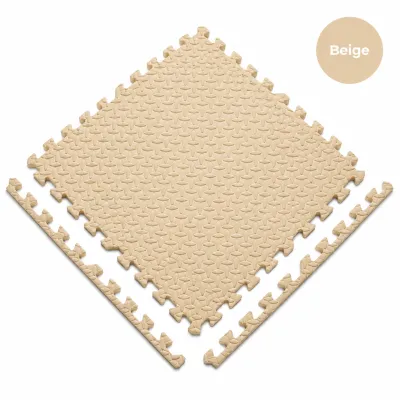
![[Buy 10 Free 2] 2.5cm Thick Interlocking Foam Floor Tiles 30x30cm EVA Foam Play Mats for Babies and Toddles Puzzle PlayMat](https://img.lazcdn.com/g/p/94a77a980b04e18d614dcbe5b227e5c1.jpg_400x400q80.jpg_.webp)
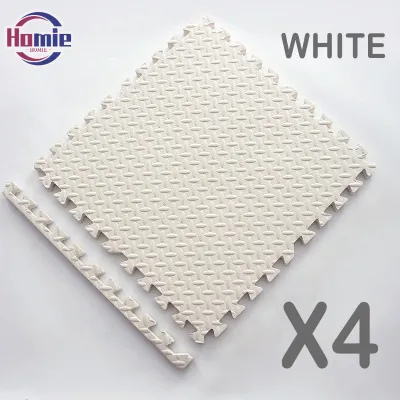
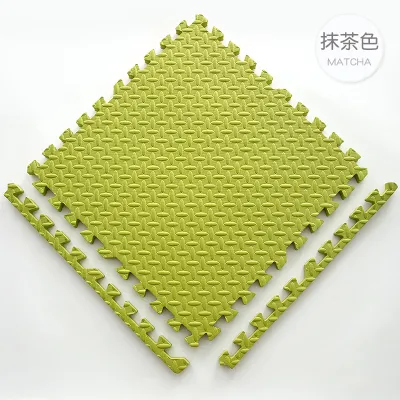
Prices are valid at publication and may change. Please refer to the product page for the latest price.
Weight and carrying accessories are equally critical when you are on the move. A mat that feels lightweight in a showroom can feel incredibly heavy after a long walk through an airport terminal or park. Look for travel mats that weigh under 1.5 kilograms and feature integrated carry handles or adjustable shoulder straps. A dedicated travel bag is highly beneficial, as it keeps dirt, grass, and moisture contained after an outdoor session, preventing cross-contamination with the rest of your luggage or stroller basket.
The trade-off between mat thickness and transit bulk is a constant challenge for traveling parents. Thicker mats, ranging from 1.5 to 2 centimeters, provide superior impact absorption, which is ideal if your baby is learning to sit or crawl on hard outdoor pavements or packed dirt. However, this extra cushioning significantly increases the folded volume of the mat. For quick trips and transit use, a thinner mat of approximately 0.5 to 1 centimeter often strikes the right balance, offering a clean barrier from the ground without overwhelming your carrying capacity.
Finally, prioritize setup and pack-away speed. When you are supervising a mobile infant in a public space, you cannot afford to spend several minutes wrestling with complex straps, stiff joints, or intricate folding patterns. Opt for designs that can be deployed and packed away single-handedly in under thirty seconds, allowing you to keep your primary focus on your child’s safety.
Material and Safety Checks for Outdoor Environments
Outdoor environments present unique challenges, from damp grass to abrasive sand and rough concrete. The surface material of your play mat determines how well it survives these conditions. Wipeable polyurethane (PU) and thermoplastic polyurethane (TPU) surfaces are highly durable and can be cleaned instantly with a damp cloth or baby wipe, making them excellent for messy outdoor picnics. Fabric covers, such as cotton or polyester blends, offer a softer, more breathable surface for your baby’s skin, but they absorb liquids quickly and require regular machine washing, which may not be feasible during a multi-day trip.

Moisture resistance is a non-negotiable feature for outdoor use. Ground surfaces, especially grass in tropical climates, often hold hidden moisture even on sunny days. Ensure the mat features a dedicated waterproof or highly water-resistant bottom layer, such as a polyethylene (PE) backing, to prevent dampness from seeping through to your baby’s clothing and skin.
Slip resistance is another vital safety factor to consider. When placed on smooth outdoor tiles, wooden decking, or polished transit floors, a lightweight mat can easily slide when a baby attempts to crawl or stand. Look for mats with textured, non-slip backings or rubberized grip patterns that secure the mat firmly to the ground, reducing the risk of sudden slips.
Before purchasing or using any play mat, physically inspect the manufacturer’s labels and product tags rather than relying solely on online marketing titles. Verify the recommended age range, material composition, and specific safety warnings. Ensure the materials are free from harmful chemicals like phthalates, lead, and BPA, and confirm that the product is rated for the specific developmental stage and weight of your child.
Evaluating Brand Reliability and Product Claims
When shopping on online marketplaces or browsing physical retail stores, distinguishing high-quality travel gear from subpar imitations requires a systematic approach. Start by filtering customer reviews to focus on long-term durability. Look specifically for feedback regarding seam integrity, zipper strength, and foam degradation. Reviews that mention seams splitting after a few weeks of folding or foam losing its springiness are clear indicators of poor manufacturing quality.
Be alert to red flags in product descriptions. Vague statements such as “eco-friendly materials” without specific, verifiable material listings (like TPU, XPE, or organic cotton) should raise suspicion. Unrealistic portability claims—such as a thick, two-centimeter mat that supposedly folds down to the size of a small book—often point to misleading advertising.
A reliable brand should offer accessible customer support and clear warranty terms. Check if the manufacturer provides replacement parts, such as extra carry bags or straps, which are prone to wear and tear during travel. A brand that stands behind its product with a structured warranty is generally a safer investment than an anonymous seller on a discount platform.
To avoid counterfeit or misrepresented items, cross-reference the specifications on third-party retail listings with the official brand website. Check dimensions, weight, and model numbers carefully. If a listing on an ecommerce platform shows significant discrepancies in weight or material composition compared to the official brand documentation, avoid the purchase.
Building Your Shortlist: Matching Mats to Your Travel Style
To find the ideal mat, you must match its design to your primary travel style and transport methods. Different travel scenarios demand different priorities, and no single mat excels in every environment.
If you frequently navigate airports, buses, or trains, space is your most valuable commodity. Prioritize ultra-lightweight, compact roll-up or highly compressible folding mats. These designs should easily slide into a stroller basket, clip onto a backpack, or fit within standard carry-on luggage dimensions without exceeding weight limits.
When luggage space is less restricted, comfort can take priority. If you primarily travel by car, opt for larger, thicker tri-fold mats. These provide a more substantial, cushioned play area for your baby, making them perfect for hotel rooms, holiday rentals, or extended stays at a relative’s home.
For those who spend weekends at local gardens, beaches, or parks, environmental protection is key. Focus on mats with heavy-duty, water-resistant bottom layers, easy-to-wipe top surfaces, and integrated anchoring loops or weighted corners to prevent the mat from lifting in windy conditions.
Use the following checklist to filter your options based on your primary travel habits:
| Travel Scenario | Key Priority | Recommended Mat Type | Material Focus |
|---|---|---|---|
| Air Travel & Transit | Minimal weight & volume | Compact roll-up or thin fold | Lightweight TPU or fabric |
| Car Trips & Stays | Maximum cushioning | Thick tri-fold | High-density XPE foam |
| Parks & Beaches | Moisture & dirt barrier | Water-resistant folding mat | Wipeable PU with waterproof backing |
Care, Maintenance, and Storage on the Go
Proper maintenance ensures your travel play mat remains hygienic and structurally sound throughout its lifespan. For routine cleaning on the go, wipe down the surface with a mild, baby-safe detergent or water-based wipes immediately after use. If your mat features a removable fabric cover, wash it according to the manufacturer’s temperature instructions, avoiding harsh bleaches that can degrade the fibers.
Never pack a damp mat into a tight travel bag. Trapped moisture is a breeding ground for mold, mildew, and unpleasant odors, which can ruin the mat and pose health risks to your baby. Allow the mat to air-dry completely in a well-ventilated, shaded area before folding and storing it. Avoid direct, prolonged sunlight, as intense UV rays can break down foam materials and cause colors to fade.
When storing the mat between trips, avoid placing heavy objects on top of it. Constant pressure can cause permanent creases, compress the internal foam, or tear the outer protective layers. Store it flat or loosely rolled in a cool, dry place.
Regularly inspect the mat for signs of wear. Define clear stopping conditions for safety: if you notice visible tears in the outer cover, exposed internal foam, broken zippers that present a scratching hazard, or a compromised water-resistant backing that allows moisture to seep through, stop using the mat immediately and seek a replacement.
Frequently Asked Questions (FAQ)
Can I use a regular indoor baby play mat for outdoor picnics?
Using a standard indoor play mat outdoors is generally not recommended. Indoor mats are typically designed for flat, clean surfaces and often lack the necessary moisture barriers to protect against damp grass or soil. Placing them on rough outdoor ground can lead to permanent staining, punctures from sharp twigs or stones, and rapid material degradation. Furthermore, indoor mats are often bulky and difficult to clean without a full wash cycle. Always check the manufacturer’s guidelines to confirm if a mat is rated for outdoor use before taking it out of the home.
What is the ideal thickness for a travel baby play mat?
For travel and outdoor use, a thickness of 1 to 1.5 centimeters is generally considered the ideal sweet spot. This range provides sufficient cushioning to protect your baby from hard ground, pebbles, or cold floors while remaining pliable enough to fold or roll into a manageable size. If portability is your absolute priority, a thinner mat of 0.5 centimeters may suffice, provided it is used on relatively soft surfaces like grass or sand. Always verify the folded dimensions against your stroller basket or luggage limits before purchasing.

Community discussion
Share your experience or ask a question. Comments are reviewed before publication.