
Taking your baby out for a day of exploration in Singapore—whether it is a picnic at the Singapore Botanic Gardens, a family gathering at a shopping mall along Orchard Road, or a weekend getaway—requires careful preparation. A reliable portable baby floor mat serves as a clean, familiar, and safe space for your little one to play, roll, or rest while you are away from home. Because product models, brand availability, and specific features change rapidly in the retail market, finding the right mat is not about chasing a single trending brand. Instead, it requires understanding the core physical properties, material safety standards, and practical design elements that match your family’s specific lifestyle and outing habits. By focusing on verifiable product specifications and scenario-based requirements, you can confidently select a mat that balances comfort for your baby with convenience for yourself.
Key Features to Look for in a Portable Baby Mat
When evaluating a portable baby mat, portability and ease of maintenance are the primary factors that determine whether the mat becomes a staple of your outing gear or remains forgotten in a closet. The first physical trait to examine is the weight and the folded or rolled dimensions of the mat. A truly portable mat should fit comfortably inside a standard diaper bag, attach securely to a stroller chassis, or slide easily into the under-seat storage basket of your pram. Look for options that weigh under one kilogram and fold down to the size of a small clutch or roll into a compact cylinder. If a mat is too bulky or heavy, carrying it alongside a baby, diaper supplies, and personal items quickly becomes a physical burden during long walks through transit stations or parks.
The surface material of the mat is another critical factor, especially in Singapore’s warm and humid climate. Babies are prone to spills, spit-up, and diaper leaks, which means the mat’s surface must support rapid cleaning. Look for materials that feature water-resistant or waterproof coatings, allowing you to wipe away liquids with a simple baby wipe or damp cloth. The material should also resist staining from dropped food or milk and dry quickly after being wiped down. Materials that absorb moisture or require prolonged air-drying can develop unpleasant odors and become breeding grounds for bacteria or mold in humid conditions, making them impractical for consecutive days of use.
Products mentioned in this guide
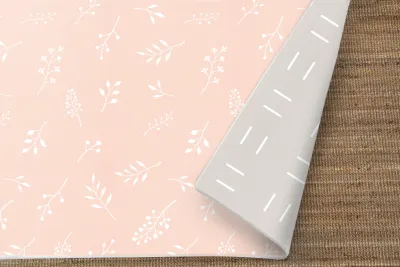
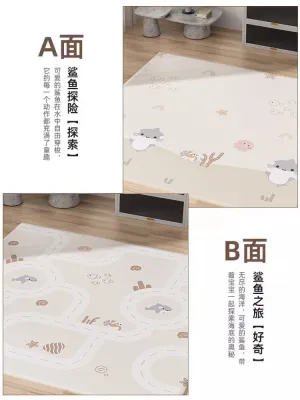
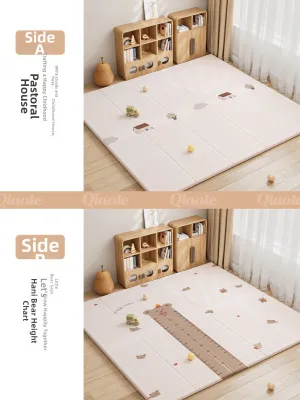
Prices are valid at publication and may change. Please refer to the product page for the latest price.
Cushioning thickness represents a direct trade-off between physical comfort and overall portability. While a thick, high-density foam mat provides excellent impact protection for babies who are learning to sit up or crawl, these mats are notoriously difficult to fold compactly and often require dedicated carrying straps or large storage bags. Conversely, an ultra-thin fabric mat offers maximum portability but provides very little protection against hard concrete, tiled mall floors, or uneven outdoor ground. To find the right balance, look for mats that utilize lightweight, high-density materials like closed-cell foam or padded polyester fills that offer moderate cushioning—typically between five millimeters and one centimeter in thickness—while still allowing the mat to fold flat or roll tightly.
Matching the Mat to Your Outing Scenario
A single portable baby mat is rarely a perfect fit for every environment because different locations present unique physical challenges and weather conditions. For instance, the damp grass of an outdoor park requires entirely different material properties than the polished, slippery tiles of an air-conditioned shopping mall or the highly restricted space of an airplane cabin. To build a practical shortlist, it is helpful to categorize your primary outing destinations and prioritize the specific features that address the challenges of those environments. By evaluating your options through the lens of these distinct scenarios, you can avoid purchasing a mat that performs poorly where you need it most.

Parks and Outdoor Picnics
Outdoor outings to parks, beaches, or grassy fields demand a mat with a highly durable and water-resistant backing. Ground moisture can easily seep through standard fabrics, leaving your baby damp and uncomfortable within minutes of sitting down. When shopping for an outdoor-friendly mat, verify that the underside features a dedicated waterproof barrier, such as a polyurethane or treated polyester backing, which prevents ground dampness from penetrating the upper layers.
In addition to moisture protection, an outdoor mat must withstand contact with rough surfaces, including twigs, dry leaves, pebbles, and sand. Thin, delicate fabrics can easily snag or tear when placed on uneven ground, rendering them useless after only a few outings. Look for rugged, tightly woven outer fabrics that resist abrasions and are easy to shake out. A quick-wipe surface is also essential for outdoor use, as it allows you to easily clean off mud, grass stains, sunscreen spills, or outdoor dirt before folding the mat back up and placing it inside your clean diaper bag.
Indoor Malls and Playdates
When your outings primarily consist of visiting indoor shopping malls, family-friendly cafes, or attending playdates at a friend’s home, your priorities shift toward stability and quick deployment. Polished tiles, laminate flooring, and hardwood surfaces can be incredibly slippery, especially when a baby is actively crawling or trying to stand. For these environments, a non-slip backing is an absolute necessity. Look for mats that feature silicone grip dots, textured rubberized backings, or high-friction materials on the underside to ensure the mat stays firmly anchored to smooth floors.
Indoor spaces also require a mat that can be set up and packed away in seconds, particularly when you are managing a fussy baby in a crowded public area. A lightweight, self-folding design with integrated magnetic closures or simple elastic straps allows you to manage the mat with one hand while holding your baby with the other. Additionally, many parents prefer mats with neutral colors or subtle, minimalist patterns for indoor use, as they blend seamlessly into cafe environments and public spaces without drawing unnecessary attention or clashing with the surrounding decor.
Travel and Flights
Traveling by air, train, or long-distance bus introduces severe space constraints that require an ultra-compact mat design. In these situations, every square centimeter of luggage space is valuable, and heavy gear is highly impractical. For travel, prioritize mats that fold down to an ultra-thin profile, allowing them to slide easily into a carry-on backpack or laptop sleeve. These mats should add minimal weight to your travel baggage, helping you stay within strict airline cabin limits.
A successful travel mat should also offer multi-use potential to reduce the total number of items you need to pack. For example, a compact, padded mat can double as a clean surface for emergency diaper changes in public restrooms, a protective liner for a rental stroller, or a clean play space on a hotel room carpet. Look for versatile designs that can be folded in half to fit smaller spaces, such as airplane seat trays or narrow airport bench seats, providing a clean barrier for your baby wherever you go.
Safety and Hygiene Checks Before You Buy
Before finalizing any purchase, it is essential to conduct thorough safety and hygiene checks by examining the product packaging, labels, and manufacturer documentation. Because babies spend a significant amount of time in direct skin contact with the mat—and frequently press their faces or mouths against the surface—verifying material safety is paramount. Look for clear, verifiable labels indicating that the mat is free from harmful chemicals, including bisphenol A (BPA), phthalates, lead, and flame retardants. Reliable manufacturers typically display these material safety certifications clearly on the product tag or packaging, allowing you to verify that the materials used are non-toxic and safe for prolonged contact.
Physical safety features are equally important to prevent accidents during play. Inspect the edge binding and stitching of the mat to ensure there are no loose threads, fraying edges, or small detachable parts that could pose a choking hazard or wrap around a baby’s fingers or toes. The edge of the mat should lie flat against the floor when unfolded; curled or raised edges can easily become tripping hazards for both crawling babies and busy parents. Additionally, verify that the anti-slip mechanism on the underside is securely integrated into the fabric and will not peel off or degrade after repeated washings, as loose silicone dots can also present an ingestion risk.
Finally, check the manufacturer’s guidelines regarding temperature limits and storage conditions. Singapore’s tropical climate means that items left inside a parked car or exposed to direct sunlight on a balcony can experience extreme heat. High temperatures can cause certain synthetic materials, low-quality foams, or adhesives to degrade, warp, or release unpleasant chemical odors. Ensure the mat is rated to withstand typical local storage conditions without material breakdown, and always follow the manufacturer’s instructions regarding sun exposure to preserve the structural integrity and safety of the mat over time.
Building Your Shortlist: What to Verify on the Product Label
To build a reliable shortlist of portable baby mats, you should compare your final candidates using objective, verifiable specifications found directly on the product labels or official specification sheets. Start by matching the unfolded dimensions of the mat to your baby’s current developmental stage and your expected usage. A newborn or stationary infant only requires a small, highly compact mat for basic tummy time. However, an older baby who is actively rolling, sitting, or beginning to crawl will quickly outgrow a small mat, requiring a larger surface area to play safely without rolling onto dirty public floors. Balance this need for space with your ability to carry the larger folded size during outings.
Next, carefully review the care and cleaning instructions on the product label. While a wipe-clean surface is excellent for quick maintenance on the go, a portable mat will eventually require a deeper clean to remove deep-seated dirt, sweat, and bacteria. Confirm whether the mat is fully machine washable or if it is strictly limited to spot-cleaning or hand-washing. If a mat is machine washable, check the recommended water temperature and drying instructions; mats that require line-drying in the shade may take longer to dry in humid weather, while those that can tolerate a low-heat dryer cycle offer greater convenience for busy households.
Lastly, examine the warranty terms and return policies provided by the manufacturer or authorized retailer. A high-quality portable mat should be durable enough to withstand frequent folding, unfolding, washing, and outdoor use. Look for warranties that cover manufacturing defects, such as premature seam splitting, peeling of the waterproof backing, or rapid degradation of the inner cushioning. Understanding the scope of the warranty and the process for claims provides peace of mind and ensures that you are investing in a durable product that will safely support your baby’s outings for many months to come.
Frequently Asked Questions (FAQ)
Can I use a regular picnic blanket instead of a baby floor mat?
While a standard picnic blanket can serve as a temporary barrier on the ground, it generally lacks the specialized features required for a baby’s safety and comfort. Regular picnic blankets are often made of thin fabric without any internal cushioning, offering very little protection against hard surfaces or uneven ground. Furthermore, they typically lack wipe-clean surfaces, meaning that any spit-up, spilled milk, or diaper leak will soak directly into the fabric, requiring a full wash cycle before it can be used again. A dedicated baby floor mat provides the necessary balance of impact absorption, water resistance, and easy-wipe hygiene that standard blankets cannot match. If you must use a regular blanket, consider placing it as a soft top layer over a waterproof, padded mat to ensure adequate protection and cleanliness.
How do I clean a portable baby mat while on the go?
When you are away from home, immediate spot-cleaning is the best way to manage spills and maintain hygiene. Keep a pack of baby-safe, unscented wipes in your diaper bag to quickly wipe away food, drool, or dirt as soon as they land on the mat’s surface. For sticky residues, a clean cloth dampened with plain water can help lift the mess without damaging the mat’s protective coating. Before folding the mat and packing it away, ensure the cleaned area is completely dry. Folding a damp mat and storing it in a dark, enclosed diaper bag or car trunk encourages the growth of mold, mildew, and unpleasant odors. If you must pack it up quickly while still damp, unfold the mat as soon as you return home and allow it to air-dry completely in a well-ventilated area.

Community discussion
Share your experience or ask a question. Comments are reviewed before publication.