
When you are out on a family day trip to East Coast Park or navigating a busy shopping mall during the weekend, finding a public toilet quickly can be a challenge. For parents of toddlers and young children undergoing potty training, a sudden “I need to go” can trigger immediate panic.
A portable kids urinal offers a practical, stress-free solution for these urgent moments, allowing your child to relieve themselves hygienically without relying on immediate access to a restroom.
Choosing the right travel urinal requires balancing several practical factors to ensure it does not become a source of mess itself. The ideal model must feature a highly reliable leak-proof seal, a compact and lightweight design that fits easily into a diaper bag, and a capacity that matches your child’s age and output.
Products mentioned in this guide
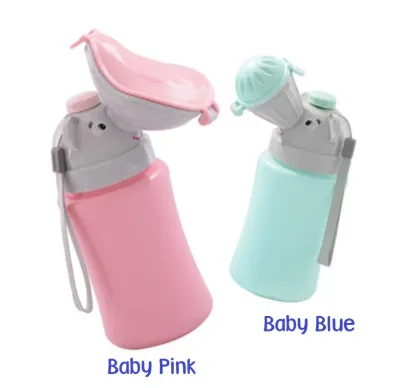
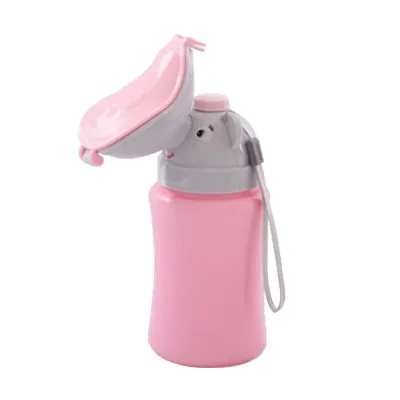
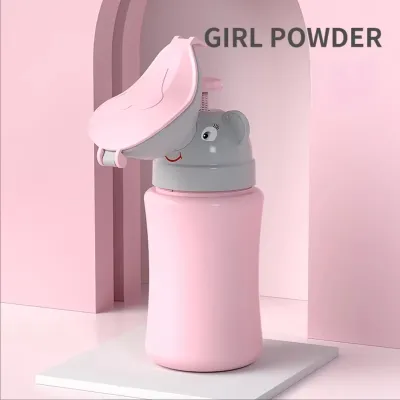
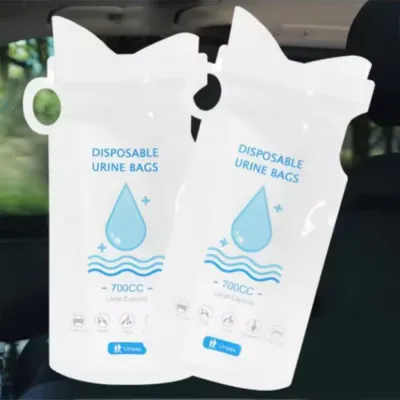
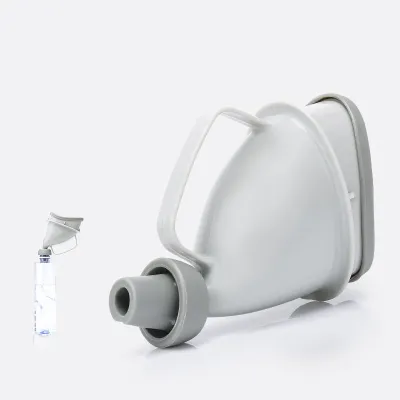
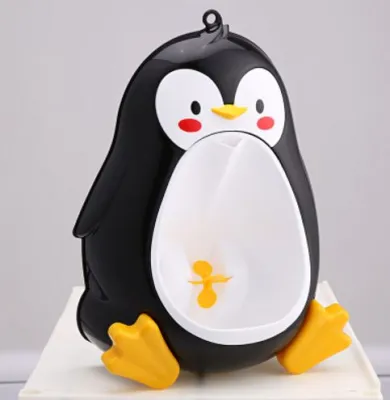
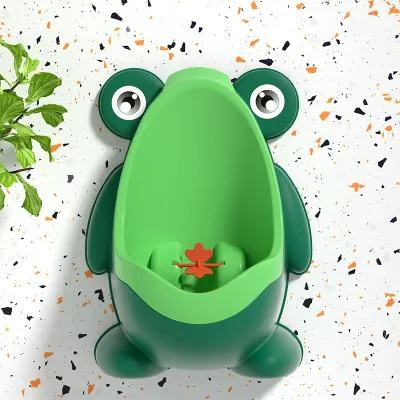
Prices are valid at publication and may change. Please refer to the product page for the latest price.
By focusing on these core functional elements, you can confidently manage outings, road trips, and outdoor adventures while keeping your child comfortable and dry.
Essential Features for On-the-Go Use
The primary value of a portable urinal lies in its reliability under pressure. When your child needs to use the device inside a vehicle, in a crowded outdoor space, or during a long commute, you cannot afford leaks, spills, or structural failures. Evaluating the core engineering of the urinal before purchasing will save you from messy accidents in your travel bag.
Leak-proof mechanisms are the most critical feature to inspect. Look for models that employ a multi-layered sealing system, which typically includes a silicone gasket or O-ring inside the cap to create an airtight barrier. Some designs feature a one-way valve or an internal funnel that allows liquid to enter but prevents it from flowing back out, even if the bottle is tipped upside down. A secure locking lid or a push-button snap closure adds an extra layer of security, ensuring the cap does not accidentally pop open when jostled inside a backpack.
Portability determines how likely you are to carry the urinal with you on every outing. A bulky or heavy device will often be left behind, defeating its purpose. Opt for lightweight materials like high-density polypropylene, which offer durability without adding unnecessary weight. The physical shape should be streamlined and compact enough to slide into the side pocket of a standard diaper bag or stroller organizer. Many travel urinals also feature integrated carrying straps, carabiner clips, or molded handles, allowing you to attach the device directly to the outside of a bag for immediate access.
Capacity is another essential factor that must be matched to your child’s developmental stage. A urinal that is too small will overflow, while one that is excessively large becomes cumbersome to carry. Most travel urinals range in capacity from 300ml to 500ml. For younger toddlers who are just beginning potty training, a smaller 300ml capacity is usually sufficient for a single use. Older children or longer trips where emptying opportunities are scarce may require a larger 500ml volume. Always verify the manufacturer’s specified capacity and compare it to your child’s typical output before making a selection.
Design and Usability Considerations
Beyond basic functionality, the physical design of the urinal directly impacts how easy it is for your child to use and how simple it is for you to clean. A poorly designed funnel or a complex opening can lead to splashes, frustration, and hygiene issues during busy outings.

Ergonomic shapes and splash guards are vital for minimizing messes during use. Children’s anatomy varies, and manufacturers design funnels to accommodate these differences. Models designed specifically for boys often feature a wider, upward-curving opening to prevent spills. Urinals designed for girls typically have a wider, contoured, and flexible funnel that conforms comfortably to the body to create a secure seal. You can also find unisex designs that feature interchangeable or adaptable funnels, which are highly practical if you are managing potty training for multiple children of different genders.
The choice of material and the internal mechanics of the urinal dictate how easily it can be maintained. Look for devices with smooth, non-porous interior walls that resist staining and do not trap residue. A wide-mouth opening is highly beneficial, as it allows you to empty the contents quickly and cleanly into a public toilet without splashing. It also makes thorough hand-washing and scrubbing much easier when you return home. Avoid models with overly complex internal crevices or non-removable parts, as these can trap moisture and lead to bacterial growth over time.
Discreetness is a frequently overlooked aspect of travel urinals. While bright, cartoon-themed designs might appeal to a toddler at home, they can draw unwanted attention in public spaces. Choosing a urinal made from opaque, neutral-colored materials helps maintain your child’s privacy and reduces visual distraction when the device must be used in a vehicle or a quiet corner of a park. An opaque bottle also conceals the contents, which is a welcome feature when you are carrying the used device to a restroom for disposal.
Practical Tips for Using and Maintaining on the Go
Having the right gear is only half the battle; integrating the travel urinal into your routine requires a systematic approach to hygiene and preparation. By establishing a clear process, you can handle urgent situations calmly and maintain high sanitary standards anywhere.
Before leaving the house, assemble a dedicated travel hygiene kit to accompany the urinal. This kit should be kept in an easily accessible pocket of your diaper bag. Include a pack of skin-safe wet wipes for cleaning your child, a small bottle of hand sanitiser, and a few small, biodegradable plastic bags. You may also want to pack disposable absorbent pads or super-absorbent polymer powder, which can be placed inside the urinal to solidify liquid waste instantly, making disposal much cleaner and reducing the risk of sloshing during transit.
When it comes to emptying the device, always prioritize public restrooms or designated waste disposal areas. If you are in an outdoor setting where public toilets are unavailable, follow local environmental guidelines and regulations regarding waste disposal. Once the urinal is empty, rinse it thoroughly. If clean running water is not accessible, you can use a small splash of water from a dedicated rinse bottle or wipe down the interior funnel with a sanitising wipe to keep the device fresh until you reach a proper washing facility.
Proper storage after use is essential to prevent cross-contamination and odors inside your main bag. Even with a highly reliable leak-proof seal, it is wise to place the used urinal inside a dedicated, waterproof wet bag or a heavy-duty ziplock bag before storing it. This double-barrier method ensures that any residual moisture on the exterior funnel does not come into contact with your child’s spare clothes, snacks, or toys. Once you return home, disassemble all removable parts of the urinal, wash them thoroughly with warm soapy water, and allow them to air dry completely before the next adventure.
Frequently Asked Questions (FAQ)
At what age or potty training stage should I introduce a travel urinal?
A travel urinal is typically most useful once your child has grasped the basic concept of potty training at home and can communicate the urge to go, which often occurs between the ages of two and four. Introducing the device too early, before they can stand steadily or follow simple instructions, can lead to spills and frustration. It is highly recommended to let your child practice using the travel urinal in the familiar environment of your home bathroom first, so they feel comfortable and confident using it when you are out in public.
How do I clean a kids urinal if no public restroom is available?
If you must use the urinal where there is no running water or public restroom, you can manage hygiene using portable cleaning supplies. Wipe the funnel and rim thoroughly with sanitising or flushable wipes, and seal the used wipes in a small plastic disposal bag. If you have a bottle of plain water, use a small amount to rinse the interior of the urinal, swirling it and disposing of the rinse water responsibly. Keep the sealed urinal inside a waterproof wet bag until you can wash it thoroughly with hot, soapy water at home.
Can a travel urinal be used for both urine and bowel movements?
No, travel urinals are strictly designed and engineered for liquid waste only. Their narrow necks, internal valves, and compact funnels are not physically capable of accommodating solid waste, and attempting to use them for bowel movements will clog the device and create severe hygiene issues. If you require a portable solution for both types of waste, you should look into a folding travel potty that uses disposable, lined bags with absorbent pads, which are specifically designed to handle solid waste safely and sanitarily.

Community discussion
Share your experience or ask a question. Comments are reviewed before publication.