
Finding a high-quality portable crawling mat for outdoor use in Singapore requires balancing durability, heat resistance, and ease of transport. While many brands offer mats designed for indoor playrooms, taking your baby to parks like East Coast Park, the Singapore Botanic Gardens, or even a local condominium playground demands a mat that can withstand high humidity, damp grass, and warm concrete. Instead of relying on brand names alone, parents should evaluate specific material compositions, structural designs, and manufacturer specifications to find a reliable outdoor solution. This guide outlines the essential factors to consider when selecting and maintaining an outdoor crawling mat to ensure a safe, comfortable, and hygienic play area for your little one.
Evaluating Materials and Structure for Tropical Outdoors
Singapore’s tropical climate presents unique challenges for outdoor baby gear, particularly high ambient temperatures and intense humidity. When selecting a crawling mat, the material composition is the first line of defense against rapid degradation. Parents should check manufacturer labels for UV resistance and temperature limits, as prolonged exposure to direct sunlight can cause certain plastics to break down, release chemical odors, or become uncomfortably hot to the touch. Look for materials like high-quality polyurethane (PU) or thermoplastic polyurethane (TPU) that explicitly state they are stable under outdoor heat conditions, and avoid low-grade plastics that degrade quickly.
Cushioning and thickness are equally critical when placing a mat on uneven outdoor surfaces like grass, sand, or gravel. A mat that is too thin will not protect a crawling baby’s knees and hands from sharp twigs, pebbles, or hard ground hidden beneath the grass. Conversely, an excessively thick mat may be bulky, heavy, and difficult to pack into a stroller or car. Aim for a balanced thickness—typically between 1 cm and 1.5 cm—which provides sufficient shock absorption without compromising portability. Verify that the internal structure consists of high-density foam, which maintains its shape, absorbs impact, and provides a firm yet comfortable surface for developmental milestones like rolling and crawling.
Products mentioned in this guide
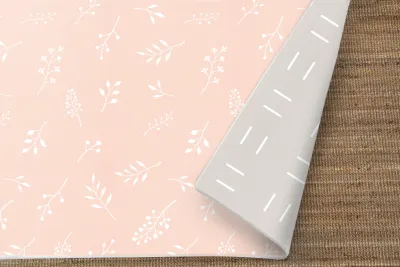
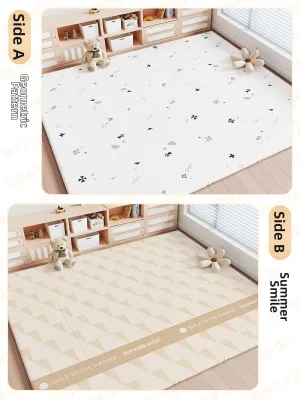
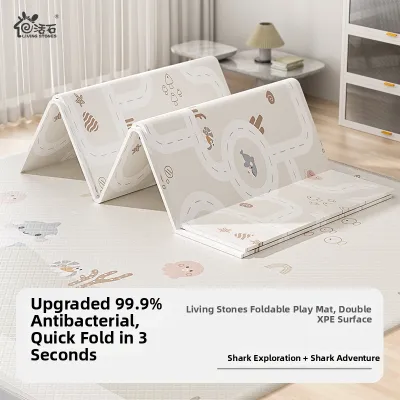
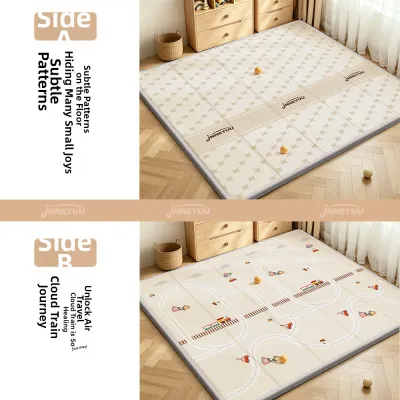
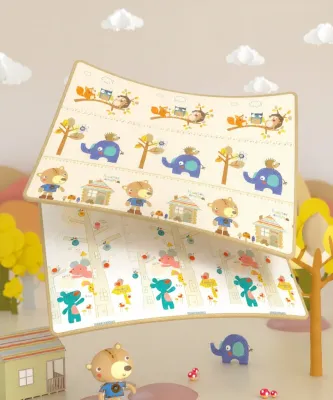
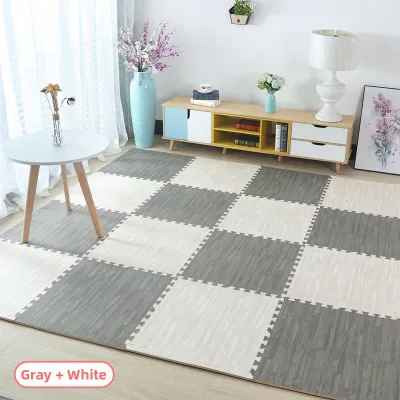
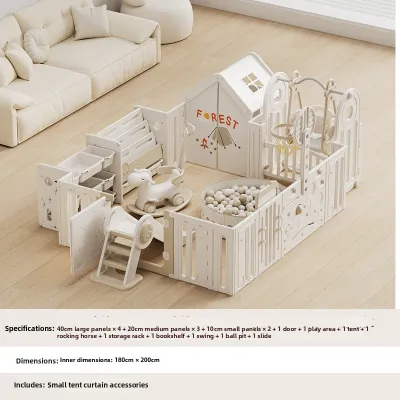
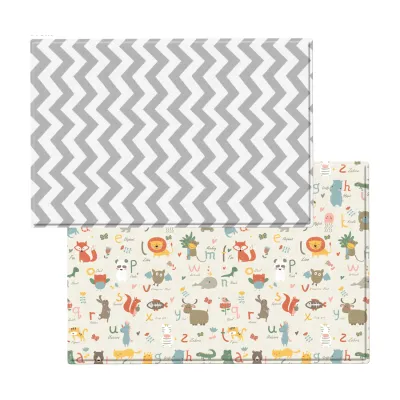
Prices are valid at publication and may change. Please refer to the product page for the latest price.
The backing of the mat determines how well it stays in place during active play. Smooth outdoor surfaces, such as tiled patios, wooden decking, or concrete pavements, can become slippery, especially when humid or wet. Check the product specifications for a dedicated non-slip backing, often featuring textured patterns, silicone grips, or rubberized coatings. A secure grip prevents the mat from sliding when your baby attempts to push up, crawl, or stand, reducing the risk of sudden slips and falls. Additionally, a stable mat prevents wind from easily lifting the edges during outdoor use.
Portability and Storage for Family Outings
For outdoor excursions, a crawling mat must be highly portable and easy to manage alongside other baby essentials like strollers, diaper bags, and water bottles. The folding mechanism of the mat plays a significant role in its long-term durability and ease of use. Some mats use accordion-style folding creases, while others roll up into a cylinder. Examine the crease lines on folding mats; high-quality designs reinforce these joints to prevent tearing after repeated folding and unfolding. Roll-up mats avoid creases entirely, which can extend their lifespan, but they may take up more space in your car boot or carryall.

Weight and carrying accessories are practical details that affect daily usability. A lightweight mat allows you to carry it comfortably over long distances while managing your baby. Look for models that include integrated carrying handles, adjustable shoulder straps, or a dedicated travel bag. These accessories protect the mat from dirt and dust during transit and keep your hands free for other tasks. A compact, lightweight design ensures that bringing the mat along to the park does not become an exhausting chore.
Proper storage is essential to prolonging the lifespan of your mat in Singapore’s humid environment. Storing a damp or dirty mat in a closed car boot, a dark cupboard, or a plastic bag can quickly lead to mold and mildew growth, which can ruin the material and create health hazards. Always ensure the mat is completely dry before folding it for long-term storage. Keep it in a cool, well-ventilated area away from direct sunlight, which can cause materials to warp, discolor, or lose their elasticity over time.
Cleaning and Maintenance After Outdoor Use
Outdoor play inevitably exposes your crawling mat to dirt, grass stains, spilled drinks, sweat, and sunscreen. Establishing a practical cleaning routine is vital to maintaining a hygienic surface for your baby’s sensitive skin. Start by differentiating between wipe-clean surfaces and machine-washable covers by consulting the manufacturer’s care instructions. Many outdoor mats feature a waterproof outer layer that can be cleaned quickly with a damp cloth and mild, baby-safe soap, while others may have removable fabric covers that can go into the washing machine. Avoid using harsh chemical cleaners or bleach, which can degrade the waterproof coating and irritate your baby’s skin.
Drying the mat thoroughly after cleaning or exposure to damp grass is crucial for preventing mold. Even water-resistant mats can trap moisture in seams, folds, or textured patterns. After wiping down the mat, drape it over a drying rack in a shaded, well-ventilated outdoor area or indoors under a fan. Avoid placing the mat in direct, intense sunlight to dry unless the manufacturer explicitly states it is safe, as excessive heat can warp the foam core and cause the outer layers to peel. Ensure both sides of the mat are completely dry before packing it away.
Regularly inspect the mat for signs of wear and tear that could compromise safety. Look for peeling outer layers, exposed foam, deep tears, or persistent musty odors that do not disappear after cleaning. If the structural integrity of the mat is damaged, or if mold has penetrated the inner foam layers, it is time to replace the mat. Using a damaged mat can expose your baby to choking hazards from loose foam pieces or skin irritation from trapped bacteria and mold.
Building Your Shortlist: Verifying Brands and Models
When browsing online marketplaces or visiting local retail stores in Singapore, building a reliable shortlist requires careful verification of product specifications rather than relying on brand popularity alone. Start by checking the manufacturer’s recommended age and weight limits to ensure the mat is appropriate for your baby’s developmental stage. Additionally, look for recognized safety certifications on the packaging or product listing, which verify that the materials have been tested for harmful chemicals, phthalates, and heavy metals.
User reviews can provide valuable insights into how a specific mat performs in real-world outdoor conditions. Look for feedback from other parents in Singapore or similar tropical climates, paying close attention to comments about heat retention, durability on rough surfaces, and ease of cleaning. If multiple reviews mention that the mat becomes uncomfortably hot in the sun, tears easily on grass, or retains odors, it may not be suitable for your planned outdoor activities.
Before finalizing your purchase, verify the retailer’s return policies and warranty terms. A reputable brand or seller should offer a clear policy regarding material defects, such as premature peeling, broken seams, or failing zippers on carrying bags. Understanding these terms beforehand protects your investment and ensures you can easily exchange or return a defective product if it does not meet quality standards upon arrival.
Safe Setup and Supervision Outdoors
Creating a safe outdoor play area goes beyond choosing the right mat; it also requires careful setup and constant supervision. Always select a flat, level area for the mat, away from potential hazards such as water bodies, steep slopes, or sharp objects like broken glass, dry twigs, and stones. Setting up the mat in a shaded area, such as under a large tree, a park pavilion, or a portable pop-up tent, helps protect your baby from direct UV rays and keeps the mat surface cool to the touch.
Active supervision is essential whenever your baby is on the mat. Outdoor environments are unpredictable, and babies can quickly crawl off the edge of the mat onto rough ground, hot pavement, or toward hazards. Never leave your baby unattended, and avoid placing the mat on elevated surfaces like picnic tables, benches, or decks, where a fall could cause serious injury. Keep a close eye on your baby’s behavior to ensure they do not put outdoor debris, insects, fallen leaves, or soil into their mouths.
Be prepared to recognize environmental limits that require moving your activities indoors. If the weather becomes excessively hot, humid, or windy, or if pests like mosquitoes, ants, or sandflies become unmanageable, it is safest to pack up. Monitoring your baby for signs of overheating, such as flushed cheeks, rapid breathing, or unusual fussiness, will help you decide when it is time to transition to an indoor environment to ensure their comfort and safety.
Frequently Asked Questions (FAQ)
Can I leave a portable crawling mat outside overnight?
No, you should not leave a portable crawling mat outside overnight. Leaving the mat outdoors exposes it to overnight temperature drops and morning dew, which can cause moisture to accumulate on and within the material. This dampness creates an ideal environment for mold, mildew, and bacteria to grow, potentially ruining the mat and posing health risks for your baby. Additionally, outdoor pests, insects, or nocturnal animals may crawl over or damage the mat. Always wipe the mat clean and store it indoors in a dry, well-ventilated space after each use to maintain its hygiene and durability.
Are foam or fabric mats better for grassy parks?
For grassy parks, mats with a waterproof or highly wipeable surface, such as closed-cell foam or treated polyester, are generally more practical than standard fabric mats. Grassy areas often retain moisture from morning dew or recent rain, which can quickly seep through untreated fabric mats and make your baby wet and uncomfortable. Closed-cell foam mats provide an effective moisture barrier and are easy to wipe clean if they get muddy. If you prefer a fabric mat, ensure it features a dedicated waterproof backing and check the manufacturer’s instructions to verify it is rated for outdoor use and easy to wash.

Community discussion
Share your experience or ask a question. Comments are reviewed before publication.