
Finding the right belly band during pregnancy can transform your daily comfort, helping you manage the physical shifts of a growing bump while staying active. With numerous maternity wear brands offering various styles, the key to finding a supportive, all-day band lies in understanding how different materials, construction methods, and adjustment features perform under daily wear. In warm and humid climates, such as Singapore, choosing a band that balances structural support with heat dissipation is crucial to avoid skin irritation and discomfort. Rather than relying solely on brand popularity, evaluating specific design elements ensures you select a garment that provides targeted relief without restricting your movement or causing overheating.
What Defines All-Day Comfort in a Pregnancy Belly Band
All-day comfort in a pregnancy support band is determined by how well the garment manages heat, minimizes friction against the skin, and distributes weight across your pelvis and lower back. Because your body temperature naturally runs higher during pregnancy, fabric selection is the first line of defense against discomfort. Lightweight, moisture-wicking materials such as bamboo-derived viscose, nylon-spandex blends, and high-gauge cotton knits allow air to circulate, preventing sweat accumulation. In tropical environments, heavy or non-breathable synthetic fabrics can trap moisture against the skin, leading to heat rashes, itching, and general discomfort during outdoor commutes or daily errands.
The construction of the band, particularly the seams and edges, plays a critical role in preventing chafing. Seamless circular-knit bands are highly effective for sensitive skin because they eliminate the raised stitching that can press into the abdomen when sitting or bending. If a band does feature seams, they should be flat-locked or covered with soft binding to minimize friction. Additionally, the top and bottom edges of the band must be engineered to resist rolling. Bands with silicone grip strips or reinforced, non-binding hems stay in place more reliably, saving you from the constant need to pull down or adjust the garment throughout the day.
Products mentioned in this guide
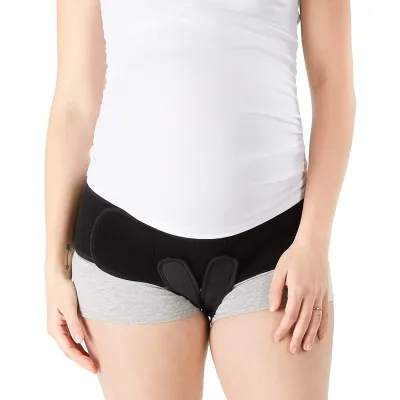
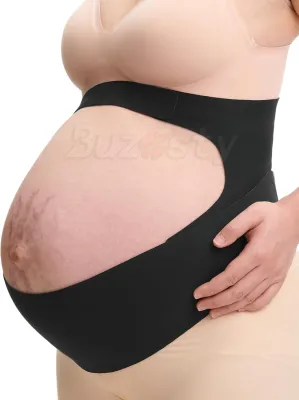
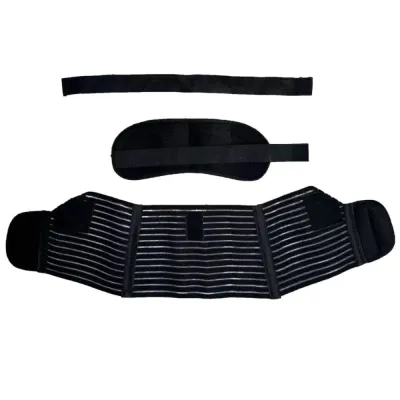
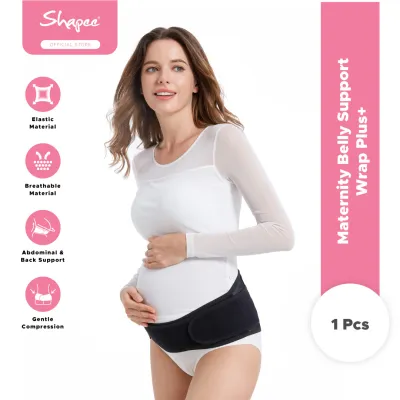
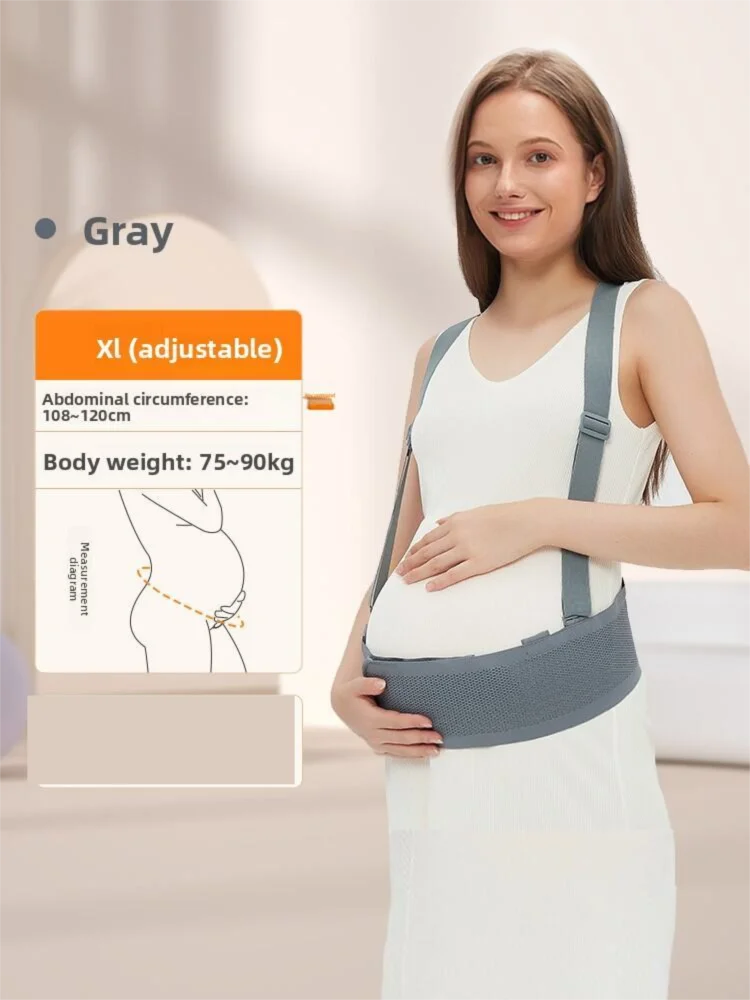
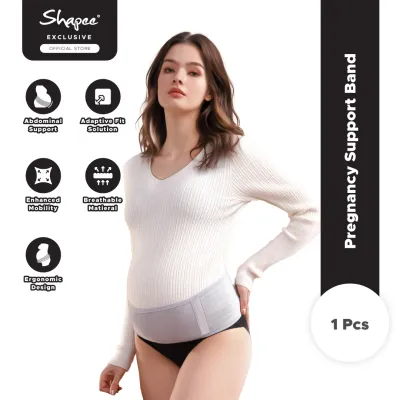
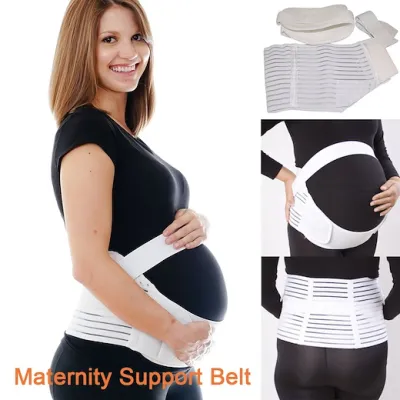
Prices are valid at publication and may change. Please refer to the product page for the latest price.
Tension distribution is the final pillar of physical comfort. A well-designed belly band does not simply squeeze the abdomen; instead, it mimics the natural support of your abdominal muscles by lifting the bump from below and transferring some of the weight to the broader, stronger areas of your lower back and hips. The width of the band should vary across its length, featuring a wider, more supportive back panel and a contoured, flexible front panel that cradles the lower curve of the bump. This variation prevents the band from digging into your hips or ribs, ensuring that the compression is supportive rather than restrictive.
Core Features to Compare Across Maternity Wear Brands
When comparing options from different maternity wear brands, a structured checklist helps cut through marketing claims to identify high-quality construction. The first feature to evaluate is the adjustability mechanism, which determines how well the band adapts to your changing shape and how long it will last. Pull-on stretch bands offer a smooth, low-profile fit but provide limited customization as your bump grows. In contrast, bands utilizing hook-and-eye closures or adjustable hook-and-loop fasteners allow you to fine-tune the tension daily. When assessing hook-and-loop fasteners, look for micro-velcro or soft-touch fasteners that do not snag clothing or scratch your skin, and verify that the fastening panels are wide enough to accommodate several inches of growth.

Another important consideration is the band’s transition capability. Some brands design multi-stage support systems that function as a gentle lift during the second trimester, a highly structured support belt in the third trimester, and a postpartum recovery wrap after delivery. These modular systems often consist of multiple pieces—such as a main support belt, an upper stabilization strap, and a postpartum compression panel—that can be added or removed as needed. While these multi-piece systems require a higher initial investment, their versatility can offer better long-term value compared to single-purpose bands that only fit during a narrow window of your pregnancy. When budgeting for a high-quality band, expect to find options ranging from S$30 for basic seamless tubes to over S$80 for multi-piece orthopedic support systems, and verify that the price aligns with the durability of the materials.
Discretion under clothing is also a key factor for many expectant mothers, especially when dressing for professional environments or formal occasions. The thickness and opacity of the fabric determine whether the band can be worn invisibly under lightweight tops or dresses. Ultra-thin, seamless bands are virtually undetectable under fitted clothing, making them ideal for layering. However, they may offer less structural lift than thicker, multi-layered bands. If you choose a more structured, thicker belt, consider whether you prefer to wear it over an undershirt to protect your skin, or if the brand’s materials are soft enough to be worn directly against the body without causing irritation.
Matching the Right Belly Band Style to Your Trimester
Your body’s support requirements shift dramatically as your pregnancy progresses, meaning a band that feels comfortable in the fourth month may not provide sufficient relief by the eighth month. Understanding these changing physical demands allows you to select a style that matches your current stage of development.
Early to Mid-Pregnancy: Light Support and Bump Smoothing
During the early to mid-pregnancy stages, typically from week 14 to week 24, your bump is just beginning to show, and your primary goal may be wardrobe transition rather than heavy lifting. Seamless tube-style bands are excellent for this period. These bands are highly elastic, non-compressive tubes of fabric that slide over your unbuttoned pre-pregnancy trousers, holding them securely in place while smoothing out the transition line under your shirts.
When shopping for an early-pregnancy band, look for lightweight, highly breathable fabrics that offer gentle, omnidirectional stretch. These styles should not feel tight or restrictive; instead, they should provide a reassuring hug that accommodates your expanding waistline without putting pressure on your bladder. Always check the manufacturer’s guidelines to ensure the band is rated for early-trimester wear, as highly structured pelvic belts are generally unnecessary and uncomfortable during this stage.
Late Pregnancy: Targeted Lift and Lower Back Relief
As you enter the third trimester, the weight of the baby increases rapidly, shifting your center of gravity forward and putting significant strain on your lower back, pelvis, and sacroiliac joints. During this phase, light tube bands are often insufficient, and you will benefit more from structured support belts that offer a targeted upward lift. These belts typically feature a wide, rigid back panel reinforced with flexible boning or double-tension straps, combined with a contoured front strap that sits low under the belly.
To ensure all-day comfort in late pregnancy, look for bands with adjustable tension straps that allow you to increase or decrease the lift depending on whether you are sitting, standing, or walking. The front panel should be made of a soft, flexible material that does not compress the uterus, while the back panel should distribute the load evenly across your lumbar region. Before purchasing, verify the manufacturer’s specifications regarding weight distribution and pelvic support to ensure the belt is engineered to handle the physical demands of the final weeks of pregnancy.
Sizing, Safety, and Care Checks Before You Buy
Selecting the correct size is the most critical factor in ensuring both the comfort and safety of a pregnancy belly band. Many expectant mothers make the mistake of purchasing a band based on their pre-pregnancy clothing size, but weight gain patterns and bump shapes vary widely. To find an accurate fit, use a flexible measuring tape to measure the circumference of your lower back and the fullest part of your under-belly area, where the band will sit. Compare these measurements directly against the brand’s specific sizing chart, paying close attention to whether the brand advises sizing up if you are between sizes or expecting multiples.
While belly bands are excellent tools for managing pregnancy discomfort, it is vital to recognize the warning signs of an improper fit. A band that is too tight can restrict blood flow, compress nerves, and put unnecessary pressure on your internal organs. If you experience shortness of breath, numbness or tingling in your legs or pelvic area, deep skin indentations, or localized pain while wearing the band, remove it immediately. The garment should feel like a supportive hand cradling your bump, not a restrictive corset.
Proper maintenance is essential to preserve the elasticity and structural integrity of your belly band over months of daily wear. Most bands contain elastane, spandex, or rubber components that can degrade quickly if exposed to high heat or harsh chemicals. To extend the life of your band, fasten all hook-and-loop panels before washing to prevent them from snagging the fabric or other garments. Wash the band in cold water on a gentle cycle using a mild detergent, preferably inside a mesh laundry bag, and lay it flat to air dry. Avoid using fabric softeners, bleach, or a tumble dryer, as these will rapidly break down the elastic fibers and reduce the band’s supportive capabilities.
Finally, it is important to remember that compression garments and support belts are active physical aids. If you have a history of high blood pressure, circulatory issues, skin conditions, or a high-risk pregnancy, consult your obstetrician, gynecologist, or a qualified prenatal physiotherapist before incorporating a belly band into your daily routine. A healthcare professional can provide personalized guidance on how long to wear the band each day and ensure that it does not interfere with any underlying medical conditions.
Frequently Asked Questions (FAQ)
Can I wear a belly band all day while pregnant?
While many belly bands are designed for extended wear, it is generally recommended to limit continuous use to three to four hours at a time, or during periods of high physical activity such as walking, standing, or doing household chores. Wearing a support band continuously for too many hours can cause your body to rely on the external support, potentially reducing the natural engagement of your core and back muscles. Always listen to your body’s signals and remove the band if you feel any discomfort, overheating, or restriction. Additionally, you should always remove the belly band before going to sleep, as your body needs to rest without any external compression, and your sleeping position naturally relieves the downward pressure on your pelvis.
Will a belly band weaken my core muscles during pregnancy?
A belly band is intended to act as a temporary supportive aid rather than a permanent replacement for your natural muscle function. When used correctly—for targeted support during active hours rather than constant, 24-hour wear—it will not weaken your core muscles. To maintain your strength and stability throughout pregnancy, it is highly beneficial to combine the use of a support band with safe, provider-approved prenatal exercises. Gentle movements such as prenatal yoga, pelvic tilts, and deep core breathing exercises help keep your abdominal and pelvic floor muscles active and strong, working in harmony with the temporary relief provided by your belly band.

Community discussion
Share your experience or ask a question. Comments are reviewed before publication.