
Finding a comfortable binder for tummy support during and after pregnancy requires balancing structural support with gentle, non-restrictive materials. The ideal garment must accommodate rapid physical changes while remaining comfortable enough for extended wear, especially in warm, humid environments. Choosing the right binder involves understanding the distinct physiological needs of the prenatal and postnatal stages, evaluating fabric breathability, and verifying fit and safety guidelines.
During pregnancy, your body undergoes significant structural shifts as your center of gravity moves forward, placing immense strain on your lower back, pelvis, and abdominal muscles. Postpartum, the focus shifts to recovery, helping stretched muscles realign and providing stability to loose joints. A well-chosen tummy binder can offer substantial relief, but selecting one that you can wear comfortably all day requires looking beyond marketing claims to evaluate specific design features, material compositions, and safety parameters.
Understanding Your Needs: Pregnancy vs. Postpartum Support
To make an informed purchase, you must first distinguish between the structural and support requirements of the prenatal and postnatal periods. Using the wrong type of support garment can cause physical discomfort and may interfere with your body’s natural physiological processes.
Products mentioned in this guide
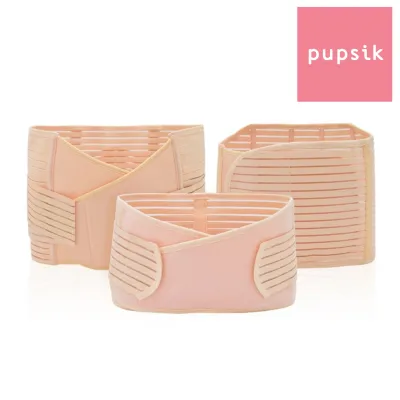
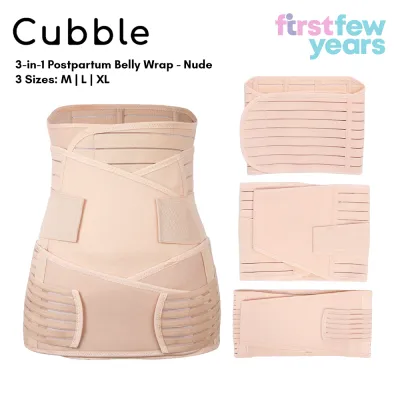
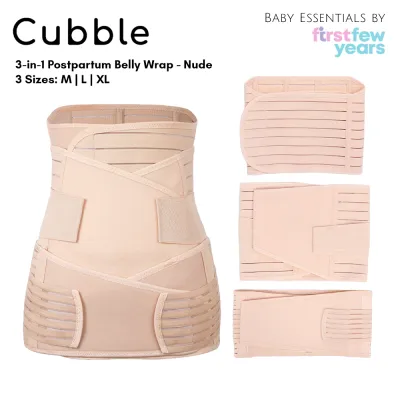
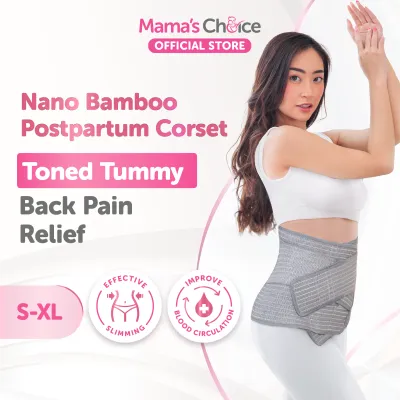
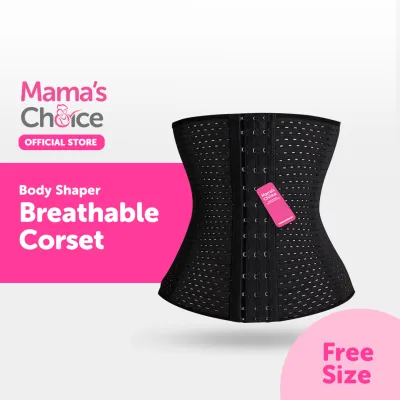
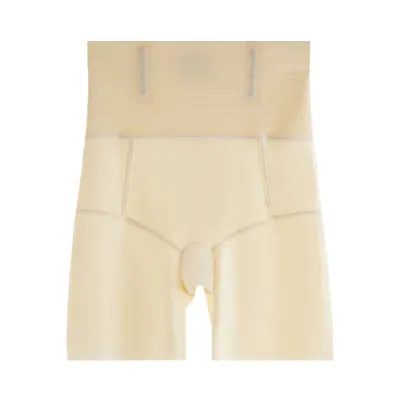
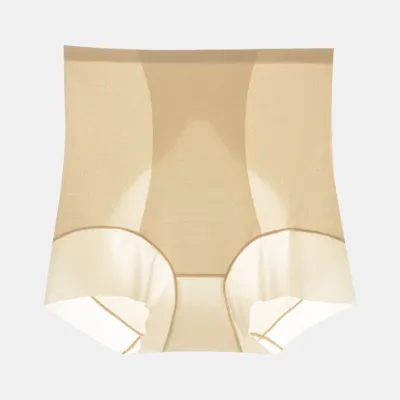
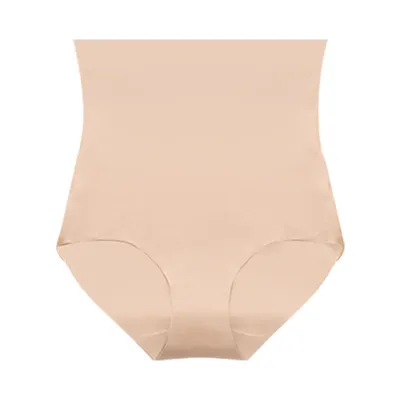
Prices are valid at publication and may change. Please refer to the product page for the latest price.
During pregnancy, the primary objective of an abdominal support garment is to provide a gentle, upward lift to the growing belly. This lift helps redistribute the weight of the baby, relieving pressure on your bladder, pelvic floor, and lower back. Maternity support belts are designed specifically for this purpose, featuring a curved shape that cradles the underbelly without compressing the abdomen itself. They focus on pelvic alignment and stabilizing the sacroiliac joints, which often become loose due to the hormone relaxin.
In contrast, postpartum recovery binders are designed for compression and stabilization. After childbirth, the abdominal wall is stretched, and the internal organs gradually shift back to their pre-pregnancy positions. A postpartum binder applies gentle, even pressure across the entire midsection to support these recovering tissues, stabilize the lower back, and assist with conditions like diastasis recti, which is the separation of the abdominal muscles.
Attempting to use a postpartum recovery binder during pregnancy is highly discouraged. Postpartum binders are designed to compress the abdominal cavity, which can restrict blood flow to the uterus, limit the space available for fetal movement, and place excessive downward pressure on your pelvic floor. This restriction can lead to severe discomfort, breathing difficulties, and potential complications for both you and your baby.
Knowing when to transition from a maternity support belt to a postpartum binder is essential for a safe recovery. Maternity belts are typically worn during the second and third trimesters when the physical weight of the belly becomes challenging to manage. Postpartum binders, however, are introduced after delivery. For a vaginal birth, you may begin wearing a light support binder within the first few days, provided you feel comfortable. For a cesarean delivery, you must wait until your healthcare provider clears you to use compression, ensuring the incision is healing properly and will not be irritated by the garment.
Key Design Features That Define All-Day Comfort
Wearing a support garment for several hours a day requires careful attention to fabric and construction, particularly in tropical climates where heat and humidity are constant factors. Without the right design elements, even the most supportive binder can quickly become unbearable to wear.

Breathable, moisture-wicking fabrics are the foundation of all-day comfort. In warm, humid environments, heavy or purely synthetic fabrics trap heat and sweat against your skin, leading to friction, chafing, and painful heat rashes. When evaluating binders, look for materials that incorporate open-weave elastics, mesh panels, or natural fibers like bamboo-derived viscose and cotton blends. These fabrics allow air to circulate freely and pull moisture away from the skin, keeping you cool and dry throughout the day.
The construction of the edges and seams plays a critical role in preventing localized irritation. Seamless edges or soft, fabric-bound borders are essential to prevent the binder from digging into your skin, ribs, or hips when you sit, bend, or move. Wide bands are also preferable to narrow ones, as they distribute the compression forces evenly across a larger surface area, reducing the risk of the garment rolling up, bunching, or cutting off circulation in specific zones.
Adjustability is another key feature for long-term comfort. Your body shape and comfort levels will fluctuate throughout the day, influenced by factors like posture, meals, and bloating. Binders that feature adjustable closures, such as wide Velcro panels or multi-row hook-and-eye fasteners, allow you to customize the level of compression on the go. This flexibility ensures you can loosen the binder slightly when sitting down to eat or tighten it when standing up for a walk.
Finally, consider the structural support elements within the binder. High-quality options often include flexible boning or integrated structured panels. Unlike rigid steel stays found in traditional corsets, modern maternity and postpartum binders use flexible plastic or silicone boning. These elements help the garment maintain its vertical shape, preventing it from folding over or bunching at the waist, while still flexing naturally with your body’s movements so your breathing and digestion remain unrestricted.
How to Evaluate Tummy Binder Brands for Extended Wear
With numerous brands marketing their products online and in physical stores, cutting through the promotional claims is necessary to find a truly comfortable and durable garment. A structured evaluation framework will help you identify high-quality options.
Begin by checking for transparent sizing charts and detailed fit guides. Reliable brands do not rely on generic “one-size-fits-all” claims, as maternity and postpartum bodies vary widely. Look for manufacturers that provide specific measurement instructions, correlating their sizes with your current pregnancy week, pre-pregnancy dress size, or actual waist and hip measurements. A brand that offers a comprehensive sizing matrix is more likely to deliver a product that fits correctly and comfortably.
Next, review the manufacturer’s instructions regarding daily wear duration and care. Reputable brands are transparent about the limitations of their products. They should provide clear guidelines on how long to wear the binder each day, typically recommending that you start with short intervals of one to two hours to allow your body to adjust, gradually building up to longer periods. They should also outline a clear break-in period and provide detailed washing instructions to ensure the garment’s elastic fibers do not degrade prematurely.
Material safety is another critical factor to verify. Because the binder will be in direct contact with your skin for extended periods, look for brands that provide verifiable information regarding hypoallergenic testing or dermatological safety. Certifications such as OEKO-TEX Standard 100 indicate that the fabric has been tested for harmful substances and is safe for sensitive skin. If a brand does not disclose its material composition or safety certifications, it is best to proceed with caution, especially if you are prone to skin sensitivities or eczema.
Sizing, Fit, and Safety Checks for Safe Compression
Ensuring a safe and comfortable experience with a tummy binder depends heavily on accurate sizing and a proper understanding of how the garment should fit. Incorrect sizing can lead to physical discomfort and potentially compromise your recovery.
To determine your correct size, use a flexible measuring tape and follow a step-by-step measuring technique. For a prenatal support belt, measure the circumference of your lower back, bringing the tape around to the lowest part of your underbelly where the belt will provide lift. For a postpartum binder, measure your waist at the level of your belly button and your hips at their widest point. If you are purchasing a postpartum binder before giving birth, many manufacturers recommend using your measurements from the eighth month of pregnancy as a guide, or adding a specific margin to your pre-pregnancy size to accommodate initial postpartum swelling.
Once you receive your binder, perform a fit check to identify any warning signs of poor fit or excessive compression. A properly fitted binder should feel like a firm, supportive hug, providing stability without pain. If you experience restricted breathing, find yourself taking shallow breaths, or notice deep, painful red indentations on your skin after removing the garment, the binder is too tight. Other warning signs include increased acid reflux, nausea, or a sensation of downward pressure on your pelvic floor, which indicates that the compression is misdirected.
It is highly recommended to consult a healthcare provider, obstetrician, or a specialized women’s health physiotherapist before using any compression garment. This consultation is particularly crucial if you have had a cesarean section or experienced a complicated delivery. A professional can assess your healing progress and advise you on when it is safe to begin wearing a binder, ensuring that the compression does not restrict blood flow to your incision, delay wound healing, or interfere with your pelvic floor recovery.
Building Your Shortlist: What to Verify Before Purchasing
Before making your final decision on an ecommerce platform or at a physical maternity boutique, compile a shortlist of candidates and verify several practical details to ensure a smooth purchasing experience.
First, verify the return and exchange policies of the retailer or brand. Because finding the perfect fit can be challenging, you want to ensure you can exchange the binder if the size is incorrect. However, many retailers classify maternity binders and support belts as intimate apparel due to hygiene regulations, meaning they cannot be returned or exchanged once the packaging has been opened. Look for brands that offer detailed virtual sizing consultations or retailers that permit exchanges of unopened items.
Second, compare the adjustability and longevity of the designs on your shortlist. Your body will undergo rapid changes in the weeks following childbirth as swelling subsides and your uterus contracts. A binder with limited adjustability will quickly become too loose to provide effective support, requiring you to purchase a smaller size prematurely. Prioritize binders that feature secondary compression straps, overlapping Velcro panels, or multi-row fasteners, which allow you to adjust the tension incrementally over several weeks or months.
Finally, read user reviews on online marketplaces with a critical eye, focusing specifically on long-term comfort and durability. Look for feedback from users who have worn the binder for several weeks, paying close attention to mentions of edge rolling, fabric bunching, or scratchy seams. Reviews that discuss how well the binder retains its elasticity after repeated washing are invaluable, as they give you a realistic expectation of the product’s lifespan and overall value.
Frequently Asked Questions (FAQ)
Can I wear a tummy binder while sleeping?
As a general rule, you should not wear a tummy binder or any high-compression garment while sleeping. During sleep, your body requires unrestricted circulation, deep diaphragmatic breathing, and skin aeration to facilitate natural healing and recovery. Wearing a tight binder overnight can restrict blood flow, compress internal organs unnecessarily, and increase the risk of skin irritation, heat rash, or acid reflux. Unless you have received specific medical instructions from your doctor or physiotherapist to wear a support garment at night, it is best to remove the binder before going to bed to give your body a rest.
How do I wash and maintain my tummy binder to keep it comfortable?
To preserve the elasticity, shape, and fabric softness of your tummy binder, always follow the manufacturer’s care label instructions. Generally, hand washing the binder in cool water with a mild, hypoallergenic detergent is the most effective way to prevent damage to the elastic fibers. If you prefer to use a washing machine, place the binder inside a mesh laundry bag, secure all Velcro closures to prevent them from snagging the fabric, and select a gentle cycle. Avoid using fabric softeners, as they can coat the fibers and reduce the material’s breathability. Always air-dry the binder flat in a shaded, well-ventilated area, and avoid using a tumble dryer, as high heat will warp and degrade the elastic components.
Community discussion
Share your experience or ask a question. Comments are reviewed before publication.