
Finding the right breast pump bag is not just about choosing an attractive design; it is about ensuring your specific pump motor, power cords, breast shields, and expressed milk can travel safely and hygienically. Because breast pumps vary widely in shape—from ultra-compact wearable cups to bulky hospital-grade units—relying on a generic “one-size-fits-all” label often leads to frustration. To make a successful match, you must compare the exact physical dimensions of your device against the bag’s dedicated internal compartments, while planning for your daily transit conditions.
How to Measure Your Breast Pump and Accessories
To find a bag that fits, you must start with precise physical measurements rather than relying on visual estimates. Use a standard measuring tape to record the height, width, and depth of your breast pump’s main motor unit. While you can find these dimensions in your user manual, measuring the physical unit yourself helps you visualize how it will sit inside a bag.
Do not limit your measurements to the motor unit alone. A breast pump system requires several supporting components to function. Lay out your power adapter, tubing, breast shields (flanges), connectors, and any hands-free pumping bras you plan to carry. Group these items together next to the pump motor to understand the collective footprint. The power brick, in particular, can add significant bulk and may require its own pocket to prevent it from scratching the pump screen.
Products mentioned in this guide
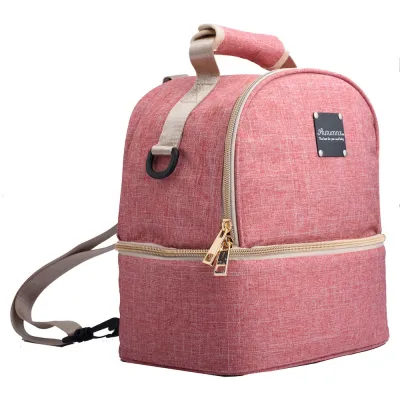
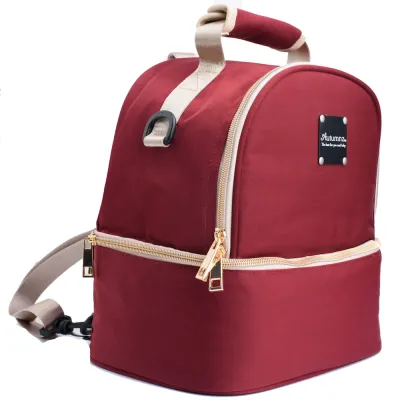
![[ARIA] Breast Pump Pouch | Breast Pump Storage Bag | Breast Pump Bag | Food Storage Bag | Food Container](https://img.lazcdn.com/g/ff/kf/S58e14a65e2f14be1b6f1487bbb0b967cF.jpg_400x400q80.jpg_.webp)
![[Free 2x Ice Packs] V-Coool Insulated Cooler Bag Backpack Mummy Bag For Breastmilk Baby Food Waterproof Large Capacity Diaper Bag Double Deck Breast Pump Accessories Breast Milk Keep Fresh Cold For Working Traveling Outing Daycare by 8miles 3423](https://img.lazcdn.com/g/p/518e31042486de2a6839d846a5232b90.jpg_400x400q80.jpg_.webp)
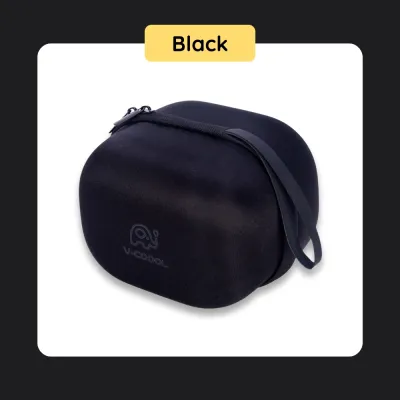
![[Free 2x Ice Packs] V-Coool Insulated Cooler Bag For Breastmilk Handsfree Wearable Pump 2 Layers Breast Milk Storage by 8miles](https://img.lazcdn.com/g/p/5054bbc94b3c77f4f7568f36be353b46.jpg_400x400q80.jpg_.webp)
Prices are valid at publication and may change. Please refer to the product page for the latest price.
Always add a practical buffer of at least 1.5 to 2 centimeters to your final measurements. A bag that matches your pump’s dimensions exactly will be incredibly difficult to pack and unpack. A tight fit forces you to stretch the zippers, which can lead to premature wear or broken teeth. Furthermore, a cramped compartment can put pressure on the pump’s power button, causing the device to turn on accidentally during your commute and drain the battery.
Matching Bag Dimensions to Specific Pump Profiles
Breast pumps generally fall into three distinct design profiles, each requiring a different style of bag. Compact wearable pumps are small and cordless, fitting easily into smaller compartments or compact backpacks. Standard personal double pumps are mid-sized and often require a dedicated side-access pocket so you can pump without removing the motor from the bag. Hospital-grade units are much larger, heavier, and require a deep, structured main compartment with a reinforced base to support the weight.

When shopping for a bag, always look for the internal compartment dimensions rather than the overall external dimensions of the bag. External measurements include the thickness of the padding, outer pockets, and handles, which can make a bag look much larger on the outside than it actually is on the inside. Many manufacturers list specific pocket dimensions; compare these directly with the measurements you took of your pump motor.
The shape of your pump also dictates the type of clearance you need. Rounded or spherical pump bases do not slide easily into flat, rectangular side pockets. If your pump has a circular footprint, it will require a square or cylindrical compartment to prevent the sides of the bag from bulging. A bulging bag not only looks awkward but also puts unnecessary pressure on the internal components of your pump, potentially damaging delicate dials or digital screens.
Evaluating Compartment Layouts for Bottles and Parts
A functional pump bag must organize more than just the motor; it must securely hold your milk storage bottles and collection parts. Check the height and diameter of the bag’s bottle pockets. Standard-neck bottles are narrow and fit into most generic pockets, but wide-neck bottles require wider, more flexible slots. Ensure the pockets are tall enough to keep the bottles upright, minimizing the risk of leaks during transit.
Pumping on the go inevitably results in damp flanges, valves, and connectors. Storing these wet parts alongside your dry electronics or clean clothes is a recipe for mold and damage. Look for bags that feature dedicated wet/dry separation, such as a TPU-lined waterproof pocket or a removable water-resistant pouch. This allows you to store used parts safely until you can wash and sterilize them at home.
Consider the balance between internal and external pockets. While internal pockets keep your pumping gear secure and sterile, external pockets are essential for your daily personal items. Having quick-access pockets on the outside of the bag for your phone, keys, transit cards, and nursing pads means you will not have to unzip the main sterile compartment just to retrieve your wallet during your commute.
Insulation, Materials, and Commute Needs
In warm, tropical climates, maintaining a safe temperature for expressed breast milk is a critical consideration. If your daily commute or work shift is long, evaluate whether the bag has a built-in, high-density insulated cooler compartment. If it does not, verify that the main compartment has enough space to accommodate a separate, standalone insulated cooler bag along with contoured ice packs.
The materials of the bag should be chosen with durability and hygiene in mind. Look for water-resistant exterior fabrics like nylon or treated polyester to protect your expensive electronic pump from sudden downpours. On the inside, wipeable linings are non-negotiable. Accidental milk spills or condensation from ice packs can quickly lead to unpleasant odors and bacterial growth if the fabric cannot be easily wiped clean with a damp cloth.
Your daily commute should dictate the carrying style of the bag. If you walk long distances or travel via public transport systems like buses and trains, a backpack style is generally the most comfortable option. Look for wide, padded shoulder straps that distribute the weight evenly across your back. Handheld totes or single-strap shoulder bags can cause significant muscle strain when loaded with a heavy pump motor, multiple bottles of milk, and heavy ice packs.
Common Sizing and Fit Mistakes to Avoid
One of the most common mistakes is assuming a bag labeled “universal” will fit your specific pump model. “Universal” often means the bag fits standard mid-sized pumps, but it may be far too small for a bulky hospital-grade unit or unnecessarily large and bulky for a compact wearable system. Always verify the actual internal measurements before making a purchase.
Another frequent oversight is forgetting to account for the physical space required by the power brick and tubing. Tubing cannot be bent at sharp angles without risking permanent kinks that restrict airflow and reduce your pump’s suction efficiency. Ensure your bag has enough room to coil the tubing gently without pinching it.
Finally, do not underestimate the total weight of your fully loaded bag. When investing S$50 to S$150 in a specialized pump bag, you want to ensure it serves you comfortably throughout your entire breastfeeding journey. Choosing a bag with thin, unpadded straps or poor weight distribution will quickly lead to shoulder and back discomfort during your daily travels.
Frequently Asked Questions (FAQ)
Can I use a regular laptop bag or diaper bag instead of a dedicated breast pump bag?
Yes, you can use a regular laptop or diaper bag, but you will need to make several adjustments. Standard bags lack the structured, padded compartments designed to protect a heavy pump motor from impact. They also rarely feature waterproof, wipeable pockets for wet parts or insulated sections for milk storage. If you choose to use a non-dedicated bag, you must purchase a separate protective sleeve for your pump motor, a standalone insulated cooler bag, and a waterproof pouch for wet accessories, which will take up significantly more space.
Do wearable breast pumps require a special bag?
While wearable breast pumps are highly compact and do not require a massive bag, they still benefit from dedicated storage. Wearable pumps have delicate, curved flanges and integrated motors that can easily scratch or become damaged if left to roll around loose in a large backpack. Look for a compact bag with padded dividers, or utilize the protective travel cases recommended by the manufacturer. This keeps the left and right pump units separated, protects the power buttons from being pressed accidentally, and keeps charging cables organized.

Community discussion
Share your experience or ask a question. Comments are reviewed before publication.