
Choosing a baby self-feeding set is a significant milestone in your child’s developmental journey. As your baby transitions from milk to solid foods, the right tools can make the difference between a stressful, messy ordeal and an engaging, skill-building experience. The primary goal of a self-feeding set is to foster independence by allowing your baby to explore textures, tastes, and motor coordination at their own pace. To achieve this, parents must look beyond aesthetic appeal and focus on practical, safety-oriented features. Prioritising food-grade materials, reliable suction capabilities, ergonomic utensil designs, and straightforward cleaning requirements ensures that the set supports your baby’s growth while remaining highly functional for daily household use.
What to Expect in a Baby Self-Feeding Set
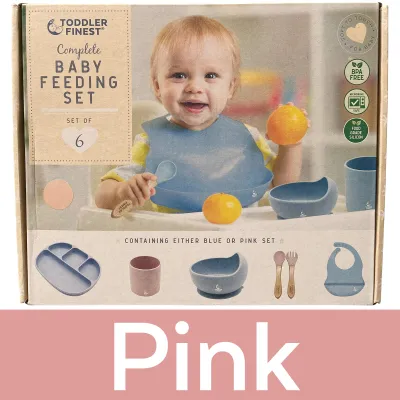
A standard baby self-feeding set typically bundles several essential items designed to guide your child through the initial stages of weaning. The most common inclusions are suction bowls, divided plates, training spoons, and catch-all bibs. Suction bowls are highly effective for early purees, yoghurts, and mashed foods, as the high sides allow babies to scoop food against the wall of the bowl. Divided plates become useful slightly later, allowing you to present different food groups separately, which can encourage sensory exploration and prevent foods from mixing—a common preference for many toddlers. Training spoons are usually soft and shallow, designed to protect sensitive gums, while catch-all bibs feature a wide, open pocket at the bottom to intercept falling crumbs and liquids before they reach your baby’s clothes or the floor.
When evaluating these sets, it is important to assess the overall bundle value rather than simply choosing the largest package. Some comprehensive kits may include items that your baby will not need for several months, such as advanced forks or open training cups. If you are in the very early stages of weaning, buying a smaller, targeted set or purchasing individual pieces may be more practical and cost-effective. This approach prevents your cupboards from becoming cluttered with unused items and allows you to select specific tools that match your baby’s immediate developmental needs.
Products mentioned in this guide
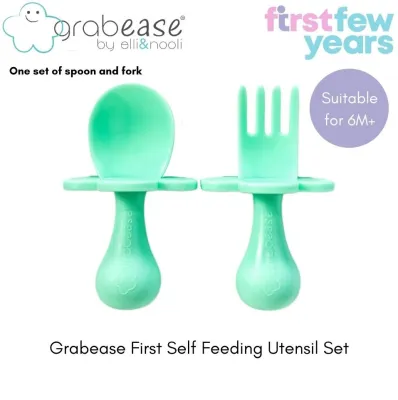
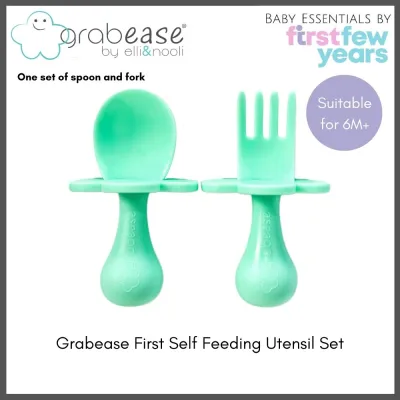
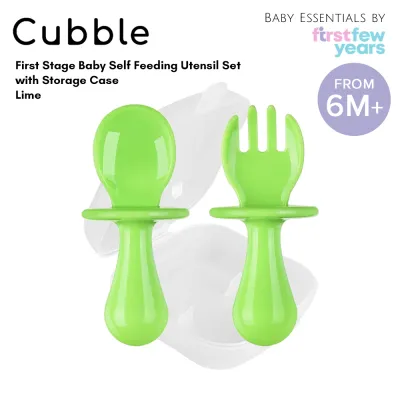
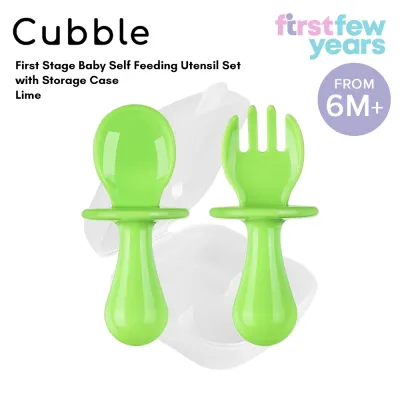
![[SG Seller Local Instock] Baby led weaning self feed utensils set with case anti choke](https://img.lazcdn.com/g/p/444031d76ba04127a8d0b82097892078.jpg_400x400q80.jpg_.webp)
Prices are valid at publication and may change. Please refer to the product page for the latest price.
The material baseline of the set is another critical factor to consider. Most modern weaning products are constructed from food-grade silicone, natural bamboo, or high-quality plastics. When examining packaging or product descriptions, look for clear certifications and safety labels. High-quality silicone should be marked as food-grade, and ideally, comply with strict international standards such as FDA or LFGB regulations. For bamboo items, verify that any binding agents or varnishes used are non-toxic and food-safe. Understanding these material baselines before you buy helps ensure that the surfaces coming into direct contact with your baby’s food are completely safe and durable.
Key Design and Safety Features to Prioritise
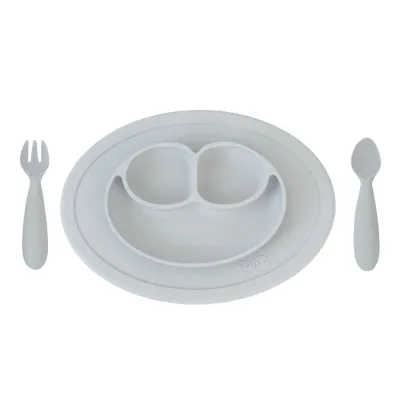
Suction strength is arguably the most sought-after feature in any baby tableware, as it prevents plates and bowls from being tipped over or thrown across the room. However, the effectiveness of a suction base depends heavily on the surface it is placed on. Smooth, flat, and non-porous surfaces—such as plastic high chair trays, polished stone countertops, or glass tables—provide the airtight seal necessary for strong suction. In contrast, textured wood, matte finishes, or surfaces with slight curves allow air to seep under the suction pad, causing it to fail. When choosing a set, look for a wide, flat suction base that covers a large surface area. Additionally, ensure the design includes a discreet release tab. This tab allows caregivers to break the vacuum seal easily when mealtime is over, but it should be positioned away from the baby’s direct line of sight to prevent them from lifting the dish themselves.

Ergonomic utensil design is equally vital for encouraging self-feeding. Standard adult cutlery is far too long, thin, and heavy for a baby’s developing fine motor skills. Instead, look for training spoons and forks with short, chunky handles that fit naturally into a baby’s palmar grasp. Non-slip textures, such as silicone ridges or contoured grips, help prevent the utensils from slipping out of greasy fingers. For the earliest stages of self-feeding, pre-spoons with textured, flat heads are highly beneficial. These do not require the baby to master the complex wrist-turning motion needed to scoop and balance food; instead, the puree clings to the textured channels, allowing the baby to simply dip and eat. As your baby’s coordination improves, you can transition to shallow-bowled spoons and forks with rounded, blunt tines that can pierce soft foods safely without risking injury to the mouth or gums.
Material safety verification must never be overlooked. Always inspect the product packaging or manufacturer specifications for explicit safety declarations. Ensure that all components are certified free from Bisphenol A (BPA), polyvinyl chloride (PVC), phthalates, and lead. Furthermore, check the manufacturer’s stated temperature resistance limits. High-quality food-grade silicone is exceptionally temperature-resistant, often capable of withstanding temperatures from below freezing up to over 200 degrees Celsius. This thermal stability is crucial because it determines how safely you can sterilise, heat, or freeze the feeding set without risking material degradation.
Evaluating Daily Convenience and Cleaning Requirements
In a busy household, the practicalities of daily cleaning and maintenance can quickly determine whether a feeding set becomes a kitchen staple or sits forgotten in a drawer. Dishwasher and microwave compatibility are two of the most important convenience factors to verify. Many parents prefer the ease of tossing dirty dishes directly into the dishwasher for a high-temperature clean. While high-quality silicone is almost universally dishwasher-safe, other materials are not. For example, bamboo plates and bowls will warp, split, or crack if subjected to the intense heat and prolonged moisture of a dishwasher cycle. Similarly, check the manufacturer’s instructions before heating food in the microwave. Heating food in non-compatible dishes can damage the material, cause uneven heating that creates dangerous hot spots in your baby’s meal, or lead to premature wear.
Stain and odour resistance are common challenges with baby feeding gear, particularly when serving highly pigmented foods like tomato-based pasta sauces, carrots, or beetroot. Silicone, while highly durable, is a slightly porous material that can absorb food pigments and soapy odours over time. To minimise staining, rinse the dishes immediately after use rather than letting food sit and dry. If your silicone items develop a persistent soapy smell or taste—often caused by dishwashing detergents binding to oil residues—you can manage this by boiling the items in clean water or applying a paste made of baking soda and water. Always refer to the manufacturer’s care guidelines to ensure you do not inadvertently damage the material.
Portability and storage are also key considerations for families on the go. If you frequently travel, visit relatives, or dine out, look for a feeding set that is lightweight and easy to pack. Some sets feature nesting designs where bowls and plates stack compactly together to save valuable cabinet and diaper bag space. Utensils that come with their own travel cases are highly practical, as they keep clean spoons hygienic before use and contain the mess after eating. Additionally, look for flexible silicone bibs that can be rolled up tightly into a compact cylinder, making them easy to tuck into a side pocket of your diaper bag.
Matching Features to Your Baby's Weaning Stage
A baby’s weaning journey is a rapid developmental progression, and the tools they use should evolve alongside their growing physical capabilities. During the early weaning stage, which typically begins around six months, your baby is introduced to smooth purees and soft mashes. At this point, their grasp is still developing, and they are primarily learning how to swallow from a spoon. For this stage, prioritise shallow suction bowls that make it easy for you or your baby to scoop up soft foods. Pair these with soft, flexible pre-spoons that double as teethers to soothe sore gums. Full-coverage bibs with deep, rigid pockets are also essential during this phase, as purees tend to drip and run easily.
As your baby advances to self-feeding, usually between nine and twelve months, they will begin exploring finger foods, thicker textures, and more complex motor skills. This is the ideal time to transition to divided plates, which allow you to present a variety of foods—such as soft-cooked vegetables, grains, and proteins—in distinct compartments. This separation helps babies identify different tastes and textures individually, supporting cognitive and sensory development. During this stage, introduce training spoons with slightly deeper bowls and forks with blunt, rounded tines that allow them to practice the mechanics of scooping and piercing. You can also introduce spill-proof straw cups or open training cups with weighted bases to help them transition away from bottles.
To make the best purchasing decision, create a conditional checklist that maps the features of a feeding set against your baby’s current motor skills and your specific mealtime environment. For example, if your baby has a strong grasp but struggles with hand-to-mouth coordination, focus heavily on short, textured utensil handles. If your high chair tray has a very limited surface area, measure it carefully before buying a large divided plate, as a plate that overlaps the edges of the tray will not be able to form a secure suction seal. Tailoring your choices to these specific, observable conditions ensures that the set you buy is immediately useful and supportive of your baby’s progress.
Final Safety and Compatibility Checks Before Purchase
Before making your final purchase, conducting a thorough safety and compatibility check is essential to protect your baby and ensure the longevity of the product. First, always cross-reference the manufacturer’s recommended age and developmental guidelines with your baby’s actual physical readiness. While age labels on packaging provide a helpful general guide, every baby develops at their own pace. If your baby cannot yet sit upright with minimal support or shows no interest in food, they may not be ready for a self-feeding set. Caregiver supervision is always required during mealtimes, and you should stop using any item immediately if your baby shows signs of distress.
Next, physically inspect the feeding set for potential hazards. Check for any small, detachable parts that could pose a choking risk, such as removable suction bases that are not securely bonded. Examine the joints of multi-material items, such as a silicone spoon head attached to a wooden handle, to ensure they are tightly sealed and cannot trap water or food particles, which can lead to mold growth. Ensure that all edges on plates, bowls, and utensils are completely smooth, with no sharp plastic flashing or rough wooden splinters.
Finally, carefully review the manufacturer’s care instructions. Understanding the expected lifespan of the materials helps you know when it is time to retire an item. While high-quality silicone is incredibly durable, it can be cut by sharp metal knives or degraded by harsh chemical sterilisers. Inspect the set regularly for signs of wear, such as cracking, peeling, stickiness, or deep scratches. If you observe any of these signs of degradation, replace the affected items immediately to maintain a safe and hygienic feeding environment.
Frequently Asked Questions (FAQ)
When is my baby ready for a self-feeding set?
Your baby is generally ready to interact with a self-feeding set when they demonstrate key developmental milestones rather than reaching a specific chronological age. Look for observable signs of physical readiness, such as the ability to sit upright with minimal support, good head and neck control, and a keen interest in the food on your plate. Another important milestone is the development of the pincer grasp, where your baby attempts to pick up small objects using their thumb and forefinger, and the natural instinct to bring hands and toys to their mouth. These physical cues indicate that their coordination is developing sufficiently to begin exploring weaning utensils. Always consult your paediatrician or a qualified healthcare professional to confirm your baby’s readiness before introducing solid foods or self-feeding tools.
Silicone vs. bamboo: which material suits your routine?
Choosing between silicone and bamboo depends on your household’s daily routine, cleaning preferences, and dining setup. Food-grade silicone is highly flexible, virtually unbreakable, and generally safe for use in the dishwasher, microwave, and freezer, making it an incredibly convenient option for busy parents. However, silicone can sometimes retain soapy odours or food stains if not washed promptly. Bamboo offers a beautiful, natural aesthetic and a rigid structure that some babies find easier to scoop against, but it requires more hands-on maintenance. Bamboo items must be hand-washed, dried immediately, and occasionally treated with food-safe oil to prevent cracking. Additionally, bamboo plates typically rely on detachable silicone suction rings, which must be removed and cleaned separately to prevent mold. Match these material traits to your willingness to hand-wash dishes and the surface texture of your high chair tray.

Community discussion
Share your experience or ask a question. Comments are reviewed before publication.