
Caring for a newborn involves managing many delicate tasks, but few cause as much anxiety for new parents as trimming tiny fingernails. A baby’s nails are incredibly soft and thin, yet they grow surprisingly fast and can easily become sharp, leading to accidental scratches on their sensitive face. Choosing the right baby nail trimmer is essential to make this routine grooming task safe, efficient, and stress-free for both you and your infant. By focusing on key safety mechanisms, ergonomic designs, and age-appropriate features, you can confidently select a tool that protects your baby’s delicate skin while keeping their nails neatly trimmed.
Quick Guide to Choosing a Baby Nail Trimmer
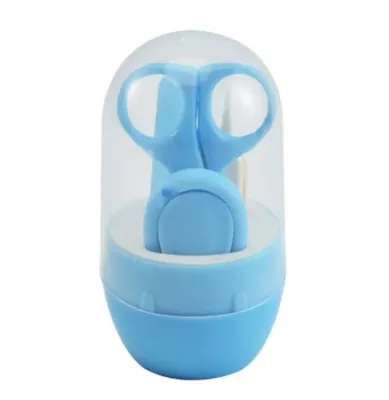
When you are a busy parent, finding the right grooming tool quickly is a priority. The most critical factor to consider is how the trimmer protects your baby’s skin from accidental cuts and friction burns. Electric baby nail trimmers use rotating cushioned pads to file nails gently, making them highly suitable for newborns and active infants. Manual clippers, on the other hand, offer precise cutting control but require a steady hand and excellent visibility.
To make an informed decision, look for electric files equipped with pressure-sensitive auto-stop features that halt the motor if too much force is applied. If you prefer manual clippers, prioritize models with built-in safety guards, curved blades, or spyholes that let you see the nail clearly before cutting. Additionally, ensure the trimmer comes with age-appropriate attachments, such as color-coded grinding pads with varying grit levels, to accommodate your baby’s growing and hardening nails over time. Finally, choose a power source—whether battery-operated or manual—that fits your lifestyle and comfort level.
Products mentioned in this guide
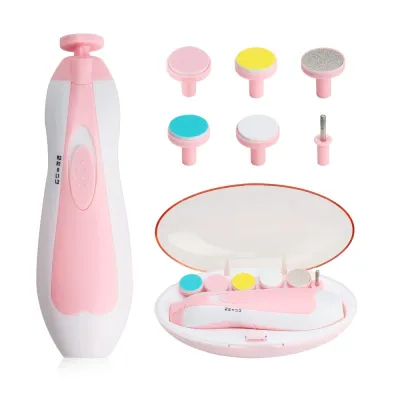
![[SG SELLER] Electric Baby Nail Trimmer with LED Light 6 in 1 Baby Nail File Kit No Claws Hurt for Newborn Toddler](https://img.lazcdn.com/g/p/02552c6b2758eefb2cb6fa7e9c4e898d.jpg_400x400q80.jpg_.webp)

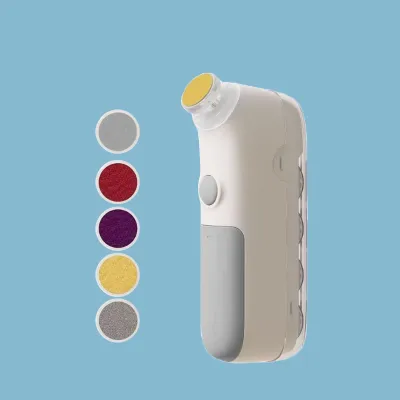
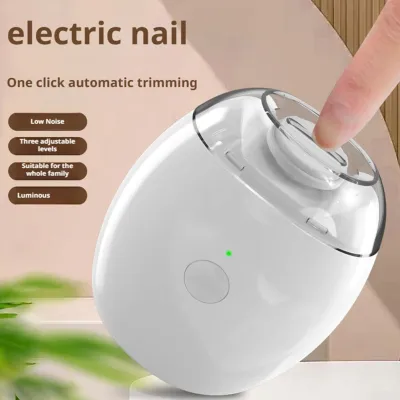
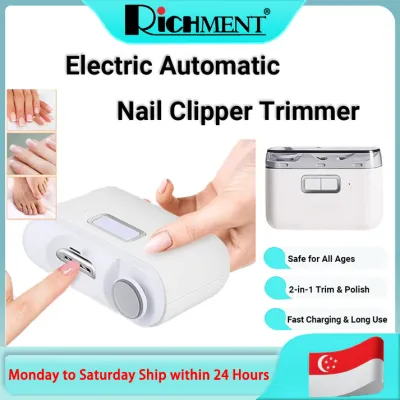
Prices are valid at publication and may change. Please refer to the product page for the latest price.
Electric vs. Manual Baby Nail Trimmers: Which Type Suits Your Needs?
Deciding between an electric baby nail trimmer and a manual clipper depends largely on your personal comfort level, your baby’s temperament, and their developmental stage. Both tools have distinct operational characteristics, advantages, and limitations that caregivers must weigh carefully.

Electric baby nail trimmers are battery-operated devices that file down the nail using rotating, cushioned abrasive pads. One of the primary benefits of an electric trimmer is its gentle action, which significantly reduces the risk of cutting the skin compared to sharp blades. When evaluating electric models, pay close attention to the motor speed, vibration levels, and noise output. A high-quality electric trimmer should offer multiple speed settings, allowing you to start with a gentle speed for newborns and increase it as the child grows. Low vibration is crucial, as excessive shaking can startle a sensitive baby. Furthermore, a quiet motor is essential if you plan to trim your baby’s nails while they are asleep, which is a common strategy for many parents.
Manual baby nail clippers are traditional grooming tools scaled down for infant fingers and toes. They rely on sharp, curved blades and physical leverage to clip the nail in a single, clean motion. The main advantage of manual clippers is the absolute control they provide over the exact cutting line, along with silent operation that requires no batteries or charging. However, manual clippers require a high degree of precision and a calm, cooperative baby. If your infant tends to squirm or wiggle during grooming, the risk of accidentally nicking the surrounding skin with manual blades is considerably higher than with an electric file.
For many families, a hybrid approach works best. Electric files are exceptionally safe and reassuring during the first few months of life when a newborn’s nails are paper-thin and their movements are highly unpredictable. As the baby grows into a toddler and their nails become thicker and harder, manual clippers often become more efficient for quick trims. Understanding these practical pros and cons allows you to choose the tool—or combination of tools—that best matches your caregiving scenario.
Essential Safety Features to Check Before Buying
Safety is the absolute priority when selecting any baby grooming product. Because an infant’s skin is incredibly delicate and sits very close to the nail bed, standard grooming tools can easily cause painful nicks. When shopping for a baby nail trimmer, look for specific, non-negotiable safety features designed to prevent accidental injury.
If you are choosing manual clippers, look for models that feature protective guards or physical barriers. These guards are designed to limit the amount of nail that can enter the cutting area, preventing you from cutting too close to the quick. Curved blades are another essential design element, as they match the natural rounded shape of a baby’s fingertip, reducing the risk of leaving sharp corners that could scratch the skin. Some innovative manual clippers also include a “spyhole” or a small viewing window built into the clipper head. This window allows you to see exactly where the blade meets the nail, giving you full visual confirmation before you apply pressure to cut.
For electric trimmers, the most critical safety mechanism is an automatic stop or pressure-sensitive function. This feature ensures that if the rotating grinding pad accidentally comes into contact with the baby’s skin or if you press too hard, the motor immediately stops spinning. This prevents friction burns, skin irritation, and discomfort. Before using an electric trimmer on your baby, it is highly recommended to test this auto-stop feature on your own palm or fingertip to verify how easily the motor halts under pressure.
Beyond these mechanical features, parents must verify the safety credentials of the product itself. Always inspect the product packaging for recognized safety marks, manufacturer details, and clear age-grade warnings. These markings indicate that the product has undergone quality checks and is constructed from non-toxic, baby-safe materials. Avoid purchasing unbranded or cheaply made trimmers that lack clear safety labeling, as they may have poorly aligned blades, weak battery compartments, or motors that do not stop under pressure.
Design and Ergonomics for Stress-Free Nail Care
The physical design and ergonomics of a baby nail trimmer play a significant role in how comfortable and confident you feel during the grooming process. A well-designed tool minimizes hand fatigue, improves visibility, and helps keep your baby calm.
Ergonomic handles and non-slip grips are essential for maintaining steady control. Look for trimmers that feature textured rubber grips or contoured handles that fit comfortably in your hand. This is particularly important because baby nail care often requires precise, micro-movements, and a slippery plastic handle can easily lead to a slip of the hand. Angled handles on manual clippers are also highly beneficial, as they allow you to hold the tool at an angle that does not block your line of sight, giving you a clear view of the tiny fingernail you are trimming.
Another highly practical design feature is a built-in LED light. Many electric trimmers feature a small, soft LED light positioned at the tip of the device, pointing directly at the grinding pad. This light is incredibly useful for trimming your baby’s nails in low-light conditions, such as in a darkened nursery while they are sleeping. Ensure the light is bright enough to illuminate the nail clearly but soft enough that it will not disturb a sleeping baby or cause glare if they happen to open their eyes.
Finally, consider the noise level of the motor in electric models. A loud, buzzing motor can easily frighten an infant, turning a routine grooming session into a battle. Look for trimmers that specify whisper-quiet operation. A quiet motor, combined with low vibration, helps keep the environment calm and reassuring, allowing you to trim your baby’s nails quickly and peacefully without causing them unnecessary stress.
Age and Developmental Considerations
As your baby grows, their nails undergo significant changes in thickness, hardness, and growth rate. A grooming tool that works perfectly for a newborn may become less effective or even unsafe as your child transitions into toddlerhood. Understanding these developmental stages is key to choosing a versatile trimmer.
During the newborn stage, a baby’s nails are extremely soft, pliable, and grow at a rapid pace. Because they are so thin, manual clippers can sometimes tear the nail rather than cut it cleanly. For this reason, gentle filing with an electric trimmer is often the most suitable method during the first few weeks. As your baby grows older, their nails gradually harden and become thicker, requiring a slightly more robust approach to keep them short and smooth.
To accommodate these changes, many electric nail trimmers come with interchangeable grinding pads that are color-coded according to age brackets. These pads feature different levels of grit, ranging from ultra-fine for newborns to coarser grits for older infants and toddlers. It is crucial to use the correct pad recommended by the manufacturer for your baby’s specific age. Using a pad that is too coarse on a newborn can damage their delicate nail bed, while using a pad that is too fine on a toddler will be ineffective and may cause friction heat due to prolonged filing.
Eventually, you will need to transition from gentle files to standard baby clippers as your child’s nails become too thick for grinding pads to manage efficiently. This transition typically occurs around the toddler stage. When making this switch, introduce the manual clipper slowly, ensuring the child is calm and supervised at all times. Never leave grooming tools within reach of infants or toddlers, as the small parts and sharp edges pose safety risks.
Purchasing Safely in Singapore and Post-Delivery Checks
When purchasing a baby nail trimmer in Singapore, it is important to choose reliable shopping channels and perform thorough quality checks once the product arrives. This ensures you receive a genuine, safe, and fully functional device for your baby’s care.
To avoid counterfeit products or sub-standard safety gear, purchase your baby nail trimmer from authorized brand stores, established local department stores, or reputable online marketplaces. Buying from trusted sources ensures that the materials used are non-toxic and that the device complies with safety standards. Be cautious of extremely low-priced listings on unverified third-party platforms, as these products may lack essential safety features like pressure-sensitive auto-stop motors or secure battery compartments.
Once your trimmer is delivered, perform a series of physical checks before using it on your baby. For manual clippers, inspect the blade alignment closely; the blades should meet perfectly without any gaps or overlapping edges that could tear the nail. For electric models, check the security of the battery compartment. The compartment should be firmly secured, ideally requiring a screw or a highly secure latch to open, ensuring that infants and toddlers cannot access the batteries, which pose a severe choking and chemical hazard.
Additionally, inspect the integrity of the grinding pads. Ensure the abrasive material is firmly adhered to the plastic backing and does not show signs of peeling or loose grit. Finally, verify that all advertised age-specific attachments and accessories are included in the box and match the descriptions in the user manual. If you notice any defects, misalignments, or missing parts, do not use the product and contact the retailer or manufacturer immediately for a replacement.
Frequently Asked Questions (FAQ)
How often should I trim my baby's nails?
Newborn fingernails grow very quickly and may need to be trimmed once or twice a week to prevent them from scratching their face. Toenails, however, grow much slower and generally only require trimming once or twice a month. Regularly check your baby’s nails for sharp edges or length to determine when it is time for a trim.
Can I use a regular adult nail clipper for my baby?
No, you should never use adult nail clippers on a baby. Adult clippers are too large, have blades that do not match the curve of tiny infant fingers, and lack safety features like protective guards or viewing windows. Using adult clippers significantly increases the risk of accidentally cutting your baby’s delicate skin or nail bed.
What should I do if I accidentally nick my baby's skin?
If you accidentally nick your baby’s skin, stay calm. Immediately rinse the area with clean water and apply gentle pressure with a clean, sterile tissue or gauze pad until the bleeding stops. Do not apply adhesive bandages, as these can easily come off and become a choking hazard if the baby puts their fingers in their mouth. If the bleeding does not stop after a few minutes of continuous pressure, or if you notice any signs of redness or swelling later, consult a qualified healthcare professional.

Community discussion
Share your experience or ask a question. Comments are reviewed before publication.