
Managing diaper waste in Singapore’s tropical climate presents a unique set of challenges for parents. The combination of high relative humidity, which frequently exceeds 80 percent, and consistent year-round warmth creates an environment where organic waste decomposes rapidly. This acceleration can quickly turn a standard nursery bin into a primary source of unpleasant household odors. To maintain a fresh and hygienic home, relying on standard household garbage bags is rarely sufficient. Finding the right baby diaper trash bag requires looking beyond generic marketing claims to verify specific sealing mechanisms, material thickness, and daily maintenance routines. By understanding how humidity interacts with plastic barriers and odor molecules, you can establish a reliable disposal system that keeps your living space clean and comfortable.
Key Features to Look for in Odor-Control Diaper Bags
When shopping for a baby diaper trash bag, the primary objective is to find a product that acts as an impermeable barrier to both moisture and gas. In a humid climate, moisture from used diapers can condense inside the bag, carrying odor-causing compounds through thin plastic walls via a process called permeation. To prevent this, you must evaluate the physical and chemical properties of the bags before making a purchase.
First, examine the sealing mechanisms associated with the bag. If you are using individual diaper disposal bags, look for designs that feature secure tie-handles or integrated drawstring closures. These features allow you to create a tight, physical knot that minimizes air exchange between the inside of the bag and your nursery. For bags designed to fit inside dedicated diaper pails, the sealing mechanism often relies on how the bag interfaces with the pail’s rubber gaskets or spring-loaded double lids. You should verify that the bag’s rim is wide and flexible enough to form a flush, airtight seal against these components, preventing odors from escaping every time the lid is opened.
Products mentioned in this guide
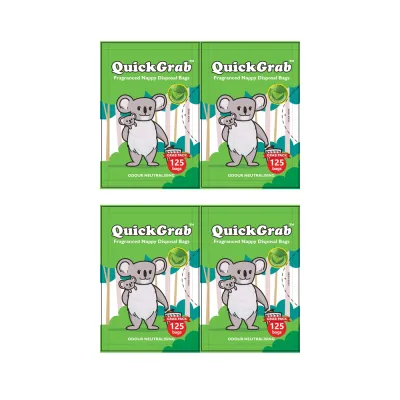
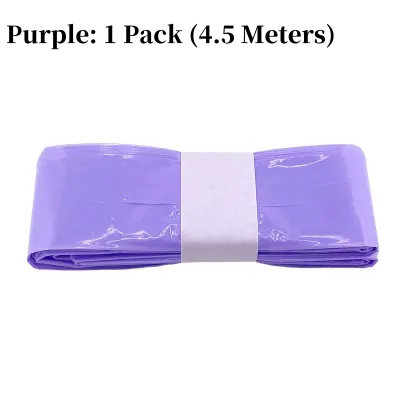
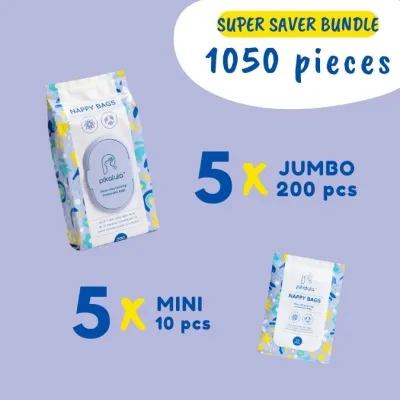
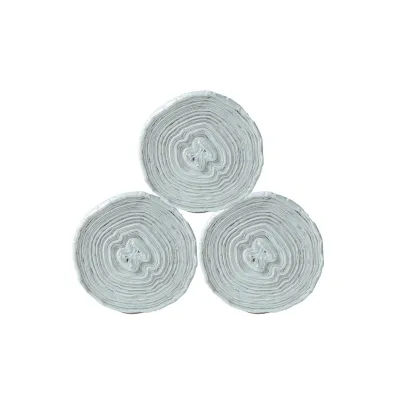
![[Local Store] 100pc/200pcs Scented Multi-purpose Nappy Sanitary Trash Bag](https://img.lazcdn.com/g/p/3113ad4e6cf4b4400463d3fc35ba84f7.jpg_400x400q80.jpg_.webp)
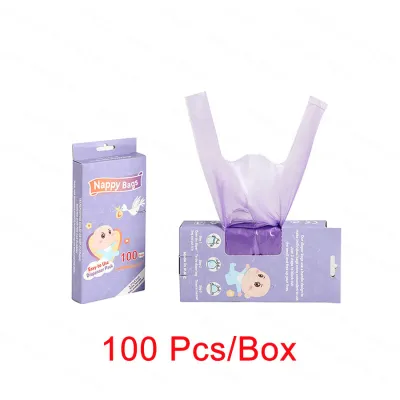
Prices are valid at publication and may change. Please refer to the product page for the latest price.
Material thickness and puncture resistance are equally critical factors. Thin, single-layer bags are highly susceptible to micro-tears from diaper tabs, wipes packaging, or clothing fasteners. Even a microscopic puncture can release concentrated odors into your home. Look for bags constructed from multi-layer barrier films, which typically bond several layers of different plastics together to block gas molecules more effectively than standard low-density polyethylene. While manufacturers do not always list the exact micron thickness on the packaging, you can look for terms like “heavy-duty,” “puncture-resistant,” or “multi-layer technology” as initial indicators, then verify these claims through user reviews.
Another important consideration is the choice between scented and unscented bags. Many parents are tempted to choose heavily fragranced bags to mask unpleasant smells. However, in a warm and humid room, strong artificial scents often mix with diaper odors rather than neutralizing them, resulting in a heavy, cloying fragrance that can be more offensive than the original smell. Furthermore, these synthetic fragrances can irritate the sensitive respiratory systems of newborns and infants. Opting for unscented bags that focus entirely on physical containment and odor absorption is generally a more reliable and safer approach for your baby’s nursery.
Evaluating Bag Compatibility and Disposal Systems
Selecting the right baby diaper trash bag also requires a clear understanding of how the bag fits into your overall waste management setup. Not all diaper bags are created equal, and mismatching your bags with your bin can lead to frequent spills, wasted plastic, and escaped odors.

One of the first decisions you will face is choosing between continuous roll liners and individual bags. Continuous roll liners are designed specifically for certain types of dedicated diaper pails. They allow you to pull down the plastic, tie a knot at the bottom to start a new bag, and cut the liner when the bin is full. This system offers excellent flexibility, as you can empty the pail at any time without wasting an entire pre-sized bag. On the other hand, individual bags are highly portable and convenient for quick, single-use disposal. They are ideal if you prefer to bag each diaper immediately and carry it to an outdoor chute or main bin, or if you use a standard, non-specialized trash can in the nursery.
Sizing and capacity matching are crucial to ensure a secure fit over the rim of your bin. If a bag is too small, the weight of a few wet diapers will pull the edges down, causing the bag to slip and spill waste directly into the interior of the pail. Conversely, an oversized bag creates excess plastic folds around the rim, which can prevent the bin’s lid from closing completely and breaking the airtight seal. To find the correct size, measure the volume of your bin in liters and check the bag packaging for matching capacity ratings. If your bin has an unusual shape, such as a tall, narrow profile, look for bags that specify their dimensions rather than just their volume.
Finally, consider the adaptability of standard baby diaper trash bags within dedicated diaper pails. Some high-end diaper pails are designed to work only with proprietary ring refills, which can become a significant ongoing expense. Other pails are highly adaptable, allowing you to use any standard trash bag or generic diaper refill. If you want to keep your options open, look for a disposal system that supports universal bag compatibility. This allows you to switch brands or opt for more budget-friendly, generic bags if your household needs change.
Daily Usage and Maintenance Tips for Humid Environments
Even the most advanced baby diaper trash bag will fail to control odors if your daily routines do not account for Singapore’s tropical climate. High temperatures and humidity accelerate the growth of bacteria and mold, meaning that waste management practices must be more rigorous than those used in cooler, drier regions.
The most effective way to prevent odor buildup is to adjust your emptying frequency based on environmental conditions rather than bag capacity. In a dry climate, you might wait until a large diaper pail is completely full before changing the bag. In a humid environment, however, leaving organic waste in a sealed container for more than 48 hours can lead to severe odor accumulation and the formation of condensation inside the bin. It is highly recommended to empty your nursery diaper pail every 24 to 48 hours, even if the bag is only half full. This simple habit prevents bacteria from multiplying to a point where the odor permeates the plastic bag or the bin’s inner walls.
The physical placement of your diaper pail also plays a major role in odor control. Avoid placing the bin in direct sunlight, such as near a window in a service yard or balcony, as solar heating will rapidly raise the temperature inside the bin and accelerate decomposition. Similarly, keep the pail away from heat-generating household appliances like refrigerators or washing machines. While it might seem convenient to place the bin in a bathroom, the high humidity from showers can compromise the seals of some diaper pails and encourage mold growth on the exterior of the bags. A cool, dry, and well-ventilated corner of the nursery or hallway is the optimal location.
Regular cleaning of the diaper pail itself is essential to eliminate lingering odors. Over time, microscopic waste particles and condensation can accumulate on the interior surfaces of the bin, creating a persistent smell even when a fresh bag is installed. When cleaning, always consult the manufacturer’s instructions first, as some materials can be damaged by harsh chemical disinfectants, bleach, or boiling water. A safe and effective routine involves wiping down the interior and exterior surfaces with a mild dish soap and warm water solution, followed by a thorough drying process. Ensure the bin is completely dry before inserting a new baby diaper trash bag, as trapped moisture will quickly lead to mildew and musty odors.
Building Your Shortlist: What to Verify Before Buying
With numerous brands claiming to offer effective odor-control solutions, building a shortlist requires a systematic approach to verifying product specifications and performance. By focusing on objective criteria, you can avoid wasting money on ineffective products.
Start by cross-referencing manufacturer specifications with verified buyer feedback on local e-commerce platforms. Look for reviews from parents who specifically mention using the bags in tropical or humid conditions, as these provide a more accurate representation of how the product will perform in your home. Pay close attention to comments regarding the strength of the seams, the ease of tying the bags, and whether odors escape after several hours. If a product has consistent complaints about tearing or weak seals, it is best to remove it from your list.
Next, check the packaging for material composition and thickness indicators. High-quality diaper bags often specify the use of high-density polyethylene (HDPE) or specialized barrier resins. If the packaging does not provide clear information about the material layers or thickness, look for certifications or compliance labels from recognized standards organizations, which indicate that the product has undergone quality control testing. Additionally, consider the environmental impact of the bags; if you prefer biodegradable or compostable options, verify that they meet recognized compostability standards and understand that these materials may have different moisture-resistance properties compared to traditional plastics.
Finally, review the return and refund policies of the retailer or manufacturer before making a bulk purchase. Because odor sensitivity and household setups vary, a bag that works well for one family might not meet your expectations. Purchasing a small trial pack first is a wise strategy to test the bag’s compatibility with your bin and its effectiveness against odors in your specific living space. If you are satisfied with the performance, you can then confidently purchase larger quantities to benefit from bulk pricing.
Frequently Asked Questions (FAQ)
Can I use regular kitchen trash bags instead of a specific baby diaper trash bag?
While you can physically use regular kitchen trash bags, they are generally less effective at controlling diaper odors, especially in a humid climate. Standard kitchen bags are typically made from single-layer, low-density polyethylene, which is highly permeable to gas molecules. This means that even if the bag is tied tightly, odor-causing gases can slowly seep through the plastic over time. Additionally, kitchen bags often lack the puncture resistance required to withstand the sharp edges of diaper tabs or wipes packaging, leading to micro-tears. Specialized baby diaper trash bags are engineered with multi-layer barrier films specifically designed to trap volatile organic compounds and moisture, making them a much more reliable choice for nursery waste management.
How do I know if the diaper pail itself is causing the lingering smell?
If you notice a persistent odor in your nursery even after replacing the baby diaper trash bag, the issue may lie with the diaper pail itself. Over time, plastic can absorb odor molecules, a process known as plastic degradation or odor staining. To diagnose this, perform a visual inspection of the pail’s interior, looking for any signs of discoloration, moisture buildup, or biofilm residue. Check the rubber gaskets and seals around the lid for micro-tears or wear, as damaged seals will allow air to escape. If the empty, washed bin still emits a strong odor when left open in a well-ventilated room, the plastic has likely absorbed the smell, indicating that it requires a deep, specialized cleaning according to the manufacturer’s guidelines or, eventually, replacement.

Community discussion
Share your experience or ask a question. Comments are reviewed before publication.