
Selecting a baby bottle cleaner is not just about finding a soap that bubbles; it is about understanding how different cleaning agents interact with the specific materials of your baby’s feeding gear. Glass, plastic, and silicone each possess unique physical properties that dictate how they respond to chemical formulas and physical scrubbing. Using an incompatible cleaner can lead to surface degradation, cloudiness, trapped milk odors, or stubborn chemical residues that are difficult to rinse away. By matching your cleaner’s ingredients to the specific requirements of your bottle materials, you can maintain the structural integrity of your feeding equipment and ensure a thorough, residue-free clean.
Understanding How Bottle Materials React to Cleaners
Every bottle material has a distinct surface profile that dictates its cleaning requirements and vulnerabilities. Glass is highly valued for its non-porous surface and exceptional chemical resistance. It does not absorb odors or colors, and it tolerates a wide range of temperatures and cleaning agents. However, glass is physically vulnerable to abrasive scrubbers, steel wool, or harsh scouring powders. These abrasive tools can create micro-scratches on the glass surface, which weaken the bottle over time and create microscopic crevices where bacteria and milk proteins can hide.
Plastic bottles, typically made from polypropylene (PP) or polyphenylsulfone (PPSU), require a completely different approach. Plastic is a softer material that is highly susceptible to physical scratching from stiff-bristled brushes. Furthermore, plastic is vulnerable to chemical degradation when exposed to strong solvents, highly alkaline formulas, or high-concentration alcohols. These harsh chemicals can cause the plastic to cloud, develop a sticky texture, or undergo surface breakdown, which compromises the longevity of the bottle.
Products mentioned in this guide
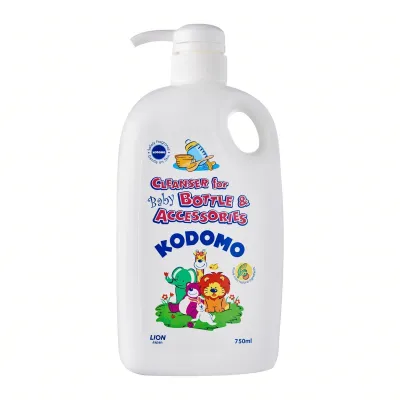
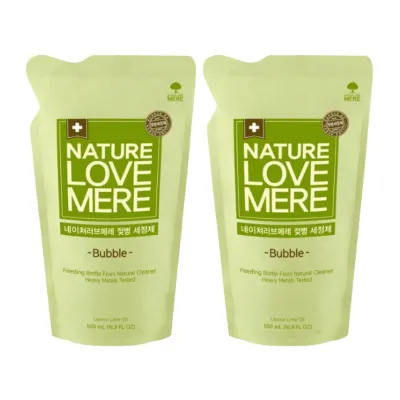
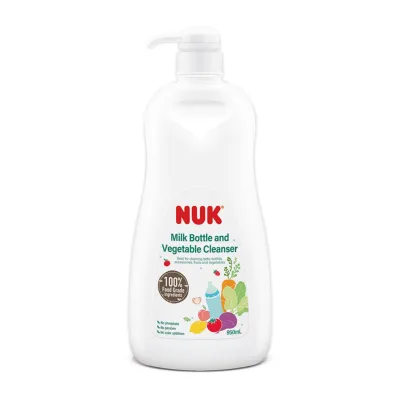
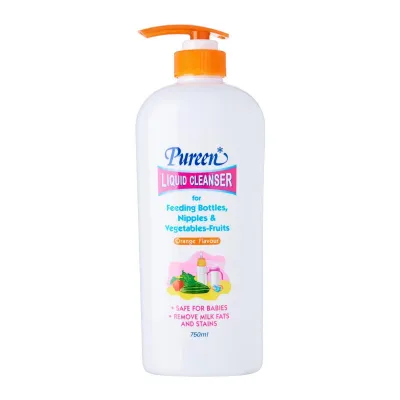
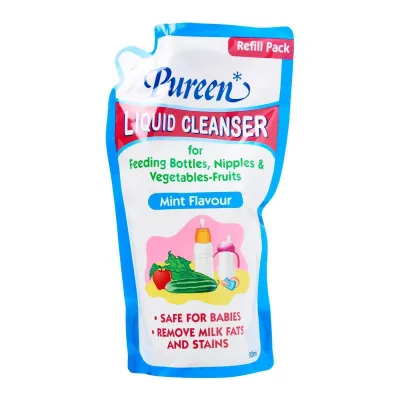
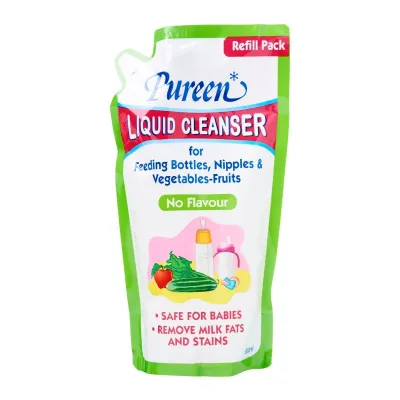
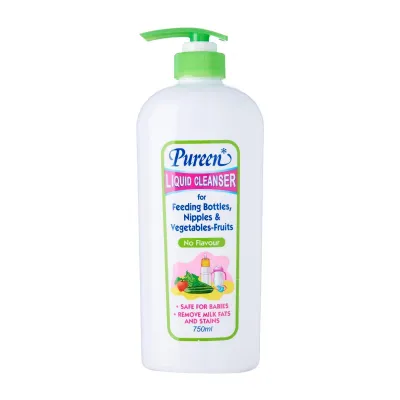
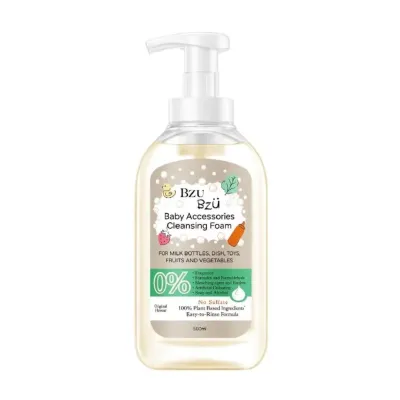
Prices are valid at publication and may change. Please refer to the product page for the latest price.
Silicone is increasingly popular for bottle bodies, nipples, and sealing rings due to its flexibility and durability. However, silicone is a porous material that easily absorbs hydrophobic substances, such as milk fats and artificial fragrances. If a cleaner does not contain effective fat-cleaving agents, a greasy film can build up on the silicone surface. Conversely, if the cleaner contains strong artificial perfumes, the silicone will absorb these scents, leading to lingering odors that can affect the taste of the milk during subsequent feedings.
Key Ingredients to Look for and Avoid by Material
Navigating the ingredient list on a baby bottle cleaner is essential for protecting your feeding gear. For plastic bottles, you should actively avoid harsh solvents, high-concentration alcohols, and coarse physical abrasives. Instead, look for mild, plant-based surfactants, such as alkyl polyglucosides (derived from coconut or corn), which break down surface tension and lift away milk residues without degrading the plastic polymer. These plant-based options rinse away cleanly, leaving no chemical film behind.

When cleaning glass bottles, you have more flexibility with chemical formulations, but physical care remains paramount. Prioritize formulas that are explicitly labeled as food-contact safe and designed for easy rinsing. Because glass easily shows water spots and chemical residues, choosing a cleaner with excellent rinsability prevents hard water minerals or soap salts from bonding to the surface. Avoid using heavy scouring powders or abrasive cleaning creams, as these will dull the glass over time.
For silicone bottles, nipples, and accessories, the primary goal is to avoid scent absorption and fat buildup. You should strictly avoid cleaners that contain heavy artificial fragrances, synthetic dyes, or specific essential oils, as silicone will readily absorb these compounds. Instead, opt for unscented, fragrance-free formulas. Cleaners utilizing natural enzymes, such as amylase and protease, are highly effective for silicone because they target and break down complex milk proteins and fats without requiring harsh scrubbing or leaving a scented residue.
As a universal rule, always cross-reference the cleaner’s ingredient list and instructions with the bottle manufacturer’s care guidelines. Manufacturers often specify pH limits or warn against certain chemical groups that could void warranties or accelerate material aging. Taking a moment to verify compatibility prevents accidental damage to your feeding system.
Step-by-Step Guide to Matching Your Cleaner to Your Bottles
Selecting the right cleaner does not have to be complicated if you follow a systematic approach to evaluate your feeding inventory.
Step 1: Inventory your feeding gear. Take note of the primary materials used in your household. You might use glass bottles but pair them with silicone nipples and plastic collar rings. Recognizing this mix is crucial because your cleaning routine must accommodate the most sensitive material in the assembly, which is typically the silicone nipple or the plastic collar.
Step 2: Review the manufacturer’s care manuals. Check the documentation for each bottle brand you own. Look for explicit warnings regarding pH levels, sterilization limits, or chemical exclusions. Some manufacturers warn against specific plant extracts or enzymes, while others mandate the use of mild, neutral-pH detergents to preserve the clarity of their plastics.
Step 3: Compare candidate cleaners against your material needs. If you manage a mixed-material collection, prioritize multi-material compatible formulas. Look for a mild, fragrance-free, plant-based liquid cleaner that is certified food-safe. This ensures you can use a single bottle of cleaner for glass, plastic, and silicone parts without needing to switch products mid-wash.
Step 4: Conduct a small-scale test. Before committing your entire bottle inventory to a new cleaner, test it on a single bottle or accessory. Wash, rinse, and dry the item according to the cleaner’s instructions. Observe the surface closely under direct light for any changes in texture, loss of clarity, sticky residues, or lingering soapy odors. If the material remains clear, smooth, and scent-free, the cleaner is suitable for regular use.
Signs Your Current Cleaner Is Damaging Your Bottles
Regularly inspecting your baby bottles is key to identifying early signs of material incompatibility before the bottles become unusable.
For plastic bottles, the most common indicators of damage include a persistent cloudy appearance that does not disappear after washing, a sticky or tacky film on the exterior, or fine micro-scratches visible when held up to the light. If you find that you cannot remove stubborn milk odors even after a thorough wash, the plastic may have developed microscopic surface degradation that is trapping organic matter.
Silicone components show damage differently due to their elastic nature. Watch for physical discoloration, such as yellowing, or a noticeable loss of elasticity in the nipples. If the silicone surface feels sticky or tacky to the touch, or if it retains a strong perfume scent from your dish soap long after drying, the material has absorbed the cleaner’s chemical compounds, indicating that the soap is too harsh or highly fragranced.
Glass bottles are highly durable, but they are not completely immune to cleaning mishaps. Check your glass bottles for a persistent white, cloudy film, which often indicates a chemical reaction between hard water minerals and specific cleaner salts. Additionally, inspect the glass for new surface scratches or chips, which are typically caused by using stiff metal-backed bottle brushes or abrasive cleaning powders.
If you observe any of these signs of material degradation, peeling, structural weakening, or persistent chemical smells, stop using the cleaner immediately. Consult the bottle manufacturer’s customer service or user guide to identify a compatible alternative and determine if the damaged bottles or nipples need to be replaced.
Frequently Asked Questions (FAQ)
Can I use regular dish soap instead of a dedicated baby bottle cleaner?
Regular household dish soaps are formulated to strip heavy grease from adult cookware and often contain strong synthetic fragrances, artificial dyes, and highly concentrated surfactants. These ingredients can leave a thin, invisible chemical residue on baby bottles, which is particularly problematic for porous silicone nipples and soft plastics that easily absorb scents and chemicals. Dedicated baby bottle cleaners are typically formulated with mild, plant-based, food-grade ingredients that rinse away completely without leaving behind synthetic fragrances or chemical films, making them much safer for infant feeding accessories.
Do I need a separate cleaner for silicone nipples and glass bottles?
You do not necessarily need two separate cleaning products, provided you choose a single, high-quality, multi-surface formula. A mild, fragrance-free, plant-based cleaner with natural enzymes can safely clean both the non-porous glass bottle body and the highly absorbent silicone nipple. However, you must adjust your cleaning tools; use a soft sponge or a silicone brush for both materials, as a stiff, abrasive wire brush can scratch the glass and tear or degrade the delicate silicone nipple.
How do I remove milk fat buildup from plastic bottles without scratching them?
To remove stubborn milk fat buildup from plastic bottles without causing scratches, avoid using abrasive scrubbers or harsh scouring powders. Instead, soak the plastic bottles in warm water mixed with a mild, enzyme-based baby bottle cleaner for ten to fifteen minutes. The enzymes will naturally break down the milk proteins and fats, allowing you to gently wipe the residue away using a soft-bristled silicone brush or a microfiber cloth. Always check your bottle manufacturer’s guidelines before using any soaking solutions or alternative cleaning methods.

Community discussion
Share your experience or ask a question. Comments are reviewed before publication.