
Expressing breast milk is a journey that requires both patience and the right equipment. For many parents, Spectra breast pumps and bottles are the cornerstone of this daily routine. Properly assembling, using, and maintaining these components ensures that your baby receives uncontaminated milk while keeping your equipment functioning at its peak performance.
Every component of your pumping setup plays a specific role in maintaining hygiene and suction. A minor misalignment or a tiny tear in a silicone valve can lead to a frustrating drop in milk expression or a compromised feeding experience. By establishing a structured, hygienic routine for your Spectra bottles and pump parts, you protect your baby’s health and make your pumping sessions far more efficient. This guide walks you through the essential steps of preparation, usage, cleaning, and replacement to help you navigate your feeding journey with confidence.
Preparing and Assembling Your Spectra Bottles and Pump Parts
Before assembling your equipment, prepare a clean workspace. Wash your hands thoroughly with soap and water for at least twenty seconds, and dry them with a clean paper towel. Gather all necessary components, including the Spectra bottles, breast shields (flanges), backflow protectors, silicone valves, and tubing. Lay them out on a clean, dry surface to inspect each piece. Look closely for any residual moisture, dust, or signs of physical damage such as cracks, tears, or warping. If any part appears compromised or damp, set it aside and use a clean, dry replacement.
Products mentioned in this guide


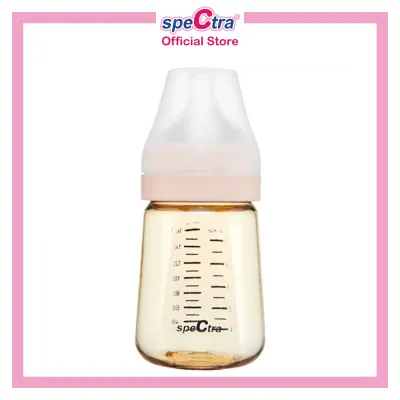



Prices are valid at publication and may change. Please refer to the product page for the latest price.
The assembly sequence must be performed carefully to ensure an airtight seal, which is vital for maintaining the pump’s suction. Start by assembling the backflow protector, which acts as a physical barrier between your breast milk and the pump motor. Press the silicone diaphragm firmly into the plastic casing. Ensure the edges of the diaphragm are completely tucked into the rim of the casing to prevent air leaks. Once the diaphragm is secure, snap the backflow protector cap onto the casing.
Next, focus on the breast shield and valve assembly. Take the silicone valve—typically a duckbill valve—and attach it to the nozzle on the underside of the breast shield. Push the valve upward until it fits securely, but handle it gently to avoid tearing the delicate silicone opening. Once the valve is in place, screw the breast shield assembly onto the neck of your Spectra bottle. Align the threads carefully to avoid cross-threading, which can cause milk to leak during your session. Finally, insert the stem of the backflow protector into the rear port of the breast shield, and connect the tubing from the pump motor to the backflow protector cap.
Before turning on your pump, perform a quick visual check of all connections. The backflow protector should be firmly seated in the breast shield, the valve should point straight down into the bottle, and the bottle itself should be screwed on tightly. If you are using a specific Spectra model, such as the S1, S2, or the portable 9 Plus, consult your user manual to verify if there are any unique assembly steps or part variations. Ensuring a precise fit across all connections maximizes suction comfort and prevents accidental spills.
Best Practices for Using Spectra Bottles During Pumping and Feeding
Achieving a comfortable and productive pumping session starts with proper positioning. Sit in a comfortable, supportive chair and center the breast shield over your nipple. Your nipple should align directly with the tunnel of the flange without rubbing against the sides. Hold the breast shield and bottle assembly firmly against your breast to create a secure seal, but avoid pressing too hard, as excessive pressure can compress milk ducts and restrict flow. Tilt the bottle slightly downward so that the expressed milk flows easily past the valve and directly into the bottle, minimizing the risk of milk pooling in the flange.

As you begin pumping, monitor your milk flow and adjust the pump settings to match your body’s natural response. Start in the massage or stimulation mode, which uses fast, shallow cycles to mimic a baby’s initial latch and trigger the let-down reflex. Once milk begins to flow consistently, switch to the expression mode, which features slower, deeper cycles. Gradually increase the vacuum level to your personal comfort zone. Pumping should never be painful; if you experience discomfort, lower the vacuum setting immediately or check that your flange size is correct.
Safe handling of your expressed milk immediately after pumping is essential for preserving its nutritional value. Once you have finished your session, turn off the pump motor before removing the breast shields from your breasts to release the vacuum gently. Carefully unscrew the Spectra bottles from the flanges, keeping them upright to prevent spills. Seal each bottle immediately with a compatible, airtight storage cap. If you are in Singapore’s warm and humid climate, do not leave expressed milk at room temperature for extended periods; place the sealed bottles in a refrigerator or a cooler bag with ice packs promptly to inhibit bacterial growth.
If you plan to transition directly from pumping to feeding, you can convert your Spectra bottles into feeding bottles using compatible nipples and collars. Spectra wide-neck bottles are designed to accommodate several standard wide-neck nipple brands, but you must verify the fit to ensure there are no leaks. Choose a nipple flow rate that is appropriate for your baby’s age and feeding pace; newborns typically require a slow-flow nipple to prevent choking. Always test the temperature of the milk on the inside of your wrist before feeding your baby, and supervise the feeding session closely to ensure safety.
Step-by-Step Cleaning and Sterilizing Routine
Maintaining a rigorous cleaning routine is one of the most important aspects of using baby bottles and pump parts. As soon as you finish pumping or feeding, disassemble all components completely. Separating every part, including the valves, backflow protectors, and bottle collars, is crucial because milk residue can easily become trapped in tight crevices. Rinse all parts under cool, running water immediately to wash away residual milk proteins. This initial rinse prevents milk from drying and forming a stubborn film that can harbor harmful bacteria.
For the main washing step, hand-washing is highly recommended to preserve the integrity of your parts. Fill a dedicated wash basin with warm, soapy water, using a mild, fragrance-free dish soap. Avoid washing pump parts directly in the kitchen sink, as sinks frequently contain bacteria from raw food and household waste. Use a soft-bristled brush reserved exclusively for baby items to gently clean the interior of the bottles and breast shields. Be exceptionally gentle when cleaning silicone valves; do not insert brushes or fingers directly into the delicate opening of a duckbill valve, as this can easily tear or stretch the silicone, ruining its ability to hold suction.
While hand-washing is ideal, some parents prefer the convenience of a dishwasher. Before placing any parts in the dishwasher, consult the manufacturer’s labels to verify which components are dishwasher safe. Generally, hard plastic items like Spectra bottles and breast shields can be placed on the top rack of the dishwasher on a standard wash cycle. However, small, lightweight silicone parts, such as duckbill valves and backflow protector diaphragms, should never be left loose in the dishwasher. They can easily be swept away by water jets, fall onto the heating element, and melt. If you choose to wash them in the dishwasher, always secure them inside a closed, top-rack-safe mesh basket.
Sterilization provides an extra layer of protection, which is especially important for newborns, premature infants, or babies with weakened immune systems. You can sterilize your clean Spectra parts using steam sterilizers, boiling water, or UV sterilizers. However, you must verify which specific silicone or plastic parts are compatible with high heat or UV exposure by checking the product instructions. Some silicone components may degrade or discolor faster when subjected to frequent UV sterilization, while certain plastics may warp if exposed to excessive heat.
After washing and sterilizing, proper drying is essential to prevent the growth of mold and bacteria, which thrive in damp environments. Place all components on a clean, dedicated drying rack or a fresh paper towel in a well-ventilated area. Allow the parts to air-dry completely before reassembling or storing them. Avoid using cloth towels to dry the parts, as towels can transfer lint, dust, and microorganisms onto the clean surfaces. Once every piece is thoroughly dry, store them in a clean, dust-free cabinet or a sealed container to keep them protected until your next session.
When to Replace Spectra Bottles and Wear Parts
Even with meticulous care, breast pump parts and bottles do not last indefinitely. Regular use, cleaning, and sterilization cause materials to degrade over time, which can compromise both hygiene and pump performance. Performing a regular visual inspection of your plastic bottles is an important habit. Look for signs of wear such as deep scratches, cloudiness, cracks, or persistent discoloration. Deep scratches in plastic are particularly concerning because they can harbor bacteria and milk residue that standard cleaning cannot reach. If you notice any structural damage or permanent cloudiness, replace the bottles immediately.
Silicone components, including duckbill valves, backflow protector diaphragms, and breast shield inserts, require even more frequent inspection. Because silicone is highly flexible, it gradually loses its elasticity and stretches out with regular use. Check these parts weekly for tiny tears, chips, or a loose fit on their connecting ports. A microscopic tear in a duckbill valve or a stretched backflow diaphragm might not be easily visible at a glance, but it will manifest as a sudden, unexplained drop in your pump’s suction power. If your pump feels weaker than usual, the silicone parts are often the first things you should inspect and replace.
To maintain optimal performance, familiarize yourself with the manufacturer-recommended replacement timelines for consumable parts. While actual lifespans depend on how often you pump and your cleaning methods, general guidelines suggest replacing silicone duckbill valves every 1 to 3 months, and backflow protector diaphragms every 3 to 6 months. Breast shields and bottles typically last longer but should be replaced if they show physical wear or if you need a different flange size as your body changes. Keeping a spare set of valves and diaphragms on hand prevents unexpected disruptions to your pumping routine.
When purchasing replacement parts, always ensure they are authentic Spectra components or verified compatible parts designed specifically for your pump model. Using counterfeit or poorly fitting third-party parts can lead to poor suction, milk leaks, or even damage to your pump motor. Verify the compatibility of the parts by checking the product packaging, official manufacturer listings, or consulting customer support. Investing in genuine, high-quality replacement parts ensures that your pumping system remains safe, hygienic, and fully functional for as long as you need it.
Frequently Asked Questions (FAQ)
Can I use Spectra bottles directly for baby feeding?
Yes, Spectra wide-neck bottles are designed to be compatible with several wide-neck nipples and collars. However, you must verify the manufacturer’s guidelines to ensure a secure, leak-free fit. Always select a nipple flow rate that matches your baby’s age and feeding development. If you notice any leaking around the collar or if the baby struggles with the flow, consult a lactation consultant or pediatrician, and verify the assembly of the nipple and collar.
Are Spectra bottles and pump parts dishwasher safe?
Many Spectra components, such as the plastic bottles and breast shields, are labeled as top-rack dishwasher safe. However, small silicone parts like duckbill valves and backflow diaphragms are highly delicate and can easily be damaged or lost in a dishwasher cycle. It is highly recommended to hand-wash these small silicone parts or place them in a secure, closed dishwasher basket. Always check the specific packaging or manual for your parts, as heat settings and dishwasher detergents can affect the longevity of the plastics and silicone.

Community discussion
Share your experience or ask a question. Comments are reviewed before publication.