
Choosing the right disposable diaper in Singapore involves balancing performance, skin compatibility, and cost. Skinature diapers position themselves as a premium, skin-conscious option, but whether they outperform other mainstream brands depends entirely on your baby’s unique physical needs, growth stage, and daily routine. Before purchasing a bulk carton, parents should carefully verify key specifications on the packaging, including weight ranges, material certifications, and specific design features like wetness indicators or elastic waistbands.
Every baby has a unique body shape and skin sensitivity level, meaning a diaper that works perfectly for one infant might cause leaks or irritation for another. Instead of relying solely on brand popularity, establishing a systematic method to evaluate diaper features will help you make an informed decision. By understanding what to look for on the label and how to test a diaper’s performance in real-world conditions, you can find the ideal balance between comfort for your baby and value for your household budget.
Key Performance Factors for Diaper Comparison
To evaluate any diaper brand objectively, parents should focus on a standardized checklist of observable features. The first critical factor is absorbency, which relies on the quality of the superabsorbent polymer core. A high-quality core quickly draws liquid away from the surface, keeping your baby’s skin dry and reducing the risk of irritation. Look for diapers with efficient distribution channels that spread liquid evenly rather than letting it pool in one spot.
Products mentioned in this guide

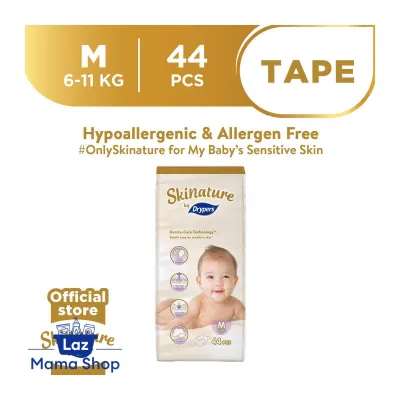

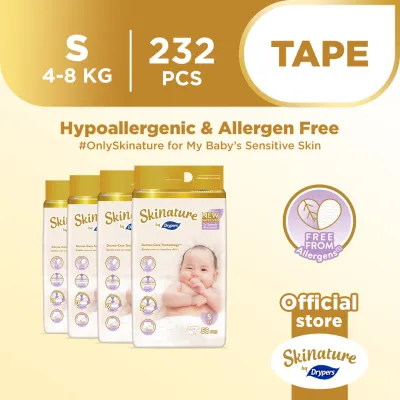
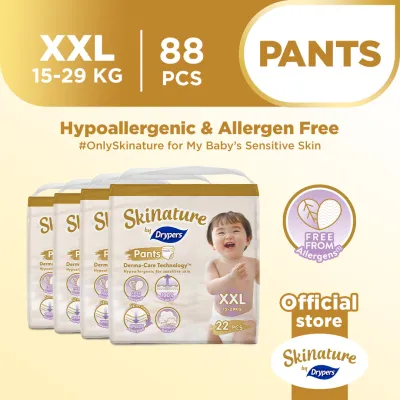

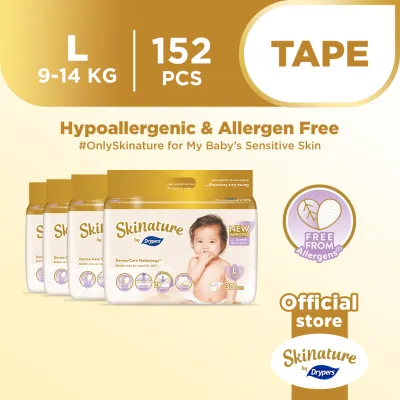
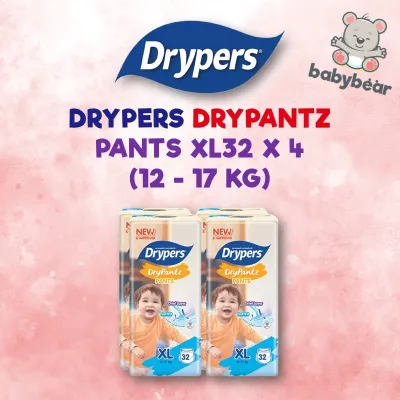
Prices are valid at publication and may change. Please refer to the product page for the latest price.
Leak guards are equally vital, especially for active babies who are rolling, crawling, or walking. These double elastic barriers run along the leg openings and must sit snugly in the groin crease without digging into the skin. When examining a diaper, check the height and elasticity of these cuffs; taller, more flexible guards generally provide better containment during sudden movements or heavy wetting episodes.
Singapore’s tropical climate, characterized by high heat and humidity, makes material breathability a non-negotiable factor. Trapped moisture and heat create a breeding ground for bacteria and yeast, which can quickly lead to painful diaper rash. Parents should look for outer covers made from microporous materials that allow hot air and vapor to escape while keeping liquid safely contained inside.
Fit and sizing consistency vary significantly across different brands, even when they list the same weight range on the packaging. A diaper must offer a secure fit around both the waist and legs without restricting movement or leaving deep red marks. Stretchable waistbands and resealable fastening tabs allow for a customized fit, accommodating changes in your baby’s belly size before and after feedings.
Understanding Skinature’s Core Design and Claims
Skinature diapers are designed with a strong emphasis on skin health and material purity, targeting parents who prioritize gentle care for sensitive skin. The brand typically highlights its use of premium, soft top-sheets that minimize friction against delicate skin. These top-sheets often feature a textured or embossed pattern designed to reduce direct skin contact and improve airflow within the diaper.

Another key claim associated with Skinature is its hypoallergenic formulation, often stating the exclusion of common irritants such as chlorine, heavy fragrances, latex, and parabens. While these claims are highly appealing, parents must verify the specific ingredient lists and material certifications printed on the packaging. Look for recognized independent dermatological test labels or safety certifications to confirm these claims before assuming the product is entirely free from potential allergens.
In terms of daily use, Skinature is often positioned as a versatile diaper suitable for both daytime activities and extended wear. The core is designed to balance thinness for mobility with sufficient capacity to handle multiple wettings. However, because individual wetting patterns vary, parents should observe how the diaper performs during longer stretches, such as overnight sleep, to determine if it meets their specific requirements.
When introducing Skinature, always refer to the manufacturer’s weight guidelines on the packaging rather than relying on age recommendations. Sizing charts are calibrated based on average body proportions, so a baby with a rounder belly or thicker thighs may need to transition to a larger size sooner than the weight chart suggests. Always check the warning labels regarding proper disposal, choking hazards from fastening tabs, and the importance of keeping packaging materials out of reach of children.
Comparing Skinature to Established Market Alternatives
When contrasting Skinature with widely available mainstream diaper brands in Singapore, the primary differences lie in design philosophy and material selection. Mainstream brands often focus heavily on maximizing absorption capacity and minimizing bulk, utilizing dense superabsorbent cores designed to last up to 12 hours. While highly effective for overnight use, these cores can sometimes feel stiffer and less pliable than the softer materials prioritized by premium brands like Skinature.
Skinature typically prioritizes a softer, more fabric-like feel both inside and out, which can enhance daytime comfort and flexibility for crawling or walking toddlers. This focus on softness and breathability may mean the diaper feels lighter, but it might require more frequent changes compared to heavy-duty overnight diapers from mainstream lines. Parents should observe their baby’s comfort levels during active play to see if the increased flexibility of a premium diaper supports better movement.
Skin-friendliness is another major point of comparison. While mainstream brands often include mild lotions or light fragrances to control odors, Skinature generally avoids these additives. If your baby has highly reactive skin, these added fragrances can sometimes trigger localized redness or contact dermatitis. Testing a small pack of both a mainstream brand and Skinature will allow you to observe how your baby’s skin reacts to different material compositions under local weather conditions.
To help you evaluate these differences systematically, use the following comparison matrix to guide your inspection of diaper labels and packaging details when shopping:
| Feature | Skinature (Typical Focus) | Mainstream Brands (Typical Focus) | What to Verify on Packaging |
|---|---|---|---|
| Top-Sheet Material | Premium soft fibers, often fragrance-free | Standard synthetic fibers, may include mild scents | Check for "fragrance-free" or "elemental chlorine-free" labels. |
| Absorbency Core | Balanced distribution layers for daytime comfort | High-capacity superabsorbent polymers for overnight | Look for specific hourly ratings or overnight indicators. |
| Elasticity & Fit | Soft, flexible waistbands to minimize friction | High-tension elastic guards for active leak prevention | Check the weight range and recommended leg cuff fit. |
| Wetness Indicator | Color-changing strip for easy monitoring | Standard color-changing strip or none on basic lines | Verify if the indicator is present across all sizes. |
Evaluating Price, Value, and Sizing Economics
To understand the true cost of diapering, parents must look beyond the retail price of a single pack and calculate the cost per piece. The formula is straightforward: divide the total price of the pack by the number of diapers inside. For example, a pack costing S$24.00 containing 40 diapers results in a cost of S$0.60 per piece. Keep in mind that as your baby grows and transitions to larger sizes (such as L or XL), the number of diapers per pack decreases, which naturally increases the cost per piece.
Premium brands like Skinature generally carry a higher cost per piece compared to standard mainstream options. To manage these expenses, identify reliable purchasing channels in Singapore. Buying from official brand stores on authorized online marketplaces or local supermarkets ensures you receive genuine products that have been stored in climate-controlled warehouses. Avoid purchasing from unauthorized parallel importers, as improper storage in hot, humid conditions can degrade diaper adhesives and reduce absorbency before the product even reaches your home.
Bulk buying and subscription models are excellent strategies for reducing the average cost per piece. Many authorized online retailers offer discounts on carton purchases or recurring monthly deliveries. However, because babies grow rapidly during their first year, avoid stocking up on too many cartons of a single size. Keep a lean inventory of smaller sizes (Newborn and Small) and only commit to bulk purchases once your baby’s growth rate stabilizes around the Medium or Large size ranges.
Proper inventory management also involves maintaining product freshness. Diapers should be stored in a cool, dry place inside your home, away from direct sunlight and high humidity. Exposure to moisture in the air can cause the wetness indicator strips to change color prematurely or weaken the elastic bands, rendering the diapers less effective when worn.
Decision Framework: Which Diaper Strategy Fits Your Baby?
Choosing between Skinature and other mainstream brands comes down to identifying your primary diapering goals and your baby’s physical responses. A tailored decision framework can help you determine the most practical and comfortable strategy for your household.
Consider choosing Skinature if your baby has highly sensitive skin that reacts quickly to standard synthetic materials, fragrances, or friction. If your primary goal is daytime comfort, mobility, and minimizing exposure to potential chemical irritants, the soft, breathable design of Skinature aligns well with these priorities. This option is also ideal if you prefer a diaper that feels lightweight and flexible during your baby’s active waking hours.
Opt for established mainstream brands if your main priority is maximum overnight absorbency to support uninterrupted sleep, or if you require a highly budget-friendly option for frequent daytime changes. Mainstream brands are also suitable if you prefer the convenience of purchasing diapers from any local convenience store or supermarket at a moment’s notice, as their distribution is typically wider than premium specialty brands.
Regardless of the brand you choose, always start by purchasing a single small pack to verify fit, absorbency, and skin compatibility. Observe your baby’s skin during changes for any signs of redness or chafing, and check that the leg cuffs and waistband fit snugly without leaving deep impressions. If you notice persistent skin irritation or leakage issues, consult a qualified healthcare professional or pediatrician for personalized advice on managing diaper dermatitis.
Frequently Asked Questions (FAQ)
How can I tell if a new diaper brand is causing a rash?
To identify the cause of a diaper rash, observe where the redness occurs on your baby’s skin. Friction rashes typically appear as red lines or chafing along the elastic waistband and leg cuffs, indicating a poor fit or a size that is too small. Moisture rashes usually develop in the deep skin folds where wetness is trapped, suggesting the diaper needs to be changed more frequently or has insufficient breathability.
If the rash consists of generalized redness, small red bumps, or dry patches across the entire area that directly contacts the diaper material, it may indicate a sensitivity to the materials, dyes, or fragrances used in that specific brand. If you observe severe redness, blisters, peeling skin, or if your baby seems in pain, stop using the new brand immediately, switch back to a known gentle alternative, and consult a pediatrician or qualified healthcare professional.
Is it necessary to use different diaper brands for day and night?
Using a dual-brand diapering strategy can be both practical and cost-effective for many families in Singapore. During the day, babies are active and changed frequently, typically every two to three hours. For these hours, a lighter, highly breathable, and more flexible diaper like Skinature can maximize comfort and mobility while keeping the skin dry through regular changes.
For overnight use, when babies ideally sleep for longer stretches, switching to a high-capacity mainstream diaper designed specifically for overnight protection can prevent leaks and minimize sleep disruptions. This strategy allows you to reserve premium, skin-focused diapers for daytime wear while utilizing highly absorbent, cost-effective options for the night, optimizing both your budget and your baby’s comfort.

Community discussion
Share your experience or ask a question. Comments are reviewed before publication.