
Finding the right diaper for your child in Singapore’s warm, humid climate requires a careful balance between high absorbency and structural fit. While many packaging labels promise up to 12 hours of dry protection, real-world performance varies significantly depending on your baby’s growth stage, physical proportions, and activity levels. A diaper that remains completely leak-free during a long afternoon nap might fail when your toddler is actively crawling, climbing, or playing. Understanding the engineering behind diaper cores, liquid distribution, and physical barriers is the most reliable way to select a product that keeps your baby dry and comfortable.
Rather than relying on generic marketing claims, parents can make informed decisions by examining how different brands manage moisture and structure. The ideal diaper must not only absorb liquid quickly but also lock it away under pressure to prevent re-wetting the skin. By analyzing the specific design features of popular disposable diapers, caregivers can match the right diaper technology to their baby’s unique daily routine and physical development.
Quick Answer: Is There a Single Best Diaper Brand for Leak Protection?
When comparing diaper brands, it is important to recognize that no single diaper is universally the ‘best’ for every baby. A diaper’s effectiveness in preventing leaks is highly situational, depending on a combination of your baby’s body shape, movement patterns, urine volume, and the time of day. For instance, a diaper with a wider cut might fit a baby with chubby thighs perfectly but leave gaps on a leaner, more slender infant, leading to immediate side leaks.
Products mentioned in this guide
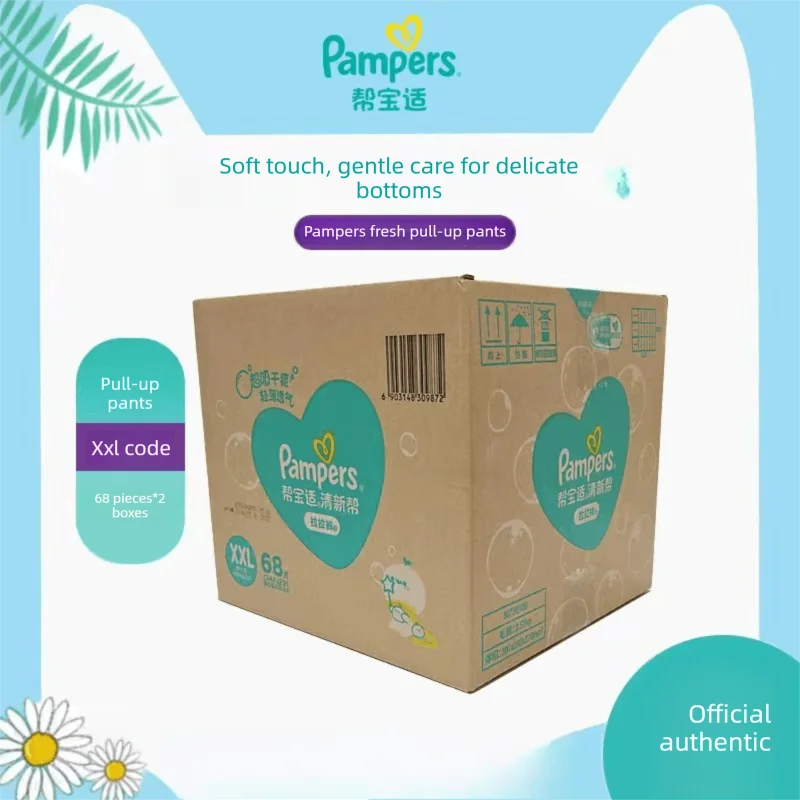

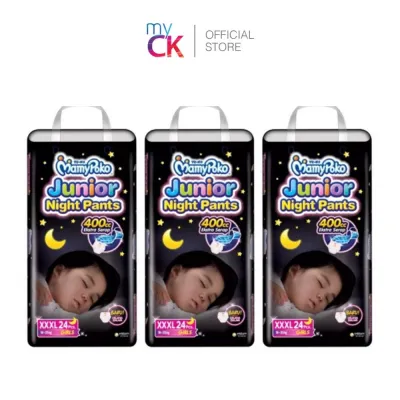
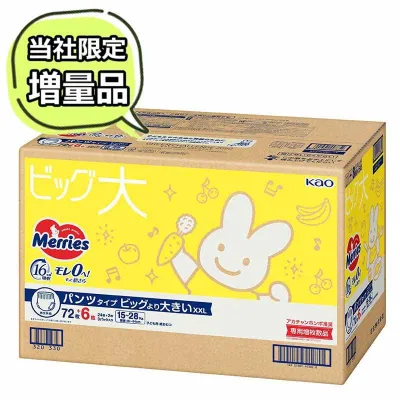
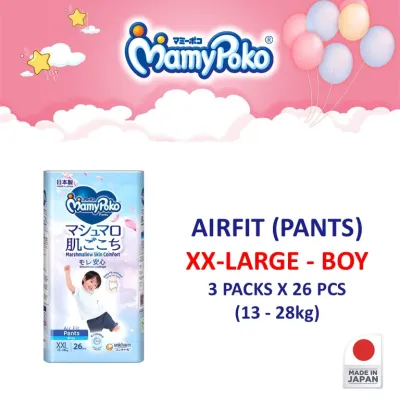


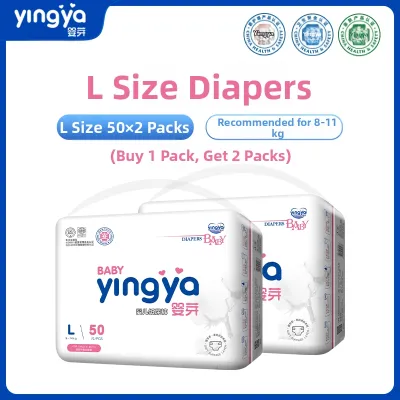
Prices are valid at publication and may change. Please refer to the product page for the latest price.
Furthermore, a baby’s wetting habits change as they grow, meaning a brand that worked exceptionally well during the newborn stage may no longer suffice once the baby becomes highly active. Finding the right diaper is ultimately an ongoing process of matching specific structural features—such as core capacity, waistband elasticity, and leg cuff height—to your baby’s current developmental stage. In Singapore’s humid climate, this choice becomes even more critical, as trapped moisture can quickly lead to skin irritation and diaper rash if the diaper’s design does not facilitate rapid absorption and breathability.
Core Dimensions for Comparing Diaper Absorbency
To evaluate how well a diaper performs, it is helpful to look past brand names and understand the underlying technology that handles liquid. Modern disposable diapers rely on a sophisticated multi-layered system designed to capture, distribute, and store moisture away from your baby’s delicate skin.

Super Absorbent Polymer (SAP) Capacity and Distribution
At the heart of every highly absorbent diaper is Super Absorbent Polymer, commonly referred to as SAP. These tiny, sand-like acrylic beads are engineered to absorb many times their own weight in liquid, swelling into a soft hydrogel that locks moisture away permanently. The total capacity of a diaper is largely determined by the quantity and quality of the SAP embedded within its core.
The distribution of these polymer beads within the core is just as critical as the overall amount. Some brands distribute SAP uniformly throughout the entire length of the diaper, while others concentrate it in specific areas, such as the front for boys or the center for girls. If the SAP is poorly distributed or lacks sufficient structural support, it can clump together when wet, creating heavy, saggy lumps that restrict your baby’s natural movements and reduce the diaper’s overall efficiency.
Core Structure Technology
Traditional disposable diapers utilized a simple blend of loose wood fluff pulp and SAP to absorb liquid, which often resulted in a bulky, sagging diaper when wet. Modern diaper engineering has shifted toward structured composite cores, which use advanced channel or tube designs to manage fluid flow.
These channels are created by bonding the core layers together at specific intervals, creating longitudinal pathways that guide liquid quickly along the entire length of the diaper. By distributing the fluid evenly, channel technology prevents pooling in a single spot, allowing the diaper to maintain a thinner profile and a more stable shape. This structural integrity is particularly beneficial for active babies, as it prevents the diaper from sagging between the legs and altering their natural gait.
Acquisition Layer Speed
Before liquid can reach the SAP core, it must pass through the top sheet and the acquisition-distribution layer (ADL). The ADL is a specialized, high-porosity sheet positioned directly beneath the diaper’s inner surface, designed to pull liquid away from the skin instantly.
A high-performance acquisition layer acts as a temporary reservoir, holding sudden rushes of liquid and distributing them evenly before the slower-acting SAP beads absorb them. If the acquisition layer is too thin or inefficient, liquid will pool on the surface of the diaper, leaving the baby’s skin in direct contact with wetness. In Singapore’s humid environment, this lingering surface moisture can rapidly compromise the skin’s natural barrier, leading to painful friction and diaper rash.
Daytime vs. Overnight Needs
The performance priorities for diapers shift significantly between daytime play and overnight sleep, making it common for parents to use different brands or styles for each scenario. Daytime diapers are typically designed to be ultra-thin, lightweight, and highly flexible, prioritizing maximum freedom of movement and breathability during active hours.
In contrast, overnight diapers prioritize maximum total capacity and sustained moisture retention. Because babies can sleep for up to 12 hours without a change, overnight options feature a much thicker SAP core and a more robust acquisition layer to handle multiple heavy wettings. While these overnight designs are bulkier and less flexible, their primary goal is to prevent leaks and keep the skin dry, ensuring uninterrupted sleep for both the baby and the caregivers.
Leak Protection Designs: What Actually Prevents Blowouts?
While a diaper’s core absorbency determines how much liquid it can hold, its physical construction and leak barriers determine whether that liquid actually stays inside the diaper. A highly absorbent core is of little use if the diaper’s structural seals fail to contain fluid during sudden movements.
Leg Cuffs and Leak Guards
The leg openings are the most common site for diaper leaks, making the design of the leg cuffs a crucial safety feature. High-quality diapers feature double-layered, standing inner leak guards made from hydrophobic, water-resistant non-woven fabrics.
These elasticized inner cuffs stand upright when the diaper is opened, creating a physical barrier that molds to the contours of your baby’s thighs and catches liquid before it can escape. The outer leg ruffles provide a secondary layer of protection and a comfortable finish. When fastening a diaper, caregivers must always ensure these outer ruffles are pulled outward rather than tucked inward, as tucked cuffs compromise the seal and are a frequent cause of side leaks.
Waistband Elasticity and Fit
Back blowouts are a common and frustrating challenge for parents, particularly during a baby’s first year when liquid stools are frequent. A highly elastic, wide waistband is the primary line of defense against leaks at the back and waist.
The waistband must feature sufficient stretch to conform snugly to the baby’s lower back without digging into their skin or restricting their breathing. Some brands include a specialized ‘pocket’ or barrier along the back waistband, designed specifically to catch and contain runny stools when the baby is lying down or sitting. Additionally, a diaper with high waistband elasticity adapts dynamically as the baby’s abdomen expands and contracts during feeding and digestion, maintaining a secure fit throughout the day.
Diaper Cut and Contour
Every diaper brand utilizes a slightly different cut, ranging from wide, rectangular shapes to highly contoured, hourglass designs. The shape of the diaper affects how it sits on your baby’s body and how well it moves with them.
A diaper with a narrower crotch area allows for easier leg movement and reduces bulk between the thighs, which is ideal for babies who are learning to crawl or walk. However, if the cut is too narrow for a baby with a wider build, it can lead to gaps at the hip or thigh. Conversely, a wider, higher-backed cut provides excellent coverage for younger infants but may bunch up uncomfortably on a lean, highly active toddler. Matching the diaper’s contour to your baby’s specific body type is essential for achieving a leak-free fit.
Wetness Indicators
Most modern diapers feature a wetness indicator strip on the outer cover, which changes color—typically from yellow to blue—when exposed to moisture inside the diaper. This simple visual cue helps caregivers monitor the diaper’s status without having to unfasten and check it constantly.
While wetness indicators are highly convenient, they should be used as a guide rather than an absolute rule for diaper changes. In highly humid climates like Singapore’s, ambient moisture in the air can sometimes cause the indicator strip to change color slightly even before the diaper is heavily wet. Caregivers should combine the visual indicator with a quick physical check of the diaper’s weight and bulk to determine if a change is truly necessary.
How to Choose: Matching Diaper Features to Your Baby
Selecting the right diaper involves analyzing your baby’s specific daily challenges and matching them to the appropriate design features. Since babies grow and change rapidly, your diapering strategy should adapt to their evolving needs and developmental milestones.
Selecting Based on Your Baby's Daily Patterns
To help you navigate the wide variety of diaper options available on online marketplaces and in local stores, consider the following condition-based recommendations:
- Choose high-capacity, multi-layer core diapers if: Your baby is a heavy wetter, goes long stretches between changes, or you need reliable overnight protection. These designs feature a concentrated volume of Super Absorbent Polymer (SAP) and a high-performance acquisition-distribution layer that rapidly pulls liquid away from the surface. This ensures the diaper can handle multiple consecutive wettings without leaking, allowing your baby to sleep undisturbed throughout the night.
- Choose highly elastic, form-fitting diapers if: Your baby is very active, learning to roll, crawl, or walk, and standard diapers tend to shift or gap at the legs. Look for diapers with a highly elasticized waistband and double-layered standing leg cuffs that conform dynamically to your baby's movements. If your child resists lying down for changes, transitioning to pants-style diapers can simplify the process while providing a secure, 360-degree fit.
- Choose ultra-thin, fast-absorbing diapers if: You prioritize breathability and bulk reduction for daytime use in warm, humid climates, and can change the diaper frequently. These diapers typically feature micro-pore outer covers that allow heat and moisture vapor to escape, reducing heat retention and keeping your baby cool and comfortable during active play.
- Verify first if: Your baby has sensitive skin or a history of diaper rash. In these cases, prioritize hypoallergenic, fragrance-free, and elemental chlorine-free materials over pure maximum absorbency metrics. Look for a textured, ultra-soft top sheet that minimizes friction and keeps moisture locked away from the skin, as maintaining surface dryness is the most critical factor in preventing skin breakdown.
Practical Ways to Test and Compare Diapers at Home
With so many diaper brands claiming superior absorbency and leak protection, conducting simple, safe, and practical tests at home can help you evaluate how well a diaper actually performs under real-world conditions.
The Tactile Check
A simple way to test how well a diaper’s top sheet locks away moisture is to perform a tactile check after use. When changing your baby’s diaper, take a clean, dry paper tissue or paper towel and press it firmly against the inner surface of the wet diaper for five seconds.
A dry tissue indicates that the acquisition layer and SAP are working efficiently to lock moisture deep inside the core. If the tissue dampens, the diaper is allowing moisture to re-wet the surface under pressure, which can irritate your baby’s skin and increase the risk of diaper rash.
Observing Leak Patterns
Analyzing leak patterns helps diagnose whether an issue stems from size, fit, or absorbency. Paying close attention to where the liquid escapes allows you to make precise adjustments.
For example, persistent leg leaks often indicate that the standing inner leak guards were tucked inward during fastening, or that the leg openings are too loose for a lean baby. Conversely, frequent back blowouts typically suggest that the waistband lacks sufficient elasticity, the diaper’s rise is too low, or the baby has outgrown the current size and requires a larger option with a higher back rise.
Tracking Diaper Weight
Using a digital kitchen scale provides objective data to compare the true fluid retention of different brands. This provides precise, objective data rather than relying on visual estimation.
First, weigh a clean, unused diaper to establish a baseline. After your baby has worn the diaper, weigh it again. Subtracting the dry baseline from the wet weight gives you the exact weight of the absorbed liquid (where 1 gram roughly equals 1 milliliter). This simple calculation allows you to compare the real-world capacity of different brands and monitor actual urine output if required for health reasons.
Safety Boundary
Regardless of a brand’s claimed 12-hour protection, no diaper should be left on indefinitely. Regular, prompt diaper changes are essential to maintain skin integrity and prevent ammonia buildup from stale urine.
Caregivers should check the diaper every few hours and change it immediately after any bowel movement. If your baby develops persistent redness, swelling, or a severe diaper rash that does not improve with standard care, stop using the current brand and consult a qualified pediatrician or healthcare professional.
Frequently Asked Questions (FAQ)
How many hours can a baby safely wear a highly absorbent diaper?
While advanced overnight diapers are designed to physically hold liquid for up to 10 to 12 hours, this extended wear should be reserved strictly for nighttime sleep when urine output naturally slows down. During the day, babies should generally be changed every 2 to 3 hours, or immediately after a bowel movement. Prolonged exposure to moisture, urine, and stool enzymes can rapidly break down the skin’s natural protective barrier, leading to irritation, diaper rash, and potential bacterial or fungal infections. Regular changes are essential to keep the skin dry, clean, and healthy.
Does sizing up improve leak protection for heavy wetters?
Sizing up can be an effective way to resolve persistent leaks for heavy wetters because larger diapers contain a larger absorbent core with a greater amount of Super Absorbent Polymer (SAP). However, this strategy is only successful if the larger size still fits securely against your baby’s body. If the larger diaper creates gaps or loose folds around the waist or leg openings, liquid will escape through these gaps before it can reach the absorbent core, resulting in more frequent leaks. Always verify the manufacturer’s weight guidelines, and ensure there are no gaps around the thighs and waist before permanently transitioning to a larger size.

Community discussion
Share your experience or ask a question. Comments are reviewed before publication.