
Finding the right diaper involves balancing absorbency, comfort, and leak protection against your baby’s unique shape and skin sensitivity. While Pampers and Huggies are household names with decades of global market presence, Hey Tiger has emerged as a modern alternative catering to parents seeking different material profiles. Because independent, standardized laboratory data comparing these three brands is not universally established, there is no single definitive winner for every infant. Instead, selecting the right option requires understanding how to read packaging specifications, evaluate structural designs, and conduct safe, systematic trials at home.
Understanding the Brands and Market Positioning
Pampers and Huggies represent established mainstream legacy brands with extensive user histories and massive global distribution networks. These brands offer multiple product tiers designed for different developmental stages, ranging from newborn swaddlers to active toddler pants. In contrast, Hey Tiger operates as an emerging or alternative brand, often positioning itself to appeal to parents looking for minimalist designs or specific material selections. Because manufacturing locations and product formulations can vary by region, diapers purchased in Singapore may differ slightly from those sold in other countries. Parents should always check official brand websites, authorized local distributors, and physical packaging labels to verify the exact origin, ingredients, and design features of the specific batch they are purchasing.
Evaluating Absorbency: Materials and Capacity Indicators
To assess and compare the absorbency of these brands without relying on marketing claims, parents can look for specific technical indicators on the packaging. Many modern disposable diapers utilize Superabsorbent Polymers (SAP) mixed with wood pulp or elemental chlorine-free fluff to lock away moisture. When evaluating a pack, check the label for descriptions of the core technology, such as channeled cores designed to distribute wetness evenly, and look for the presence of a wetness indicator line that changes color when wet. It is also important to align the diaper’s capacity with your baby’s age, weight, and typical urine output, as older infants require higher capacity cores. To compare real-world performance, you can plan a controlled at-home test by weighing a dry diaper, pouring a measured amount of lukewarm water onto the center, and pressing a dry paper towel against the surface after a few minutes to check for wetness transfer. Alternatively, track the weight of used diapers using a small scale to determine the actual fluid volume retained before a leak occurs, while observing if the diaper core sags or clumps during use.
Products mentioned in this guide
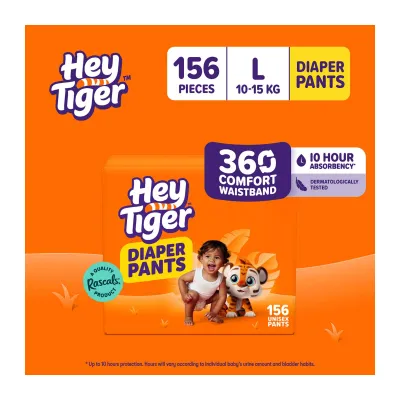
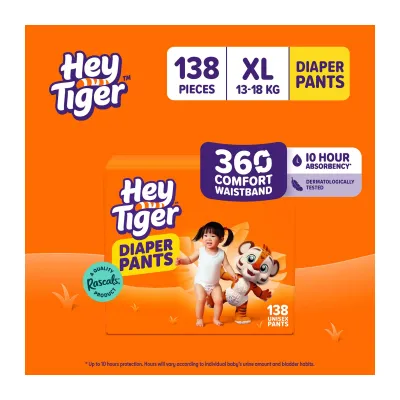
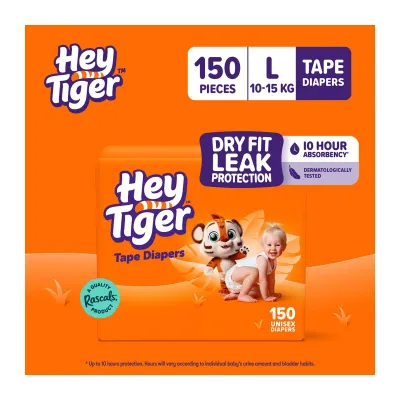
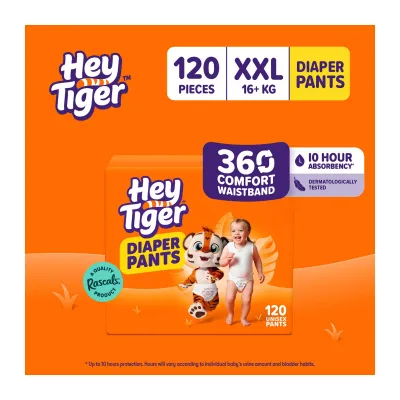
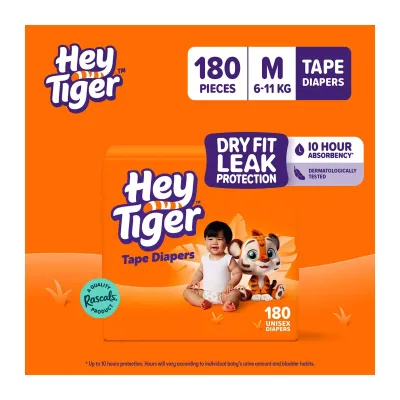
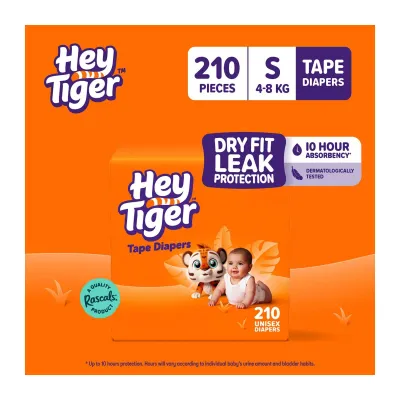
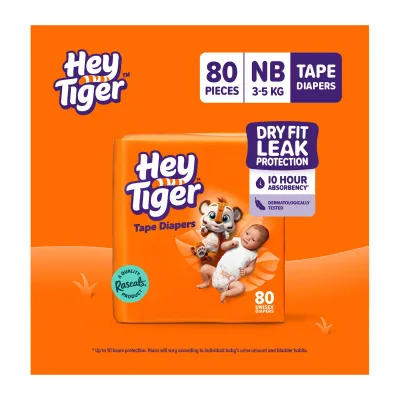
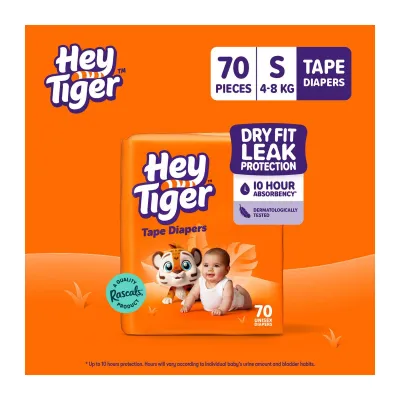
Prices are valid at publication and may change. Please refer to the product page for the latest price.

Assessing Comfort: Fit, Breathability, and Skin Sensitivity
Physical comfort and skin compatibility are highly subjective and must be evaluated through direct inspection and careful monitoring. When opening a new pack, physically feel the diaper’s interior lining, the elasticity of the waistband, and the flexibility of the leg cuffs to gauge whether they might restrict your baby’s mobility or cause friction. Review the material labels on the packaging for breathability claims, such as microporous outer covers, and look for hypoallergenic certifications or the absence of specific irritants like added fragrances, lotions, parabens, or elemental chlorine. Because every baby’s skin chemistry is unique, monitor the diaper area closely during any brand transition for signs of redness, chafing, or irritation. If skin irritation or a rash develops, stop using that specific brand immediately; if the irritation persists, spreads, or causes distress, consult a qualified pediatrician or healthcare professional rather than attempting to self-diagnose.
Leak Protection: Structural Design and Real-World Testing
Effective leak protection relies on a combination of structural barriers and a secure, gap-free fit. When comparing Pampers, Huggies, and Hey Tiger, examine the height and stiffness of the double leak guards—the inner elasticized barriers running parallel to the leg cuffs—to ensure they stand upright and provide a resilient seal. Proper fit is essential to prevent gaps, but because sizing charts and cuts vary significantly between brands, you must physically verify the fit on your baby rather than relying solely on weight guidelines. Ensure you can easily run two fingers around the waistband and that the leg cuffs are flared outward. To identify specific structural strengths or weaknesses, track leak frequency across different daily scenarios, noting whether leaks occur primarily during high-movement daytime play or during extended overnight sleep.
Cost and Value: Calculating Price Per Diaper
Managing a household budget requires calculating the true financial cost by determining the price per individual diaper rather than comparing pack prices directly. Divide the total retail price of a pack by the number of diapers inside to find the unit cost. In Singapore, prices can vary significantly depending on whether you purchase from local supermarkets, pharmacies, or official online stores, with bulk options and subscription discounts often reducing the cost per diaper. For example, calculating whether a diaper costs S$0.30 or S$0.60 per piece helps you weigh the financial impact against your baby’s specific needs. Some families optimize their budget by reserving premium, highly absorbent diapers strictly for overnight use and using more economical options for frequent daytime changes. Always verify current promotions and stock availability directly from authorized sellers to ensure you are purchasing authentic, properly stored products.
How to Choose: A Conditional Decision Framework
Selecting the right diaper brand depends on your household’s specific priorities and your baby’s physical response. Choose Pampers or Huggies if you prioritize widespread local availability, consistent mainstream sizing, and a deep pool of historical user feedback. Choose Hey Tiger if you are seeking alternative material profiles, minimalist designs, or specific niche features, provided you verify the fit and skin compatibility by purchasing a small trial pack first. Regardless of the brand, always prioritize your baby’s comfort and skin health; if your baby has highly sensitive skin, persistent diaper rash, or unusual fit requirements that standard sizing cannot accommodate, consult a pediatrician or pediatric dermatologist for professional guidance.
Frequently Asked Questions (FAQ)
Can I mix different diaper brands for day and night use?
Yes, mixing different diaper brands for daytime and nighttime use is a highly practical and common strategy. Many parents choose to use a highly absorbent, premium diaper for overnight sleep to prevent leaks and support uninterrupted rest, while opting for a lighter, more economical diaper during the day when changes are much more frequent. When implementing this strategy, ensure that both brands fit securely; even if the weight guidelines on the packaging are identical, physical dimensions can differ, so you must verify the fit of each brand individually to prevent leaks.
How do I know if a diaper brand is causing a rash?
Diaper rashes can stem from multiple causes, including contact dermatitis, moisture buildup, or friction chafing from an improper fit. If a rash appears suddenly after switching to a new brand and is concentrated precisely where the diaper contacts the skin, the materials or added ingredients may be the trigger. Stop using the new brand immediately and revert to a diaper that your baby’s skin tolerated well. If the rash is severe, bleeds, oozes, or does not improve within a few days of gentle care, consult a healthcare professional.
Do I need to change diaper sizes when switching between Pampers, Huggies, and Hey Tiger?
Yes, you may need to adjust sizes because diaper sizing is not standardized across different brands. A specific size in Pampers may fit differently than the same size in Huggies or Hey Tiger due to variations in waistband elasticity, leg cuff cuts, and overall dimensions. Use the weight ranges on the packaging as a general starting point, but rely on physical indicators: if you notice red marks on your baby’s thighs or waist, frequent leaks, or if the diaper sits too low on the waist, it is time to size up.

Community discussion
Share your experience or ask a question. Comments are reviewed before publication.